
Loading dispatches...
← Return to NewsroomTechnology
Essential Gear for an Emergency Kit—for Cars or Go-Bags
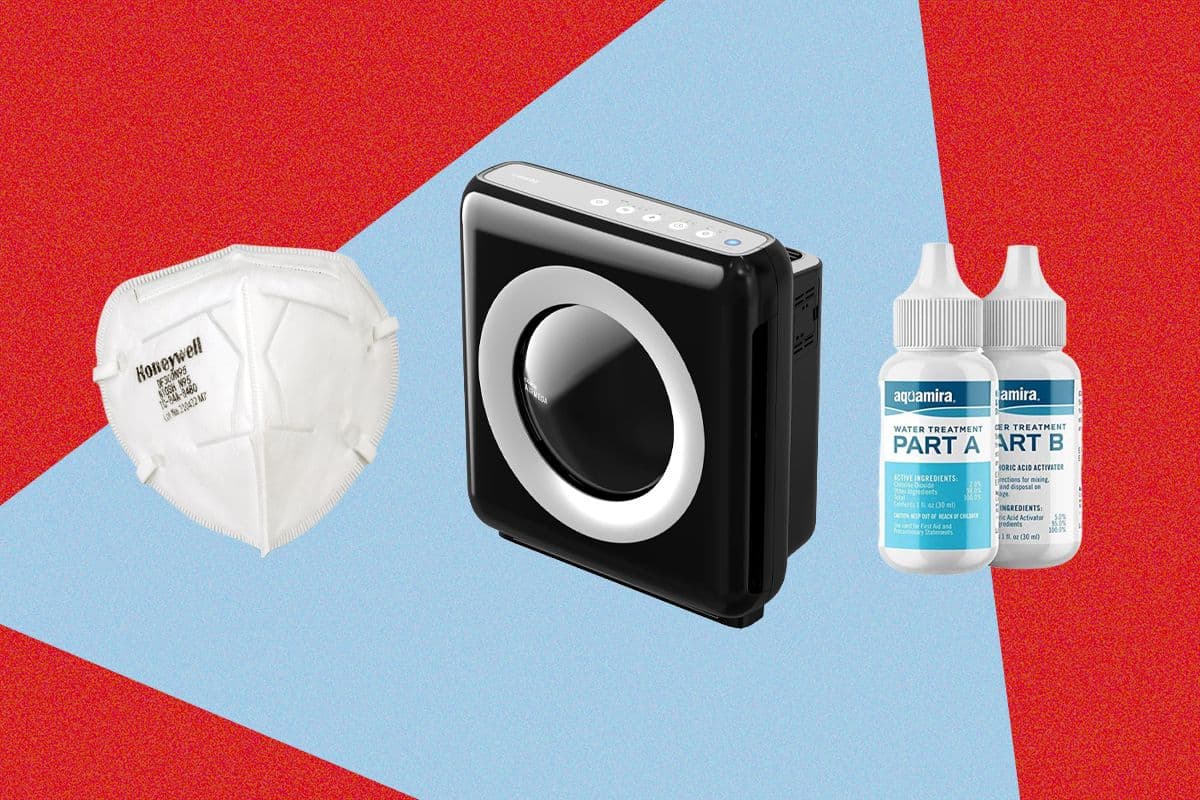
You never know when you're going to have to bug out on short notice. The politics of the moment are less than predictable. Disasters never strike on schedule, and few stores stay open for a wildfire or an insurrection. As of early 2026, wildfires and the resulting chaos look especially likely in the American West after record-low snowpack levels in the winter, which will also mean less water in the spring and summer.That’s why it’s important to make plans well in advance and put together gear for an emergency kit, say experts on disaster preparedness—and to stock up on the essentials that can keep your family healthy and safe in the event of hurricane, flood, earthquake, blizzard, wildfire, or all-too-human failures.But not every disaster is the same. There are two main scenarios you should keep your family prepared for, says Jonathan Sury, a senior staff associate at Columbia University’s National Center for Disaster Preparedness.In some cases, you may have to jump into a car with a go bag, or a bug-out bag, outfitted with the barest essentials, such as a three-day supply of water, purification tablets or water filters, a good flashlight, and batteries. A fast-moving wildfire might be a good example of this scenario. In others, like a severe snowstorm, you may be left sheltering in place, possibly without tap water or access to the power grid—and in serious need of a good power bank or two. Regional wildfires may also require long-term emergency prep, when taking into account smoke inhalation and potential public safety power shutoffs.“You have to think in that mindset of, ‘We could have power out,’” said National Weather Service preparedness lead Charlie Woodrum. “‘We could lose it for a couple days, or up to even a week, and we also could lose water’ … You have to plan for both power outages and for loss of water.” At that time, in January, he was speaking ahead of a historic winter storm season across much of the United States. But the same assumptions can apply to other disasters, from earthquakes to wind and fire.Here’s how to prepare for a shorter-term emergency—and what to stock up on in advance. This isn’t a survival guide to civil war or the apocalypse, of course. But the advice and gear here should help you and your family safely weather a natural disaster such as a storm, a flood, an earthquake, or a wildfire–not to mention a systemic failure in your water system or power grid.Also take note of my colleague Adrienne So’s advice that the best form of emergency prep involves getting to know your neighbors, and WIRED’s Guide to Surviving Extreme Weather, as well as WIRED's guide to finding reliable emergency information amid much-diminished federal resources. More worried about losing your job? Check out WIRED’s guide to a digital go bag for when you’re forced to bug out from work.Update April 2026: I incorporated advice from University of Oregon wildfire experts Heidi Huber-Stearns and Amanda Stasiewicz, and added additional context on wildfire preparedness. I added multiple power banks, including one from Nimble and one from Ridge, as well as the Watch Duty wildfire awareness app. I also added the MERV 13 air filters and a box fan needed for making a DIY air purifier in a pinch. Pricing and descriptions have also been updated, with unavailable products swapped out where necessary.Jump to SectionWhat Should You Put in Your Emergency Go Bag?Food, Water and Water PurificationAir Purifiers and Face Masks for Wildfire Smoke or DiseasePower Banks and Other Sources of ElectricityPortable Light SourcesFirst-Aid Kits, Sanitizers and Medical SuppliesDigital Document BackupsA Burner Phone, a Passport, and a Faraday BagRadio and Emergency Phone AppsA Log-Splitting WedgeGames for the KidsAn Action Plan for PetsAdditional Useful ItemsPaper Maps of Your RegionWhat Should You Put in Your Emergency Go Bag?Often, you have a bit of warning before an emergency lands on your doorstep. But an evacuation order can arrive with unsettling s


Discussion (0)