
Loading dispatches...
← Return to NewsroomEconomy
Supreme Court flags insolvency delays, takes suo motu cognizance of NCLT gaps
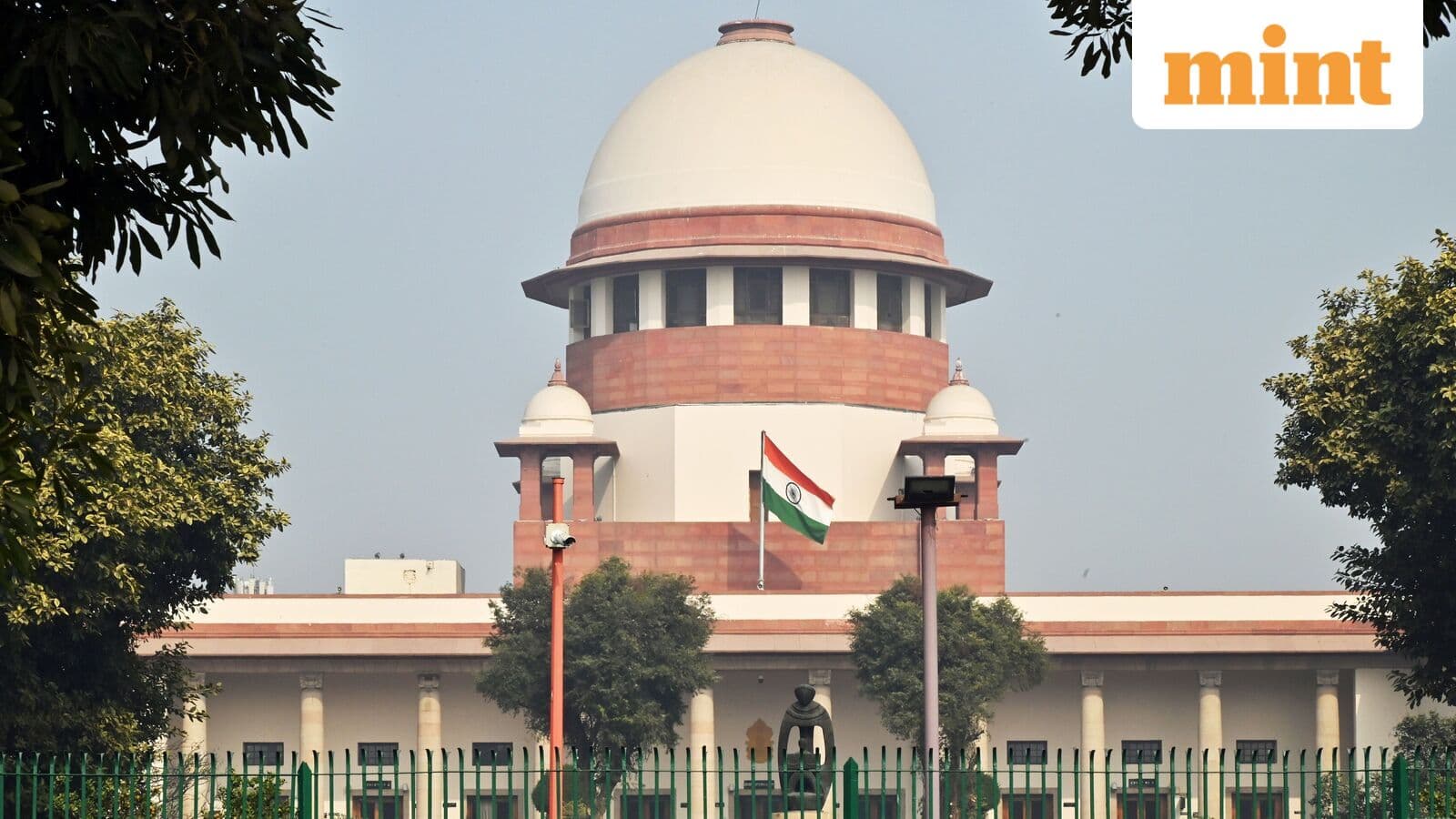
NEW DELHI: The Supreme Court on Wednesday took suo motu cognizance of delays and structural gaps in insolvency tribunals, flagging risks to creditors and the effectiveness of India’s bankruptcy framework.A bench of Justices J.B. Pardiwala and K.V. Viswanathan said delays at the National Company Law Tribunal (NCLT), infrastructure gaps and staff shortages must be addressed on a war footing, given their impact on a critical economic framework.“The picture, highlighted by all before us, is extremely grim and dismal. We take cognizance of the aforesaid in larger public interest. We believe that all the issues as aforesaid need to be addressed on a war footing,” the bench observed.The court’s intervention follows a 21 April direction to the Insolvency and Bankruptcy Board of India (IBBI) and the NCLT registry to submit data on pending resolution plans and delays. The matter will now be placed before the Chief Justice of India for further directions, including the constitution of a bench to examine the issues in detail.The issue came up during a hearing in the AVJ Heights (AVJ Developers) insolvency case, where a plea challenged an NCLT order upholding IIFL Finance’s ₹85 crore claim. The case entered the IBC process in 2019. During the hearing, the court expanded its scope to examine broader systemic delays affecting insolvency resolution.Data presented before the court showed approval delays ranging from 48 days to over 730-738 days, with some cases stretching up to four years, undermining the Insolvency and Bankruptcy Code’s (IBC) mandate of time-bound resolution of stressed assets. Under the IBC, insolvency resolution is designed to be completed within a maximum of 330 days.A key concern highlighted was the shortage of members at the NCLT. Against a sanctioned strength of 63 members, only 54 are currently in position, slowing hearings and decisions and adding to the backlog.Infrastructure gaps across NCLT benches, ranging from inadequate physical facilities to limited technological support, have reduced working hours and, in some cases, disrupted proceedings. Frequent changes in bench composition and limited sittings, including half-day hearings, have further contributed to delays.“So sad, so sad, they deal with lands worth thousands of crores, but they don’t have an adequate place to sit and adjudicate the matters. That’s so sad,” Justice Pardiwala said.The top court also raised concerns over staffing issues within the tribunal system. Key administrative roles, including registrars and support staff such as court masters, stenographers and legal assistants, are often filled on a contractual basis. These arrangements, along with reports of irregular salary payments and frequent terminations, have raised concerns about the stability and efficiency of tribunal operations.The misuse of provisions such as Section 65 of the IBC, which deals with fraudulent or malicious initiation of insolvency proceedings, was also flagged as contributing to delays. The court noted concerns around the qualification, selection and appointment of tribunal members, as well as broader procedural inefficiencies.The Supreme Court underlined that the NCLT exercises jurisdiction under both the Companies Act, 2013 and the IBC, making its efficient functioning crucial for the country’s economic and credit ecosystem. The IBC replaced earlier frameworks such as the Sick Industrial Companies Act (SICA) to enable a creditor-driven, time-bound resolution process.However, the court observed that in the current state of delays, achieving this objective appears increasingly difficult. With thousands of crores of rupees at stake, prolonged resolution timelines risk eroding asset value and weakening creditor confidence.“This intervention will likely drive stricter timeline enforcement and administrative reforms, but cannot replace capacity gaps,” said Raheel Patel, partner at Gandhi Law Associates.Timeline slippageData from IBBI highlights the scale of the challenge. Be



Discussion (0)