
Loading dispatches...
← Return to Newsroomgeneral
Does Undekhi glorify vengeful, gun-wielding men? Harsh Chhaya says they may outrun the law, but not life
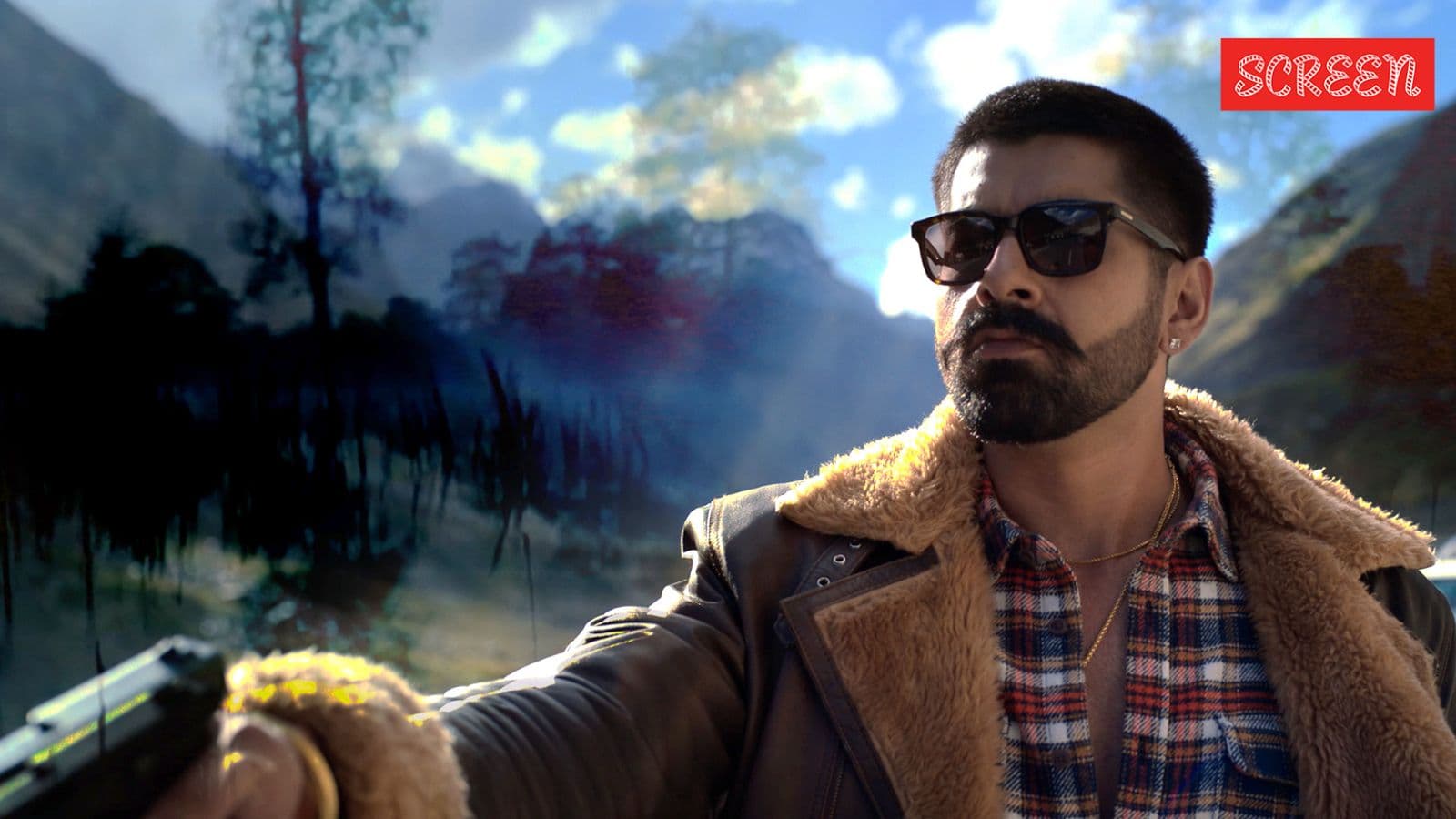
One of the shows that slipped quietly beneath the undertow of the pandemic, only to claim a firm hold on the streaming landscape, was Undekhi, from Applause Entertainment, on SonyLIV. Led by a formidable ensemble, the series opened a window into a harsh criminal underbelly set against the hills: unflinching, pulpy, and propelled by its appetite for shock and narrative turns. Six years on, with its fourth season on the horizon, Undekhi has outgrown the charge of mere cheap thrills. Beyond its surface of violence lies a deeper inquiry, into cycles that refuse to break, inheritances of trauma that outlive those who bear them, and the uneasy question of whether the past is ever truly escapable, or simply deferred. In an exclusive conversation with SCREEN, the principal cast: Surya Sharma, Harsh Chhaya, Varun Badola, and Gautam Rode, reflect on these tensions. They consider, too, the uneasy line between portrayal and glorification: when the screen fills with men who wield violence with impunity, does it simply illuminate, or does it risk seduction?Excerpts edited for clarity and brevity Gautam, as a new entrant into the world of Undekhi and the Atwals, what drew you to this narrative, and what distinct energy do you bring to it? It’s a gangster saga where every character exists in shades of grey. There are no purely “good” or “white-collar” people here. Everyone is flawed in their own way, which is what makes the world so compelling. That’s what really excited me when I was first approached for the project. Coming to my character, I can’t reveal too much right now, but what I can say is that he’s indirectly connected to the Atwals. He’s essentially a businessman who finds himself cornered in a difficult situation, primarily because he needs financial backing. That’s where things get complicated. He ends up caught between two powerful groups and the crux of his journey lies in whether he can navigate this situation, play along with their games, or find a way to break free from it. Season 3 closed on a note that felt both poetic and conclusive. Did that give you any concern that continuing the story might risk exhausting its narrative force? Harsh: While we were making the series, the intent from the production team was never to conclude the story with the third season. It might have felt that way to some viewers, that this was the end, but that was never the plan. At a certain point, though, you have to look at how the story is being perceived. In the first season, things are unfolding; in the second, the momentum continues. But over time, it can start to feel like this world of gangsters, violence, the stylised shots, the “dishum-dishum” is being glorified simply because it’s entertaining. And that’s where responsibility in storytelling comes in. You can’t let it seem like this lifestyle is consequence-free or acceptable. Characters like these need to face repercussions. They need to be stopped, to learn, to confront the outcomes of their choices. So, what you’re seeing in that phase of the story is essentially consequence, what you might call poetic justice. It’s a reminder that no matter how clever someone thinks they are, or how often they believe they can outrun the law, but not life. Surya: To add to that, it was quite shocking for me to see how things unfold in Season 4. For three seasons, I was aligned with Papa Ji (Harsh), but now we find ourselves on opposing sides. That shift in dynamic was exciting to explore. Moreover, the relationship between Papa Ji and my character, Rinku, has always been at the heart of Undekhi.Story continues below this ad Harsh Chhaya spoke about whether Undekhi glorifies gangsters. Picking up on something Harsh said, gangster stories often draw us into empathising with those we might otherwise condemn. Do you think that empathy is dangerous, or is it necessary to und


Discussion (0)