
Loading dispatches...
← Return to NewsroomEconomy
Quote of the day by Franz Kafka: ‘Start with what is right rather than…..’

The lesson from Franz Kafka's quote is to choose ethical principles over societal acceptance. By doing what is right, individuals can foster credibility and long-term respect, while navigating the challenges of conformity in today's society.A century after his death, Kafka still has allure, and not just among social-media addicts. ./File Photo(REUTERS) Quote of the day: “Start with what is right rather than what is acceptable” — Franz KafkaEvery day presents moments when we must choose between doing what is right and doing what is merely convenient. Kafka’s quote offers a powerful reminder that integrity should come before approval. It encourages us to base our decisions on principles, not on what others may find comfortable or popular.What does Franz Kafka's quote mean?This quote urges us to put ethics and truth ahead of social acceptance. “What is acceptable” refers to actions or decisions that fit in with common opinion, workplace culture, family expectations, or public pressure. These choices may help us avoid conflict, but they are not always the most honest or fair.“What is right,” on the other hand, points to actions grounded in values such as honesty, justice, and responsibility. Doing what is right may be more difficult. It can require courage to speak up, challenge unfair practices, or stand alone when others disagree.For example, imagine a student who notices cheating during an exam. Staying silent may feel more acceptable because it avoids confrontation. Reporting it, however, may be the right thing to do because it protects fairness. Similarly, in the workplace, raising concerns about unethical behaviour may be uncomfortable, but it reflects integrity.This quote also teaches that long-term respect is built on principled decisions. Choices based solely on acceptance can bring short-term peace, but they may lead to regret if they compromise personal values. By starting with what is right, people build trust, self-respect, and credibility.The message is especially relevant in today’s world, where social media and public opinion can pressure individuals to conform. Kafka reminds us that moral clarity should guide us more than popularity. True leadership often begins when someone chooses principle over convenience.In practical terms, this quote encourages us to ask a simple question before making an important decision: “Is this the right thing to do?” If the answer is yes, acceptance should be secondary.“Start with what is right rather than what is acceptable” is a timeless lesson in character and courage. It reminds us that doing the right thing is not always easy, but it is the foundation of integrity. Whether in school, work, or personal life, this principle helps us make decisions we can stand by with confidence.Who was Franz Kafka?Born on July 3, 1883, Franz Kafka was a German-language writer born in Prague, then part of the Austro-Hungarian Empire. He is widely regarded as one of the most influential literary figures of the 20th century.Kafka is best known for works such as The Metamorphosis, The Trial, and The Castle. His writing explores themes of alienation, bureaucracy, anxiety, and the struggle of individuals against confusing systems of authority.Although Kafka published only a small portion of his work during his lifetime, his friend Max Brod preserved and published many of his manuscripts after his death. Today, Kafka’s writings and quotations continue to resonate with readers around the world because of their insight into human dilemmas and moral choices.He died on June 3, 1924.About the AuthorGarvit BhiraniGarvit Bhirani is a journalist based in Gurugram. He is a Deputy Chief Content Producer at LiveMint, where he covers national and international news stories, focusing on accuracy and compelling storytelling for readers. With a total of six years of experience in journalism, he has previously worked with Vaco Binary Semantics for Google, taking on the role of news curation lead, and reported f
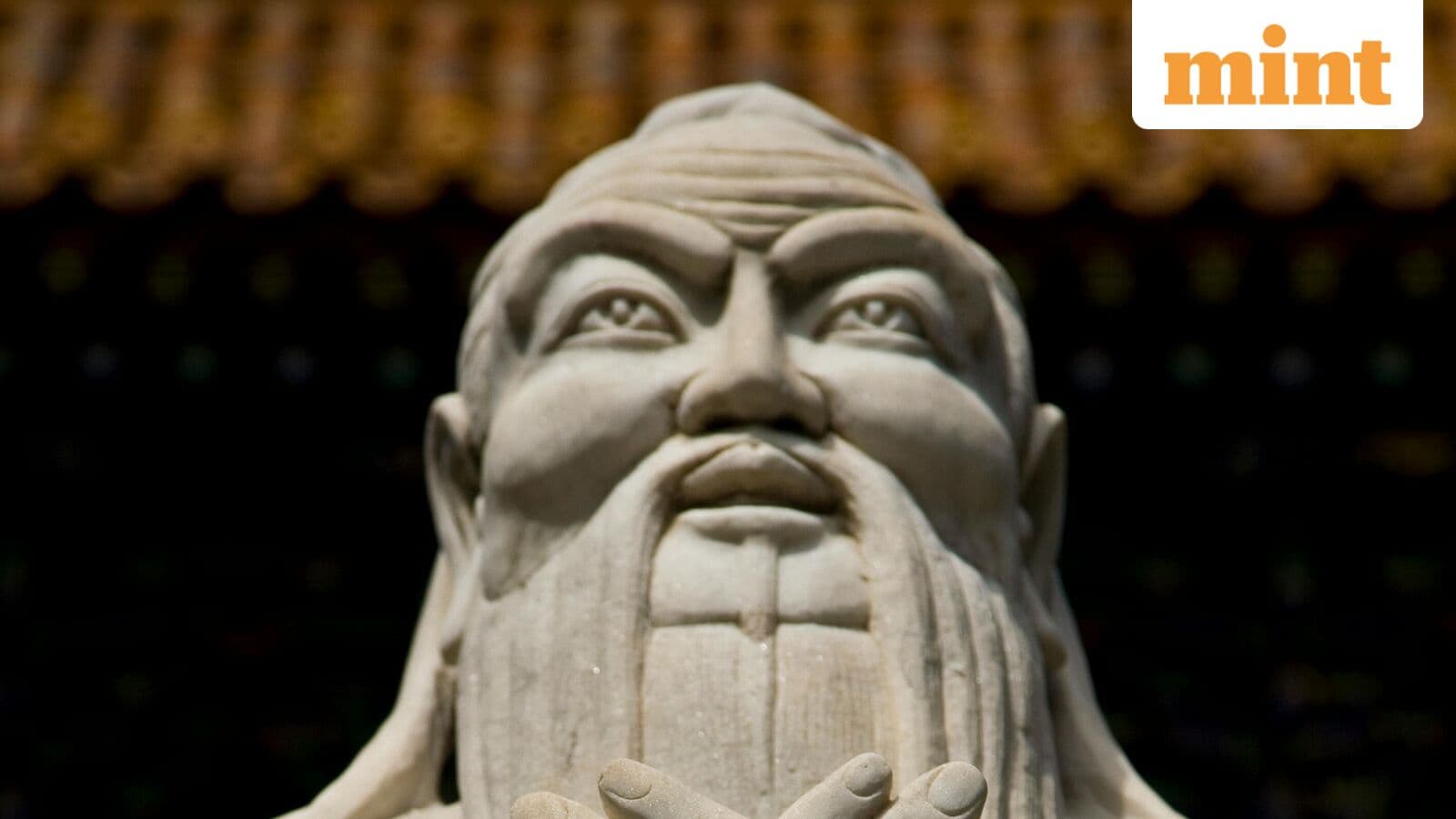
The quote also challenges leaders who chase every new trend without historical context. A company adopting AI, launching a new product, entering a market, or redesigning its content strategy should ask: What similar shifts have we seen before? What mistakes did others make? Which assumptions proved wrong? The past becomes useful when it is studied as evidence, not nostalgia.For leaders, this is about foresight. The future is never fully predictable, but it is rarely disconnected from what came before. Strong leaders use history to identify cycles, avoid repeated errors, and make better bets about what comes next.Why This Quote ResonatesThis quote resonates strongly in today’s AI-led business environment because companies are moving fast, but not always learning deeply. McKinsey’s 2025 global AI survey found that 88% of organisations reported regular AI use in at least one business function, yet most had not scaled the technology across the enterprise.People also askAI powered insights from this story•5 QUESTIONSLeaders can study past shifts and similar transformations to identify cycles, avoid repeated errors, and understand what assumptions proved wrong. This involves reviewing past performance, creating a lessons-learned archive, and auditing old mistakes before adopting new tools like AI.Confucius teaches that leaders should study the past for evidence, not nostalgia, and then reflect critically on what they learn. This means interpreting historical data and case studies rather than blindly copying them, adapting what still applies for the next cycle.Wilde's quote suggests that mistakes are valuable learning opportunities, not endpoints. In business, especially with AI experimentation, companies should create a culture where mistakes are reviewed and used to improve systems, rather than being hidden or repeated.Kant's quote 'Sapere aude' (Have courage to use your own understanding) encourages leaders to think independently, question assumptions, and take responsibility for their judgment. In the AI era, this means using AI as input but not surrendering judgment to it, verifying outputs and applying human reasoning.Einstein's quote emphasizes that curiosity is essential for continuous learning and adaptation. Leaders should foster a culture of questioning assumptions, testing what seems obvious, and using AI as a tool for inquiry rather than a source of definitive answers.That makes Confucius’s lesson highly practical. Leaders should not treat AI adoption as a completely new problem with no precedent. The past offers warnings from earlier transformation waves: digital publishing, mobile-first design, cloud migration, automation, social media, and platform dependency. In every case, companies that understood user behaviour, governance, training, and workflow change performed better than those that only bought tools.The World Economic Forum’s Future of Jobs Report 2025 also says employers expect 39% of key job skills to change by 2030, making continuous learning, upskilling, and reskilling central to future readiness. Confucius’s quote is therefore not only about history; it is about learning discipline. To define the future, leaders must know what the past has already taught them.“Learning without thought is labor lost; thought without learning is perilous.”— ConfuciusThis teaching is commonly linked to The Analects 2.15 and reinforces Confucius’s belief that learning must be joined with reflection. One translation records it as: “To study without thinking is futile. To think without studying is dangerous.”Together, both quotes create a complete leadership lesson. The first says leaders should study the past before trying to shape the future. The second says study alone is not enough; leaders must think critically about what they learn.In business terms, this means historical data, case studies, trend reports, and old performance reviews should not be copied blindly. They should be interpreted. The best leaders ask what still
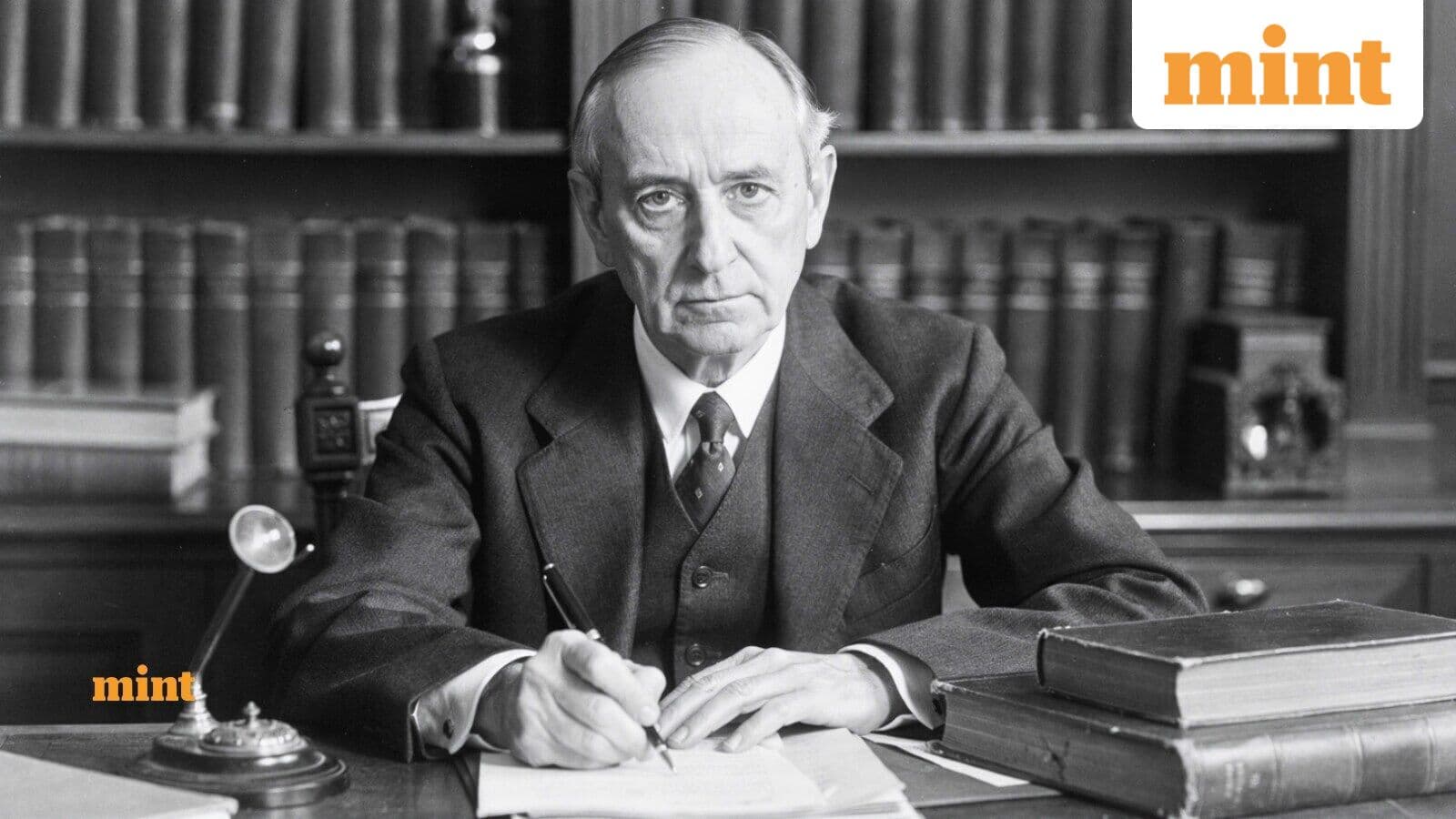
"The whole problem with the world is that fools and fanatics are always so certain of themselves, and wiser people so full of doubts." — Bertrand RussellThis is not a cynical observation from a bitter man. It comes from one of the 20th century's greatest mathematical minds. Russell spent decades carefully thinking about knowledge, certainty, and human reasoning. He earned the right to say this. And he meant every word of it.The quote sets up a painful paradox. The people most confident in their views are often least qualified to hold them. The people most qualified to lead are often paralysed by their own uncertainty. The world, as a result, is repeatedly handed to the wrong people.People also askAI powered insights from this story•5 QUESTIONSBertrand Russell's quote highlights the paradox where overly certain individuals (fools and fanatics) are often unqualified, while wiser, more doubtful people are hesitant to act. This dynamic can lead to the wrong people taking charge due to their unshakeable confidence.The quote suggests that certainty and correctness are not the same. Ignorance can breed confidence, making it easier for less knowledgeable people to be certain. Conversely, understanding complexity leads to doubt, causing wiser individuals to question their views and hesitate.Unwavering certainty is seen as dangerous because it often belongs to those who are least qualified to hold strong opinions. This absolute confidence can attract followers and lead to decisive action, but it is not indicative of being right, as it can stem from ignorance rather than knowledge.Individuals can apply Russell's insights by treating their own certainty as a warning sign, questioning their positions when they stop challenging them. They should also be suspicious of absolute confidence in others, especially leaders, recognizing it as a potential character flaw.Shah Rukh Khan's quote suggests that confusion is not a negative state but a necessary pathway to achieving clarity. Embracing confusion allows for cognitive flexibility, challenges existing biases, and motivates the search for genuine understanding, rather than demanding immediate certainty.Certainty feels like strength. It looks like strength from the outside, too. A person who never wavers attracts followers. A person who constantly qualifies their views loses the room. This is one of democracy's oldest and most dangerous vulnerabilities.But certainty and correctness are not the same thing. A fool can be completely certain and completely wrong at the same time. In fact, the less a person understands about something, the easier it is to reach certainty. Complexity produces doubt. Ignorance produces confidence. Russell is naming that inversion directly.The wiser person sees more angles. They understand how much they do not know. They hold their views carefully, always leaving room for revision. That intellectual honesty is genuinely admirable.It is also, Russell admits, a practical problem. It keeps thoughtful people hesitant precisely when the world needs them most.The fanatic has no such hesitation. They act. They recruit. They dominate conversations and then elections. Not because they are right, but because they are loud and completely unbothered by doubt.Where It Comes FromBertrand Russell was a British philosopher, logician and social critic. He won the Nobel Prize in Literature in 1950. He wrote across mathematics, ethics, education and politics over a career spanning seven decades. He was never afraid of an argument and never short of intellectual opponents.He lived through two World Wars. He watched fascism rise on the certainty of demagogues. He watched ordinary, reasonable people stand aside while fanatics seized control of nations.The quote is not a philosophical abstraction. It is a direct observation from someone who watched certainty cause catastrophic damage in real time.Russell was himself a deeply uncertain thinker in the best sense. He changed his views many times

Pete Cashmore'e philosophy emphasizes that great companies are not built on ideas alone, they are built through organized and effective execution.Pete Cashmore believes that vision creates possibilities, but execution creates success.(Facebook @Pete Cashmore)Pete Cashmore, founder and former CEO of Mashable, believes that effective execution is crucial for entrepreneurial success. Pete Cashmore’s quote suggests that ideas are just the beginning, it's the step that follow that determine the fortune.Quote of the day by Pete Cashmore on entrepreneurial success: “Execution really shapes whether your company takes off or not.”What does this quote mean?This quote by Pete Cashmore highlights one of the most important truths in entrepreneurship and business success. Many people have brilliant ideas, creative visions and ambitious dreams, but only a few succeed. What it takes to turn ideas into fortune is the ability to take action, solve problems, and consistently work toward goals. Without these elements, even the most promising idea can fail.How does this quote make sense in today's world?Emphasizing the role of execution in today’s competitive world, Pete Cashmore asserted that business becomes successful only when that idea is properly implemented. The difference often lies not in the idea itself, but in execution — the ability to take action, solve problems, and consistently work toward goals.Thousands of people dream about launching startups, creating innovative products, or building successful companies. However, having a good idea alone is never enough as execution involves planning, discipline, teamwork, decision-making, adaptability and persistence.Tracing Pete Cashmore’s journey with MashablePete Cashmore’s own journey reflects this principle. As the founder of Mashable, he transformed a simple one-man blog into one of the world’s leading digital media platforms. Featured in Inc's “30 Under 30” media list, Cashmore founded Mashable in his parents' home near Aberdeen, Scotland, in 2005 when he was 19.From creating content consistently, understanding audience needs and adapting to digital trends to building a strong brand over time, Pete Cashmore did it all, reflecting the power of optimal execution.Several institutions recognised his rise to the top with Forbes list him in “Top 25 Web Celebs” list and The Huffington Post recognising him among “Top 10 Game Changers 2009”. He was also selected Young Global Leader in 2011 by World Economic Forum. He even made it to Time magazine's list of the 100 most influential people. In 2017, Mashable was sold to prominent digital media and internet company Ziff Davis for $50 million dollars.Top inspiring quotes by Pete Cashmore“The talent that has to be learned is finding out what someone's passion is and setting them up to realize that. You don't get the best work from people if you're guiding them versus them guiding themselves.”“You just want to be judged against everyone fairly.”“I don't have a TV or watch movies. I don't like to be broadcast to, I want to participate.”“A lot of people start out with an exciting thing and they want to take over the world, but really the people who do take over the world have a good plan of how to get there and the steps along the way.”“We are really competing against ourselves, we have no control over how other people perform.”Get Latest real-time updatesStay updated with the latest Trending, India , World and US news. HomeNewsUs NewsQuote of the day by Pete Cashmore on entrepreneurial success: ‘Execution really shapes whether your company….’More

Shah Rukh Khan's quote takes the pressure off the constant need to ‘have it all figured out’ and reframes uncertainty as a necessary tool for growth.Bollywood actor and producer Shah Rukh Khan (PTI)“It’s okay to be confused. Confusion is the route to all the clarity in the world.” — Shah Rukh KhanLiveMint's quote of the day by Shah Rukh Khan, known as the “King of Bollywood”, is one of his most grounded and philosophical observations. It takes the pressure off the constant need to "have it all figured out" and reframes uncertainty as a necessary tool for growth.What does the quote mean?At its core, the quote advocates for cognitive flexibility and self-compassion. Rather than viewing confusion as a weakness or a dead end, SRK frames it as a highly productive transitional state.Permission to be vulnerable: Society often demands immediate certainty and decisive action. Admitting "I don't know" takes courage. The quote validates the discomfort of not having an immediate answer.Antidote to arrogance: Absolute certainty can breed rigid thinking and closed-mindedness. When you are confused, your mind remains open. You are forced to ask questions, challenge your existing biases, and weigh alternative perspectives.Catalyst, not a destination: By calling confusion a "route," Khan emphasises that it is a pathway to travel through, not a permanent residence. The friction of feeling lost is exactly what motivates the search for genuine, unshakeable clarity.How is it relevant today?In our current hyper-accelerated world, this philosophy is arguably more urgent now than it was in 2015.Navigating information overload: We are constantly bombarded with conflicting data, hot takes, algorithmic echo chambers, and endless choices. Feeling overwhelmed or confused by the sheer volume of inputs is a natural cognitive response. Embracing that confusion allows you to step back, filter out the noise, and synthesise facts logically rather than making impulsive decisions.Debunking the "perfectly curated life": Social media creates the toxic illusion that everyone else has a flawless, linear blueprint for their careers and relationships. SRK’s words serve as a reality check: true innovation, career pivots, and personal growth are inherently messy. The trial-and-error phase isn't a glitch in the system; it is the system.Agility in an unpredictable landscape: Industries, technologies, and market frameworks are evolving at breakneck speeds. Fixed, rigid 10-year plans often shatter when the landscape shifts. Being comfortable with a state of temporary confusion allows for greater agility. It grants you the breathing room to pivot, learn new skills, and find clarity adapted to current realities rather than outdated assumptions.When and where did SRK say this?Shah Rukh Khan delivered this quote during a public lecture upon receiving an honorary doctorate, Doctor Honoris Causa, from the University of Edinburgh on 15 October 2015.While delivering an address titled "Life Lessons," the superstar brilliantly mapped his core life philosophies to the plots of his classic movies. When discussing his 1994 film Kabhi Haan Kabhi Naa, in which he played a deeply flawed, uncertain, and confused protagonist, he urged the audience of students not to panic when faced with uncertainty.His expanded remark was: “It’s okay to be confused. Confusion is the route to all the clarity in the world. Don't worry about it too much and don't ever take yourself seriously enough to be so clear about your own ideas that you stop respecting other people's.”More popular quotes from Shah Rukh Khan“Don’t become a philosopher before you become rich.”“There is only one religion in the world—hard work.”“Whenever you feel like giving up, remember why you held on for so long in the first place.”“If you want to become something, achieve something in life, then always listen to your heart.”“I truly believe that my job is to make people smile.”“Being a star doesn’t mean you’re above everyone; it means yo

Quote of the day: “Your success and happiness lie in you. External conditions are the accidents of life, its outer trappings" — Helen KellerThis powerful statement by Helen Keller highlights a simple but profound idea: true happiness and success are not determined by external circumstances, but by what lies within a person. According to her, factors like wealth, social status, environment, opportunities, or even luck are only surface-level aspects of life. They may change with time and situation, but they do not define a person’s true sense of fulfilment.Keller refers to external conditions as “accidents of life” and “outer trappings,” meaning they are temporary, unpredictable, and often beyond our control. People may find themselves born into privilege or hardship, but neither guarantees happiness or success. Instead, what truly matters is how a person thinks, feels, and responds to life’s situations.What does Hellen Keller's quote mean?At the heart of the quote is the idea of inner strength. Keller is encouraging individuals to look inward for validation rather than relying on outside approval or material success. Happiness, she suggests, is a state of mind shaped by attitude, resilience, and emotional balance. A person who cultivates optimism, gratitude, and determination can remain fulfilled even in difficult circumstances.The quote also emphasises personal responsibility. Instead of blaming external factors for dissatisfaction, Keller urges individuals to take control of their mindset and actions. Life may present challenges, but how one responds to those challenges determines the outcome. For example, two people facing the same setback may react differently—one may feel defeated, while the other may view it as an opportunity to grow.In modern terms, her message aligns with the concept of emotional intelligence and mental resilience. Success is not just about achievements visible to others, but also about inner peace, self-awareness, and the ability to stay grounded despite external pressures.The quote serves as a reminder that lasting happiness cannot be bought or externally assigned. It must be developed from within through self-belief, discipline, and a strong sense of purpose.Who was Helen Keller?Helen Keller was an extraordinary American author, activist, and lecturer who became a global symbol of courage and perseverance. Born on 27 June, 1880 in Alabama, USA, she lost her sight and hearing at just 19 months old due to an illness. Despite these severe challenges, she went on to achieve remarkable milestones that continue to inspire people around the world.Her life changed dramatically when she met her teacher and lifelong companion Anne Sullivan. Through Sullivan’s guidance, Keller learned to communicate using touch-based sign language, braille, and later speech techniques. This breakthrough opened the door to education and independence for her.Keller made history by becoming the first deaf-blind person to earn a Bachelor of Arts degree, graduating from Radcliffe College in 1904. She later became a prolific writer, producing several books, essays, and lectures. Her autobiography, The Story of My Life, remains one of her most celebrated works and is widely studied for its insight into resilience and human determination.Beyond her literary achievements, Helen Keller dedicated her life to advocacy. She campaigned for the rights of people with disabilities, women’s suffrage, labor rights, and social equality. She travelled extensively across countries, delivering speeches and encouraging societies to improve conditions for marginalised communities.Her life story stands as a powerful example of overcoming adversity. Despite being deprived of two major senses, she built a meaningful and influential life, proving that physical limitations do not define human potential.Helen Keller’s legacy continues to resonate today. Her words and actions remind us that strength, happiness, and success are cultivated from within, and that

Immanuel Kant, born in Königsberg, Prussia, in 1724, became one of the most influential philosophers of the Enlightenment. He spent most of his life in Königsberg, teaching and writing on reason, ethics, human freedom, knowledge, judgement, and political order. His major works include Critique of Pure Reason, Critique of Practical Reason, and Critique of Judgment, which shaped modern philosophy and later debates on morality, law, autonomy, and human progress.“Out of the crooked timber of humanity, no straight thing was ever made.”— Immanuel KantThis quote comes from Kant’s 1784 essay Idea for a Universal History with a Cosmopolitan Purpose. A more literal translation is: “Out of timber as crooked as that from which man is made, nothing entirely straight can be built.”Meaning of the QuoteKant’s quote is a realistic warning about human imperfection. In business, it means leaders should not design strategies, cultures, or systems assuming people will always behave rationally, consistently, or selflessly. Employees get tired. Customers misunderstand. Managers protect turf. Teams resist change. Incentives distort behaviour. That is the “crooked timber” every organisation must work with.The quote is not a cynical rejection of progress. It is a reminder that progress must be built with realistic expectations. A leader who expects perfect alignment, perfect discipline, or perfect judgement will be disappointed. A better leader builds systems that anticipate human limits: clear ownership, transparent incentives, checks and balances, feedback loops, training, and accountability.For business leadership, the key lesson is this: do not try to force people into an artificial ideal. Design work around how people actually behave, then help them behave better. Strong organisations do not depend on perfect humans; they depend on thoughtful systems that make better behaviour easier.Why This Quote ResonatesKant’s quote resonates strongly today because companies are trying to manage disruption while human energy is under pressure. Gallup’s State of the Global Workplace 2026 found that only 20% of employees worldwide were engaged in 2025, the lowest level since 2020, with low engagement estimated to cost the world economy about $10 trillion in lost productivity.At the same time, AI and automation are forcing companies to redesign work. The World Economic Forum’s Future of Jobs Report 2025 says employers expect 39% of workers’ core skills to change by 2030, while leadership, social influence, talent management, analytical thinking, and resilience remain critical capabilities.A concrete example is AI adoption. A company cannot simply introduce AI tools and assume teams will use them wisely. People may overtrust outputs, avoid them out of fear, use them inconsistently, or bypass verification. Kant’s quote reminds leaders that technology strategy must include human behaviour: training, governance, validation, incentives, and clear decision rights.“Sapere aude! Have courage to use your own understanding.”— Immanuel KantKant used this line in his 1784 essay What Is Enlightenment?, where he described enlightenment as humanity’s emergence from self-imposed immaturity and urged people to use their own reason without blindly depending on another’s guidance.Together, both quotes create a balanced leadership lesson. “Crooked timber” reminds us that human beings are imperfect. “Sapere aude” reminds us that they are also capable of reason, courage, and growth. The first quote prevents naïve idealism; the second prevents defeatism.In business terms, leaders should neither romanticise people nor give up on them. They should build realistic systems while still challenging teams to think independently, take responsibility, and improve judgement.How You Can Implement ThisDesign for human error: Add checklists, peer reviews, approval gates, and automated alerts for high-risk work instead of assuming people will remember every step.Align incentives with values: If you
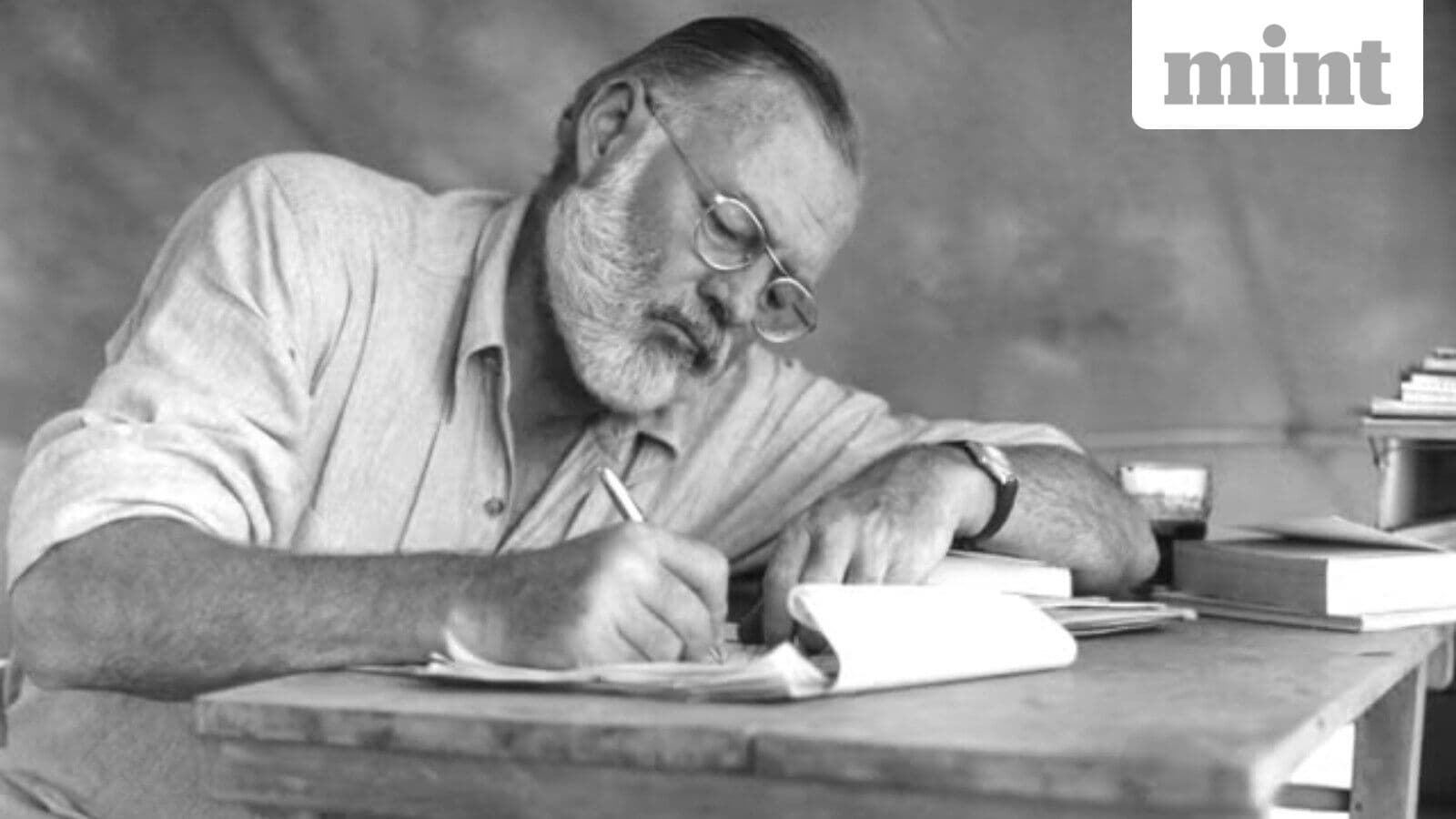
Ernest Hemingway’s enduring reflection on hardship and recovery is drawing fresh attention, with readers finding renewed meaning in its message of resilience through adversity.How a decades-old Ernest Hemingway quote on human resilience can strike a chord whenever people reflect on how hardship can shape strength.A powerful line from celebrated American writer Ernest Hemingway is gaining renewed attention for its stark message about suffering, endurance and recovery, as readers continue to draw lessons from literature in times of uncertainty.“The world breaks everyone, and afterward, some are strong at the broken places.”-- Ernest HemingwayThe quote, widely attributed to Hemingway and taken from his 1929 novel A Farewell to Arms, has long been regarded as one of literature’s clearest expressions of resilience. Its message is simple but uncompromising: hardship is universal, but what follows adversity often defines the course of a person’s life.Meaning of the quoteAt its core, the line speaks to the inevitability of pain. Hemingway suggests that life, through loss, disappointment, grief or struggle, affects everyone without exception. Yet the second part of the statement shifts the focus from suffering itself to what comes after it. The idea that “some are strong at the broken places” reflects a belief that damage does not necessarily result in defeat. In many cases, it becomes the point from which people rebuild.The quote continues to resonate because of its relevance across generations and circumstances. In recent years, as communities worldwide have faced public health crises, economic pressure, conflict and personal upheaval, the words have taken on fresh significance.Relevance of the quoteIts relevance also lies in its realism. Unlike many expressions of encouragement that offer simple optimism, Hemingway’s words do not minimise pain or suggest that resilience is easy to achieve. Instead, the statement acknowledges that people are often changed by hardship. Strength, in this context, is not about avoiding damage but about adapting to it.Psychologists and resilience researchers have often pointed to similar ideas when discussing post-traumatic growth — the concept that some individuals emerge from severe challenges with a deeper sense of purpose, stronger relationships or greater emotional resilience. Hemingway’s phrasing captures that idea in plain, direct language.The quote is frequently paired with another line often associated with the Japanese art of kintsugi, the practice of repairing broken pottery with gold.“The wound is the place where the Light enters you.” The line, attributed to Persian poet Jalal ad-Din Rumi, carries a related message — that fracture and repair can become sources of transformation.Together, the two quotes offer a broader reflection on human endurance. While Hemingway emphasises toughness forged through damage, Rumi points to growth through vulnerability.Literary scholars note that Hemingway’s own life was marked by war, injury, personal loss and emotional struggle, themes that deeply informed his writing. His sparse prose often dealt directly with suffering, courage and survival.Nearly a century after A Farewell to Arms was published, the quote continues to circulate widely in books, classrooms and online discussions. Its staying power lies in its clarity and honesty: hardship may leave its mark, but for many, those marks become evidence not simply of pain endured, but of strength built in its aftermath.About the AuthorTrisha BhattacharyaTrisha Bhattacharya is a Senior Content Producer at Livemint, with over two years of experience covering entertainment news from India and beyond. She spends her days tracking what’s trending, breaking down pop culture moments, and turning fast-moving entertainment stories into sharp, engaging reads that actually make people want to click — and stay. She holds a Master’s degree in English Literature from Lucknow University, a background that shapes her lov
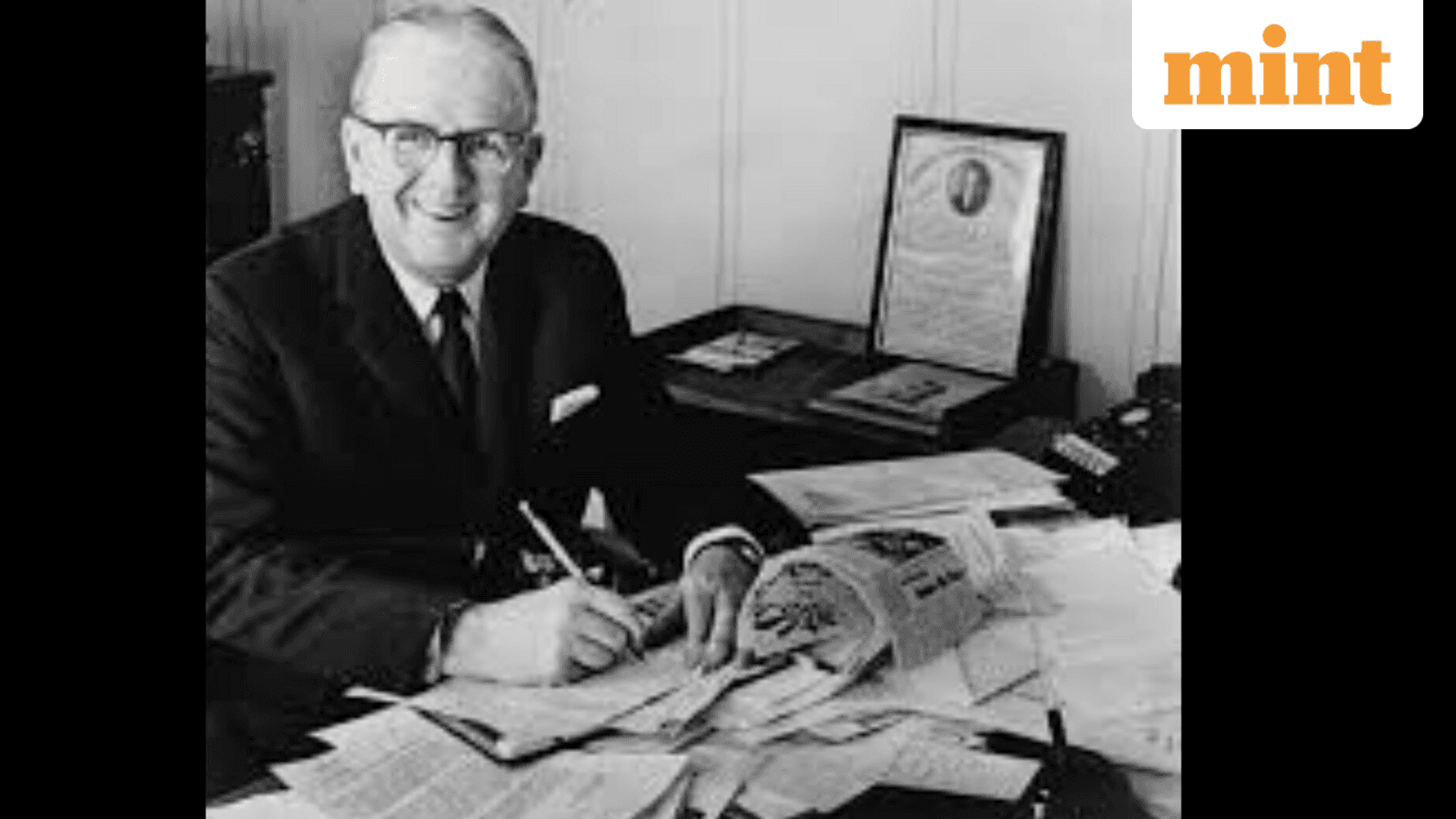
Norman Vincent Peale believed positive thinking helps people overcome adversity and focus on solutions instead of setbacks. His quote reminds us that optimism is not ignoring problems, but choosing resilience, hope and growth even during life’s most difficult moments.Quote of the day by Norman Vincent PealeMotivational speakers like Norman Vincent Peale do more than inspire audiences; they remind people that even during life’s darkest moments, hope and determination can become powerful tools for change.Quote of the day by Norman Vincent Peale"A positive thinker does not refuse to recognize the negative; he refuses to dwell on it. Positive thinking is a form of thought which habitually looks for the best results from the worst conditions."What does the quote mean?Peale's quote reminds us of the importance of positive thinking and the overall impact it can have on our lives. Peale is not asking people to ignore reality or pretend that problems don't exist. Instead, he talks about the importance of perspective. One must remember that life is full of setbacks, challenges, and moments of uncertainty. Every person, no matter how successful or strong they are, encounters challenging situations that test their patience, confidence, and hope. What separates successful people is often not the hardship itself, but how they choose to respond to it.Peale reminds us that positive thinking is not blind optimism. A truly positive thinker understands the gravity of challenges and acknowledges pain, fear, or failure when they arise. However, instead of becoming consumed by negativity, they choose to focus on possibilities, solutions, and opportunities for growth. They refuse to let difficult circumstances define their entire outlook on life.One must remember that a positive mindset does not magically erase problems, but it shifts our attention to focusing on how to overcome a problem. A positive thinker learns lessons from failure, finds strength during adversity, and continues moving forward despite setbacks. They understand that every challenge carries the possibility of transformation and that hope can exist even in the hardest situations.Why does the quote resonate?The quote resonates strongly today, since we live in a fast-paced world that is increasingly reliant on social media, where everyone only highlights or shares their success stories. This can easily lead to feeling overwhelmed by stress, criticism, and uncertainty, which can eventually pave the way for negative thoughts to take control, making even small obstacles feel impossible to overcome. However, it is worth remembering that positive thinking helps train the mind to look for light even in dark moments. It encourages resilience, patience, and the belief that difficult times are temporary.How to implement this?Here's how you can implement this in your daily life:Acknowledge problems honestly, but avoid overthinking them.2. Replace negative self-talk with constructive and encouraging thoughts.3. Focus on solutions instead of wasting energy on blame or regret.4. Practice gratitude daily to shift attention towards positive experiences.5. Surround yourself with optimistic and supportive people.6. Treat every setback as a lesson that can help you grow stronger.Who was Norman Vincent Peale?Born on May 31, 1898, in the Ohio hamlet of Bowersville, Peale was the son of a physician-turned-Methodist minister. He was a renowned American religious leader, author, and motivational speaker, best known for popularising the concept of positive thinking. He initially worked in journalism before entering the ministry. He studied at Ohio Wesleyan University and later earned degrees in theology and social ethics from Boston University.He grew up to become the author of 46 books, including the inspirational bestseller of all time, The Power of Positive Thinking. He was also a motivational speaker on countless platforms, the co-publisher of the world's leading inspirational magazine, Guideposts, and,
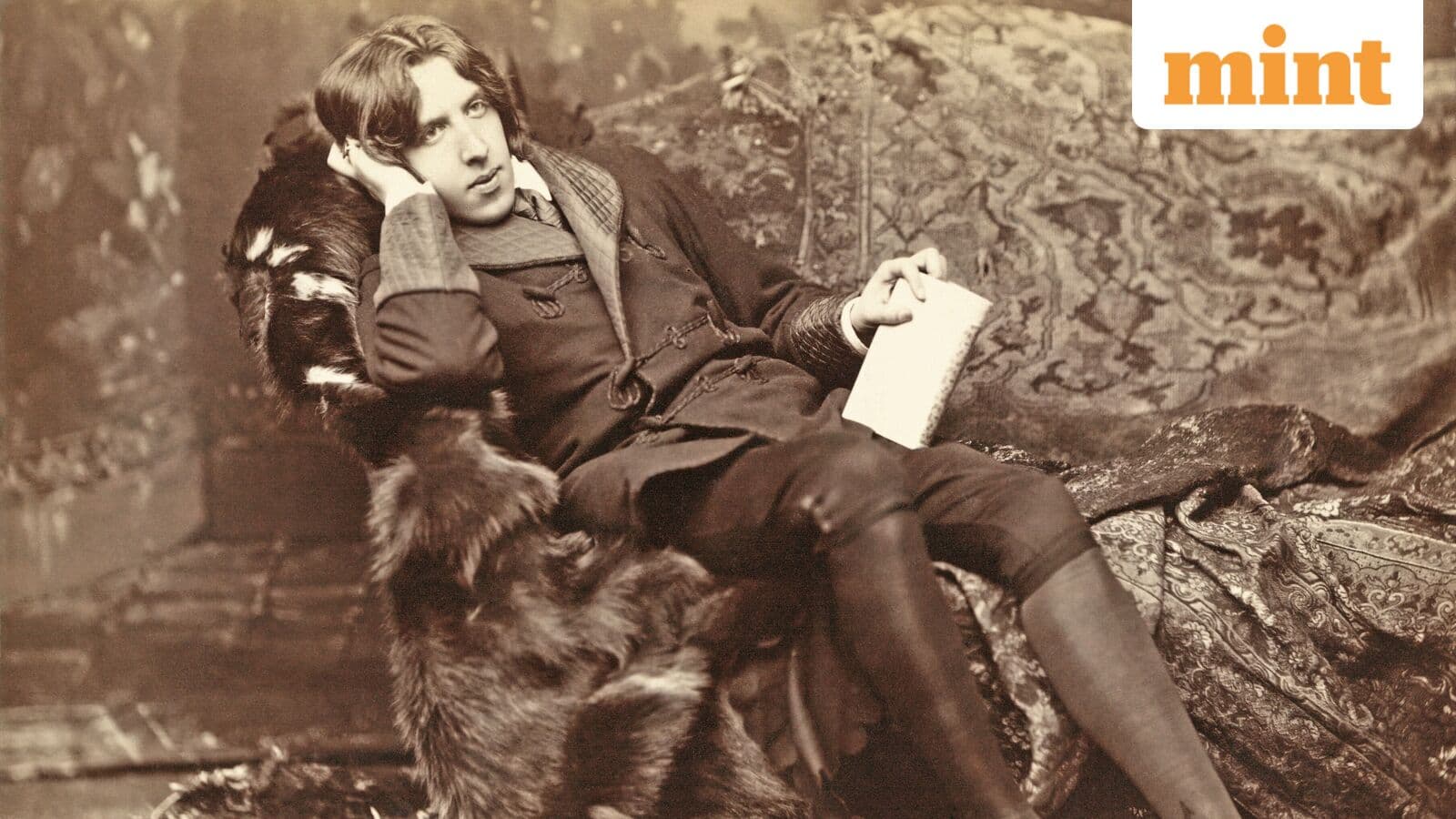
Oscar Wilde, born in Dublin in 1854, became one of the defining literary voices of the Victorian era through his wit, flamboyant personality, and sharp social commentary. After studying at Trinity College Dublin and later at the University of Oxford, Wilde built a reputation as a poet, essayist, novelist, lecturer, and playwright closely associated with the Aesthetic movement. His major works, The Picture of Dorian Gray, Lady Windermere’s Fan, An Ideal Husband and The Importance of Being Earnest, remain celebrated for their humour and insight into society. Wilde’s career soared through literary brilliance and public fame before his 1895 trials and imprisonment dramatically reshaped both his life and legacy.“To love oneself is the beginning of a lifelong romance.”— Oscar WildeThe line appears in Wilde’s 1895 play An Ideal Husband, spoken by the character Lord Goring. Though delivered with Wilde’s trademark irony, the quote has endured because it captures a deeper truth about self-worth, confidence, and identity.People also askAI powered insights from this story•5 QUESTIONSOscar Wilde's quote means that self-acceptance and understanding your own worth are fundamental. It's about building self-worth and confidence, rather than seeking external validation or operating from insecurity.Professionals with self-respect tend to handle criticism better, set boundaries, and make decisions without constant need for approval. This grounded confidence makes them more effective leaders who can delegate, admit mistakes, and remain calm under pressure.In a workplace facing uncertainty and AI disruption, self-worth becomes a strategic advantage. Understanding your value allows professionals to learn without shame, ask for help without fear, and adapt to change without losing confidence.Implementation involves clearly defining professional value, setting healthy boundaries, separating feedback from personal identity, trusting your skills, creating a self-review habit, and supporting others without compromising your own standards.Confucius's quote suggests that true knowledge involves recognizing the limits of your own understanding. It means knowing what you know and, crucially, what you don't know, which prompts seeking more information or advice.At first glance, Wilde’s quote can sound like a playful defence of vanity. But beneath the wit lies a powerful idea about self-acceptance. In professional life, loving oneself does not mean arrogance or self-obsession. It means understanding your own worth well enough not to operate from insecurity, comparison, or constant dependence on external approval.That distinction matters deeply in leadership and business. Professionals who lack self-respect often over-explain their decisions, avoid difficult conversations, or tolerate unhealthy behaviour to keep others comfortable. By contrast, people with grounded confidence are usually better at handling criticism, setting boundaries, and making decisions without needing validation from every room.In practical terms, self-worth becomes a strategic advantage. Secure leaders are more likely to delegate effectively, admit mistakes honestly, and listen without feeling threatened. Teams rarely benefit from leaders driven by ego. They benefit from leaders who are confident enough to remain calm, clear, and emotionally balanced under pressure.Why this quote resonates todayWilde’s words feel especially relevant in today’s workplace, where professionals are navigating uncertainty, AI disruption, and blurred work-life boundaries. The American Psychological Association reported in its 2025 Work in America survey that job insecurity significantly affected the stress levels of more than half of U.S. workers.At the same time, AI has added a fresh layer of anxiety. According to the 2026 Work Trend Index by Microsoft WorkLab, employees increasingly fear job displacement while also feeling pressure to adapt quickly to evolving technology. Yet the report also highlights someth



Discussion (0)