
Loading dispatches...
← Return to Newsroomgeneral
Reasonable to deny police clearance to man acquitted in 26/11 case over public safety, national security: HC
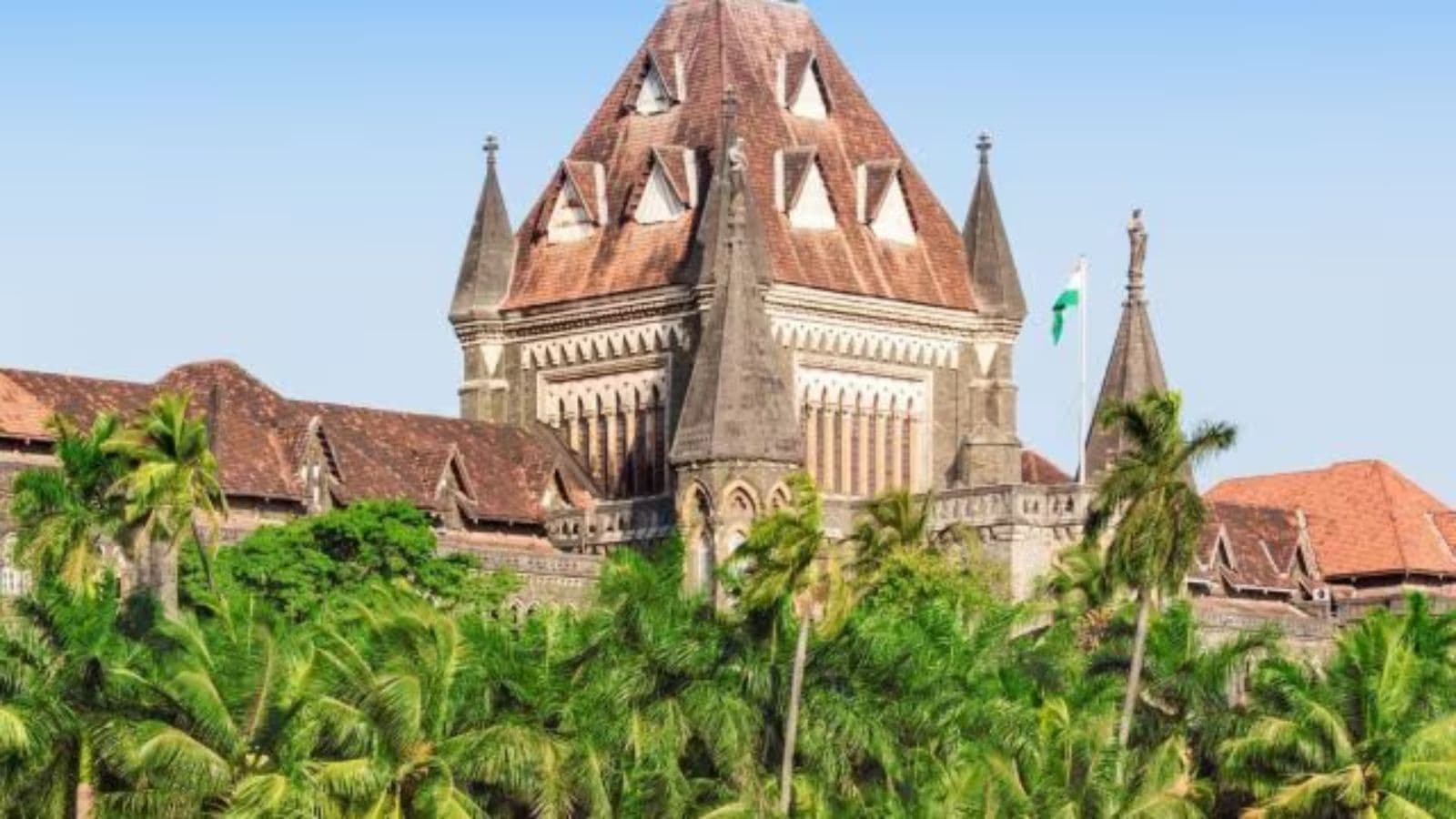
The report “prima facie” opined that “the possibility of the Petitioner indulging in the same or in similar activity cannot be ruled out”. Dismissing a plea by Fahim Arshad Mohammad Yusuf Ansari, who was acquitted in the 26/11 Mumbai terror attack case, for a police clearance certificate (PCC) to drive an auto-rickshaw, the Bombay High Court has observed that authorities had reasonably denied it “in larger public interest” considering his earlier criminal antecedents. The High Court’s detailed judgement, which was passed on Wednesday, was made available on Thursday and observed that the denial in the present case was a reasonable restriction on the right to livelihood.The bench relied on the intelligence report, which considered the nature of allegations against Ansari and cases in which he was involved, including an attack on CRPF officials with a grenade, alleged connections with LeT (Lashkar-e-Taiba) and role assigned to him in the 2008 Mumbai attacks. The report “prima facie” opined that “the possibility of the Petitioner indulging in the same or in similar activity cannot be ruled out”. Noting that Ansari’s employment avenues “stand curtailed” to exclude certain jobs, the HC held, “We find no reason to differ with the opinion of the Government Authorities nor can any fault be found with it. According to us, prospects of employment of the Petitioner are only restricted in the backdrop of the criminal antecedents in a reasonable manner and in the larger interest of public safety and national security.” Ansari, who was acquitted by a special court in 2010, had told the high court that his PCC application was denied in an arbitrary manner, stating that he had alleged links to the terrorist group Lashkar-e-Taiba (LeT). The HC held the authorities had “rightly refused” the PCC for the Public Service Vehicle (PSV) badge for commercially driving the auto considering “question of security.”Story continues below this ad The bench noted that while considering issuance of PCC to a person seeking recruitment in government services, it was mandated to give an adverse remark in the verification report for applicants having a serious criminal background or prior convictions. Therefore, the bench said Ansari was “free to avail alternate employment”. A bench of Justices Ajey S Gadkari and Ranjitsinha R Bhonsale observed, “The restriction on the employment of the Petitioner or right to earn livelihood or carry out business and trade, according to us, is a reasonable restriction. The said restriction is being imposed by the Authorities after considering the record, the antecedents and, more importantly, in the larger interest of the general public and society.” The bench added that it was “not a case that Ansari was left with no alternative or does not have any other option to earn a livelihood”, therefore, the authorities were right in restricting the concerned employment opportunity to the petitioner.Story continues below this ad The bench observed that the verification process was conducted as per guidelines and “after following the required diligence” and the petitioner’s criminal history was checked. Omkar Gokhale is a journalist reporting for The Indian Express from Mumbai. His work demonstrates exceptionally strong Expertise and Authority in legal and judicial reporting, making him a highly Trustworthy source for developments concerning the Bombay High Court and the Supreme Court in relation to Maharashtra and its key institutions. Expertise & Authority Affiliation: Reports for The Indian Express, a national newspaper known for its rigorous journalistic standards, lending significant Trustworthiness to his legal coverage. Core Authority & Specialization: Omkar Gokhale's work is almost exclusively dedicated to the complex field of legal affairs and jurisprudence, specializing in: Bombay High Court Coverage: He provides detailed, real-time reports on the orders, observations, and decisions


Discussion (0)