
Loading dispatches...
← Return to NewsroomPolitics
Raigad: 3,000 HPCL gas cylinders swept away into Patalganga river amid heavy floods; admin issues high alert

In this screengrab from a video received on July 9, 2026, Gas cylinders float in the floodwaters of the Patalganga River after being swept away from the HPCL bottling plant following heavy rain, in Raigad district, Maharashtra. | Monsoon tracker: Follow LIVE updates, major developments on July 9, 2026The incident occurred at the Hindustan Petroleum Corporation Limited (HPCL) bottling plant located in Chavane, Panvel taluka. As the Patalganga River swelled due to incessant rains in the Khalapur taluka, the strong currents washed away a massive stock of both filled and empty cylinders into the water.Khalapur Police Inspector (PI) Abhijit Bhujbal confirmed the incident, following which the district administration issued an urgent appeal to the public to exercise extreme caution.Raigad District Collector Kishan Jawale has issued a serious warning to residents living along the riverbanks. “If any gas cylinder is spotted in the river or along its banks, do not touch it under any circumstances, nor should any attempt be made to move it or take it home,” the Collector stated.The administration highlighted the high risk involved, noting that it is impossible to determine the technical condition or the gas content of the cylinders washed away in the flood. Officials warned that any tampering could lead to a catastrophic gas leak or an explosion, potentially resulting in heavy loss of life and property.“Currently, a search operation for the missing cylinders is being carried out by the administration, the Disaster Management Department, and the concerned company,” the administration said.Citizens have been urged to maintain a safe distance and immediately report any sightings of suspicious cylinders to the local police or the Disaster Management Department. The search teams are currently monitoring the course of the Patalganga River to recover the missing stock and prevent any untoward incidents. Published - July 09, 2026 02:24 pm IST
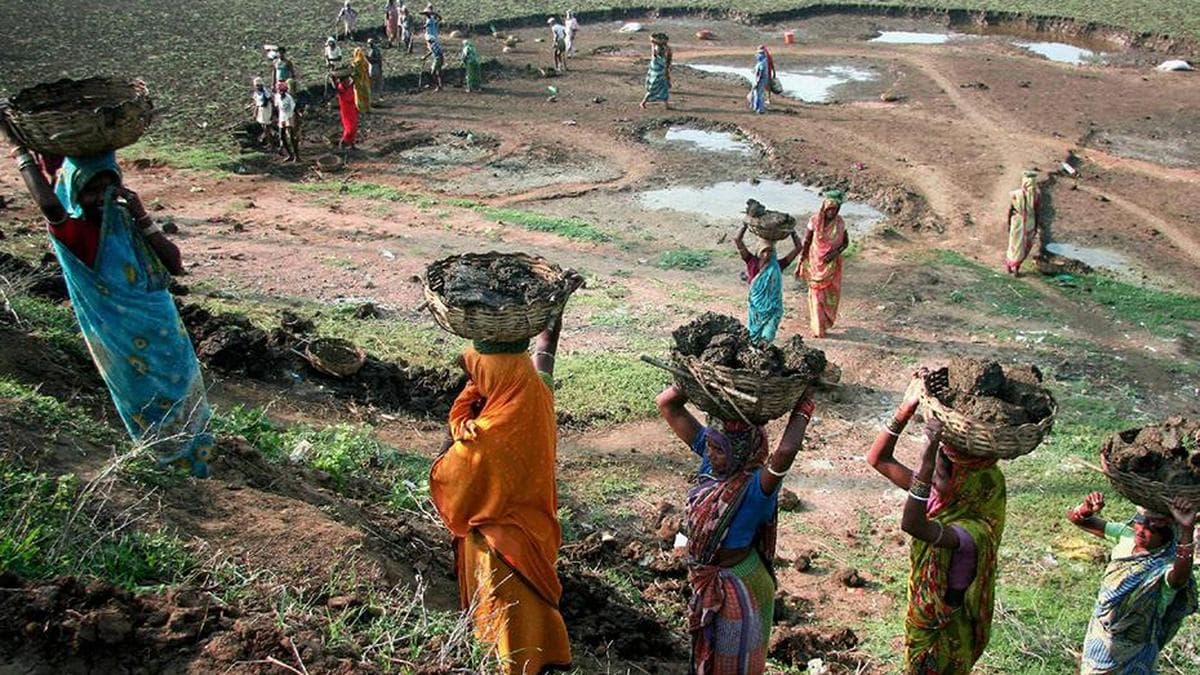
Village women work under MGNREGA scheme at Jagannath Prasad village in Ganjam district, Odisha. | The report points to a paradoxical trend where the number of registered households rose marginally, but fewer households and workers found employment, total workdays declined significantly, and fewer families completed the guaranteed 100 days of work. The report was released by the NREGA Sangharsh Morcha, a coalition of non-profit bodies working with MGNREGS workers, and was prepared by LibTech India, a consortium of academics and activists.LibTech estimates that the contraction resulted in an average income loss of ₹1,221 for each MGNREGS household during the financial year. Uncertain transitionThe Viksit Bharat - Guarantee for Rozgar and Ajeevika Mission (Gramin) Act 2025, which was passed in Parliament last December, is expected to come into force soon, replacing MGNREGS. The Union government has allocated only ₹30,000 crore for MGNREGS for the transitional period.This decline is deeply worrying, the NREGA Sangarsh Morcha said, especially since the new employment scheme was brought in with no public consultation. “The employment guarantee programmes play a critical role in rural livelihood security and any major restructuring of such programmes must involve meaningful consultation,” it said in a statement. The activists have urged the government to ensure that during the transition period, employment opportunities will continue to be provided unhindered.Fewer working daysThe number of registered households under the scheme increased by 3.2%, from 14.98 crore in 2024–25 to 15.46 crore in 2025–26. However, this did not translate into greater employment. The report notes that 44 lakh fewer households and 67 lakh fewer workers were employed compared to the previous year, representing declines of 8.2% and 9.1% respectively.The number of persondays of work generated under the programme fell sharply by 21.5%, from 268.44 crore in 2024–25 to 210.73 crore in 2025–26. Average persondays per household dropped by 14.5%, from 50.18 to 42.92. The impact of this decline is evident in the sharp fall in the number of households completing the full 100 days of guaranteed employment, which declined by 40.5%, from 0.37 crore to 0.22 crore.The contraction was geographically widespread. Fifteen out of 20 States recorded a fall in persondays during the year. West Bengal generated no persondays in either 2024–25 or 2025–26 and was excluded from the comparative analysis. Only four States registered an increase in persondays.Tamil Nadu recorded the steepest decline at 42.8%, followed by Haryana at 41.7%, Himachal Pradesh at 41%, and Telangana at 40.2%. Jharkhand saw the highest increase in persondays at 12.9%, followed by Jammu and Kashmir at 7.3% and Odisha at 6.7%. Madhya Pradesh registered a marginal increase of 0.5%. Lower incomeWage expenditure under the scheme declined sharply by almost ₹11,570 crore, from ₹67,835 crore in 2024–25 to ₹56,265 crore in 2025–26. This fall occurred despite an increase in the average daily wage from ₹252.7 to ₹267, as the reduction in persondays outweighed the effect of higher wages.LibTech estimates that if persondays had remained at 2024–25 levels, workers could have earned an additional ₹15,409 crore during the year. Average household income fell from ₹12,681 to ₹11,460. Had average persondays per household remained unchanged, average income would have been ₹13,398, implying a potential income loss of ₹1,938 per household. Published - May 08, 2026 09:51 pm IST
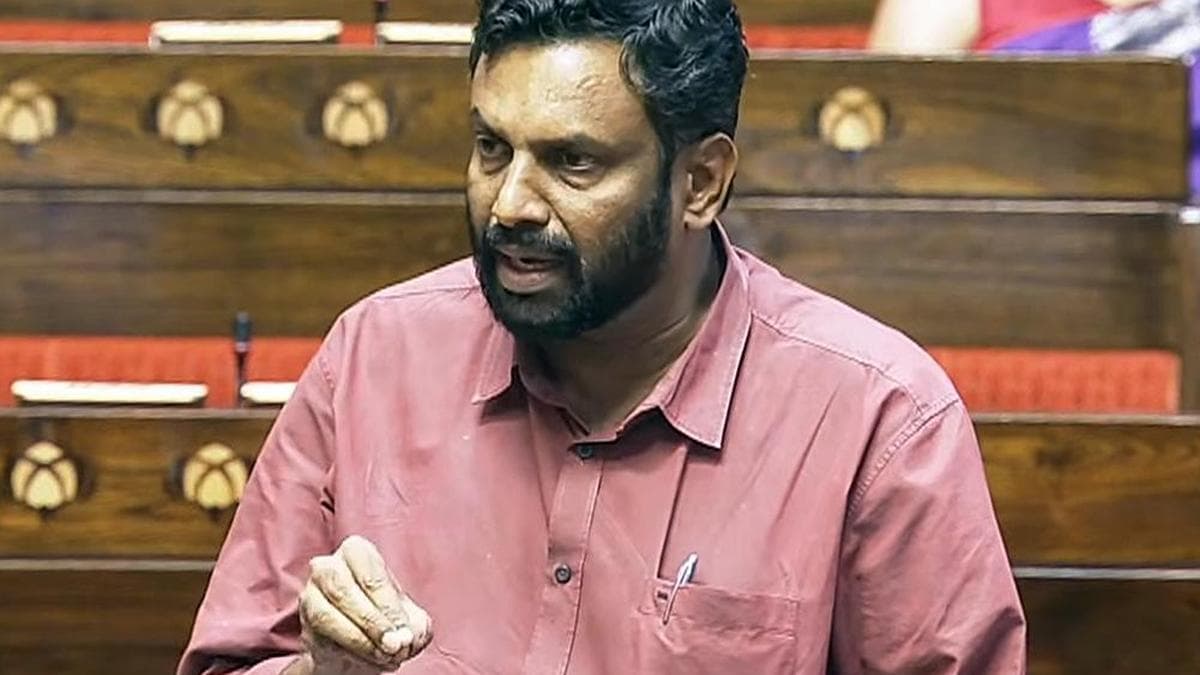
CPI Kerala MP P. Sandosh Kumar. File image: Sansad TV/ANI Video Grab :The steep hike in commercial LPG prices by ₹993 per cylinder is a direct consequence of Prime Minister Narendra Modi's ludicrous foreign policy, which has failed to secure India's national interests in a volatile global energy environment, P. Sandosh Kumar, MP, has said.In a statement issued on Friday, Mr. Kumar, who is the leader of the CPI in the Rajya Sabha, said that instead of ensuring stability in fuel supplies and prices, this approach had left the country exposed, and the burden was now being dumped on restaurants, dhabas, small eateries, hostels, PG accommodations and small establishments across the country. "The immediate fallout will be higher food costs and living expenses, hitting ordinary people the hardest," he said. Published - May 02, 2026 08:45 am IST


Discussion (0)