
Loading dispatches...
← Return to Newsroomgeneral
India’s civilisational mission: Converting rhetoric on Buddhism into economic reality
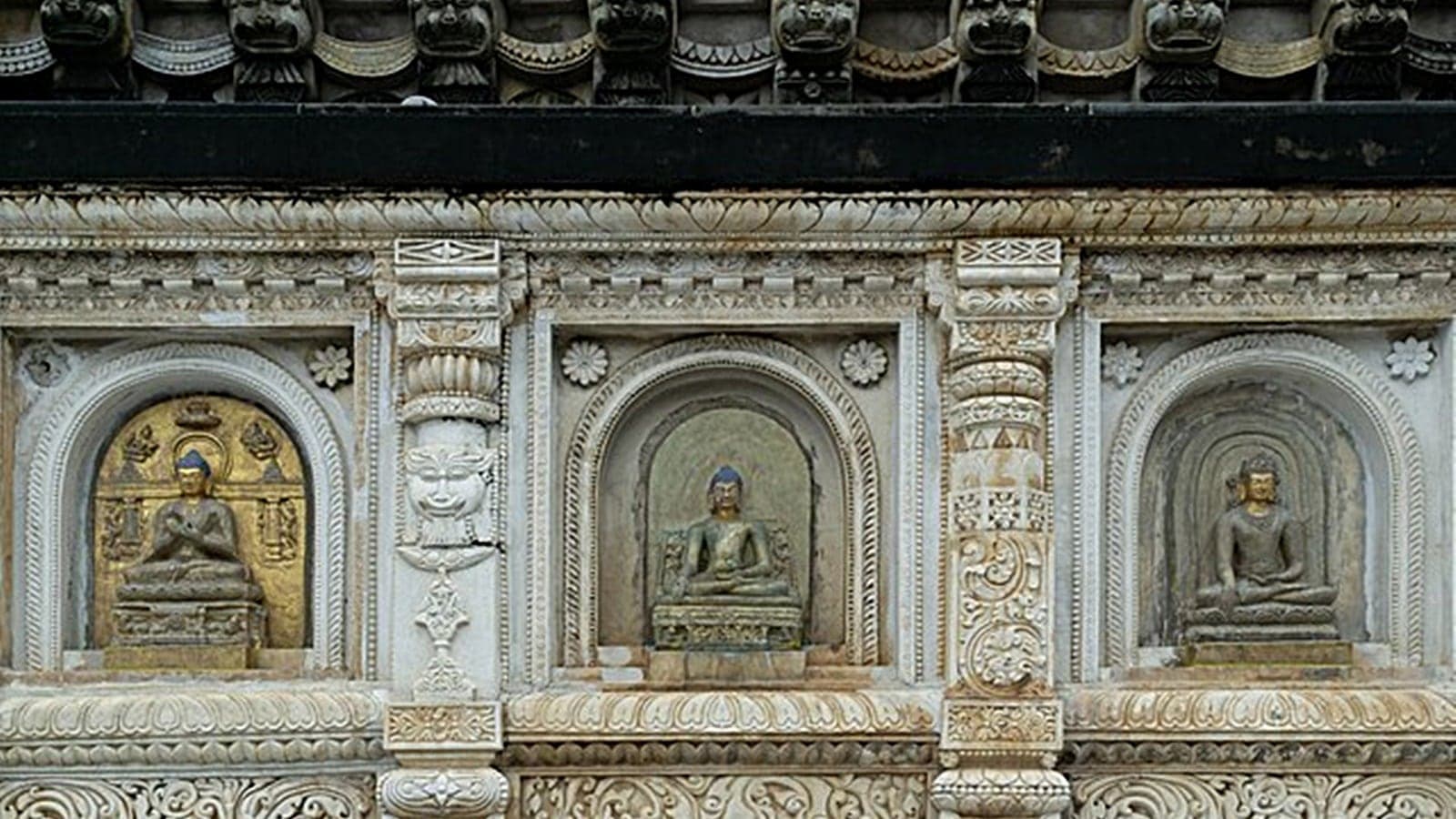
For a civilisation that holds Bodh Gaya, Sarnath and Kushinagar within its sacred geography, India still treats much of its Buddhist inheritance as a set of isolated stops rather than a single national mission On Buddha Purnima, India will once again invoke the Buddha as a teacher of compassion and peace. While that is fitting, it may not be sufficient. For a civilisation that holds Bodh Gaya, Sarnath and Kushinagar within its sacred geography, India still treats much of its Buddhist inheritance as a set of isolated stops rather than a single national mission. The Buddha was born in Lumbini, in present-day Nepal, but the defining arc of Buddhism, enlightenment at Bodh Gaya, the first sermon at Sarnath, mahaparinirvana at Kushinagar and the flowering of monastic learning at Nalanda, belongs decisively to the Indian landscape. If India wants to speak seriously of civilisational leadership, our Buddhist heritage must move from rhetoric to areas of concrete action. Buddhism is, at its philosophical core, a tradition that places direct experience above inherited doctrine. Take the Kalama Sutta’s injunction to test all teachings against personal reason and observation. When a pilgrim walks the ground where that teaching first rang, it represents an act of civilisational memory. India has the responsibility to honour that fully, not only for its cultural significance but for the economic opportunity. India recorded 99.5 lakh foreign tourists’ arrivals in 2024. The tourism ministry’s own data show that in 2023, the average foreign tourist spent about Rs 2.9 lakh in India, excluding international transport. Tourism supported an estimated 84.63 lakh jobs and accounted for 5.22 per cent of GDP. The ministry has also said Buddhist sites were drawing roughly 6 per cent of nationwide foreign tourist arrivals. Even if one treats that share as a broad yardstick rather than a fixed annual number, it points to a substantial base that India is still underserving. This is not niche tourism. It is a high-value spiritual market with room to grow.The source markets are not hypothetical. In 2024, India received 7.3 lakh tourists from just four Buddhist-linked Asian countries: Sri Lanka, Japan, Thailand, and South Korea. These are not random tourists. For Japanese pilgrims, Bodh Gaya is associated with Zen and Pure Land traditions that shaped their civilisation. For Sri Lankans, the connection runs through the Mahavamsa, the 5th-century Pali chronicle, and the sacred gift of the Bodhi tree sapling, brought by Ashoka’s daughter, Sanghamitta, to Anuradhapura, where it still grows today as the world’s oldest historically recorded tree. For Thai and Korean pilgrims, India is the source of Theravada traditions that define their spiritual identities. Globally, Buddhists number in the hundreds of millions. Even if a small share of that community chose to make an India pilgrimage over time, the numbers would be transformational. India does not suffer from a lack of demand. It requires planning equal to the demand already waiting at its gates. To be fair, the state has not been idle. The Centre has sanctioned Buddhist projects for years under Swadesh Darshan and allied schemes, and recent approvals include a Rs 165.44 crore Buddhist Meditation and Experience Centre in Bodh Gaya and Rs 80.24 crore for integrated Buddhist tourism development in Shrawasti. The Union Budget 2026-27 has gone further, announcing a Buddhist circuit scheme for the Northeast and world-class training for 10,000 tour guides. Yet the Buddhist heartland still needs a sharper institutional instrument. With a BJP government in Uttar Pradesh and an NDA government currently holding a commanding majority in Bihar, the political window for joint execution exists. This is the moment to create a dedicated Buddhist Heritage and Pilgrimage Development Authority that can work across the Centre and the concerned states on land, conservation, transport, hospitality zones, visitor management and destin



Discussion (0)