
Loading dispatches...
← Return to Newsroomgeneral
In multi-state operation, police say Pakistan-backed terror group busted, 8 held
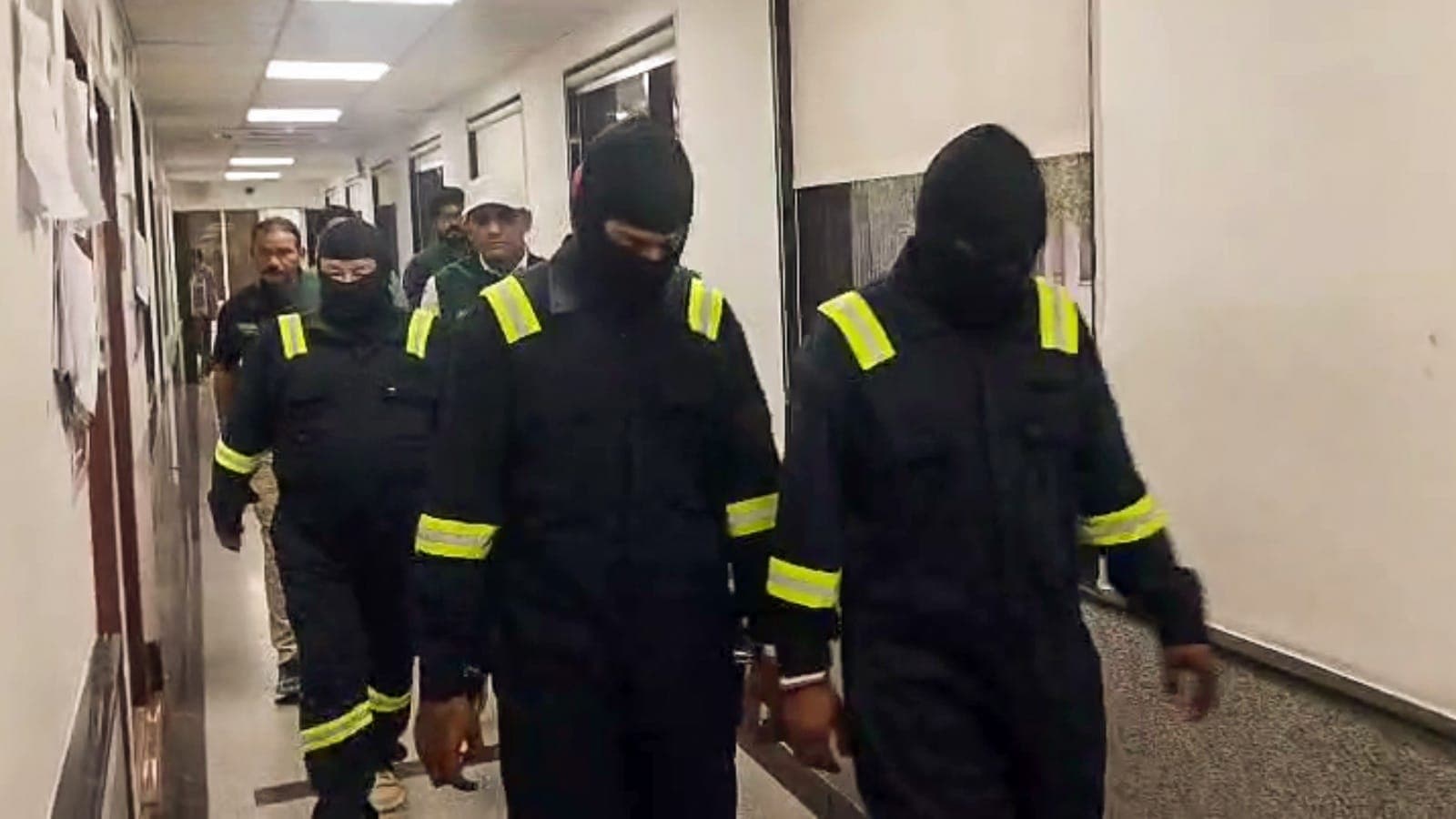
The accused being brought to Patiala House Court. (ANI)The Delhi Police said Saturday it had uncovered a Pakistan ISI-underworld terror module and arrested eight persons, including a Nepali national, who were allegedly planning attacks on vital installations, security establishments and police personnel in Delhi, Mumbai, Chandigarh and cities in Punjab. Police officers said the arrests of the eight, some linked to fugitive underworld gangster Dawood Ibrahim, were made in a coordinated multi-state operation, uncovering a conspiracy allegedly orchestrated by Pakistan ISI, underworld operatives and the network of gangster Shahzad Bhatti operating from Pakistan and Dubai.The arrests were made in Maharashtra, Punjab and Delhi and police said the alleged operatives were in touch with handlers in Pakistan and Bangladesh. According to police, 23-year-old Vijay ‘Shooter’, who hails from Mirzapur, was arrested from Pune on May 14. Based on the information he provided, his associate Nitish Paswan, 23, was nabbed from Sahibganj on May 17. Special Commissioner of Police (Special Cell) Anil Shukla said, “Vijay was in regular contact with members of the Shahzad Bhatti network operating from Pakistan and Dubai. Vijay was tasked to carry out various criminal and terror activities in Delhi, Punjab, Haryana, Rajasthan and UP. He was also tasked to recruit youth for executing terror activities in Delhi-NCR.” Nitish and Vijay, police said, confirmed that there were modules in Delhi and Mumbai which were planning attacks in both the cities, and had already done a recce of multiple bridges in Mumbai and the Dadar station. Based on Vijay’s disclosures, two men — Tauqeer Sheikh and Arbaz Khan — were nabbed from Mumbai last Wednesday.Story continues below this ad “Both were in contact with ISI handlers Yawar Khan and Munna Jhingada. They were recruited by one Huzaifa from Mumbai, who is absconding and was working at the behest of Shahzad Bhatti, Yawar and Munna. They were tasked to carry out grenade attacks and firing at vital installations, security establishments and police personnel in Delhi and Mumbai,” Shukla said. Arbaz and Sheikh also told police they had prepared a team to attack security personnel and government buildings in Delhi. On Saturday morning, police nabbed three men from Punjab who were headed to Chattarpur in Delhi. A police officer said, “All the three accused, Harvinder Singh, Gagandeep Singh and Manjeet Singh, are residents of Punjab. They were intercepted on the Mehrauli-Badarpur Road around 1 am today and a heavy cache of arms and ammunition, including grenades and automatic pistols, were recovered.” Police said they also arrested a Nepali national, Ang Kami Lama, in the early hours of Saturday. He had been tasked by Munna Jhingada to arrange a hideout for the accused in Delhi and fund their activities.Story continues below this ad Shukla said, “Ang Kami Lama was lodged in a Thailand jail from 2001 to 2018 in a narcotics case. There he came in contact with co-inmates Aizaz Rasool and Md. Salim alias Munna Jhingada, both from Pakistan. After coming out of jail, Lama maintained contact with Jhingada.” Senior officers said the module pointed to the re-activation of the Dawood network. The arrests come 20 days after security personnel were alerted about the possibility of a terror attack in the Capital. Intelligence inputs, sources said, had hinted at suicide attacks and improvised explosive devices (IEDs) mounted on vehicles. Among the possible targets were the BJP headquarters on Deen Dayal Upadhyaya Marg and other crowded areas in Central Delhi, according to sources.Story continues below this ad In April, the Special Cell arrested 11 people following raids conducted across Delhi and Punjab. Police recovered weapons, surveillance equipment, and solar powered CCTV cameras installed near government establishments.
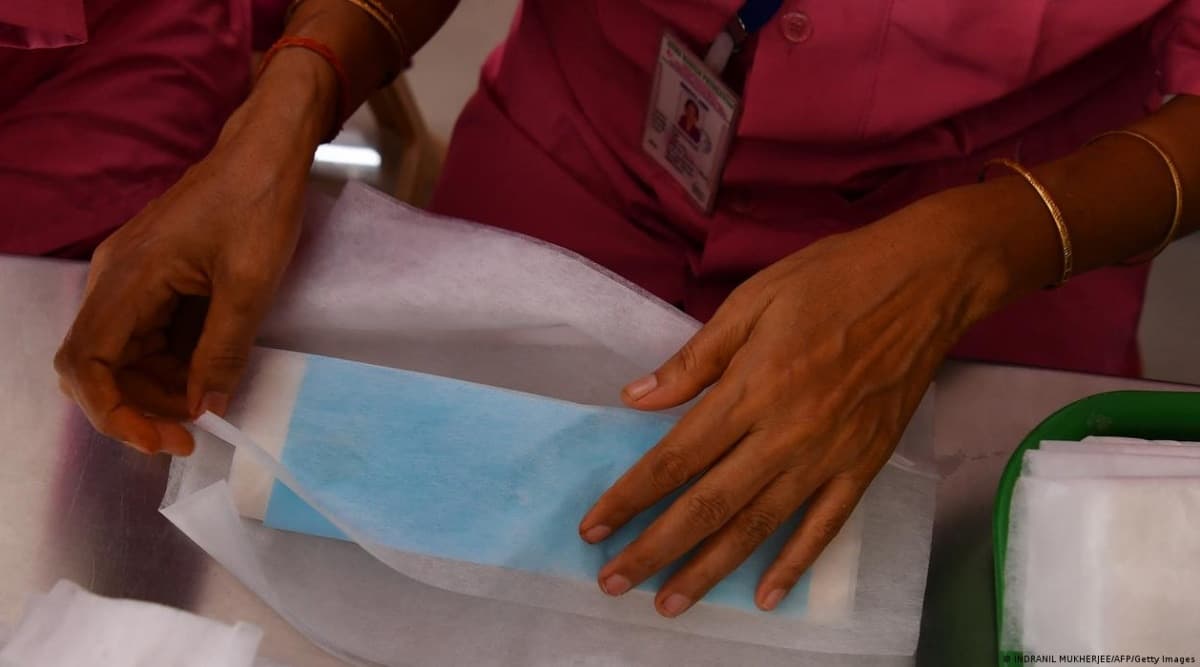
For generations, the word “menstruation” has been carefully avoided in classroom conversations, in homes, and certainly in Indian public life. That silence ended on the 74th Independence Day, when Prime Minister Narendra Modi addressed the nation without reservation and spoke about menstrual hygiene. He highlighted the government’s efforts to make sanitary pads accessible to all women and brought an important yet often-ignored issue into the national conversation. The Prime Minister using a major occasion to mainstream the discussion on menstrual hygiene was refreshing.Under the PM Bhartiya Janaushadhi Pariyojana, Suvidha sanitary pads are available at just Rs 1 per pad through Jan Aushadhi Kendras. So far, over 100 crore pads have been sold through these Kendras across the nation. For many women and adolescent girls, they symbolise freedom from hesitation, financial burden, and unsafe alternatives. For generations, menstruation has been treated as something to be endured silently. This silence has cost our girls their confidence, our women their dignity, and our society its progress. For too long, that quiet anxiety has been treated as her private burden to carry. Taking inspiration from PM Modi’s initiatives for women’s empowerment, the Delhi government is launching the campaign “Menstrual Health Matters: Periods Parr Sahi Jaankari, Harr Beti ki Pehli Taiyaari”. The right information about periods is every daughter’s first and most basic preparation for life. The Delhi government will create a modern, future-ready, and viksit Delhi where every girl can attend school during her period without anxiety, every woman can go to work without fear or embarrassment, and every family can discuss menstrual health with scientific understanding. The heart of this campaign is promoting menstrual health education in Delhi schools. The Upanishads teach us, “Tamaso maa jyotirgamaya (Lead me from darkness to light).” The stigma around menstruation is a kind of darkness: Not of the body but of ignorance, of inherited shame, of things left unsaid. We will launch a campaign in schools on menstruation and menstrual hygiene covering emotional well-being, active stigma reduction, and, crucially, health-seeking behaviour. It will ensure that a girl learns not only what is happening to her body but that asking for help is normal, safe, and her right. Additionally, this will be directly linked to awareness of HPV and cervical cancer. Cervical cancer remains one of the most common cancers among Indian women, and it is also one of the most preventable. By connecting menstrual health to HPV awareness, we treat a girl’s reproductive health holistically. Education related to menstrual hygiene cannot be aimed solely at girls. We will also reach out to boys to help them understand menstruation and reduce teasing. Moreover, when brothers understand it, the home becomes kinder. When future husbands and fathers-in-law understand it, families will become happier, healthier, and more supportive. ASHA and Anganwadi workers, considered the backbone of community health in Delhi’s districts, will help spread awareness. Regarding access, the government will issue a clear directive on sanitary pad vending machines. Our commitment is not merely to installing new machines but also to keeping them working, properly maintained, and regularly refilled. All sanitary pads will be biodegradable and compostable. According to many estimates, a woman in India spends close to Rs 1 lakh on menstrual products over her lifetime. This is a tax on her body that she never agreed to. And every year, billions of disposable pads end up in our landfills. The Menstrual Health Matters campaign lifts the financial burden off women’s shoulders without adding to the mountain of waste. I want to tell every woman and girl of Delhi: Your health matters, your comfort matters, your dignity matters. You were never meant to carry this in silence, and from today, you will not have to. The Menstrual Heal
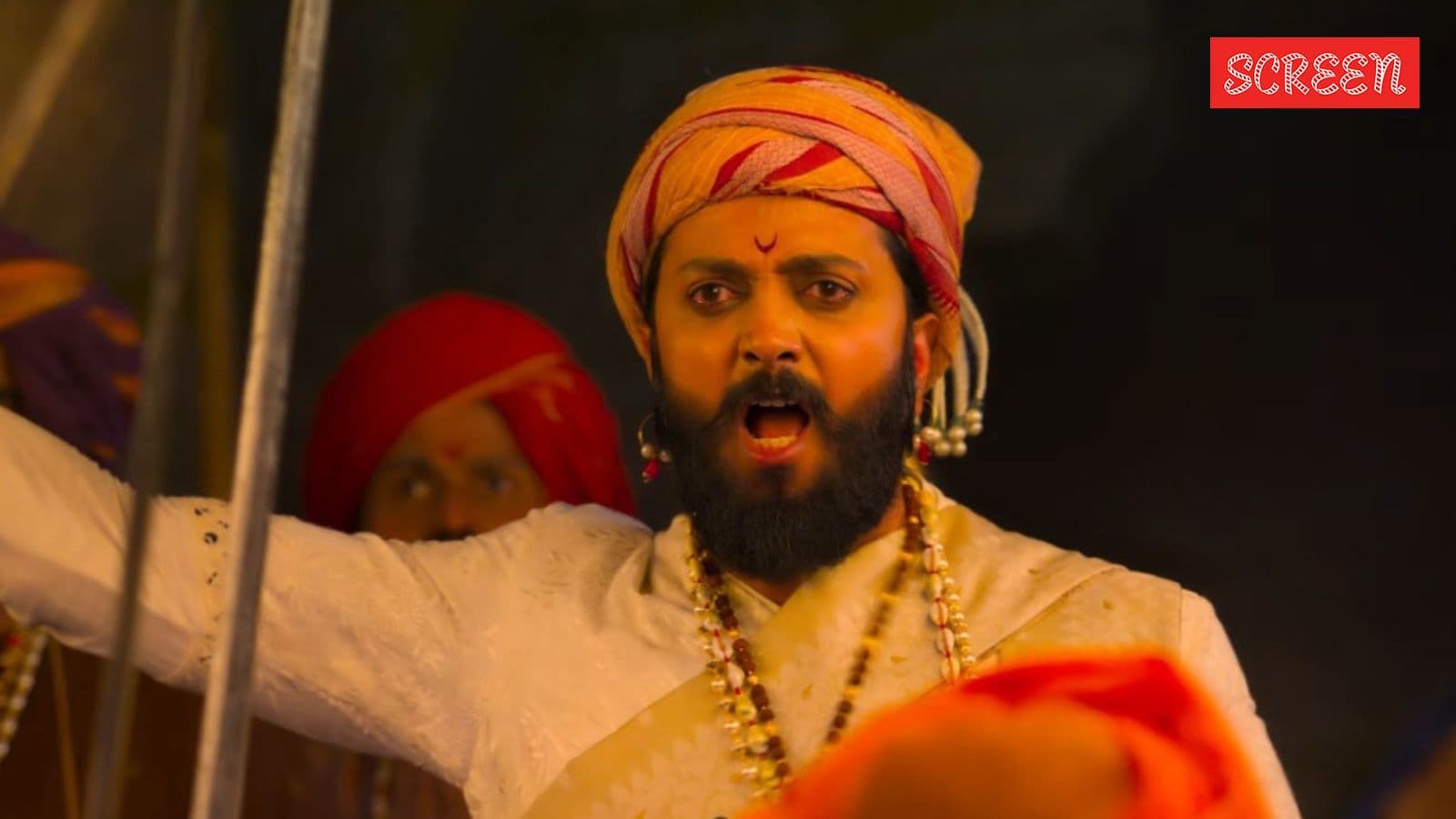
Riteish Deshmukh Raja Shivaji box office collection day 9 (Photo: YouTube Screengrab)Raja Shivaji box office collection day 9: Riteish Deshmukh’s film Raja Shivaji opened to a positive response from audiences, with its Marathi version outperforming the Hindi release during the first week. The film’s Week 1 India total stood at Rs 52.65 crore. According to industry tracker Sacnilk, Raja Shivaji saw further growth on Saturday, earning Rs 5.60 crore net across 3,962 shows. The figure marked a 75 per cent jump from the film’s Friday collections. In nine days, Raja Shivaji has grossed Rs 72.91 crore in India, while its total net collection stands at Rs 61.45 crore. Although the period drama is yet to enter the list of Riteish Deshmukh’s top 10 highest-grossing films, it has already achieved a major milestone. According to Sacnilk, the film has become the first Marathi movie to cross Rs 50 crore during its opening weekend.Also Read: ‘Salman Khan, Abhishek Bachchan didn’t charge a penny for Raja Shivaji’: Riteish Deshmukh Riteish Deshmukh on the film’s Rs 100 crore budget A few days ago, reports suggested that Raja Shivaji had been mounted on a massive budget of Rs 100 crore. Reacting to these speculations, Riteish Deshmukh told Hindustan Times, “About the figures floating around regarding Raja Shivaji’s budget, only the producers know the real numbers. The last thing we need to do as filmmakers is to discuss the budget of a film because it doesn’t affect anything. Why does the budget matter? If someone asks me, I ask them, ‘How much are you paying for a ticket to watch it?’ They say ‘Rs 100’ or ‘Rs 250–300’, and I reply, ‘That’s the budget.’ We should stop talking about it. Let it be magical, just go and experience the film.” He further added, “When I went to watch Amitabh Bachchan ji’s films like Sholay, I never thought, ‘What’s the budget of this film?’ I just wanted to enjoy the big-screen entertainment. We never knew how much films collected. Unfortunately, that’s the game today: people wonder how much actors charge for films. It’s our mistake because we feed these numbers. Those who think this is fine, it’s okay. We have made seven films in Marathi so far, and we have never revealed their budgets.” Recently, in a conversation with Zoom TV, Riteish Deshmukh also spoke about Raja Shivaji’s Marathi version performing well. He said, “Regional cinema is important. It needs to be supported, and I’m glad that people have gone out to watch the film in large numbers. Please don’t get me wrong. I’m speaking only as part of the Marathi film ecosystem. There was a figure for the highest-grossing first day, and Raja Shivaji has opened almost two and a half times that, which is huge for a Marathi film. This shows that Marathi films can achieve these numbers. I hope another film comes soon and breaks this record. Unless records are broken and commercial boundaries are pushed, the industry will not grow. ” About Raja Shivaji Riteish Deshmukh plays Chatrapati Shivaji Maharaj in Raja Shivaji. Other than Riteish, the film also stars Sanjay Dutt, Abhishek Bachchan, Vidya Balan, Mahesh Manjrekar, Sachin Khedekar, Bhagyashree, Fardeen Khan, Jitendra Joshi, Boman Irani, Amol Gupte, and Genelia Deshmukh. Salman Khan has also made a special appearance in the movie, helmed by Riteish. It was released in theaters on May 1, 2026. Nawaz Javed Kochra is a seasoned entertainment journalist at The Indian Express Online, bringing nearly a decade of expertise to the forefront of cultural reporting. With a focus on the television and Over-The-Top (OTT) landscapes, he has established himself as a prominent voice in the industry, known for his high-profile celebrity interviews and insightful coverage of the Indian entertainment sector. Experience & Career Nawaz holds a Master of Arts in Communication and Journalism from Mumbai University, providing him with a rigorous academic and ethical foundation. In his 11-year ca
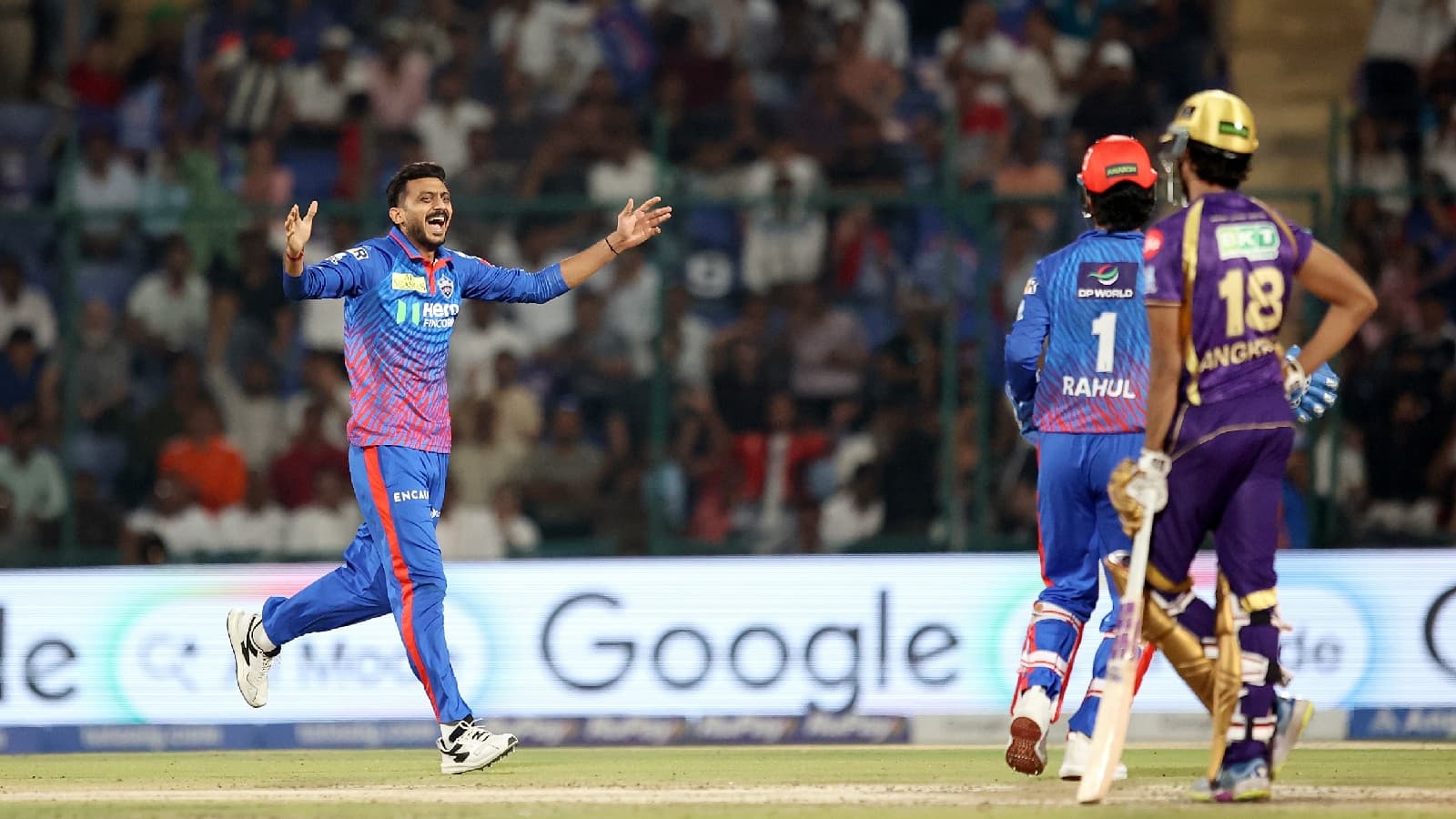
Delhi Capitals captain Axar Patel reacts during the IPL match vs the Kolkata Knight Riders. (Express photo | Praveen Khanna)Former India player Mohammad Kaif said that the Delhi Capitals had too many problems this season, pointing out that their struggling batting lineup and their under-utilization of finisher Ashutosh Sharma. Delhi Capitals were all but knocked out of the play-offs race when they lost to a resurgent Kolkata Knight Riders on Friday. It was their fourth loss in a row and DC now find themselves in eighth place on the points table with as many points from 11 matches. “It was tough to see Axar Patel after the game. DC had too many problems this season. Struggling batting, too many changes and dropped catches. There is a reason, DC is at the bottom of table. Ashutosh Sharma, best uncapped finisher, should have played all games,” Kaif posted on X.After the match, Axar had admitted that the team has a long journey ahead and said they would begin thinking about plans for next year, including what changes can be made. It was tough to see Axar Patel after the game. DC had too many problems this season. Struggling batting, too many changes and dropped catches. There is a reason, DC is at the bottom of table. Ashutosh Sharma, best uncapped finsher, should have played all games. — Mohammad Kaif (@MohammadKaif) May 8, 2026 “For now, we’ll go back and think about the mistakes we made. After that, obviously there’s still a long journey ahead, and next year will come too. So we’ll think about what plans we can make for next year and what approach we should take. Based on that, we can also look at the players sitting on the bench and decide who can be given opportunities and what changes we can make,” Patel said in the post-match presentation. At the start of the IPL season, Delhi Capitals had three wins from their first five games, but the Patel-led side has managed only one win in their last six matches. The team, which was bundled out for 75 runs against Royal Challengers Bengaluru last month, has since lost to Chennai Super Kings while batting first before Friday’s defeat and once again lost batting first against KKR. Axar has so far scored only 44 runs in 11 matches while taking ten wickets at an average of 29.10.
New DelhiMay 8, 2026 01:21 AM IST A case has been registered under relevant sections of the Bharatiya Nyaya Sanhita and the Drugs and Cosmetics Act, police said, adding that efforts to identify additional members of the network and trace the full extent of the supply chain is also on. Stealing medicines of diabetes and hepatitis B meant to be given to the poor for free, putting fake labels on them, selling them in the black market in the Capital — an inter-state racket did it all to make money from life-saving medicines, Delhi Police said. Police arrested four men and dismantled the clandestine unit operating out of North Delhi’s Mukherjee Nagar. The accused — identified as Manoj Kumar Jain (56), Raju Kumar (57), Vikram Singh alias Sunny (32), and Vatan (35) — were allegedly part of the organised network that diverted the medicines, tampered with their packaging, and resold them illegally across Delhi-NCR and several Northeastern states.According to officers, the operation was being run by Manoj. Originally from Rajasthan, his family migrated to Manipur in the 60’s and started a construction venture. However, police said, they incurred losses during the Covid-19 pandemic. “After losing money, the family started a business of masks and sanitisers. Manoj subsequently came in contact with people involved in the medicine business. In 2023, he moved to Delhi and shook hands with Raju,” said a police officer. Raju, a veteran in the medicine industry, was already running an illegal manufacturing unit in Punjab, police said. “Raju is believed to have leveraged his prior experience in the pharmaceutical trade to set up a parallel counterfeit manufacturing unit in Punjab, including the production of human albumin, a critical drug used in emergency and trauma care,” said an officer. Manoj started an illegal manufacturing and relabelling unit at his residence in Indra Vikas Colony. When the police reached his residence on April 22, they found syringes, labels and bottles. The total value of the items is estimated to be around Rs 6 crore. “Jain understood that consignments would be tracked from UP to Delhi. He asked Vikram to send them via Guwahati. These drugs were then transported to Delhi where the original labels were removed and replaced with fabricated ones before being pushed into the open market,” said an officerStory continues below this ad Among the drugs seized, police said, were critical medicines such as rabies vaccines, insulin, human albumin, Hepatitis B vaccines, anti-snake venom, and antibiotics. It was Vikram who procured the medicines. Vikram, a lab technician who runs a diagnostics centre in Prayagraj along with Vatan, sourced surplus medicines or diverted medicines from local hospitals and community health centres. “Vikram started procuring the medicines left in stock every month, which were meant to be given to patients for free at government hospitals in Uttar Pradesh. Those were siphoned off through local contacts and sent to Delhi,” an officer said. Jain would handle the relabelling and redistribution, police added. “The scale and sophistication of the operation indicate a well-organised network that posed a serious threat to public health,” a senior officer said. Investigators also found preliminary evidence suggesting the use of hawala channels to route financial transactions linked to the illegal trade. Police said a detailed financial probe is underway.Story continues below this ad Police said the network had an extensive distribution chain spanning Delhi, West Bengal and Northeastern states such as Assam and Manipur, raising concerns over the widespread circulation of compromised medicines. A case has been registered under relevant sections of the Bharatiya Nyaya Sanhita and the Drugs and Cosmetics Act, police said, adding that efforts to identify additional members of the network and trace the full extent of the supply chain is also on. Deputy Commissioner of Police (Crime) Pankaj Kumar said more


Discussion (0)