
Loading dispatches...
← Return to Newsroomgeneral
‘It’s 59 miles from China, 9,500 from us’: Why Trump is openly questioning the US role in protecting Taiwan
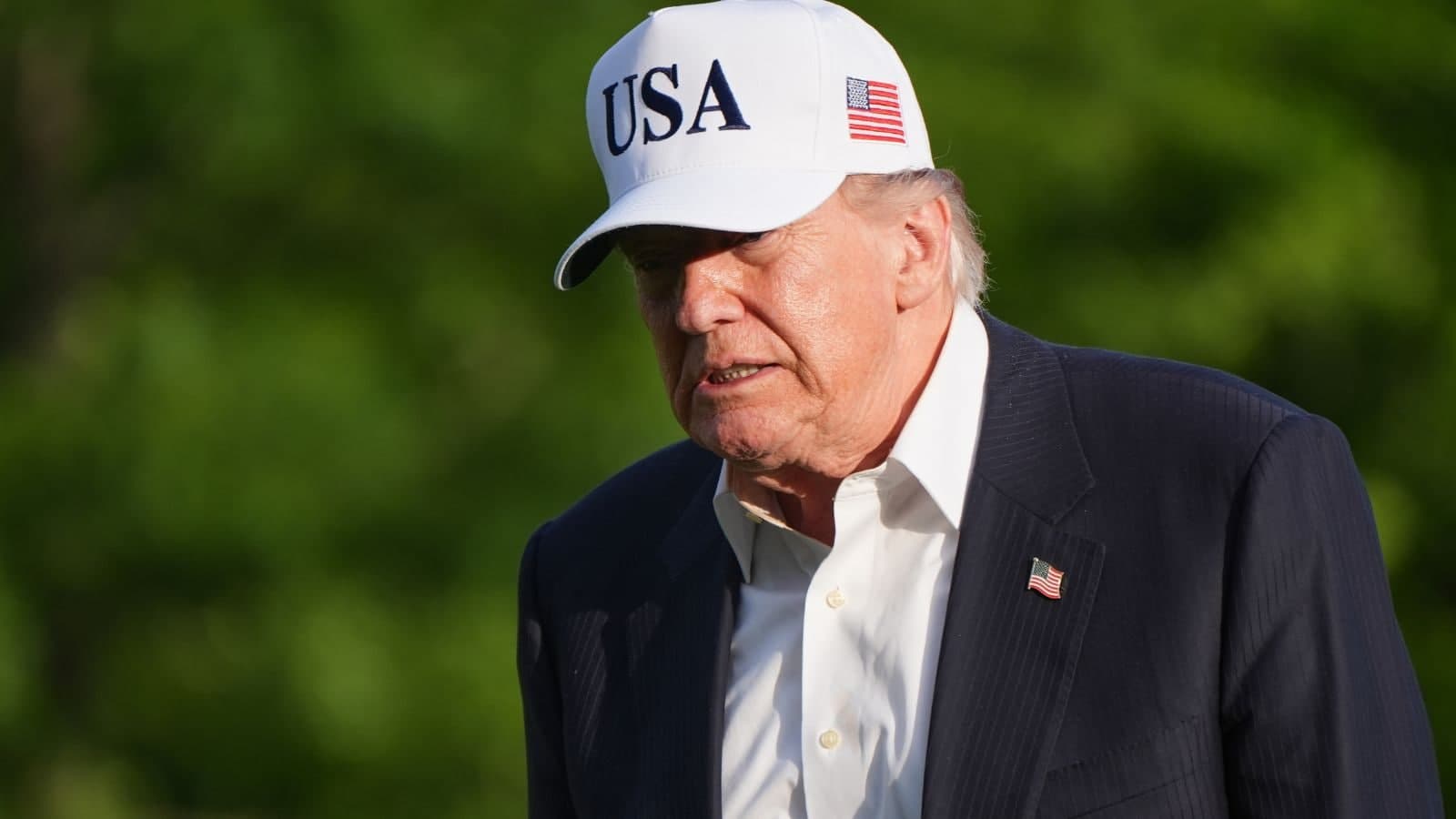
NewsWorldUS News‘It’s 59 miles from China, 9,500 from us’: Why Trump is openly questioning the US role in protecting Taiwan Trump’s remarks suggest a more cautious tone on US involvement, as he focused on practical challenges rather than long-standing policy commitments. 2 min readMay 16, 2026 08:19 AM IST First published on: May 16, 2026 at 08:19 AM IST President Donald Trump walks across the South Lawn of the White House, Friday, May 15, 2026, in Washington, on return from Beijing where he met with China's President Xi Jinping. (Photo: AP) US President Donald Trump has raised questions about Washington’s position on Taiwan, pointing to geography and power differences with China while speaking after his return from China. “When you look at the odds, China is a very powerful, big country. That’s a very small island,” Trump said, describing how he sees the situation between China and Taiwan.He said distance makes it harder for the United States to respond. “Think of it; it’s 59 miles away. We’re 9,500 miles away. That’s a little bit of a difficult problem,” he told Fox News, referring to Taiwan’s proximity to China. Trump on Taiwan:When you look at the odds, China is a very, very powerful, big country. That’s a very small island.Think of it; it’s 59 miles away. We’re 9,500 miles away. That’s a little bit of a difficult problem.If you look at the history, Taiwan was developed because we… pic.twitter.com/O9xAQjKyfa— Clash Report (@clashreport) May 15, 2026 Trump’s remarks suggest a more cautious tone on US involvement, as he focused on practical challenges rather than long-standing policy commitments. He also spoke about Taiwan’s semiconductor industry and criticised earlier US administrations. “If you look at the history, Taiwan was developed because we had presidents that didn’t know what they were doing,” he said. “They stole our chip industry,” Trump added, repeating his criticism of how the sector developed over time.Story continues below this ad Taiwan is a key issue in US-China relations, with Washington maintaining support for the island while Beijing considers it part of its territory. Trump’s comments come as he continues to speak on trade and foreign policy matters involving China. His remarks are likely to draw attention as they touch on US strategy in the region and its approach towards Taiwan. The Express Global Desk at indianexpress.com which delivers authoritative, verified, and context-driven coverage of key international developments shaping global politics, policy, and migration trends. The desk focuses on stories with direct relevance for Indian and global audiences, combining breaking news with in-depth explainers and analysis. A major focus area of the desk is US immigration and visa policy, including developments related to student visas, work permits, permanent residency pathways, executive actions, and court rulings. The Global Desk also closely tracks Canada’s immigration, visa, and study policies, covering changes to study permits, post-study work options, permanent residence programmes, and regulatory updates affecting migrants and international students. All reporting from the Global Desk adheres to The Indian Express’ editorial standards, relying on official data, government notifications, court documents, and on-record sources. The desk prioritises clarity, accuracy, and accountability, ensuring readers can navigate complex global systems with confidence. Core Team The Express Global Desk is led by a team of experienced journalists and editors with deep expertise in international affairs and migration policy: Aniruddha Dhar – Senior Assistant Editor with extensive experience in global affairs, international politics, and editorial leadership. Nischai Vats – Deputy Copy Editor specialising in US politics, US visa and immigration policy, and policy-driven international coverage. Mashkoora Khan – Sub-editor focusing on global developments, with a strong emphasis on Canada visa, immi
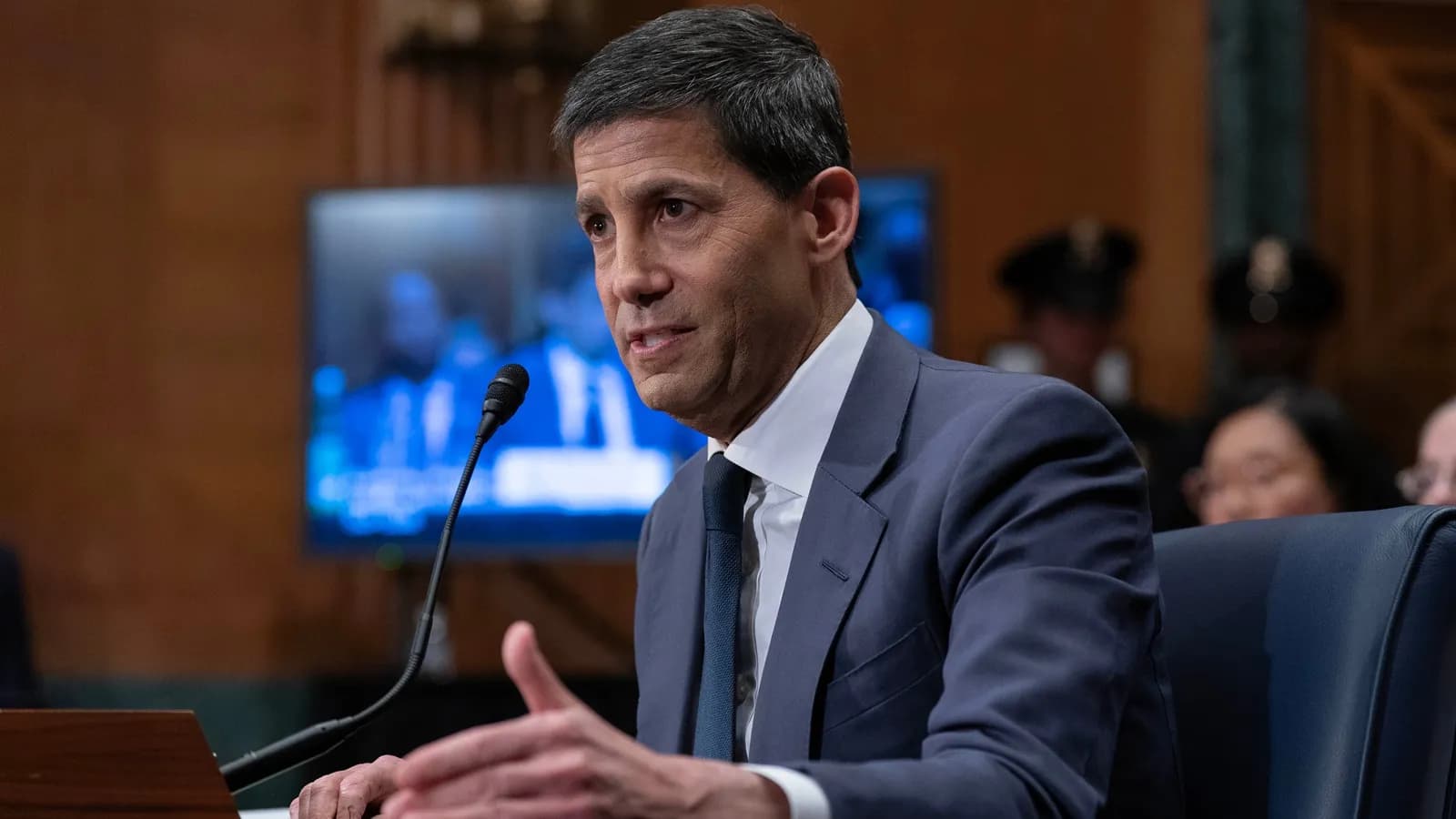
The US Senate on Wednesday approved Kevin Warsh as chair of the Federal Reserve, putting the 56-year-old lawyer and financier at the helm as the U.S. central bank grapples with intensifying inflation that may make it hard to push through the interest-rate cuts that President Donald Trump has demanded.The vote was 54-45 in the most-partisan-ever U.S. Senate confirmation of a Fed chair. A single Democrat, John Fetterman of Pennsylvania, voted with the Republican majority.His swearing-in to the four-year Fed chair term and a concurrent 14-year term as a Fed governor approved by the Senate on Tuesday awaits final White House signatures on paperwork sent by the Senate. The White House did not respond to questions about the timing. Warsh will take the leadership baton from Fed Chair Jerome Powell, whose term ends on Friday but who will remain a Fed governor. Fed Governor Stephen Miran, currently the central bank’s biggest advocate of rate cuts, will vacate his spot on the board to make room for Warsh. Expected to be in place to chair the Fed’s next meeting June 16 to 17, Warsh joins a central bank whose policymakers are engaged in a debate over the possibility of rate hikes that Trump picked Warsh to avoid. Some Fed policy makers areconcerned that inflation is broadening even beyond the impact of the Trump administration’s tariffs and the spike in oil prices from the Iran war. An index of producer prices, a key component of overall inflation, jumped 6% in April from a year earlier, the Labor Department reported on Wednesday. That’s the fastest pace since December 2022 when the Fed was battling a 40-year record surge in prices with sharp rate hikes.Story continues below this ad Analysts expect the Personal Consumption Expenditures price index to have risen 3.8% last month, moving further from the Fed’s target of 2%. In the run-up to his first meeting, Warsh may have to navigate a divided group of policymakers with growing support for more hawkish language indicating that a rate increase is as likely as a rate cut in coming months. At least five of the Fed’s 19 policymakers have said they wanted that change as of April. Also in June, Fed policymakers are scheduled to release fresh rate-path forecasts. March’s projections for a single rate cut this year look increasingly stale as the unemployment rate hovers around 4.3%, indicating the labor market may not need the support of a rate cut. However, inflation has continued to gain steam: a government report on Tuesday showed consumer prices rose in April at the fastest pace in three years. Financial markets now expect no change to the Fed’s 3.5%-3.75% policy rate target this year, with a rate hike as soon as January. PARTISAN DIVIDEStory continues below this ad The tight vote on Warsh poses a challenge for an institution overseen by Congress whose leaders have often been confirmed on a voice vote or with broad bipartisan support. The most partisan vote on a Fed chair by the Senate until now was a 56-26 vote in 2014 for Janet Yellen, with 11 Republicans joining the Democratic majority on a cold January day when canceled flights kept many lawmakers from participating. Trump has been badgering the central bank for rate cuts and has undertaken what Powell calls a “series of legal attacks” on the central bank. Those include an attempt to fire Fed Governor Lisa Cook last year. Trump’s Department of Justice also launched a criminal investigation of Powell which it has dropped for now but has left the door open to reviving. It was those attacks that had some Democrats cast a “no” vote despite feeling Warsh was qualified for the job. “I have serious concerns about whether he will be able to remain fully independent in the face of political pressure from the White House,” said one such senator, Mark Warner of Virginia. “I hope that as chairman, he proves those concerns unfounded and demonstrates clearly that he will defend the Fed’s independence, follow the data, and put the long-te
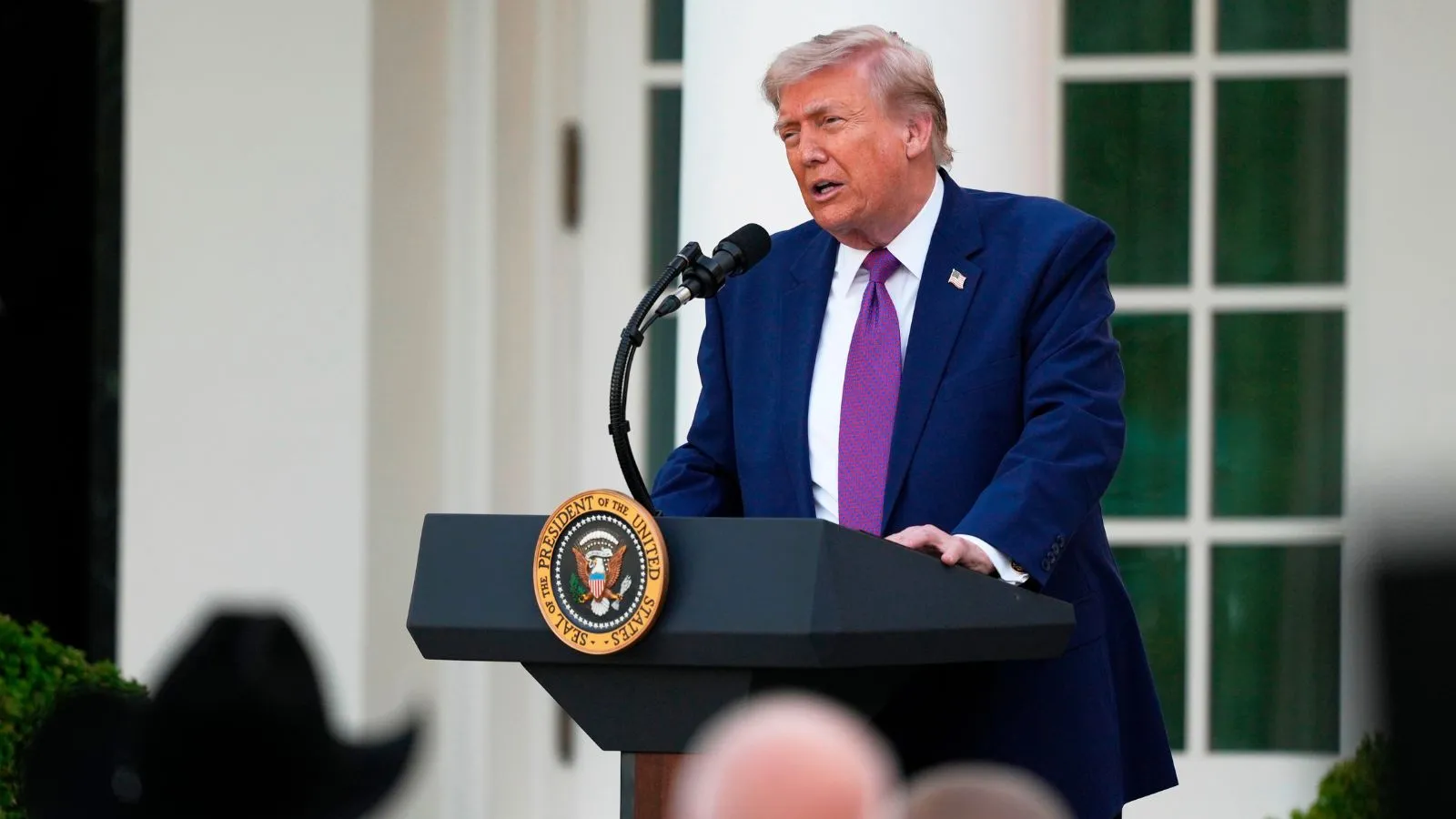
NewsWorldUS News'Till it’s appropriate': Trump backs federal gas tax suspension as Iran war sends pump prices toward $5 Republican Senator Josh Hawley said he was introducing legislation to suspend both the gasoline tax and the 24.4-cent diesel tax for 90 days. 2 min readMay 12, 2026 05:53 AM IST First published on: May 12, 2026 at 05:51 AM IST President Donald Trump speaks at a dinner for members of his administration and law enforcement organization leaders during National Police Week, in the White House Rose Garden. (Photo: AP) US President Donald Trump said he supports cutting the federal gasoline tax as fuel prices increase during the Iran conflict, according to Reuters. “Yeah, I’m going to reduce,” Trump told reporters when asked about suspending the tax. Asked how long it would last, he said, “till it’s appropriate”.Any suspension of the 18.4-cent federal gas tax would need approval from Congress, which is controlled by Republicans. Lawmakers move on proposal Republican Senator Josh Hawley said he was introducing legislation to suspend both the gasoline tax and the 24.4-cent diesel tax for 90 days. Fuel prices have risen since the war began on February 28, with disruption around the Strait of Hormuz affecting global oil supply. According to AAA, average US gasoline prices reached $4.52 a gallon on Monday.Story continues below this ad Senate Majority Leader John Thune said he was unsure about backing a tax freeze. “We’ll see where our members are,” Thune said, adding that reopening the Strait of Hormuz would be the most effective way to lower prices. Earlier this year, Democrats including Senator Mark Kelly had proposed suspending the tax until October. Impact on consumers uncertain Trump said he understood the tax made up only a small part of fuel costs but added, “it’s still money”.Story continues below this ad Energy analyst Bob McNally told Reuters that cutting the tax may have limited effect if supply disruptions continue. “If the federal gasoline tax is suspended but the Strait of Hormuz remains closed, consumers will barely notice,” he said. Rising fuel prices are also increasing costs for transport and goods, adding pressure on consumers.The issue could become a challenge for Trump and Republicans as they seek to retain control of Congress in the November midterm elections. The administration has also taken steps such as releasing oil from reserves and easing shipping rules to try to manage prices. The Express Global Desk at indianexpress.com which delivers authoritative, verified, and context-driven coverage of key international developments shaping global politics, policy, and migration trends. The desk focuses on stories with direct relevance for Indian and global audiences, combining breaking news with in-depth explainers and analysis. A major focus area of the desk is US immigration and visa policy, including developments related to student visas, work permits, permanent residency pathways, executive actions, and court rulings. The Global Desk also closely tracks Canada’s immigration, visa, and study policies, covering changes to study permits, post-study work options, permanent residence programmes, and regulatory updates affecting migrants and international students. All reporting from the Global Desk adheres to The Indian Express’ editorial standards, relying on official data, government notifications, court documents, and on-record sources. The desk prioritises clarity, accuracy, and accountability, ensuring readers can navigate complex global systems with confidence. Core Team The Express Global Desk is led by a team of experienced journalists and editors with deep expertise in international affairs and migration policy: Aniruddha Dhar – Senior Assistant Editor with extensive experience in global affairs, international politics, and editorial leadership. Nischai Vats – Deputy Copy Editor specialising in US politics, US visa and immigration policy, and policy-driven international



Discussion (0)