
Loading dispatches...
← Return to Newsroomgeneral
Dhaka draws a line: Bangladesh warns future ties with India depend entirely on new Ganges water treaty
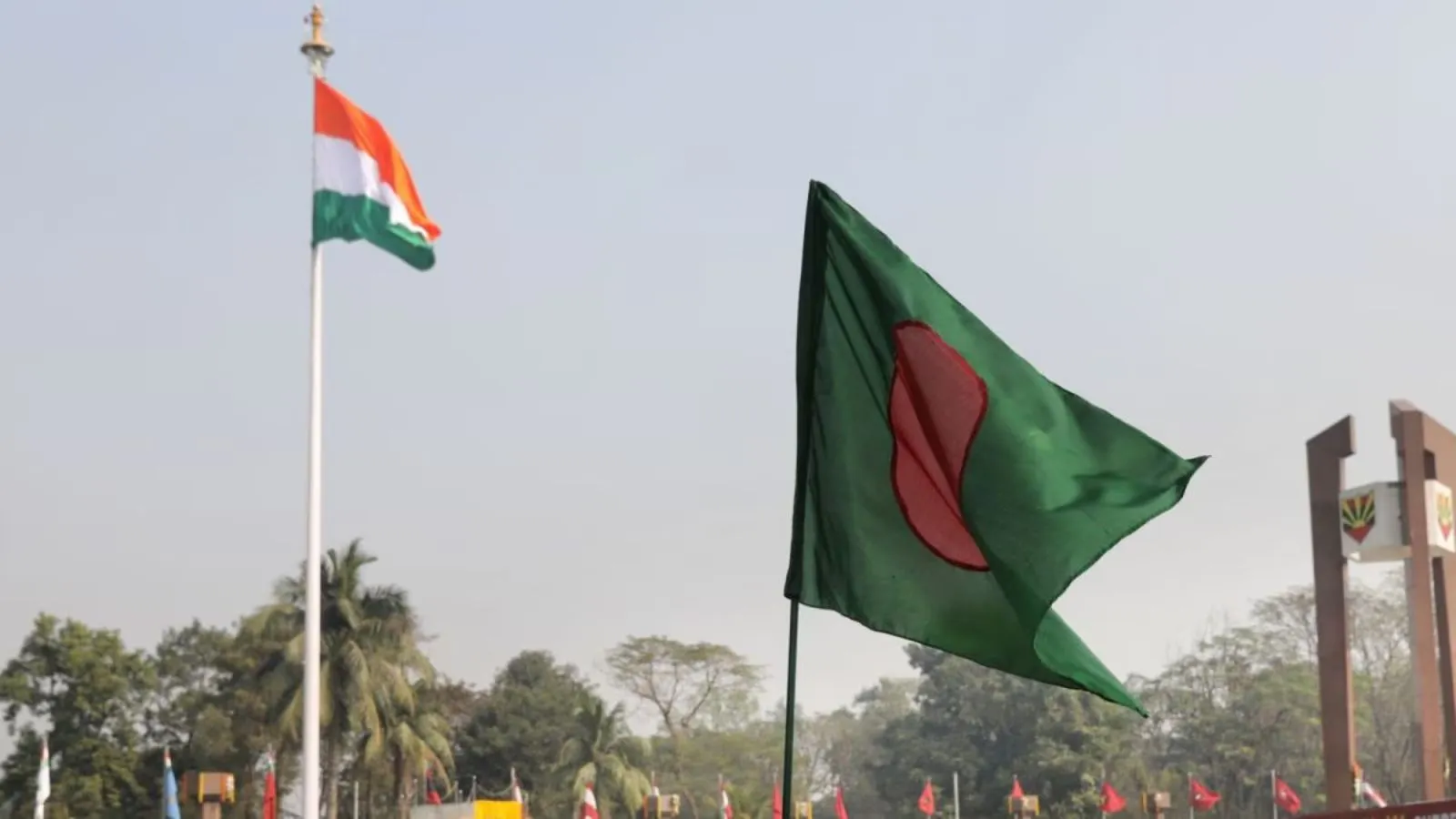
NewsWorldDhaka draws a line: Bangladesh warns future ties with India depend entirely on new Ganges water treaty The existing Ganges Water Sharing Treaty between India and Bangladesh was signed in 1996 and is due to end later this year. 2 min readMay 17, 2026 12:55 PM IST First published on: May 17, 2026 at 12:55 PM IST Bangladesh approved a mega project to build a barrage on the Padma river. (File Photo) The Bangladesh Nationalist Party (BNP) stated that the trajectory of Bangladesh’s relations with India will depend on negotiating a new Ganges water-sharing agreement, and called for discussions to begin well before the existing treaty expires in December. BNP secretary general Mirza Fakhrul Islam Alamgir said Dhaka wants a fresh deal that reflects the country’s needs. “We want to send a clear message to the Indian government that a new treaty must be finalised through discussions in line with the expectations of the people of Bangladesh,” he said at an event in Dhaka.What is Ganges water treaty? The existing Ganges Water Sharing Treaty between India and Bangladesh was signed in 1996 and is due to end later this year. Alamgir said good relations between the two countries would depend on the renewal of the agreement. “The opportunity to build strong ties with India will depend on the signing of the Ganges treaty,” he said.Story continues below this ad He added that the current pact should continue until a new agreement is reached, and suggested that future arrangements should not be limited to a fixed time period. The remarks come amid discussions over Bangladesh’s plan to build a barrage on the Padma river. Dhaka says the project is aimed at managing water flow and addressing concerns linked to the Farakka Barrage in India. The Ganges, known as the Padma in Bangladesh, is a key source of water for agriculture and daily use.Story continues below this ad A large section of the population depends on the river system for livelihood. Water-sharing between the two countries has remained a sensitive issue. Bangladesh has raised concerns over reduced water flow during the dry season, while India has maintained that the Farakka Barrage is needed to manage silt and support navigation. The BNP also referred to other pending water-sharing issues, including the Teesta agreement, which has not yet been finalised. The Express Global Desk at indianexpress.com which delivers authoritative, verified, and context-driven coverage of key international developments shaping global politics, policy, and migration trends. The desk focuses on stories with direct relevance for Indian and global audiences, combining breaking news with in-depth explainers and analysis. A major focus area of the desk is US immigration and visa policy, including developments related to student visas, work permits, permanent residency pathways, executive actions, and court rulings. The Global Desk also closely tracks Canada’s immigration, visa, and study policies, covering changes to study permits, post-study work options, permanent residence programmes, and regulatory updates affecting migrants and international students. All reporting from the Global Desk adheres to The Indian Express’ editorial standards, relying on official data, government notifications, court documents, and on-record sources. The desk prioritises clarity, accuracy, and accountability, ensuring readers can navigate complex global systems with confidence. Core Team The Express Global Desk is led by a team of experienced journalists and editors with deep expertise in international affairs and migration policy: Aniruddha Dhar – Senior Assistant Editor with extensive experience in global affairs, international politics, and editorial leadership. Nischai Vats – Deputy Copy Editor specialising in US politics, US visa and immigration policy, and policy-driven international coverage. Mashkoora Khan – Sub-editor focusing on global developments, with a strong emphasis on Canada visa, immig

Javokhir Sindarov mulls his next move against India's R Praggnanandhaa in a round 2 clash of the Super Chess Classic 2026 tournament in Romania. (Photo: Lennart Ootes/Grand Chess Tour)After defeating Javokhir Sindarov in a round 2 clash of the Super Chess Classic 2026 tournament in Romania, India’s Praggnanandhaa said that the upcoming World Chess Championship battle between the Uzbek prodigy and world champion D Gukesh will be an evenly poised battle. Sindarov has been in rampaging form in classical chess recently, scything through the Candidates tournament in Cyprus last month with an unblemished record to secure his spot in the world championship. In fact, the defeat to Pragg was Sindarov’s first in eight months. The Uzbek prodigy’s last defeat in the classical format came in September 2025 against Bulgaria’s Ivan Cheparinov in the 3rd round of the FIDE Grand Swiss 2025 at home in Samarkand. Sindarov went unbeaten at the FIDE World Cup in Goa and then the Candidates tournament. But while former world champions Magnus Carlsen and Garry Kasparov have firmly installed Sindarov as the favourite for the World Championship against Gukesh, Pragg felt that no player has a clear advantage. When asked by ChessBase India about who he thinks is the favourite at the upcoming World Championship at the end of the year, Pragg said: “The world championship is 6 months away. No one knows what form they will go in. I think it’s just 50-50. I don’t think anyone is a favourite. It’s just about who plays the best at the World Championship that will take it.” Sindarov was handed a brutal loss by Indian grandmaster R Praggnanandhaa in a second round game of the Super Chess Classic 2026 tournament in Romania. (Pic Credit: Lennart Ootes)Last month, when Carlsen was asked who would win the Gukesh vs Sindarov World Chess Championship clash during a Chess Party in Stockholm, he had named Sindarov to be the next world champion. “At the moment it’s impossible not to say Sindarov but we know anything can happen in a World Championship match,” Carlsen had said. “I am first of all really curious as to what Sindarov will do in the next few months because he is very different from Gukesh. In the sense that Gukesh has very obvious weaknesses when it comes to his understanding and Sindarov does not. He is a lot more well-rounded.” Kasparov had also backed Sindarov to beat Gukesh. “Compared to Gukesh, if you look at the games, Sindarov looks like the clear favorite. But this match is a special format. Gukesh is very mentally stable, able to defend any position and find resources even in the worst situations. Gukesh has match experience, but for Sindarov, this will be his first serious match. Yes, it’s relatively short — 14 games, we’ve played longer games before — but it will still be very interesting,” Kasparov said in an interview with St Louis Chess Club’s YouTube handle.

Discussion (0)