
Loading dispatches...
← Return to Newsroomgeneral
Why reserved candidates availing relaxations are barred from open category recruitment
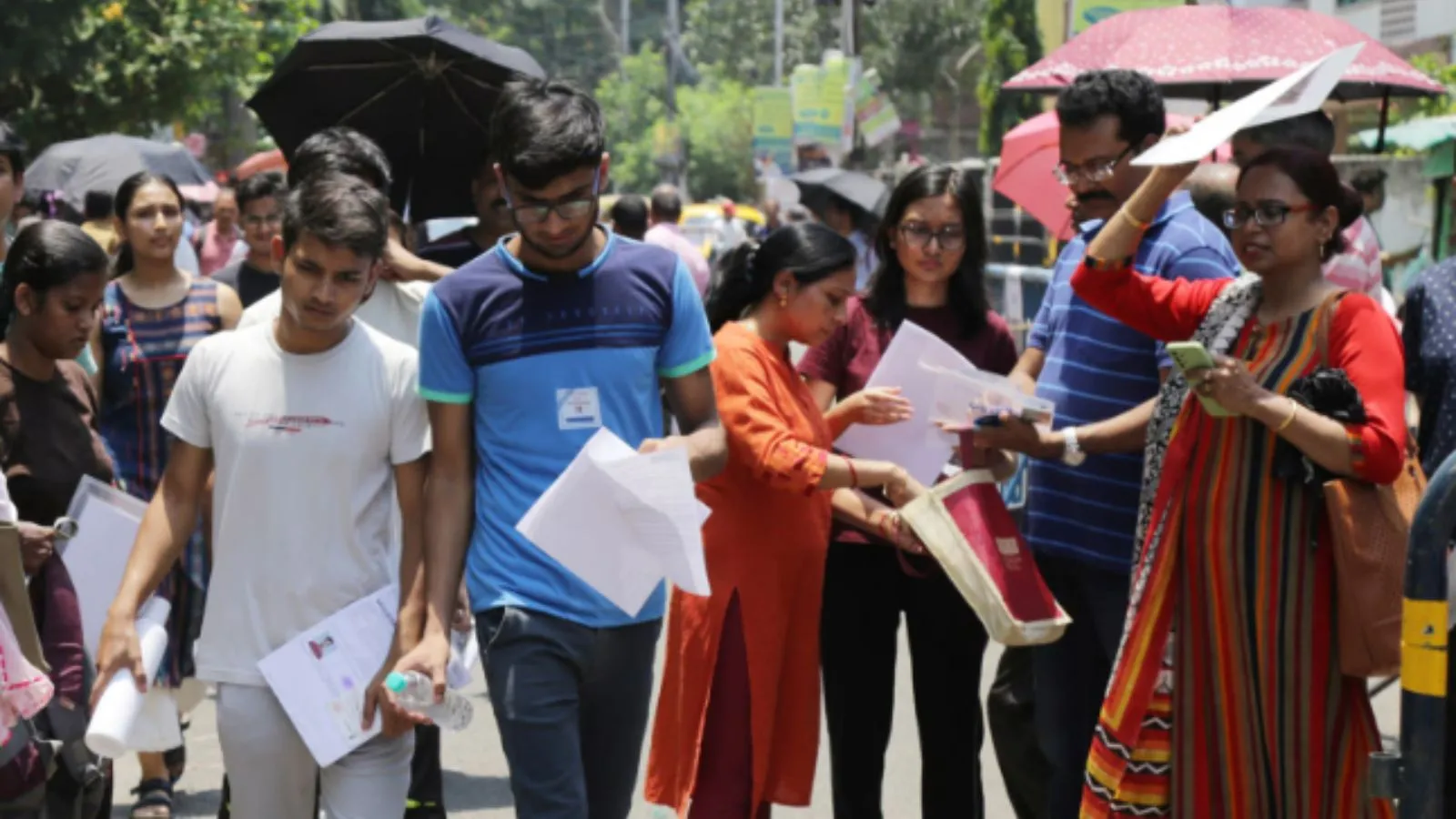
The Maharashtra government on Thursday tightened recruitment rules for Scheduled Caste/Scheduled Tribe/Other Backward Class candidates to competitive exams in the state. Those candidates who avail relaxations in age, educational qualification, experience or number of attempts, will no longer be eligible to claim selection under the open category. Candidates who clear the competitive exams without availing these relaxations will continue to remain eligible for selection in the open category on merit.The government’s Cabinet note stated that reservation in government jobs in the state has touched 72 per cent and that this has led to an increase in competitiveness in the open category. The note added that it was not a “level-playing field”, if candidates given relaxations in eligibility criteria also access open category seats.The state said the decision was based on an opinion in December 2024 by the then Advocate General. The note said many states across the country have recruitment rules, specifying whether candidates availing relaxations in eligibility can be selected in the open category. However, since Maharashtra did not have such rules, many candidates took the legal route and approached courts challenging recruitment after results were declared. The note said this led to delays in recruitment as judicial orders had to be awaited. The note referred to a notification dating back to 1998 of the Department of Personnel and Training of the Union government. This states if a “relaxed standard” is applied in selecting SC/ST/OBC candidates, such as age limit, experience qualification and number of chances permitted for written examinations, they are to be counted in reserved vacancies. “Such candidates would be deemed to be unavailable for consideration against unreserved vacancies,” it said. The government cited these in arriving at its decision. What those opposing decision said Former Congress minister Nitin Raut called the decision a “direct assault on the constitutional rights of backward communities”. “The Constitution clearly states if a candidate from a reserved category secures marks equivalent to open category candidates on merit, he or she has every right to be selected under the open category. Denying that right merely because they availed technical concessions like age relaxation or fee benefits is nothing short of insulting their talent and hard work,” he said.Story continues below this ad Raut claimed the decision was part of a “systematic attempt to weaken reservation through indirect means”. He argued that students from backward communities often rise through adverse social and economic conditions and should not be punished for using constitutionally sanctioned concessions. “Merit cannot be monopolised by any particular class. Reserved category students work equally hard, often under far more difficult circumstances. Excluding them from open category competition despite their performance is a grave injustice,” he said. The Congress leader pointed out that the Supreme Court repeatedly upheld the principle that meritorious reserved category candidates are entitled to open category seats. “This decision is not only anti-Constitutional but also appears to undermine judicial precedents,” he remarked. Vanchit Bahujan Samaj president Prakash Ambedkar said the decision will be challenged before court. Referring to a Supreme Court order Ambedkar said, “ The apex court has made it clear that merit remains the only consideration for filling up open category positions irrespective of candidates from reservation categories.”Story continues below this ad What courts said The state government said the decision was to avoid recruitments being challenged before courts recurringly. One such recent order was passed on March 23, 2026 by the Supreme Court, (Chaya and Ors. Etc), where the court held that in absence of any prohibition, migration of reserved candidates, who have received more marks than the last selected general catego
New DelhiMay 13, 2026 09:25 PM IST The bench said that Rana experienced comfort and respect in his final moments and added that his peaceful passing away from tubes and machines reflected autonomy and dignity in both life and death. (File Photo)The Supreme Court on Wednesday lauded the family of Harish Rana, the 32-year-old, whose artificial life support was withdrawn on March 24 with the court’s permission, for deciding to donate some of his organs. Taking on record his death certificate, a bench of Justices J B Pardiwala and K V Viswanathan said, “Even in the face of their own loss, his family chose generosity through the selfless decision to donate his corneas and heart valves. Through this act, his life continues in others. His legacy will live on in the lives of those he saved.”A resident of Ghaziabad, Rana suffered head injuries after falling from a fourth floor flat in Chandigarh in August 2013, where he was a student at the time and had been in a permanent vegetative state ever since. Hearing a plea by his family, the court in a historic first had on March 11 permitted withdrawal of his artificial life support. Advocate Rashmi Nandakumar, appearing for the family, produced Rana’s death certificate on Wednesday. Taking it on record, the bench directed that the same be preserved along with the case records for three years. Justice Pardiwala queried if there was any organ donation. Answering in the affirmative, the counsel pointed out that only the heart and corneas were medically viable and were donated. Appreciating this, the bench said that Rana experienced comfort and respect in his final moments and added that his peaceful passing away from tubes and machines reflected autonomy and dignity in both life and death. “This litigation has taught many things to one and all, including two of us as judges,” the bench said. The court said that the case serves as a reminder that medicine has its limits and that prolonging life in ways a person may not choose for themselves is not true care and that allowing him to pass, demonstrated the importance of respecting individual choice in end-of-life care. “Allowing someone to pass on their own terms and alleviating their suffering affirms their dignity and honours their ultimate control over their body and mind,” it added. Rana’s family initially moved the Delhi High Court in 2024. The HC, however, dismissed the plea in July 2024, saying that Rana was not terminally ill.Story continues below this ad The family then moved the apex court in 2024 but failed to get any relief. The SC, while dismissing the plea in August 2024, however, gave permission to approach it again if the need arose. The family moved the apex court again last year by filing a miscellaneous application.


Discussion (0)