
Loading dispatches...
← Return to Newsroomgeneral
A non-smoker, 23-year-old thought her tongue ulcer to be an accidental bite: It was oral cancer
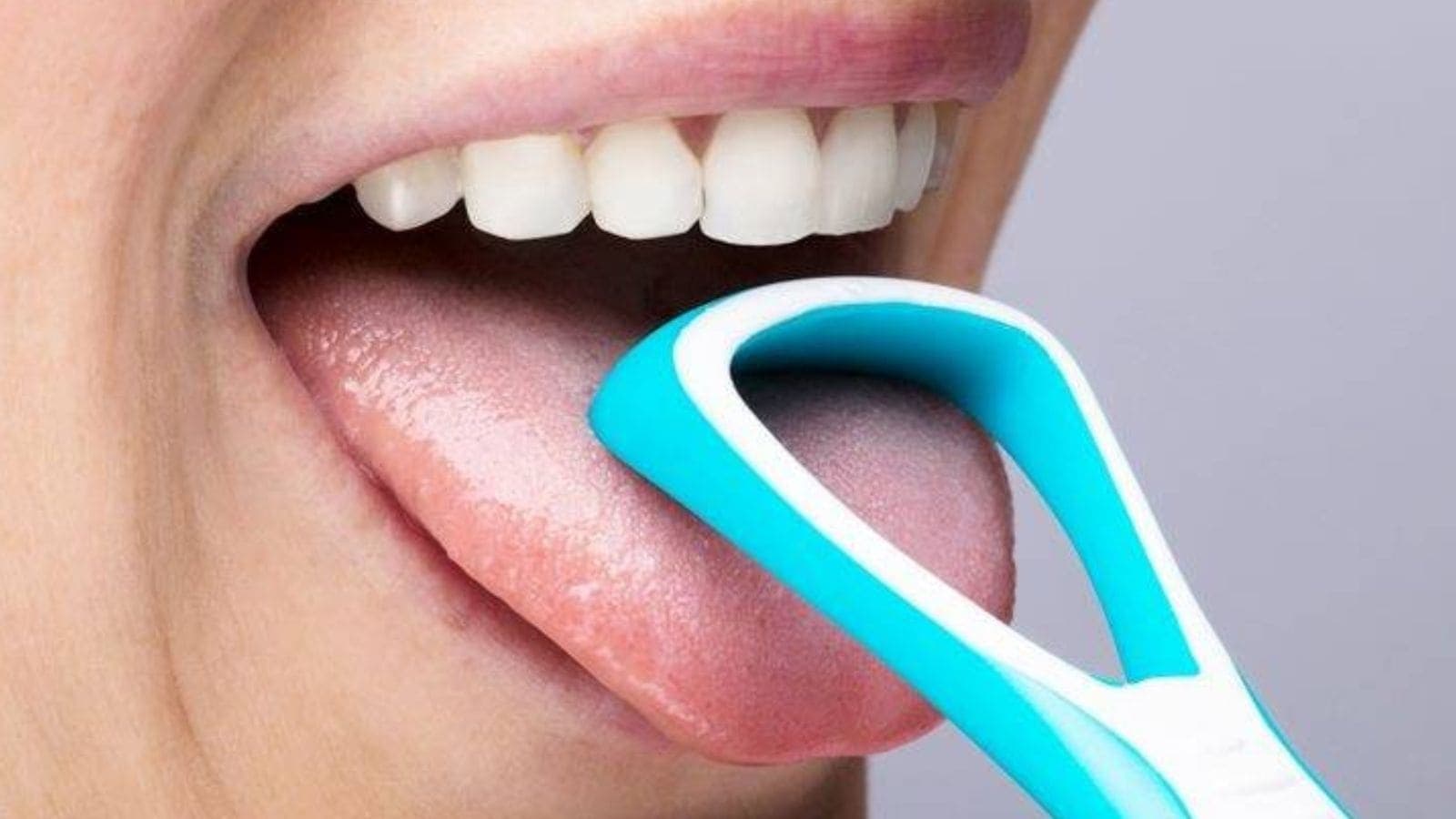
A few months ago, I treated a 23-year-old college student from Delhi, who had never smoked or consumed tobacco, for oral cancer. She came to us with what appeared to be a small ulcer on the side of her tongue, something she believed had been caused by accidentally biting herself during a hurried meal. Since it caused only mild discomfort initially, she ignored it for nearly six weeks, assuming it would heal on its own. A biopsy confirmed what she least expected: early-stage cancer of the tongue.During consultation, we found out that her meals were irregular; she often skipped them because of academic pressures. She had replaced fresh fruits and balanced home-cooked food with packaged snacks, sugary beverages and long gaps without proper nutrition. Her lifestyle was no different from other urban young adults.She came to see us when the ulcer persisted, became painful, began interfering with her speech, and eventually prompted her to seek medical help. The difference early diagnosis can make Fortunately, because the disease was diagnosed at an early stage, we were able to perform surgery that completely removed the lesion while preserving normal tongue function. Her recovery involved far more than the operation itself. It required speech rehabilitation, swallowing therapy, nutritional counselling and carefully monitored reintroduction to a normal diet. Within weeks, she regained confidence in speaking, resumed her studies, and gradually returned to her routine life. She continues regular follow-up and remains healthy today. Her story is a reminder of an emerging medical reality: oral cancer is no longer confined to smokers or tobacco users. The changing face of oral cancer For decades, oral cancer has been strongly associated with tobacco consumption, betel nut chewing and excessive alcohol intake. These remain among the most significant risk factors, particularly in India, where oral cancer continues to rank among the most common cancers.Story continues below this ad However, oncologists are increasingly diagnosing oral cancer in younger patients, women and health-conscious adults with no history of tobacco or alcohol use. The absence of traditional risk factors creates a false sense of security. Many dismiss persistent symptoms as minor dental issues, stress-related ulcers or accidental injuries, delaying evaluation until the disease has advanced. Oral cancer can develop in the tongue, gums, inner cheeks, lips, floor of the mouth, palate and throat region. Why non-smokers are at risk In non-smokers, the causes are often multifactorial and less obvious. Poor oral hygiene remains a key trigger. Chronic irritation caused by sharp or broken teeth, ill-fitting dental appliances, braces causing repeated trauma and untreated mouth ulcers can create a persistently inflamed environment. Nutritional deficiencies can weaken tissue repair mechanisms, while infection with human papillomavirus (HPV) infection has emerged as an increasingly recognised risk factor, particularly in younger adults.Story continues below this ad Family history, prolonged stress, low immunity and unhealthy dietary patterns may further increase susceptibility. While no single food directly causes oral cancer, diets high in ultra-processed foods and low in protective antioxidants may contribute to long-term inflammation and reduced oral tissue resilience. Do not ignore these symptoms One of the biggest challenges in oral cancer management is that early warning signs are often subtle and painless. A mouth ulcer that does not heal within two weeks deserves medical evaluation. Persistent white or red patches inside the mouth, unexplained bleeding, pain while swallowing, difficulty opening the mouth, loosening teeth without a dental cause, a chronic sore throat, voice changes or a lump in the neck should never be ignored. These symptoms do not always indicate cancer, but should never be dismissed. Early detection saves lives The encouraging bit is that oral cancer is hi



Discussion (0)