
Loading dispatches...
← Return to NewsroomEconomy
Explained | Bhojshala–Kamal Maula Mosque dispute: King Bhoja’s reign vs Khilji-era record debate
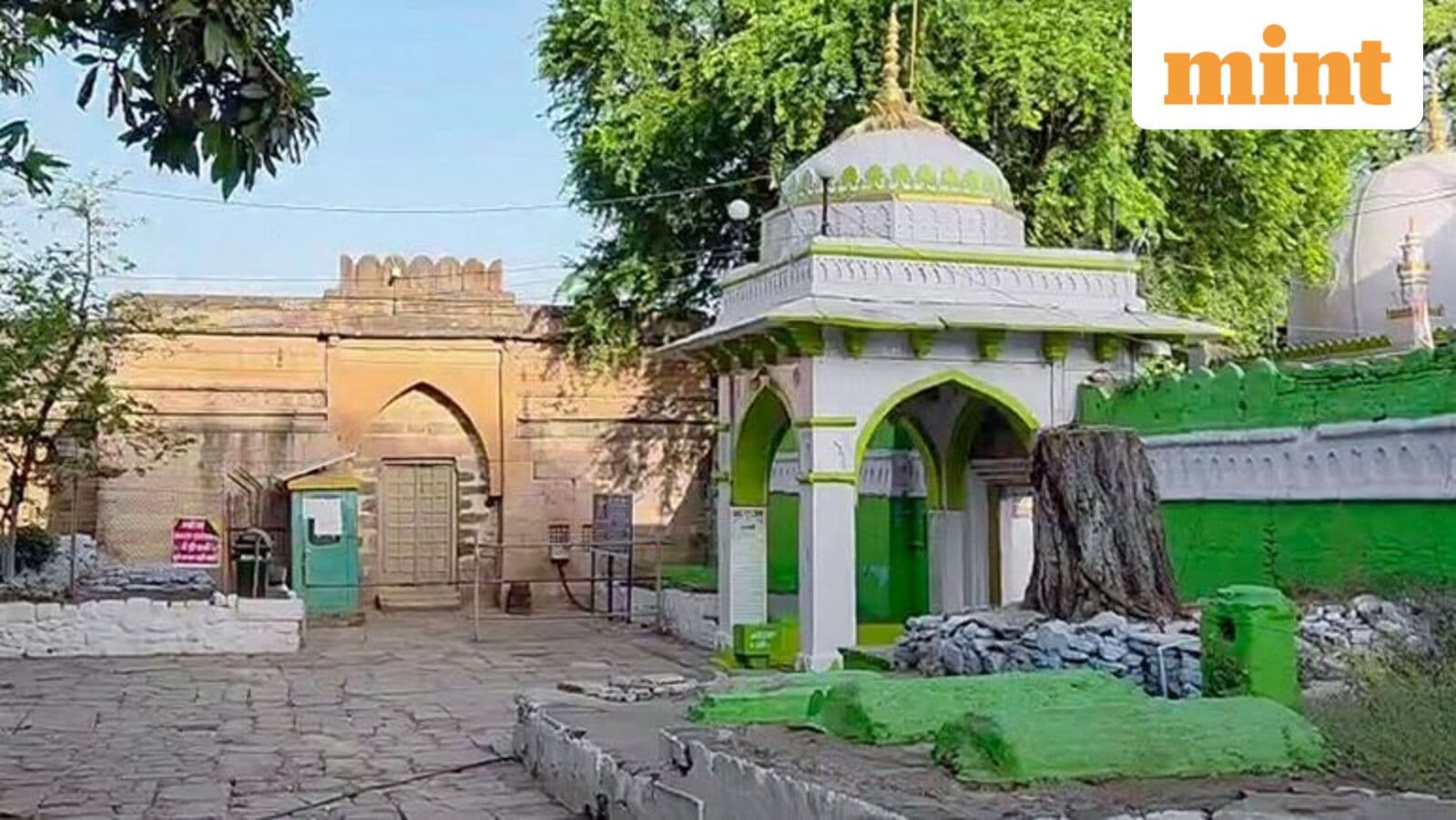
The Madhya Pradesh High Court settled the hojshala-Kamal Maula Mosque dispute on Friday, May 15, declaring that the historical site at Bhojshala is a temple dedicated to Goddess Saraswati. The court also asked the government to consider allocating alternative land to the Muslim side.Advocate Vishnu Shankar Jain said that the court "delivered a historic verdict, partially setting aside the ASI's order dated April 7, 2003."He added that the high court granted the Hindu side the right to worship and recognised the Bhojshala complex as belonging to Raja Bhoj.Bhojshala-Kamal Maula Mosque dispute | EXPLAINEDBhojshala is an 11th-century monument protected by the Archaeological Survey of India. According to Live Law, the site was regarded as a temple of the Goddess Saraswati (Vegdevi) by the Hindu community and as a mosque by the Muslim Community.In 2003, the ASI made an arrangement wherein the Hindu Community was permitted to perform puja on Tuesdays while the Muslim Community was allowed to offer namaz on Fridays, the report added.Multiple petitions concerning the site's religious and historical character were filed.One of the first petitions sought to reclaim the site for the Hindu Community, while seeking restraint against the Muslim Community from offering namaz.Following this, the high court had reportedly ordered a scientific survey of the site. On the Muslim Community's appeal, the Supreme Court had temporarily stayed the order.Later, the Supreme Court laid down a time-bound process to unseal the survey report, supply copies to parties, and consider their objections at the final hearing, Live Law claimed.In accordance with the order, the present proceedings commenced before the high court on April 6.The high court directed the ASI to upload the videographic record of the survey proceedings on a digital platform and provide access to the parties.King Bhoja reign or Khilji period? Who claimed whatCounsel appearing for the petitioners belonging to the Hindu Community argued that Bhojshala was originally a temple, dating back to the reign of King Bhoja, dedicated to the Goddess Saraswati.They claimed that the present structure bears archaeological, historic, and inscription-based evidence of a pre-existing Hindu religious site.However, counsel for the parties belonging to the Muslim Community argued that the historical records from the Khilji period and contemporaneous accounts do not mention the destruction of any Saraswati Temple at Dhar.The counsel also referred to the validity of a 1935 Alaan issued by the erstwhile Dhar ruler's permitting the Muslim Community to offer namaz at the site, according to the Live Law.Counsel for the government argued that the Alaan of 1935 was invalid as the site was already declared protected under the Ancient Monument Preservation Act of 1904. Following that, under the Ancient Monument and Archaeological Site and Remains Act 1958, ASI acted as custodian and guardian of the site.Counsel for the parties belonging to the Jain Community sought the right to offer prayers, arguing that the idol found in the British Museum belonged to the Jain Goddess Ambika. The counsel asserted that the site bears similar architectural features to the Temples in Mount Abu.What did the HC rule on May 15?A bench comprising Justice Vijay Kumar Shukla and Justice Alok Awasthi was quoted by Live Law as saying, "We have noted the continuity of the Hindu worship at the site, though regulated overtime...We record finding that historical literature of the place establishes as a centre of Sanskrit learning associated with Raja Bhoj.""It indicates the existence of temple dedicated to Goddess Sarawsati at Dhar...Therefore, the religious character of the area is held to be Bhojshala with temple of Goddess Vagdevi Saraswati," the bench added.The court directed the Centre and the ASI to take a decision for the administration and management of Bhojshala temple and Sanskrit learning within the property. The ASI will continue to have

Discussion (0)