
Loading dispatches...
← Return to NewsroomEconomy
LPG cylinder rates on May 22: How much does domestic and commercial gas cost in Delhi, Mumbai, Bengaluru today
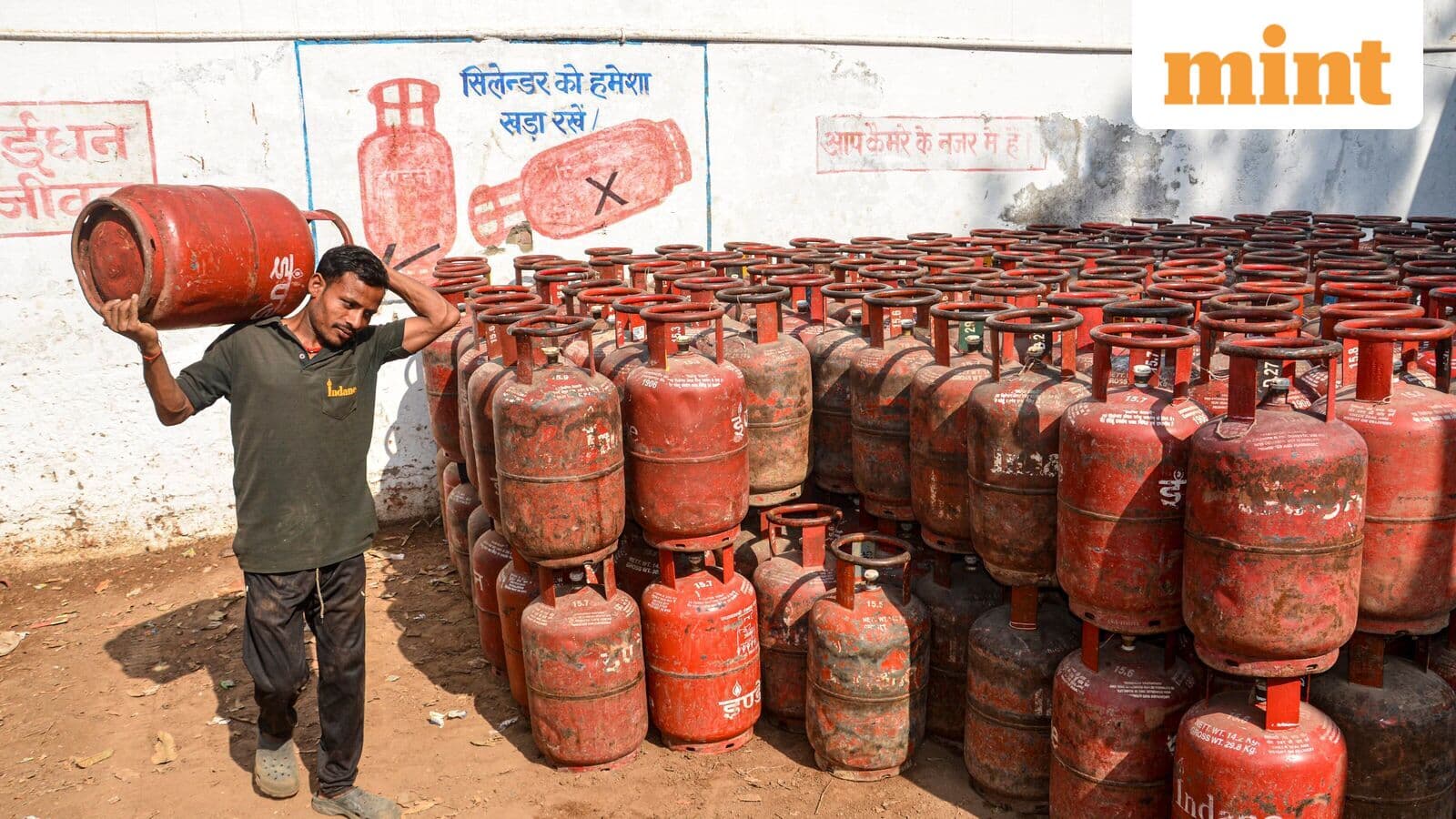
LPG cylinder rates on May 22: PM Modi has urged citizens to prioritise work from home, cut fuel consumption, avoid foreign travel for a year, adopt Swadeshi products, reduce cooking oil use, shift to natural farming and curb gold purchases.A worker arranges LPG cylinders at a gas agency (PTI)Despite growing concerns over escalating geopolitical tensions in West Asia and rising global energy costs, liquefied petroleum gas (LPG) prices across major Indian cities remained unchanged on 22 May, offering relief to millions of households already dealing with inflationary pressure.According to the latest rates issued by oil marketing companies (OMCs), the price of a 14.2-kg domestic LPG cylinder continues at ₹913 in Delhi, ₹912.50 in Mumbai, ₹939 in Kolkata and ₹928.50 in Chennai. Commercial LPG cylinder prices have also largely remained stable after the sharp hike announced earlier this month.The decision to hold domestic cooking gas prices steady comes at a time when global crude oil and LPG markets remain volatile due to fears of supply disruptions linked to tensions in West Asia. International benchmark prices for liquefied petroleum gas have fluctuated in recent weeks, particularly amid concerns surrounding the shipping route at the Strait of Hormuz.CityDomestic LPG (14.2 Kg)Commercial LPG (19 Kg)New Delhi ₹913.00 (0.00) ₹3,071.50 (+993.00)Kolkata ₹939.00 (0.00) ₹3,202.00 (+994.00)Mumbai ₹912.50 (0.00) ₹3,024.00 (+993.00)Chennai ₹928.50 (0.00) ₹3,237.00 (+990.50)Gurgaon ₹921.50 (0.00) ₹3,088.00 (+993.00)Noida ₹910.50 (0.00) ₹3,071.50 (+993.00)Bangalore ₹915.50 (0.00) ₹3,152.00 (+991.00)Bhubaneswar ₹939.00 (0.00) ₹3,238.00 (+993.50)Chandigarh ₹862.50 (0.00) ₹3,092.50 (+993.00)Hyderabad ₹965.00 (0.00) ₹3,315.00 (+994.00)Jaipur ₹916.50 (0.00) ₹3,099.00 (+993.00)Lucknow ₹950.50 (0.00) ₹3,194.00 (+993.00)Patna ₹1,002.50 (0.00) ₹3,346.50 (+993.50)Thiruvananthapuram ₹922.00 (0.00) ₹3,106.00 (+993.00)Global tensions keep energy markets on edgeEarlier this month, oil companies revised the prices of 19-kg commercial LPG cylinders upward by nearly ₹100 in several cities, citing higher international input costs. The hike impacted restaurants, hotels, and small businesses that rely heavily on commercial cooking gas. However, domestic LPG consumers have so far been shielded from additional price burdens.Reuters, citing analysts, reported that the Centre is trying to balance inflation concerns with rising subsidy pressures. Reports suggest that state-run oil companies, including Indian Oil Corporation, Bharat Petroleum and Hindustan Petroleum, are absorbing part of the losses on domestic LPG sales as global prices rise.According to a recent Reuters report, Indian Oil Corporation’s losses on LPG sales widened significantly in May due to surging international LPG prices and elevated freight costs. The report added that supply concerns linked to the ongoing West Asia crisis have increased pressure on fuel retailers globally.While consumers have welcomed the pause in price hikes, experts warn that sustained volatility in global energy markets could eventually impact domestic fuel pricing if international prices remain elevated for a prolonged period.LPG prices in India are typically revised at the beginning of every month based on changes in global crude oil prices, currency exchange rates, freight costs, and government subsidy decisions. Domestic LPG prices are especially sensitive politically due to their direct impact on household expenses.For now, Indian households continue to receive temporary relief as cooking gas prices remain unchanged despite mounting uncertainty in global energy markets.Get Latest real-time updatesStay updated with the latest Trending, India , World and US news. HomeNewsIndiaLPG cylinder rates on May 22: How much does domestic and commercial gas cost in Delhi, Mumbai, Bengaluru todayMore
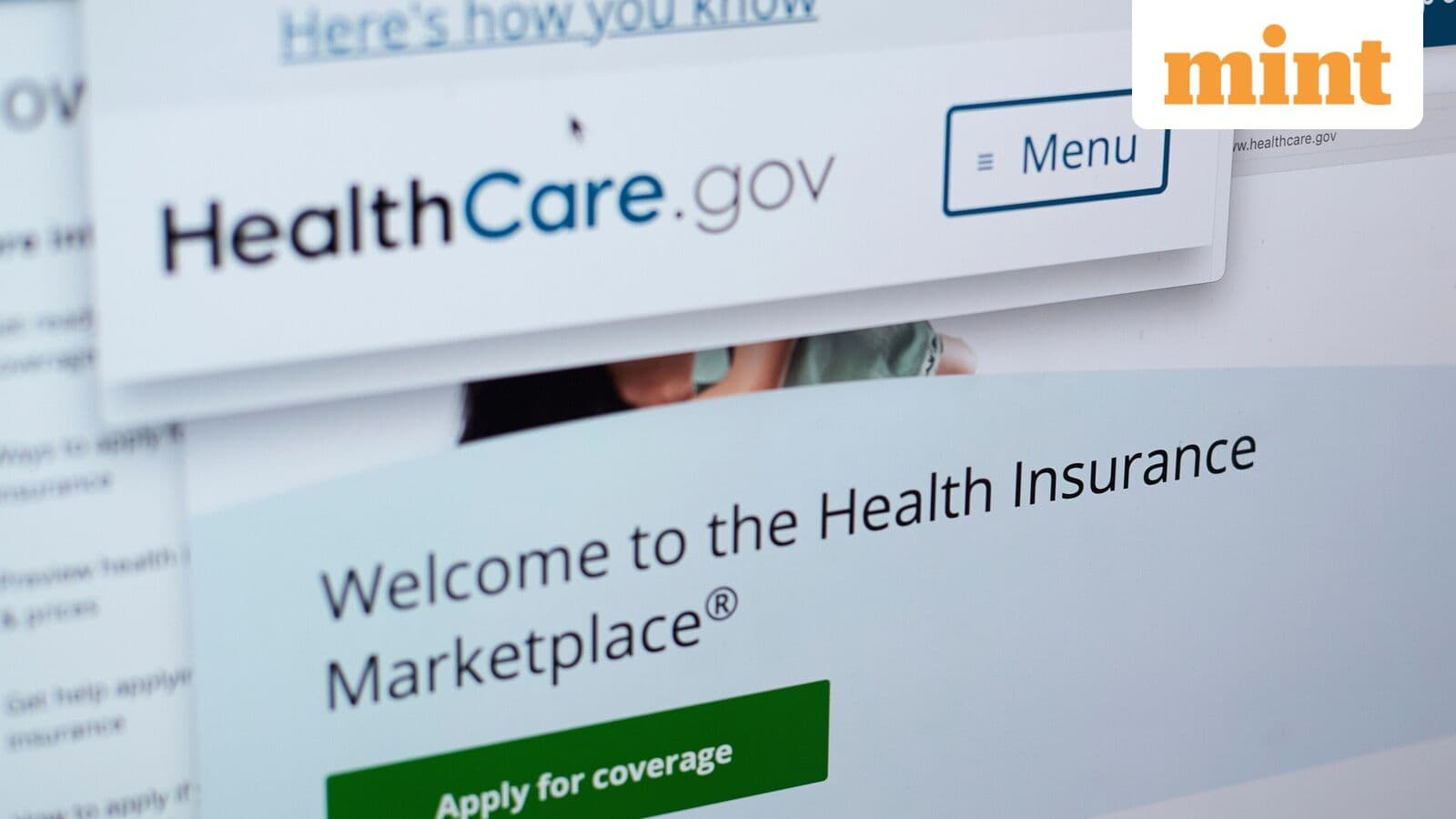
According to estimates based on data from the Wakely Consulting Group and federal Marketplace reports, average effectuated enrollment — referring to consumers who actually pay premiums and maintain active coverage — could fall to around 17.5 million in 2026, down from 22.3 million in 2025.Pages from the U.S. Affordable Care Act health insurance website healthcare.gov are seen on a computer screen in New York, Aug. 19, 2025. (AP Photo/Patrick Sison, File)(AP)Average monthly enrollment in the Affordable Care Act (ACA) Marketplace is expected to decline sharply in 2026 following the expiration of enhanced federal premium tax credits that had helped drive record coverage levels in recent years.According to estimates based on data from the Wakely Consulting Group and federal Marketplace reports, average effectuated enrollment — referring to consumers who actually pay premiums and maintain active coverage — could fall to around 17.5 million in 2026, down from 22.3 million in 2025. In a worst-case scenario, enrollment could decline to as low as 16.5 million.That would amount to a drop of between 17% and 26%, or roughly 3.8 million to 5.8 million fewer insured Americans compared with last year.Sharpest enrollment decline since ACA launchOpen enrollment sign-ups fell by more than one million people to 23.1 million during the 2026 enrollment period, marking the steepest single-year decline since ACA Marketplaces launched.However, analysts warn that plan selections do not fully reflect actual coverage because many consumers fail to pay premiums after signing up. Wakely Consulting estimates that only about 86% of January enrollees paid their first month’s premium in 2026.Federal analysts and insurers expect additional coverage losses throughout the year as rising premiums force more consumers to drop plans or miss payments.End of enhanced tax credits drives affordability crisisThe sharp decline follows the expiration of enhanced premium tax credits introduced under the American Rescue Plan in 2021 and extended through 2025 by the Inflation Reduction Act.Those subsidies had expanded financial assistance to millions of middle-income Americans and capped benchmark premium payments at 8.5% of income for many households.Without those enhanced subsidies, average monthly premium payments rose dramatically in 2026. Consumers now pay an average of $178 per month after subsidies, up 58% from $113 in 2025.Analysts said the increase would have been even larger if many consumers had not switched to lower-cost, higher-deductible plans.Consumers above subsidy cliff hit hardestThe report found that Americans earning just above the subsidy eligibility threshold were disproportionately affected.Consumers with incomes between 400% and 500% of the federal poverty level accounted for only 3% of Marketplace sign-ups in 2025, but represented 27% of the overall decline in coverage in 2026.Plan selections among this group fell by 44%, or more than 321,000 people.Overall, consumers above the so-called “subsidy cliff” accounted for nearly half of the decline in Marketplace enrollment despite making up a relatively small share of total enrollees.Deductibles jump to record highsAs premiums increased, many consumers shifted from silver plans to cheaper bronze plans with significantly higher out-of-pocket costs.The share of consumers selecting bronze plans rose from 30% in 2025 to 40% in 2026, while silver plan enrollment fell to a record low of 43%.As a result, average ACA Marketplace deductibles surged by 37%, rising from $2,759 in 2025 to a record $3,786 in 2026 — the steepest increase since the ACA marketplaces were created.Low-income consumers eligible for cost-sharing reductions also increasingly moved away from silver plans, despite those plans offering much lower deductibles.Young adults leaving coverage at high ratesYoung adults ages 18 to 34 accounted for the largest share of enrollment losses.Marketplace sign-ups in that age group declined by roughly 542,000
The plan targets the 104 million tribal citizens, about 8.6% of the country’s population, concentrated in states like Madhya Pradesh, Maharashtra, Odisha, Rajasthan, Gujarat, and Jharkhand, as well as in the Northeast. SummaryThe government plans to develop 500 tribal-managed forest homestays under a tourism scheme in FY27, aiming to generate rural employment and promote indigenous culture. The initiative will offer households up to ₹5 lakh in financial assistance to build or upgrade tourist-ready rooms.New Delhi: The government plans to convert remote forest villages into tourist destinations by building 500 tribal-run homestays in the financial year starting April 2026, as India seeks to spread the economic benefits of the travel market, two government officials said.The initiative, part of the Pradhan Mantri Janjatiya Unnat Gram Abhiyan scheme under the Swadesh Darshan programme, which has a ₹1,905 crore outlay for 2026-27, will offer tribal households financial assistance of up to ₹5 lakh each for constructing new rooms and up to ₹3 lakh for renovation of existing rooms, the two officials said on the condition of anonymity. Six projects are expected to be sanctioned under the scheme during the fiscal year, the first person mentioned above said.The plan was outlined by the expenditure department to the tourism ministry in a communication reviewed by Mint.The plan targets the 104 million tribal citizens, about 8.6% of the country’s population, concentrated in states like Madhya Pradesh, Maharashtra, Odisha, Rajasthan, Gujarat, and Jharkhand, as well as in the Northeast. The government said the initiative will create 1,000 jobs in the operations and maintenance phase.“The process for a dedicated outlay for the plan is under consideration, and it will soon be finalized,” said the second person.While the government has increased spending on tourism infrastructure schemes such as Swadesh Darshan from ₹630 crore in 2021-22 to ₹1,750 crore in 2024-25, and on PRASHAD from ₹153 crore to ₹240 crore during the same period, homestays still do not have a separate budget allocation.The tourism ministry has told Parliament that support for homestays is currently being provided through existing tourism and rural schemes. The government has, however, announced plans to support 1,000 tribal homestays with funding for construction and village infrastructure, while Budget 2025-26 also proposed collateral-free Mudra loans for homestay owners.The programme could help remove the chronic shortage of hotel rooms. It also tracks Prime Minister Narendra Modi's public calls for citizens to prioritise domestic travel, and travellers’ interest in immersive, community-led experiences.Queries sent to the ministries of finance and tourism remained unanswered till press time.Filling the rooms gapExperts and industry leaders have hailed the move as a ‘transformative step’ that showcases India’s tribal and regional cultural diversity.Rajan Bahadur, chief executive officer (CEO) of the Tourism & Hospitality Skill Council of India (THSC), told Mint that the government is taking domestic tourism seriously, with homestays expected to play a central role in the sector’s next phase of growth.“It would generate substantial livelihood opportunities while also helping showcase India’s tribal and regional cultural diversity,” said Bahadur.Dipak Deva, managing director for travel agencies Sita and Travel Corporation India Ltd (TCI) said that the proposed homestay push could become a powerful driver of rural employment, taking the economic benefits of tourism beyond heritage sites and landmark cities into grassroots communities.“Today’s traveller is looking for immersive experiences—including staying with tribal communities and exploring rural India,” Deva said, adding that such travel can also appeal to people working in high-stress industries seeking more therapeutic, experience-led holidays.The initiative could also attract overseas tourists, but experts stres


Discussion (0)