
Loading dispatches...
← Return to Newsroomgeneral
PM Modi gifts countrys traditional grains to FAO Chief: 5 rare rice varieties showcased in Italy
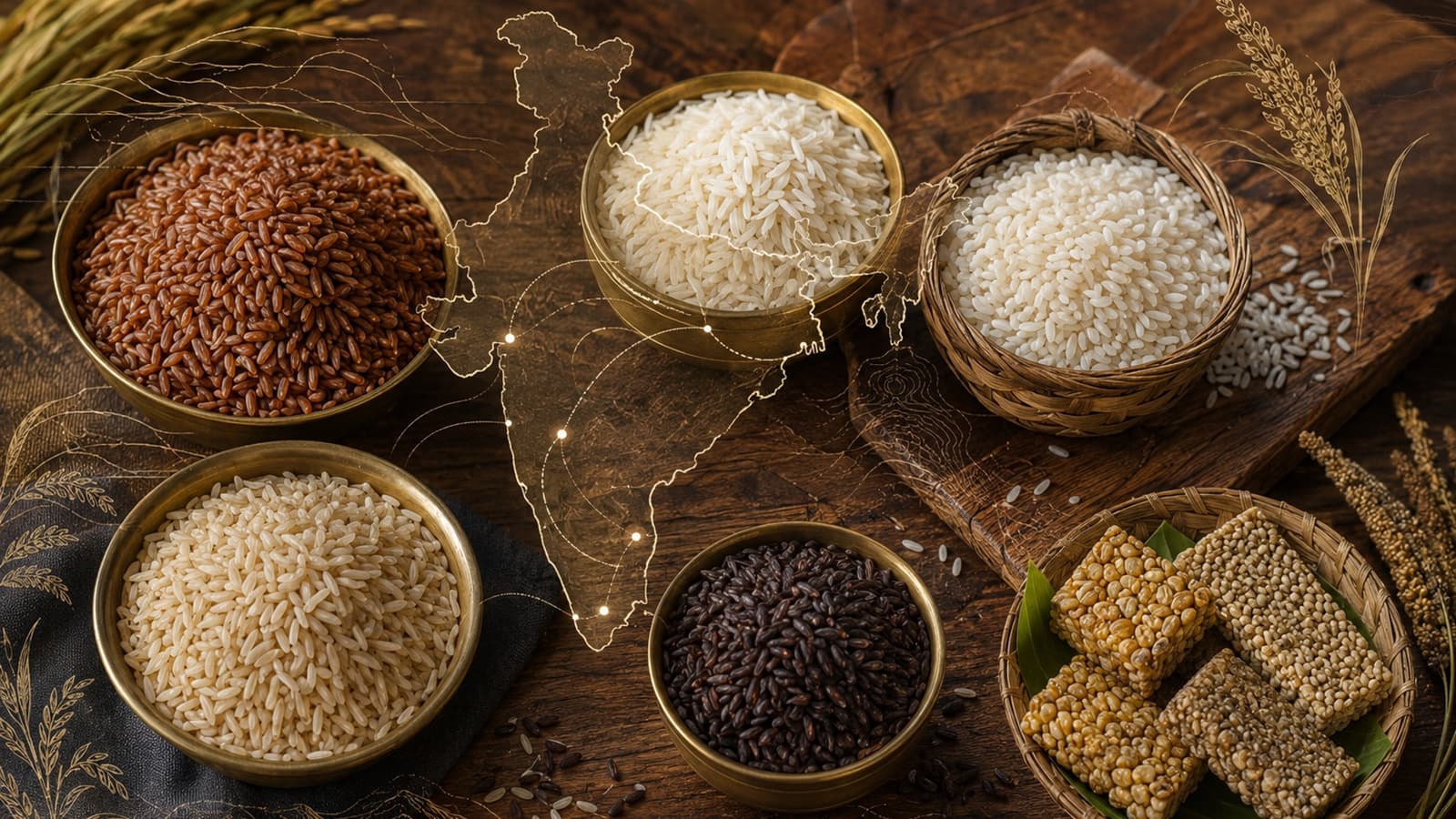
India’s food heritage extends far beyond staple grains and everyday meals; it carries stories of geography, farming traditions, climate adaptation, and local identities that have evolved across generations. Increasingly, many of these traditional crops are also drawing attention for their nutritional value and sustainability potential.According to ANI, during his visit to Italy, Prime Minister Narendra Modi presented a selection of grains and food products representing India’s agricultural diversity to the Director-General of the Food and Agriculture Organisation (FAO). The gifts included Red Rice from Kerala, Gobindobhog Rice from West Bengal, Basmati Rice from the Indo-Gangetic plains, Joha Rice from Assam, Kalanamak Rice from Uttar Pradesh, and millet bars from Maharashtra. The selection highlighted varieties that differ significantly in texture, aroma, cultivation methods, and nutritional profiles.DISCLAIMER: This article is based on information from the public domain and/or the experts we spoke to. Always consult your health practitioner before starting any routine. Among them were GI-tagged and region-specific varieties with distinct characteristics: Palakkadan Matta Red Rice, known for its reddish hue and nutrient content; Gobindobhog rice, recognised for its buttery aroma and sticky texture; Basmati, often called the ‘Queen of Fragrance’ because of its elongated grains and aroma; Joha rice, an indigenous aromatic rice from Assam rich in volatile oils; and Kalanamak rice, sometimes referred to as “Buddha Rice,” valued for its low glycaemic index and nutrient profile. The inclusion of millet bars, made from crops such as jowar and bajra, also reflected the growing effort to merge traditional ingredients with contemporary eating habits. The discussion opens up larger questions around why traditional grains are regaining attention today, whether nutritional benefits differ significantly among these varieties, and how ancient crops can fit into modern lifestyles. How geography, climate, and local cultural practices shape the evolution of such grains Alok Singh, Agriculturist and Founder of Diga Organics, Teria, Ambedkar Nagar, Uttar Pradesh, tells indianexpress.com, “Indigenous rice varieties evolved through a close interaction between environment and cultural practices over generations. Palakkadan Matta developed in Kerala’s humid climate and nutrient-rich soils, becoming a staple for farming communities. Gobindobhog thrived in Bengal’s fertile alluvial plains and was selectively grown for temple offerings, prioritising aroma. Basmati emerged in the Himalayan foothills, where climate conditions support its long grains and fragrance. Assam’s Joha adapted to the Brahmaputra Valley’s flood-fed ecosystem, while Kalanamak evolved in Uttar Pradesh’s Terai region and was preserved through strong cultural and Buddhist associations.” Processing methods and cooking styles Anshul Singh, Team Lead, Clinical Nutrition and Dietetics Department, Artemis Hospitals, mentions that the nutritional value of rice depends on the variety as well as the processing and cooking methods. He notes, “Traditional varieties like red rice keep the outer bran layer and hence are higher in fibre, iron and antioxidants. Aromatic rice varieties such as Gobindobhog, Joha, Kalanamak and Basmati differ mainly in aroma, texture and glycaemic response. In the milling process, highly polished white rice loses a large amount of vitamins and minerals. And cooking methods matter too. Excess washing, draining starch water and overcooking may reduce nutrients. On the other side, cooling rice after cooking but before eating it may boost resistant starch which may aid blood sugar control and gut health.”Story continues below this ad How traditional foods can evolve for modern lifestyles Adapting traditional grains into products such as millet bars can help keep ancient crops economically relevant, Alok states, but preserving cultural identity requires balance. Farmers



Discussion (0)