
Loading dispatches...
← Return to NewsroomPolitics
India home to 191 species of cockroaches, 60% of them are endemic, says ZSI study
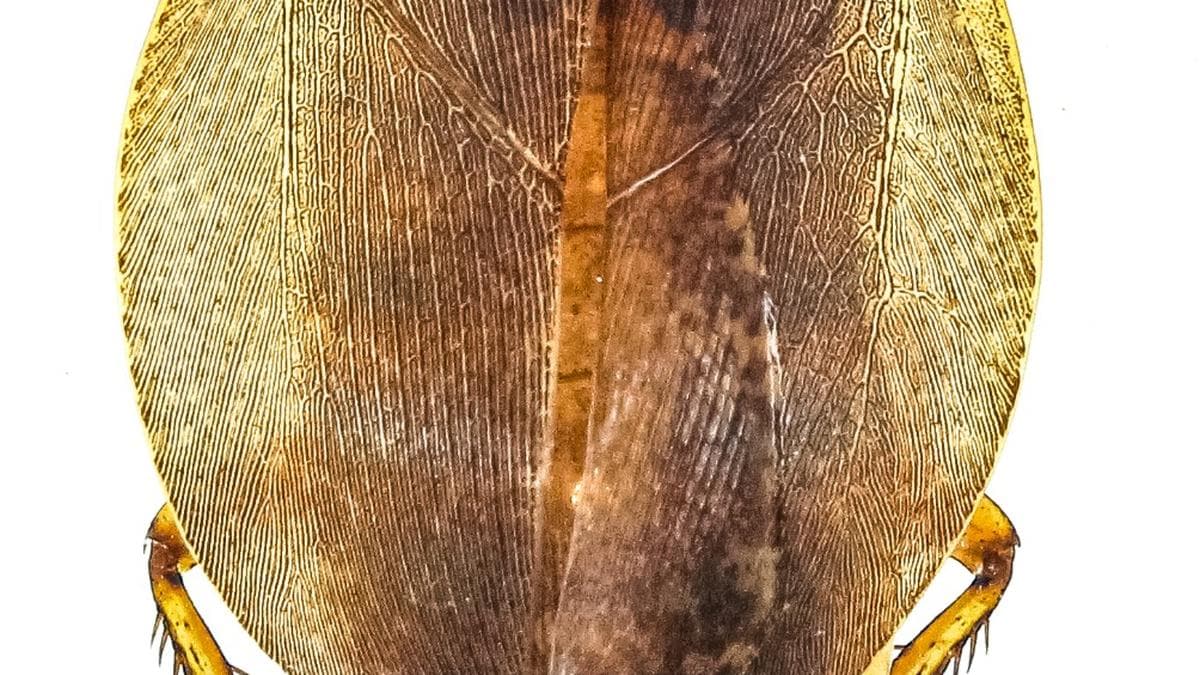
Rhabdoblatta subsparsa (Walker, 1868). | Endemism is the ecological state where a species or taxonomic group is native to a single, highly defined geographic location. The publication titled DNA barcodes and species delimitation reveal overlooked diversity in Indian cockroaches (Blattodea), reveals that India’s hidden cockroach diversity is far greater than previously recognized.The paper points out that at present 191 extant species of cockroaches Blattodea have been documented in India, distributed across 74 genera, with 126 species having defined type localities within the country.“Notably, 119 of these species are endemic to India, yet less than 20% of this diversity is represented by genetic data in public databases. This substantial gap in molecular data limits the resolution of the systematics of Indian cockroaches and their representation in global phylogeny,” the paper says.As per the study recently published in journal Zootaxa, scientists from ZSI and Prof Ramkrishna More College, have developed the first and largest DNA barcode reference library for the cockroaches of peninsular India.DNA barcoding functions like a supermarket scanner, utilizing short, standardized DNA sequences to achieve rapid and highly accurate species identification.“The study highlights the growing power of DNA barcoding as a globally recognized tool for uncovering hidden species diversity, resolving taxonomic ambiguities, and documenting poorly known groups such as cockroaches,” said Dhriti Banerjee, Director, Zoological Survey of India, Kolkata.The study pointed out that of the 126 species originally described from India, only 40 have been recollected and confirmed through fresh specimens and the remaining 86 species are known only from their original descriptions, with type specimens deposited in abroad museums making direct physical comparisons currently unfeasible.“DNA barcode studies on the cockroaches of Peninsular India have opened new avenues for understanding the evolutionary diversification of endemic lineages, revealing possible Gondwanan biogeographic affinities and highlighting how long-term geographic isolation and continental history shaped the fauna of the Indian subcontinent,” Shabnam, lead author of the paper said.K.P. Dinesh, team leader of DNA Barcoding Studies, from ZSI’s Western Regional Centre, Pune said that while cockroaches are widely misunderstood and stereotyped purely as household pests, the vast majority of wild species are harmless.“As one of the oldest and most diverse insect groups on Earth, they play a vital role in maintaining natural ecosystems by decomposing organic matter, recycling nutrients, and supporting forest food webs. Furthermore, because these wild species are highly sensitive to environmental disturbances, they serve as crucial indicators of ecosystem health,” Dr. Dinesh said.The findings underscore an urgent need for continued exploration and molecular documentation to safeguard the nation’s rich biological heritage, the scientist said.A few months ago in March 2026, researchers discovered a new species of cockroach, Neoloboptera peninsularis, lurking within the agricultural landscapes of the Deccan Peninsula. Scientists moved beyond traditional physical descriptions and used DNA barcoding for the discovery of the new species. There are about 5000 species of cockroaches found across the world and India represents approximately 3.8% of global diversity of cockroaches. Published - May 27, 2026 07:28 am IST
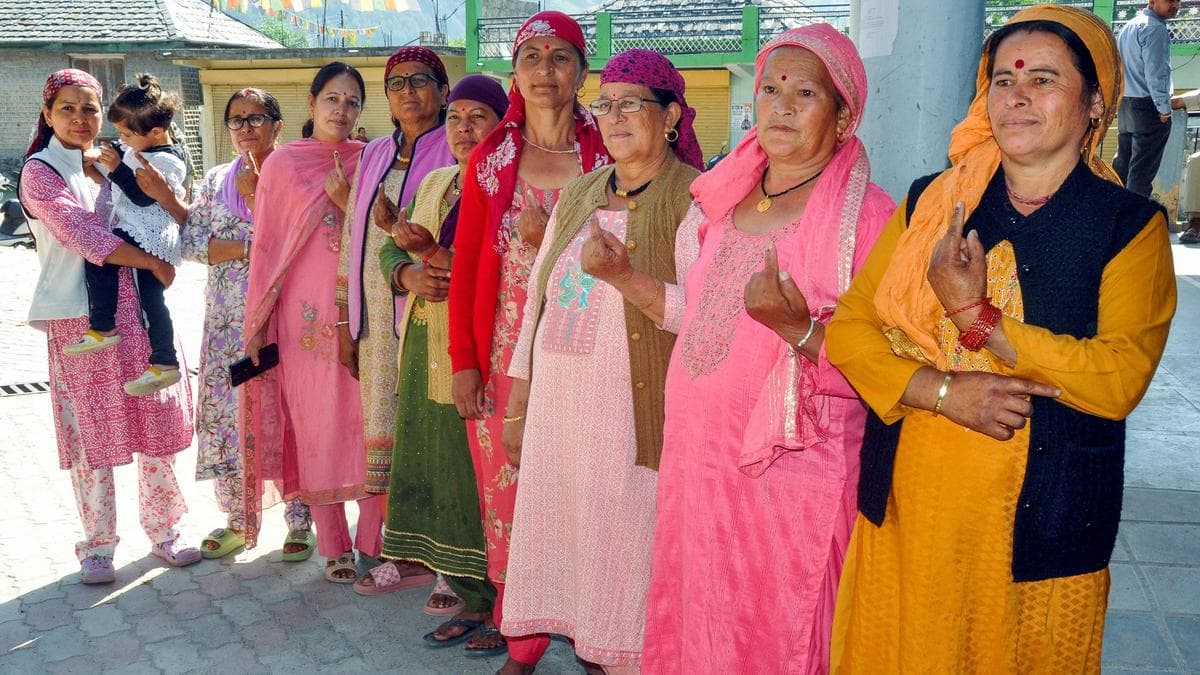
Over 78% polling was recorded in the first phase of the Himachal Pradesh panchayat elections on Tuesday (May 26, 2026) as women voters polled 6% more than men, officials said.Voting for 1,293 panchayats began at 7 a.m. and concluded peacefully at 3 p.m., amid a ‘yellow’ alert for heatwave conditions in Una, Bilaspur, Hamirpur, Kangra, Solan and Sirmaur districts.According to the State Election Commission data, 78.55% voters exercised their franchise till 3 p.m. Women voters outnumbered men in 10 out of 12 districts.The data showed that 81.76% of women voters turned up at polling booths, as against 75.43% of men.The highest turnout was recorded in Kullu district at 84.43%, followed by 82.57% in Sirmaur, 81.06% in Solan, 80.53% in Chamba.Shimla recorded 79.80% voter turnout, Mandi 79.39%, Una 78.76%, Bilaspur 77.39%, Kangra 75.75%, Hamirpur 73.05% and Kinnaur 73.59%.Lahaul and Spiti district recorded the lowest turnout at 69.40%, according to the official data.About 97% voter turnout, the highest in the state was recorded at Kunar-dhoman gram panchayat in Sirmaur district.In Maindi, a ward of Karsog in Mandi district, the voting for a panchayat samiti was cancelled as the name of one of the candidates was missing from the ballot paper.There are about 2,500 voters in the ward and the name of one candidate, Hoshiyar Singh was not in the list. An enquiry has been ordered, officials said.The elections were also postponed in ward number 3 of Chambi panchayat in Chamba as one of the candidates’ contesting elections died. The polls were also cancelled/postponed in ward number 1 of Brandhli in Naren gram panchayat in Rampur in Shimla district as stamp of NOTA was used in the ballot paper.“The polling was peaceful across the state. The voting for a panchayat samiti would be held again in one ward in Mandi district as the name of one of the six candidates was missing from the list,” State Chief Election Commissioner Anil Khachi told PTI.In Bilaspur district, 113-year-old Manglu Devi exercised her right to vote at the ‘Pink Booth’ established within the Seu Gram Panchayat, located in the Ghumarwin development block.A resident of Bhadrog village, Manglu Devi had arrived at the polling station accompanied by other family members to cast her ballot. She is one of the oldest women to have cast her vote in these elections.District Election Officer (Panchayat) and Deputy Commissioner Bilaspur, Rahul Kumar, lauded Manglu Devi’s spirit, remarking that her participation in this “festival of democracy” would inspire other voters and serve as a source of inspiration for the youth.Women’s empowerment was at display at Ghanghal Panchayat in Dhanotu Development Block of Mandi district as the responsibility for conducting the elections was entrusted to female officials and staff, not merely at a single ‘women-only polling booth’, but across the entire panchayat.Women exclusively manned the electoral front at all five polling stations within the panchayat, ensuring that the voting process proceeded in a peaceful and orderly manner throughout the day, Sub-divisional Magistrate Smritika Negi said.The objective behind this initiative is to bring women to the forefront of leadership and administrative responsibilities, she added.Negi said that after the success achieved in Ghanghal Panchayat, this same all-women team will now assume responsibility for all five polling stations in Chowk Panchayat during the next phase of voting, scheduled for May 28.More than 16.5 lakh voters were eligible to exercise their franchise in the first phase. Over 9,000 candidates are in the fray for positions of gram panchayat members, pradhans, up-pradhans, panchayat samiti members and zila parishad members.The elections are being held using colour-coded ballot papers, white for ward members, yellow for up-pradhans, green for pradhans, pink for panchayat samiti members and blue for zila parishad members.The State Election Commission said the counting for gram panchayat members, pr

The recent developments within the Aam Aadmi Party (AAP), appear to have dealt a decisive blow to its representation in the Rajya Sabha. On April 24, 2026, seven out of its 10 sitting Members of Parliament, publicly announced that over two-thirds of the party’s MPs had decided to merge with the Bharatiya Janata Party (BJP), invoking the provisions of the 10th Schedule of the Constitution.While the development has attracted widespread political attention, its implications extend beyond immediate partisan concerns. It raises significant constitutional questions regarding the interpretation of the anti-defection law, particularly the scope of the “merger” exception under the 10th Schedule. Nor is the episode entirely unprecedented. Similar assertions of legislative strength have been witnessed at the State level, most notably in the case of the Eknath Shinde-led faction in the Shiv Sena within the Maharashtra Assembly. However, the present instance assumes greater significance as it unfolds at the national level, involving MPs in the Rajya Sabha, thereby amplifying its constitutional and political consequences. The 10th Schedule, introduced by the 52nd Constitution Amendment Act, 1985, expanded this framework to address the persistent problem of political defections adding another ground for disqualification of members to be decided by the Speaker or Chairman. The objective was to curb the practice of elected representatives abandoning their parties for political gain, by attaching the consequence of disqualification.At the same time, the Schedule originally carved out two exceptions, “split” under Paragraph 3 and “merger” under Paragraph 4. The first, which recognised a split in a legislature party where one-third of its members formed a separate faction, was subsequently deleted by the 91st Constitution Amendment Act, 2003, following recommendations of Electoral Reforms (Dinesh Goswami Committee) in May 1990 and the 170th Law Commission Report, 1999. This deletion marked a conscious shift away from recognising internal fractures within legislature parties as a legitimate defence to defection.The omission of Paragraph 3 carries deeper implications. The concept of “split” had implicitly recognised a degree of autonomy in the legislature party vis-à-vis the political party. Its removal signals Parliament’s clear intent to restore primacy to the political party as the central unit of democratic accountability.The Supreme Court of India has also reinforced this position in Subhash Desai vs Principal Secretary, Governor of Maharashtra (2023), where a Constitution Bench declined to interpret the 10th Schedule in a manner that severs the figurative umbilical cord between a legislature party and its parent political party. The Court underscored that the political party continues to guide and control the actions of its elected members, even after electoral victory.Watch | AAP loses 7 Rajya Sabha MPs in one blow, what now? | The Hindu ExplainsThe merger exception in questionThe present controversy centres on the interpretation of Paragraph 4 of the 10th Schedule, which provides immunity from disqualification in cases of merger. The key question is whether such a merger can be effected solely by two-thirds of the members of a legislature party, or whether it must necessarily be preceded by, or reflect, a decision of the original political party itself.A plain reading of Paragraph 4 suggests that the exemption applies where the “original political party” merges with another political party. The emphasis, therefore, is on the merger of the political party, not merely
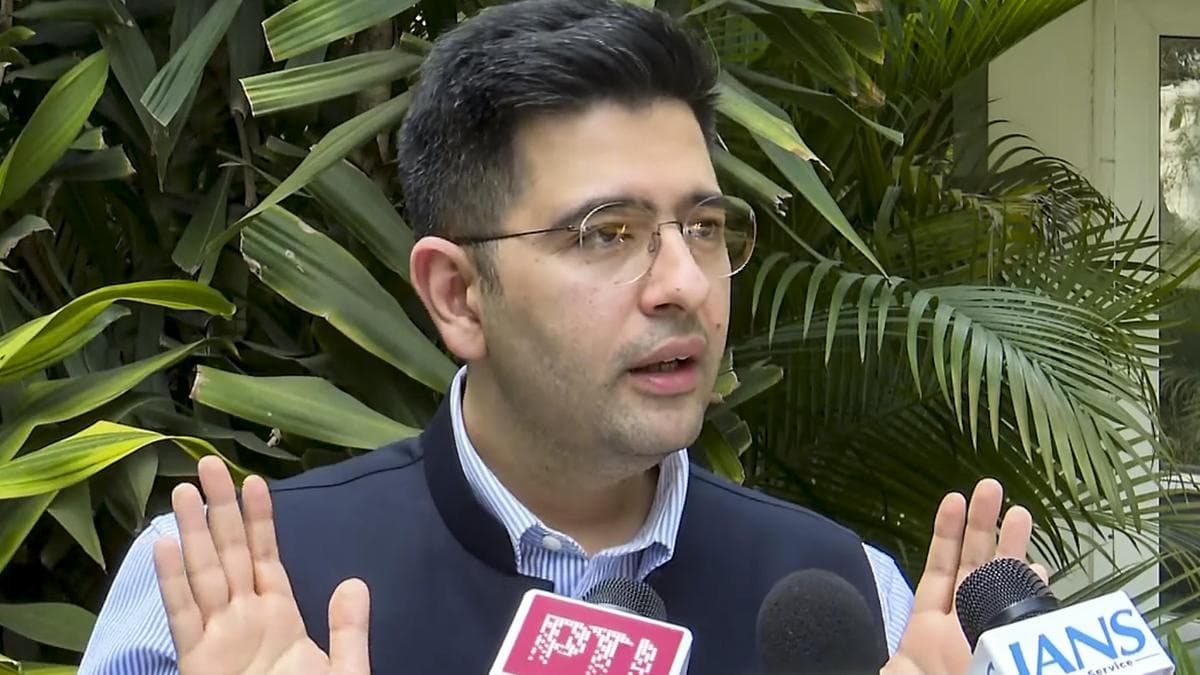
The members of the panel, besides Raghav Chadha, are: Harsh Mahajan, Gulam Ali, Shambhu Sharan Patel, Mayankkumar Nayak, Masthan Rao Yadav Beedha, Jebi Mather Hisham, Subhasish Khuntia, Rwngwra Narzary, and P. Sandosh Kumar. File | After reconstituting the Committee on Petitions, Rajya Sabha chairman C.P. Radhakrishnan nominated 10 members of the house to the panel. "Raghav Chadha has been appointed Chairman of the Committee," a Rajya Sabha notification said. The panel has been reconstituted by the Rajya Sabha chairman with effect from May 20, it said.The members of the panel, besides Mr. Chadha, are: Harsh Mahajan, Gulam Ali, Shambhu Sharan Patel, Mayankkumar Nayak, Masthan Rao Yadav Beedha, Jebi Mather Hisham, Subhasish Khuntia, Rwngwra Narzary and P. Sandosh Kumar.In another notification, the Rajya Sabha secretariat said, "The Chairman, Rajya Sabha has, on 20 May 2026, nominated Dr. Menaka Guruswamy, Member, Rajya Sabha to be a member of the Joint Committee on the Corporate Laws [Amendment] Bill, 2026."Earlier, on April 26, Raghav Chadha, with six other AAP Rajya Sabha MPs, quit the Aam Aadmi Party. Mr. Chadha accused AAP of having completely strayed from its core principles and values. “The very party that was formed with a solemn vow to eradicate corruption has today fallen disastrously into the hands of corrupt and compromised individuals,” he said, adding that he distanced himself from AAP about a year ago as he “did not want to be complicit in their wrongdoings”. Published - May 23, 2026 02:02 pm IST
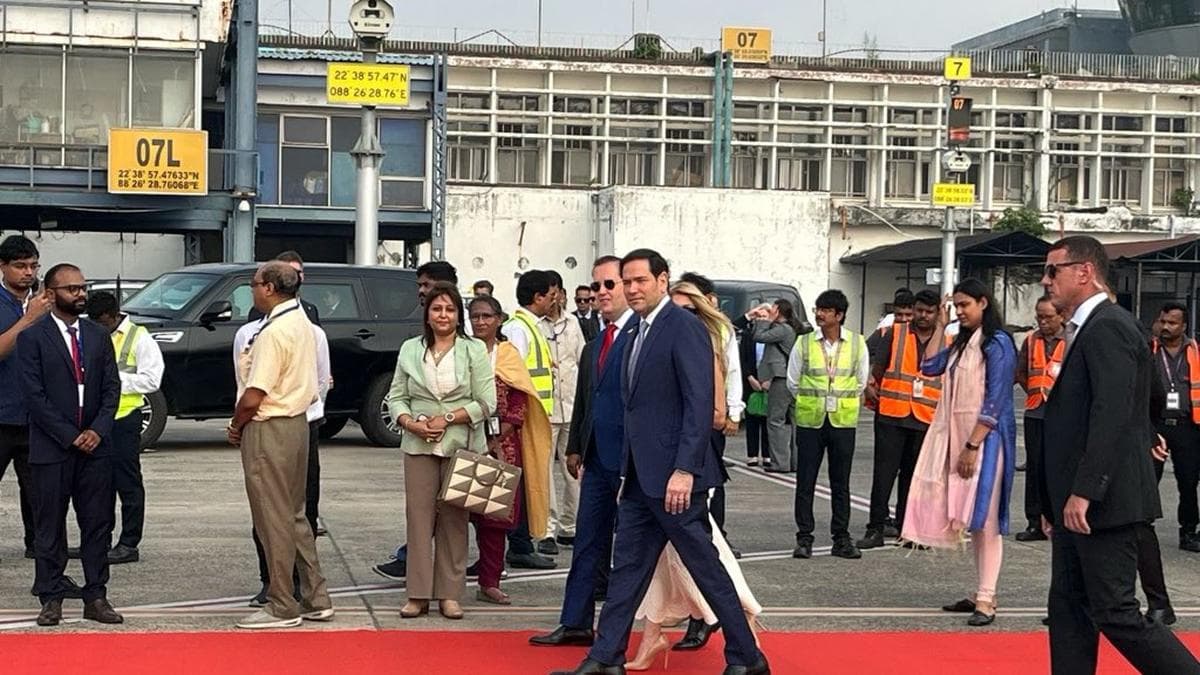
U.S. Ambassador to India Sergio Gor (L) welcoming U.S. Secretary of State Marco Rubioin Kolkata on May 23, 2026. Photo: X/@USAmbIndia U.S. Secretary of State Marco Rubio arrived in Kolkata on Saturday (May 23, 2026) for his four-day diplomatic tour to India, with the city marking the opening leg of a visit that carries considerable political and historical resonance.His arrival in the eastern metropolis ended a 14-year hiatus since an American secretary of state last visited the city, coming only weeks after West Bengal witnessed a landmark political transition with a BJP-led government assuming office.In a post on X, U.S. Ambassador to India Sergio Gor said, "Secretary Marco Rubio has landed in Kolkata. This is his first trip to India. Later today, we will call on Prime Minister @narendramodi in New Delhi. Trade, Technology, Defense, QUAD, and many other items to discuss and advance over the next few days!" Mr. Rubio became the first U.S. secretary of state to set foot in Kolkata since Hillary Clinton visited the city in May 2012.Although the U.S. Department of State was yet to publish Rubio’s Kolkata itinerary, sources in the U.S. Consulate said he is likely to visit Mother House, the headquarters of Saint Teresa’s Missionaries of Charity in central Kolkata.Mr. Rubio’s India itinerary, scheduled from May 23 to 26 and also encompassing Agra, Jaipur, and New Delhi, is being viewed as diplomatically significant for his scheduled energy talks with India and the meeting with Ministers from the Quad nations.“Well, we want to sell them as much energy as they'll buy. And obviously, you've seen I think we're at historic levels of U.S. production, and U.S. export,” Mr. Rubio told reporters in Miami before he embarked on the trip to Sweden and India.Responding to a question about India being affected by high energy prices due to the closure of the Strait of Hormuz, Mr. Rubio described India as a "great partner" and said he was looking forward to meeting with Ministers from the Quad nations.The Quad meeting is planned for May 26, and it is scheduled to be attended by Mr. Rubio, Australian Foreign Minister Penny Wong and Japanese Foreign Minister Motegi Toshimitsu, with Indian External Affairs Minister S Jaishankar presiding over it. Published - May 23, 2026 07:31 am IST
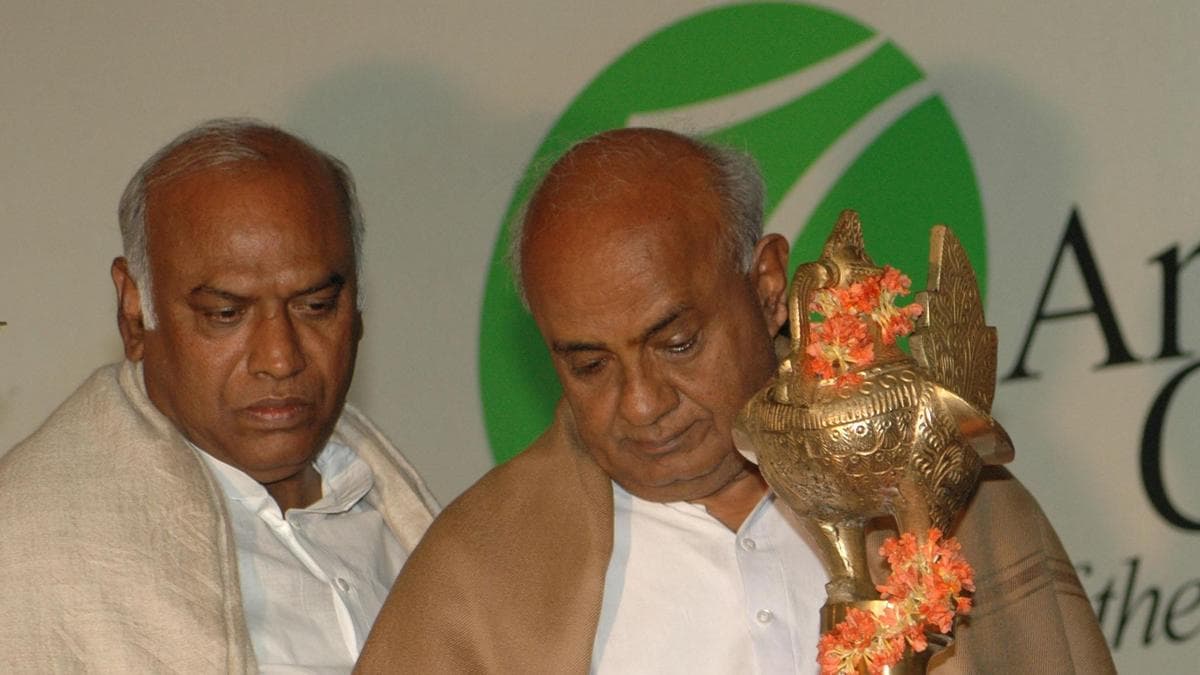
A file photo of Leader of Opposition in Rajya Sabha Mallikarjuna Kharge and former Prime Minister H. D. Deve Gowda, who are among the leaders whose term in the Upper House is coming to an end. | Political activity in the ruling Congress and opposition BJP is likely to intensify in the coming days with the notification of elections for four seats in the Rajya Sabha from Karnataka by the Election Commission of India on May 22. The elections will be held on June 18. The Congress is expected to win three seats while the BJP is likely to get one seat.The elections have been necessitated by the completion of the term of senior leaders Prime Minister H.D. Deve Gowda JD(S), Leader of Opposition in Rajya Sabha Mallikarjuna Kharge (Congress), and BJP members K. Narayana and Iranna Kadadi.As many as 24 seats, including four from Karnataka, from 10 States across the country are falling vacant. In all, Karnataka sends 12 members to the Rajya Sabha. At present, Congress has five members, BJP has six, and JD(S) has one member in the Upper House from Karnataka.As per the election scheduled announced, while the last date for filing nominations is June 8, the last date for withdrawal is June 11. The election will be held on June 18. Counting of votes will be taken up on the same day.Future of Deve GowdaThe election is coming amid the leadership tussle in the Congress between Chief Minister Siddaramaiah and Deputy CM D.K. Shivakumar.The other topic of speculation of the future of Janata Dal supremo H.D. Deve Gowda. The JD(S), which is an ally of the BJP, does not have the numbers to get a candidate elected on its own. It is to be seen whether the BJP would accommodate the nonagenarian leader in the lone seat that it is capable of winning. JD(S) sources said there has been no discussion on this issue so far.There is speculation in the BJP that former Chief Minister D.V. Sadananda Gowda could be its choice, though a final decision is yet to be made.Balancing Vokkaliga and Lingayat communitiesIn the Congress, which is set to win three seats, Mr. Kharge, who is also the Congress president, is likely to keep his seat. Sources said that a Lingayat leader could be nominated for one seat since there has been no Lingayat representation from the Congress in the Upper House of Parliament for over two decades. Veerashaiva-Lingayats are a land-owning community that has high stakes in the State’s politics through their presence in both the Congress and BJP.According to sources, the Congress is trying to bring a balance among the caste groups since the Vokkaliga community is already represented through G.C. Chandrashekar. Syed Naseer Hussain represents the Muslim community and Jairam Ramesh the Brahmins. The other member of the Congress from Karnataka is its national leader Ajay Maken, who is a Delhi-based leader.“It is likely that the third seat could see a leader from the OBC communities,” sources said. “The discussions on the party’s nominees had taken a back seat due to elections to five State assemblies, the results of which were declared on May 4. Now, the contenders in the Congress will begin lobbying.” Published - May 22, 2026 04:18 pm IST

Discussion (0)