
Loading dispatches...
← Return to Newsroomgeneral
‘Signal’ trap: How retired banked was kept in ‘digital arrest’ for 21 days, duped of Rs 10 lakh
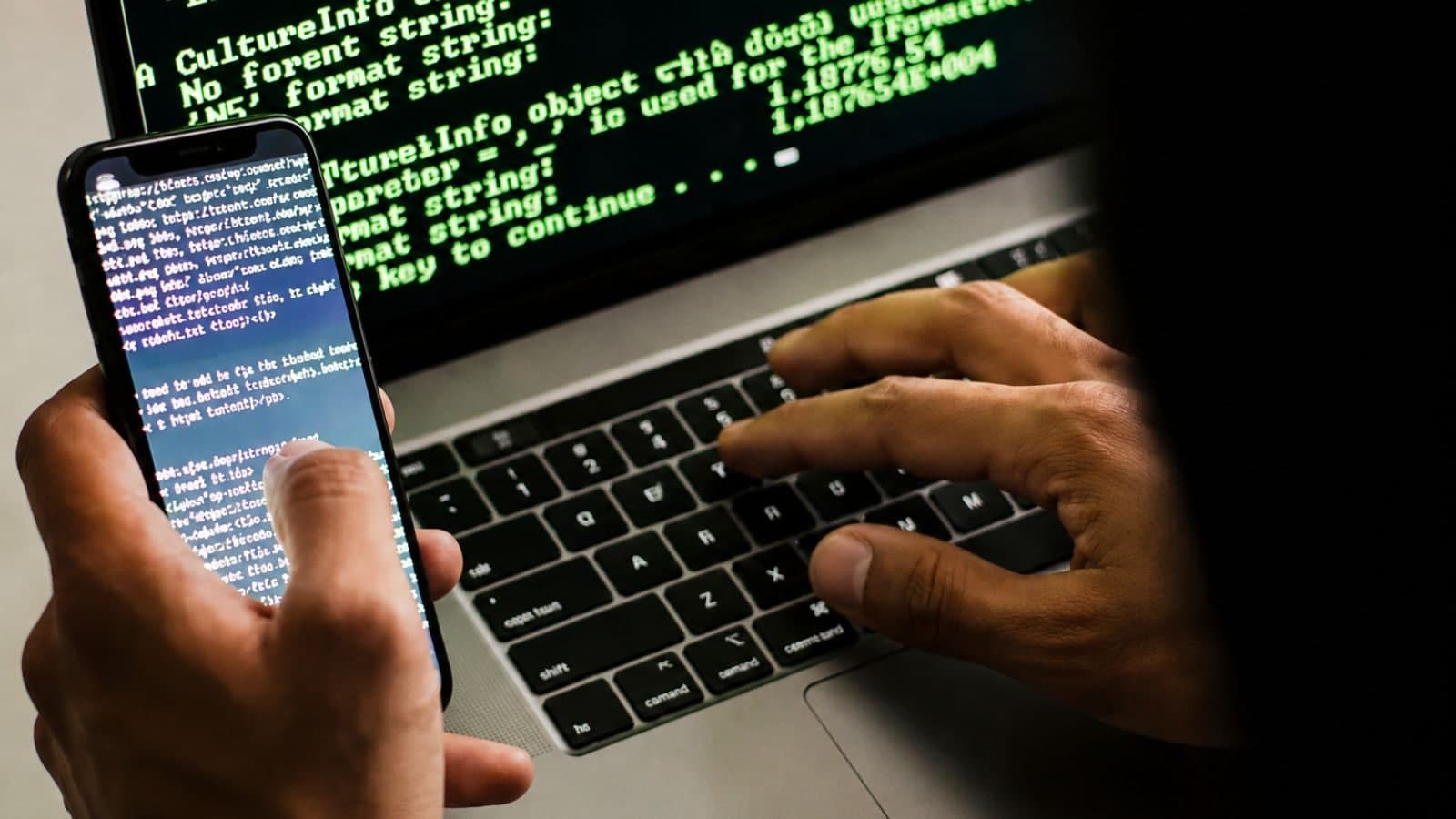
New DelhiUpdated: May 22, 2026 12:57 PM IST Cyber fraudsters had earlier relied mostly on WhatsApp calls, a more common communication platform among users. (File Photo, enhanced using AI)For 21 days, a 69-year-old retired banker was kept under a “digital arrest scam”. First, the fraudsters forced him to download the Signal app, claiming it was an “authorised mode of communication.” The profile picture of their account displayed the initials “ATS,” commonly associated with the Anti-Terrorism Squad, to make the communication appear official.Then, through phone calls and messages on Signal, the scammers psychologically intimidated the victim and falsely implicated him in a fake Rs 7 crore money-laundering case. Police said he was coerced into making payments, which were later routed through mule bank accounts and cryptocurrency channels. The victim ultimately lost Rs 10 lakh. Police said the case came to light when the victim approached the Cyber Police Station in West Delhi on April 15. In his complaint, he alleged that between March 23 and April 14, he was repeatedly threatened with arrest and attachment of his property in connection with the fake case. He was allegedly persuaded to transfer Rs 10 lakh into a Federal Bank account on the pretext of account verification and legal clearance. The fraudsters even tried to convince him to take loans against his LIC policies to extort more money. Four people have been arrested for allegedly being part of the syndicate and providing bank accounts used in the transactions. Shift in scamster playbook According to police, the unique aspect of this case was the use of the Signal app, an end-to-end encrypted messaging platform.Story continues below this ad A police officer said Signal is increasingly being used by foreign-based gangsters to communicate with their associates in India because law enforcement agencies often cannot access call logs or IP details due to the app’s end-to-end encryption. Cyber fraudsters had earlier relied mostly on WhatsApp calls, a more common communication platform among users. Investigators said fraudsters also use VPNs (Virtual Private Networks) along with WhatsApp to mask their digital footprints and conceal their identities. In the present case, police said the syndicate operated through two distinct chains — one group, apparently operating from abroad, kept the victim under constant threat for 21 days and forced him to download the Signal app, while another group in India handled the transfer of money through mule accounts. Cracking the case Deputy Commissioner of Police (West) Darade Sharad Bhaskar said a dedicated team led by SHO Inspector Vikas Kumar and SI Gaurav, under the supervision of ACP (Operations) Vijay Singh, meticulously tracked the money trail using technical, financial, and human intelligence to identify the accused.Story continues below this ad Police teams conducted raids in Ludhiana in Punjab and Jamshedpur in Jharkhand, and arrested the four suspects: -Ashok Kumar, 65, tailor master from Kakowal, Ludhiana. Police said he was the beneficiary of a PNB account that received the cheated funds. He allegedly withdrew cash and handed it to other co-accused. -Vivek Kumar, 30, LED operator from Golmuri, Jamshedpur. Police said he opened the initial Federal Bank account and received commissions paid in cryptocurrency. -Deepu Kumar, 30, storekeeper from Kirti Nagar, Ludhiana: He allegedly recruited poor account holders to open mule accounts in City Union Bank for Rs 5,000 per account.Story continues below this ad -Suraj Kumar, 26, from Jodhewal Basti, Ludhiana: Police said collected the cash after withdrawals, coordinated conversions to cryptocurrency and took a 5-6% commission. During searches, police seized seven cheque books, 11 debit cards, three credit cards, 18 SIM cards and five mobile phones used in carrying out the fraud.



Discussion (0)