
Loading dispatches...
← Return to Newsroomgeneral
The Delhi Gymkhana takeover isnt about decolonisation or egalitarianism – its symbolic conquest
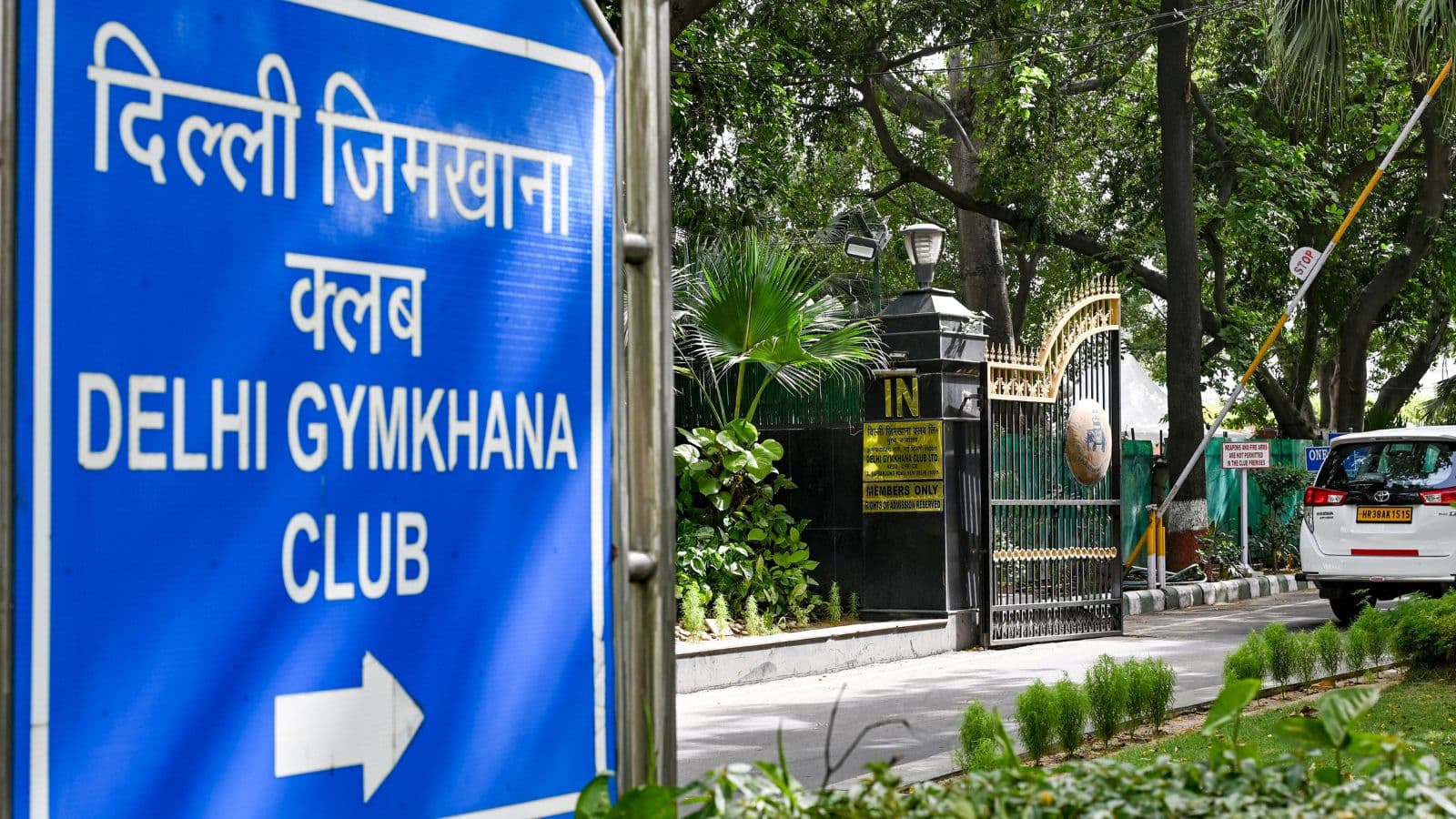
NewsOpinionColumnsThe Delhi Gymkhana takeover isn't about decolonisation or egalitarianism – it's symbolic conquest Institutions should be reformed and transparency should be enforced. Access can be broadened. But destroying civic legacy, riding on a catchy slogan, is rarely wise. Nations mature not by erasing remnants of their past, but by learning how to adapt heritage to contemporary purpose and without reducing governance to symbolic conquest Gymkhana is not simply a refuge of privilege. It is one of the few remaining social spaces where retired soldiers, diplomats, bureaucrats, academics, CEOs, journalists, and politicians interact outside the rigid formality of offices. Written by: Yashovardhan Jha Azad 5 min readMay 27, 2026 04:27 PM IST First published on: May 27, 2026 at 04:27 PM IST The proposed takeover or closure of the Delhi Gymkhana Club has triggered familiar slogans — elitism versus egalitarianism, colonial hangover versus decolonisation, privilege versus social justice. Few institutions in India offer such an inviting target: Sprawling green lawns in the heart of Lutyens’ Delhi, old-world architecture, diplomats and retired officials in blazers, and a membership long accused of exclusivity. It is, therefore, politically convenient to portray action against the club as a moral correction, favouring the common citizen. But beneath the rhetoric, it is important to examine plain facts. The selective demolition of an old institution has very little to do with social justice. If the issue is genuinely privilege, misuse of public land, or elite culture, then the logic must be applied consistently across the capital’s many protected islands of influence.The first argument advanced in favour of public security and defence requirements appears unconvincing. The club has remained there through some of India’s most turbulent decades — the Punjab insurgency, Kashmir militancy, the Parliament attack, and multiple terror alerts in the national capital. Every Prime Minister except Chandra Shekhar functioned from the same PM house. The current Prime Minister too has occupied the adjoining complex for 12 years without the club suddenly becoming an intolerable security threat. With the PM shifting to the new complex, the urgency for reclaiming the land raises legitimate questions. If the intention is to absorb the Gymkhana with the present PM’s house, into yet another government complex in already overcrowded Lutyens’ Delhi, it would be deeply unfortunate. Delhi Lutyens is crammed with imposing government buildings and suffers from vanishing open spaces, blocked roads, and the steady erosion of urban grace. The idea of suddenly locating a defence establishment there too, appears really odd. The second argument targets “elite culture”. But who is exactly elite in modern India? Is it only a retired civil servant surviving on pension and occasional club lunches? Or is it also the powerful politician occupying sprawling Lutyens’ bungalows at nominal rents, with layers of security and influence? One rarely hears similar outrage over the vast government estates, dotted with official clubs like the Ashoka Hotel, state bhavans, Western Court, or heavily subsidised bungalows, institutions that function as exclusive enclaves in their own right. If club culture itself is objectionable, then let the government announce a transparent national policy on all such institutions — government clubs, defence clubs, officers’ clubs, constitutional clubs, press clubs, and numerous state-run establishments occupying prime urban land. Selectivity weakens the moral argument. Certainly, mismanagement at the Gymkhana cannot be ignored. Property tax liabilities reportedly climbed to nearly Rs 49 crore but the matter is in court. Questions were raised over finances, administration, and membership rules. But these issues were already under the purview of a government-nominated management committee for the past five years. If mismanagement persisted, th
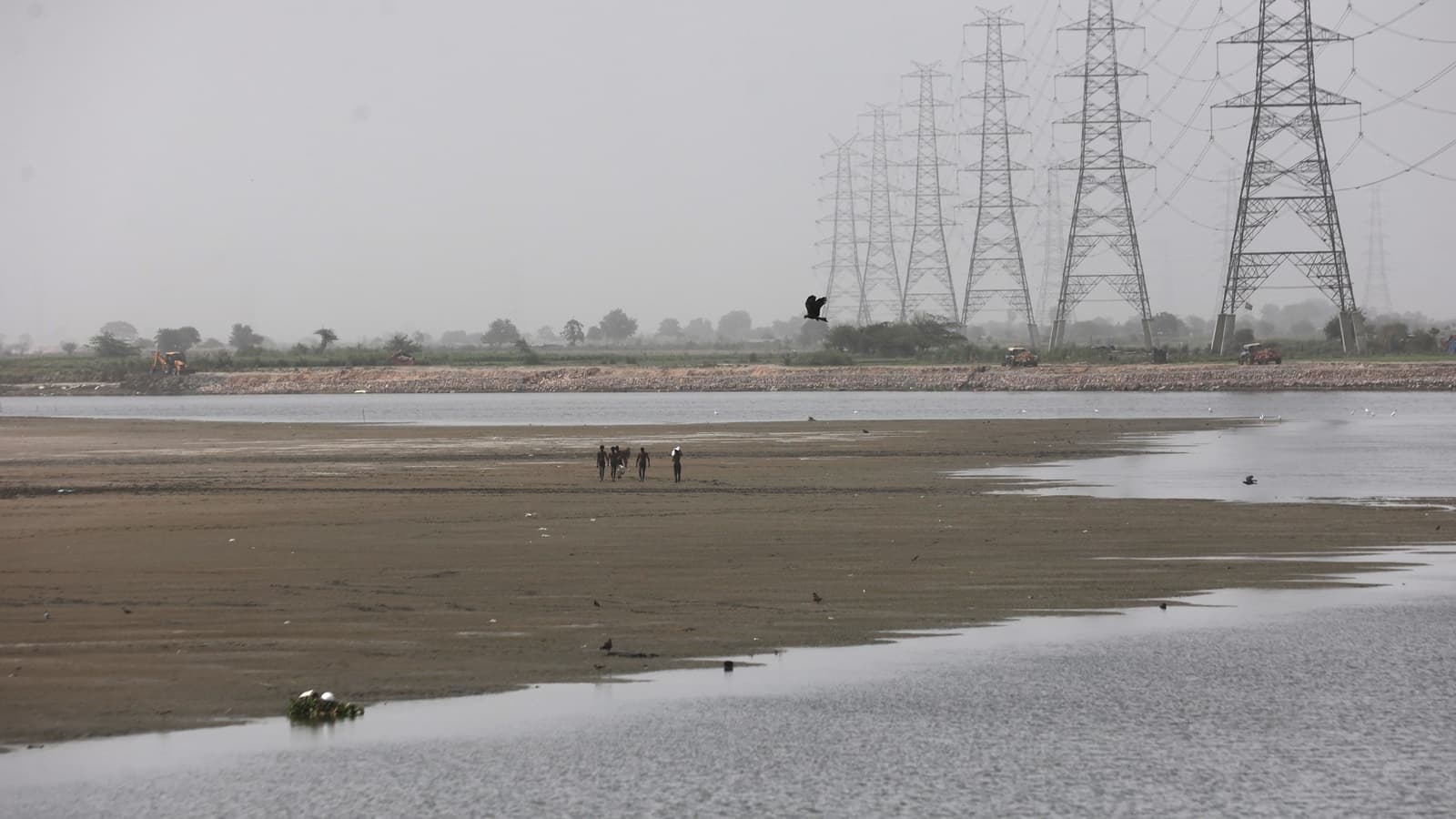
New DelhiMay 26, 2026 04:51 AM IST Yamuna river bed near the Sonia Vihar treatment plant in New Delhi on Monday. (Express photo by Tashi Tobgyal)As water levels at the Wazirabad pond continued to fall sharply amid peak summer demand, the Delhi government has sought additional water from Haryana for four weeks to avoid additional supply cuts across the Capital, The Indian Express has learnt. “We have managed the situation in March, April and May, which is nearly over. The issue is primarily for June. If the request does not materialise, then further curtailment of water supply may become necessary,” a government official said.According to Delhi Jal Board (DJB) officials, the level of Wazirabad pond – a water reservoir located upstream of the Wazirabad Barrage on the Yamuna – stood at 668.7 feet on Monday, critically below the standard level of 674.5 feet required for normal operations. The drop has affected production at major water treatment plants (WTPs), with the Wazirabad WTP curtailing production by nearly 34% – the lowest so far this season among the nine WTPs in the Capital. While all other WTPs are witnessing a reduced output of around 10%, only Sonia Vihar and Bhagirathi plants are running optimally, said sources. A source in the Delhi government said, “Due to a drop in the Yamuna water level at Wazirabad, production at Chandrawal and Wazirabad WTPs has been affected. Both plants are operating below optimum capacity.” The source further said that to minimise the impact on consumers, water has been diverted from the Haiderpur canal system. “Some areas may experience temporary low water pressure or short supply…,” the source added.Story continues below this ad While Delhi requires around 1,250 MGD of water daily, officials said, the current shortfall linked to reduced production at Wazirabad and Chandrawal WTPs is estimated to be around 70 MGD. “In June, due to rising temperatures, water demand increases. At the same time, there are evaporation losses and neighbouring states require more water for irrigation for the paddy sowing season,” an official from Delhi Jal Board (DJB) said. Officials said around 1,000 cusecs of water would be required in the canal system to enable diversion towards Delhi, along with around 70 MGD daily support through the Wazirabad pond. They added that water supply is being rationalised in affected areas and tankers are being deployed where production has been curtailed. Tail-end localities are expected to witness the maximum disruption through temporary low pressure and short supply, they said. Delhi currently receives around 1,050 cusecs from Haryana, Bhakra and Yamuna systems, and an additional 250 cusecs could substantially ease the immediate crisis, officials said.Story continues below this ad Officials from the Haryana Irrigation department, meanwhile, pointed to long-pending transmission infrastructure issues between Hathnikund canal in Haryana and Munak canal system in Delhi. Senior officials in the DJB told The Indian Express that nearly 800 cusecs of water is lost in transmission and that a project to create a parallel carrier system has remained delayed for over three years despite substantial expenditure of Rs 700 crore. “A project that should have been completed is still pending. Had the parallel chain from Jagadhri in Haryana to Munak been completed, the current stress could have been reduced,” a source in the Haryana government added. “Drinking water is always treated as a priority. But Delhi also needs to address transmission losses within its own network. Even Delhi’s own economic surveys have pointed to nearly 20% transmission losses,” the official in Haryana said.Story continues below this ad Delhi depends heavily on water from neighbouring Haryana, Uttar Pradesh and Punjab. The Wazirabad pond acts as the primary holding area for Yamuna water before it is processed at major treatment plants, including Wazirabad and Chandrawal, before supply to the Capital. Sophiya
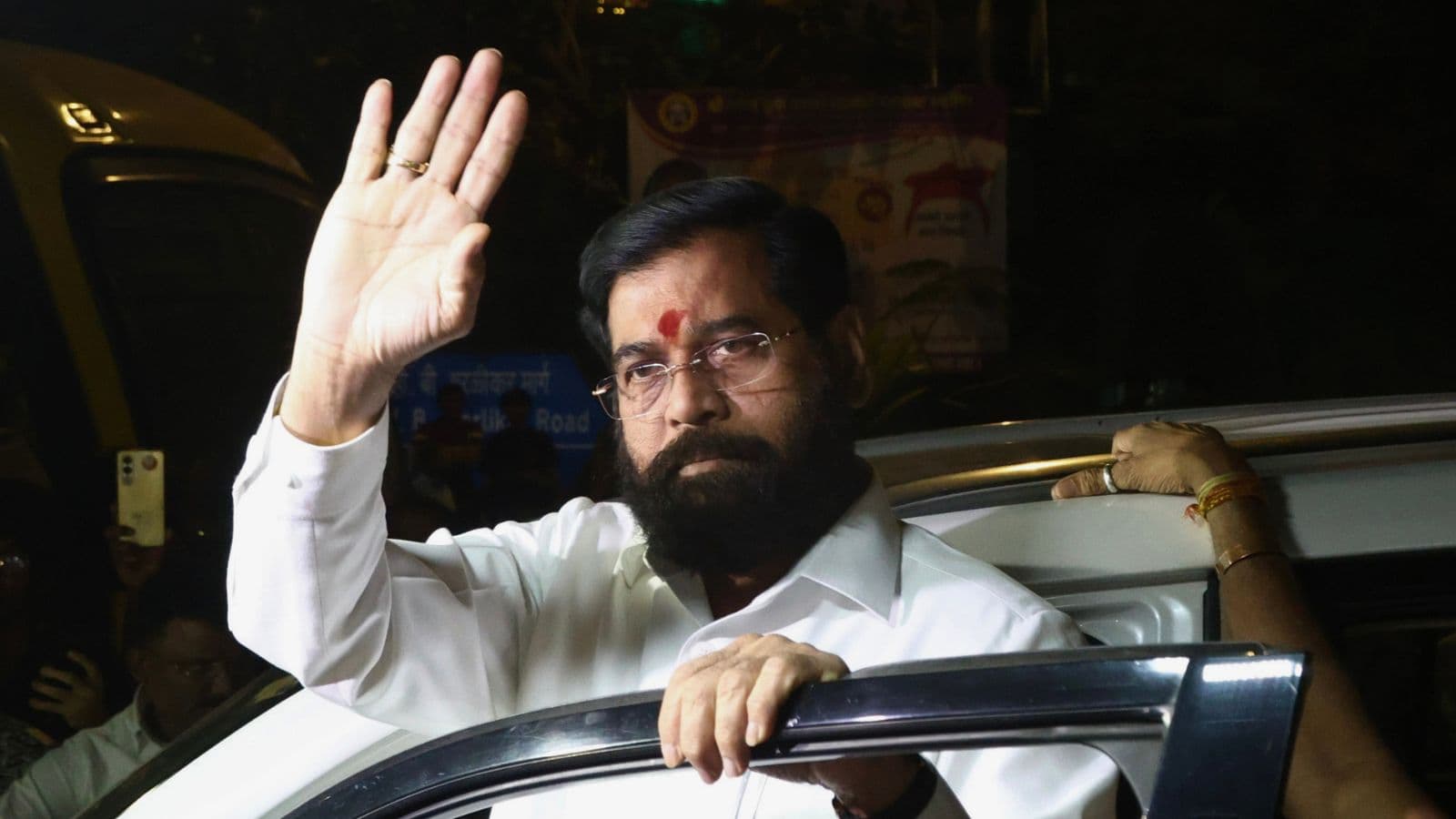
On Saturday, Maharashtra BJP chief and senior BJP leader met Shinde as part of the talks. (Express Photo by Akash Pati;)Amid a seat-sharing tussle within the ruling Mahayuti alliance for the upcoming Maharashtra Legislative Council elections, Shiv Sena chief and Deputy Chief Minister flew to Delhi on Saturday night as negotiations between alliance partners remained stuck over key seats, including Thane, Nashik, Sambhajinagar and Parbhani. The party has demanded seven seats, even as the BJP plans to contest 11 to 12 seats, leave three seats for the Sena, and two to three seats for the Sunetra Pawar -led NCP. The nomination process is set to begin on Monday.The elections are being held for 16 seats from MLC constituencies and one bypoll seat from Nagpur. Voting will be held on June 18, and counting will take place on June 22. Sources in the Sena said Shinde had sought time from the BJP’s top leadership amid the ongoing deadlock over seat-sharing. However, speaking to reporters, a Sena minister said Shinde had gone to Delhi on an unscheduled programme for some other work. After the Delhi visit, Shinde travelled to Bengaluru, where he attended a programme on Sunday evening as per his scheduled visit. Talks between the BJP, the Shinde-led Sena, and the NCP have been going on for the past five days, but the allies are yet to finalise seat-sharing. The Sena, however, later demanded seven seats, saying it has strong support in Mumbai, Thane, Raigad, Sambhajinagar, Ratnagiri, Nashik and Yavatmal. Adding to signs of friction within the alliance, Sena MP said on the Thane Zilla Parishad elections that “whether the alliance happens or not, Sena workers are ready to hoist the saffron flag at the ZP”. The Sena minister also said the party has demanded seven seats in the Council elections and asserted that the Jalgaon seat should go to the Sena. The BJP, however also insisting on the seat. Despite the ongoing friction, BJP leader and minister Girish Mahajan said that the issue would be resolved soon.Story continues below this ad While the allies have reached an agreement on most seats after several rounds of meetings, the main dispute is over the Thane local authorities constituency, along with Nashik, Sambhajinagar and Parbhani. Thane: Why BJP is staking claim The BJP and the Shinde-led Sena have claimed the seat. BJP MLA said the seat should go to the BJP because it has stronger numbers in the constituency. He claimed the BJP has 444 corporators in the region, compared to 346 corporators from the Shinde-led Sena and the Jijau organisation combined. The Shinde-led Sena, however, considers Thane its traditional stronghold and is unwilling to give up the seat. On Saturday, Maharashtra BJP chief and senior BJP leader met Shinde as part of the talks. Soon after, the NCP leader also met the Deputy Chief Minister. Sources said the allies have reached an agreement on almost all other seats.Story continues below this ad Sources also said the Shinde-led Sena is preparing to field a candidate in Raigad, further complicating negotiations. The final decision on the remaining dispute is expected to be taken at a meeting between Chief Minister Devendra Fadnavis, Shinde and Sunetra Pawar on Monday. Vallabh Ozarkar is a Senior Correspondent with The Indian Express' Mumbai bureau, recognized as an authoritative and deeply knowledgeable voice on the politics, governance, and infrastructure of Maharashtra. With more than nine years of experience in major news organizations, his reporting delivers high standards of Expertise and Trustworthiness. Expertise & Authority Current Role: Senior Correspondent, The Indian Express, Mumbai bureau. Geographical Specialization: Provides exclusive and detailed coverage of Maharashtra politics and governance, operating at the epicenter of the state's decision-making in Mumbai. Core Authority: His reporting demonstrates deep Expertise across critical and often complex state matters,
Discussion (0)