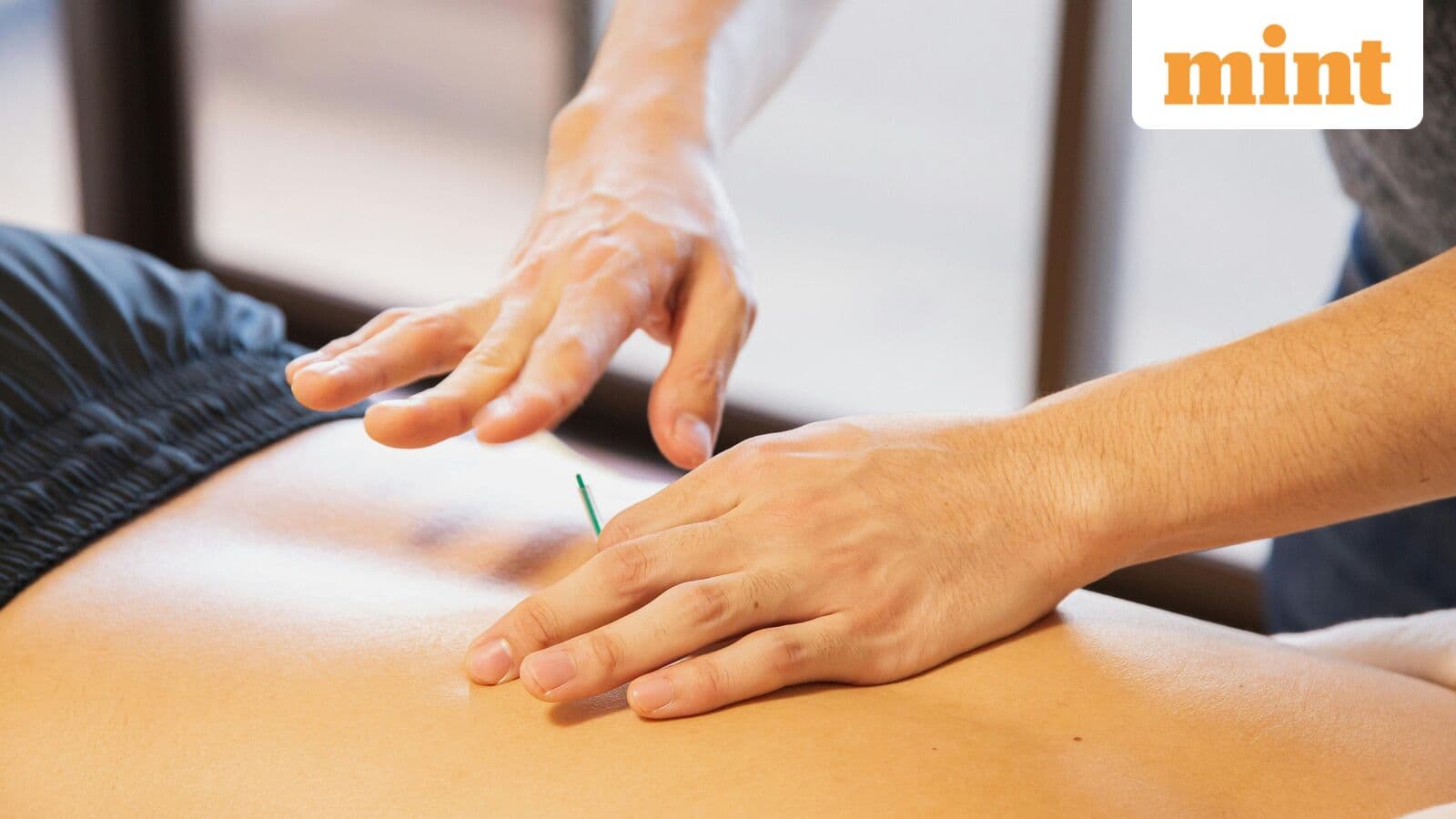
Salon workers are allegedly administering treatments without medical supervision, in violation of drug and cosmetics regulations.SummaryDrug regulators are launching surprise audits of salons, spas, and massage centres to crack down on the administration of injectables and subcutaneous devices by unqualified workers. The move follows a DCGI directive clarifying that any needle-based treatment constitutes a medical intervention.New Delhi: State drug inspectors will be able to conduct surprise audits of spas, salons, and massage centres for the first time, targeting a surge in unauthorised medical procedures sold as beauty treatments in a $20 billion industry that has operated with little regulatory check, according to three government officials aware of the development.The crackdown follows a directive from the Drug Controller General of India (DCGI) clarifying that injectables fall outside the legal definition of cosmetics. Officials say salon workers have increasingly been administering treatments such as glutathione infusions directly into clients' bloodstreams, in violation of the Cosmetics Rules, 2020 of the Drugs and Cosmetics Act, 1940, without medical oversight.“We plan to enforce quality-assurance standards, verifying that cosmetic manufacturers are producing safe, genuine products and maintaining regulatory compliance,” said a state drug regulator, one of the three people cited above requesting anonymity.There are several health risks associated with these procedures, with dermatologists warning that injecting unregulated substances in non-sterile environments can trigger anaphylaxis, severe infections, liver or renal damage, and cardiac events. Glutathione, a compound widely marketed in Indian salons for skin whitening, is approved domestically only for the management of liver toxicity during chemotherapy.The Indian Association of Dermatologists, Venereologists and Leprologists (IADVL) has flagged the threat of ‘parlour quackery’ to the central health ministry, demanding structural intervention against unauthorized clinical practices in luxury retail spaces. DCGI has also received independent complaints from consumers.“The administration of such treatments by unauthorized personnel in non-medical environments like beauty salons or hotel spas is entirely outside the law,” said another state regulator, the second of the three people mentioned above, who also did not want to be named.Under the Drugs and Cosmetics Act, 1940, and the Cosmetics Rules, 2020, administering prescription-grade injectables without a medical license in an unapproved facility is a criminal offense. Establishments can face immediate sealing, cancellation of trade/manufacturing licenses, and operators can face prosecution for stocking unapproved drugs and practicing medicine without registration, which carries prison terms ranging from three to five years.Regulatory triggerThe drive is significant for India's beauty sector. Inspectors will verify documentation, batch numbers, product labelling, and staff qualifications across brands and service providers. The government has indicated that the blurring of cosmetic and medical boundaries in commercial wellness spaces will not be condoned.Cosmetics and personal care products constitute the second-largest segment of the sector, accounting for 26% of the industry's record-high turnover of ₹23,021 crore, according to a 2025 report by the Indian Direct Selling Association (IDSA).India’s spas, salons, and massage centres have a market size of $11.65 billion, according to market research firms like Custom Market Insights and Ken Research.Dermatologists say that using unregulated skincare commodities carries medical risks.Dr Dinesh Kumar Devaraj, former president of the Indian Association of Dermatologists, Venereologists and Leprologists, Tamil Nadu, said, “The focus is on glutathione or wellness drips injected into the bloodstream or so-called 'cosmetic solutions’, injected into the skin. Worldwide, gluta



Discussion (0)