
Loading dispatches...
← Return to NewsroomEconomy
India, Russia discuss deeper cooperation on Northern Sea Route amid Moscow's Arctic trade push: MEA
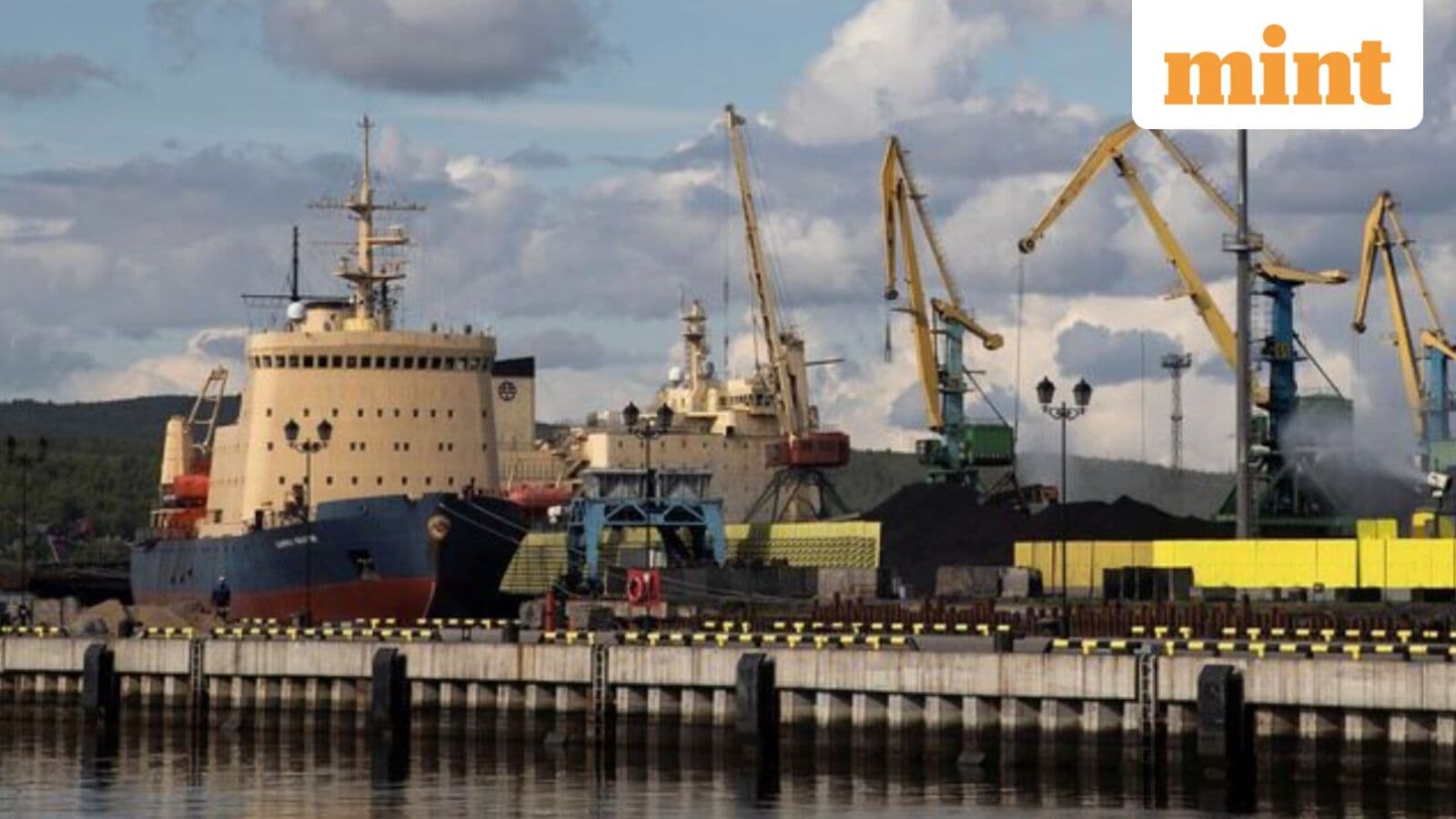
India and Russia are holding talks to deepen cooperation on the Northern Sea Route, the MEA said. Moscow is developing the Arctic corridor as a major Europe-Asia trade link, with India exploring connectivity opportunities.Putin named India and China among key partners in the development of the Northern Sea Route. (Reuters representative image)India and Russia are holding discussions to deepen cooperation on the Northern Sea Route (NSR), the Ministry of External Affairs said on Friday, as Moscow seeks to develop the Arctic corridor into a major trade route connecting Europe and Asia, ANI reported.MEA spokesperson Randhir Jaiswal said connectivity remains an important component of India's broad-based engagement with Russia and confirmed that talks on the NSR are underway."With Russia, we have a multi-faceted cooperation of which connectivity is an important part. We have discussions with them on this particular issue as well. So this is something that is ongoing," Jaiswal said at the weekly press briefing.Vladimir Putin remarks on IndiaHis remarks came after Russian President Vladimir Putin said India was among the countries showing increasing interest in cooperating with Moscow on the strategically important route.Putin made the comments on Wednesday while addressing Pacific Fleet personnel aboard the missile cruiser Varyag. He named India and China among key partners in the development of the Northern Sea Route.Putin also reiterated Moscow's commitment to developing the route within the framework of international maritime law.What is Northern Sea Route"Although Russia has consistently voiced, and continues to reaffirm, its readiness to cooperate and leverage the advantages of the Northern Sea Route, strictly within the bounds of existing international maritime law," he said.The Northern Sea Route runs along Russia's Arctic coastline north of Siberia and provides a shorter maritime connection between Europe and Asia compared with the traditional route through the Suez Canal.Russia has been investing in infrastructure along the corridor, including ports, navigation facilities and nuclear-powered icebreakers, as it seeks to expand the route's capacity for international commercial shipping.Chennai-Vladivostok maritime routeFor India, greater cooperation on the NSR could strengthen trade and connectivity with Russia while complementing existing initiatives such as the International North-South Transport Corridor and the Chennai-Vladivostok maritime route.Prime Minister Narendra Modi has previously highlighted the importance of connectivity cooperation between India and Russia, including training Indian sailors for navigation in Arctic waters.The NSR also offers potential strategic significance beyond trade and energy transportation, given the Arctic's growing commercial importance and increasing participation from Asian economies.Stay updated with the latest Trending, India, World and US news. HomeNewsIndiaIndia, Russia discuss deeper cooperation on Northern Sea Route amid Moscow's Arctic trade push: MEAMore
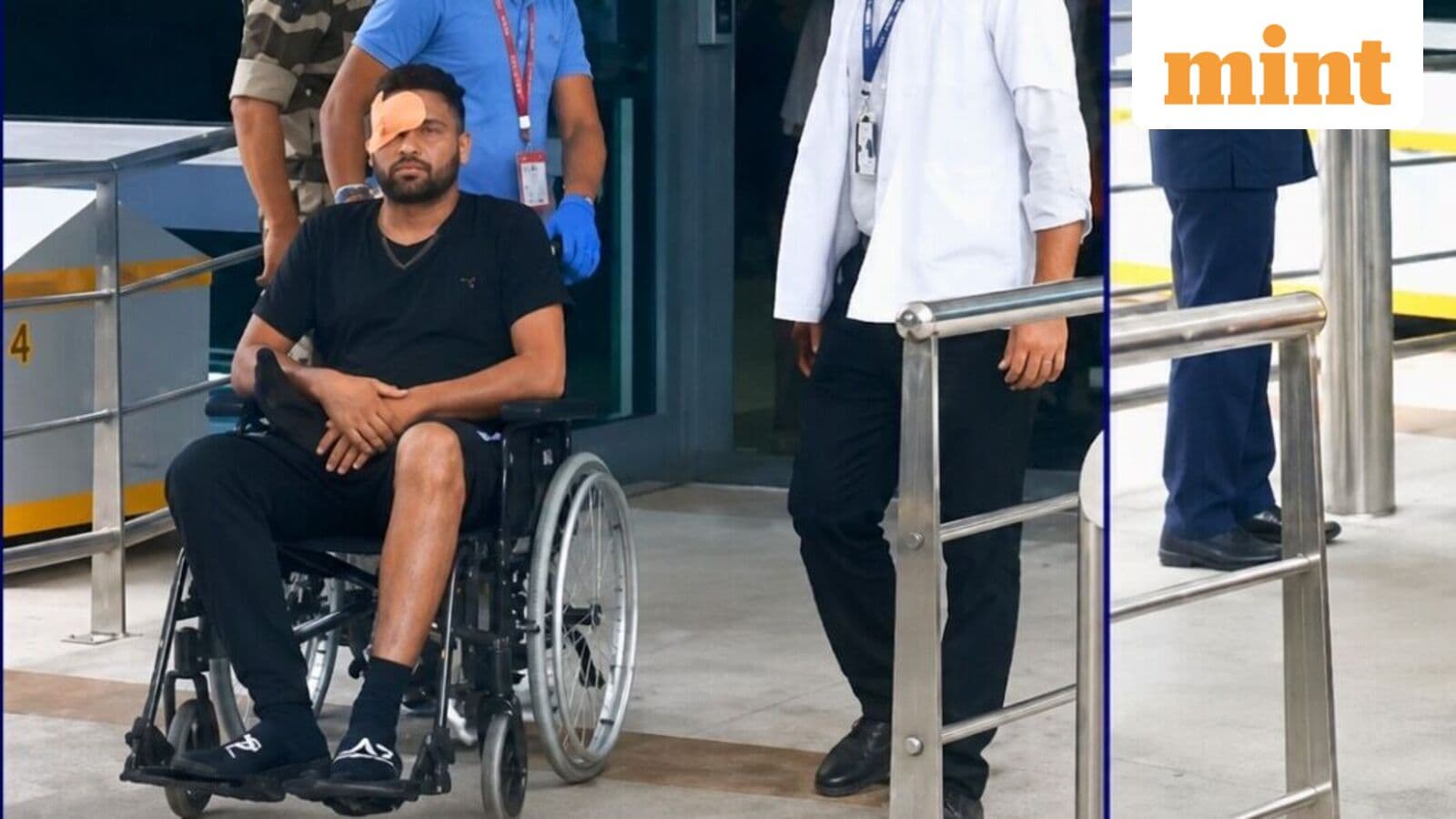
The Airbus A320 flight faced hydraulic system alerts and autopilot failures before a sudden altitude drop injured 20. The pilot reported sleep struggles and was on medication. DGCA and AAIB are investigating, with both pilots undergoing mandatory drug testing following the incident.Phuket to Delhi Air India flight faces sudden turbulence, injures 14(ANI)The pilot of the Air India Phuket-Delhi flight which experienced a sudden 300-foot altitude drop over Odisha, resulting in injuries to passengers and crew members, has reportedly told investigators he had been struggling with sleep. According to a Hindustan Times report, the pilot admitted to having been on medication prescribed by his family doctor due to sleep difficulty.According to the report, the pilot said he had been unable to sleep during his layover in Phuket. He had experienced sleep difficulty for some time because of personal circumstances.Slept during the flightHe also told the investigator that he slept for 30 to 35 minutes during the flight, used the washroom and returned to stand behind the first officer. The report added that the first officer was flying the aircraft and the commander was the pilot monitoring when the turbulence hit.The Air India Airbus A320 aircraft, bearing registration VT-EXO, subsequently stabilised and landed safely in Delhi.During the occurrence, injuries were reported to 20 passengers and four cabin crew members. The aircraft was carrying 137 passengers, including three infants, and eight crew members comprising two pilots and six cabin crew.DGCA, AAIB probe the incidentAir India initially described the event as related to turbulence. The Directorate General of Civil Aviation (DGCA) and the Aircraft Accident Investigation Bureau (AAIB) are investigating the occurrence, which has been classified as a serious incident.Following the incident, both pilots underwent routine screening for psychoactive substances after the flight landed. Psychoactive substances include alcohol, drugs or other substances that can affect judgment and alertness.Captain to undergo second drug screeningThe ministry said the captain’s initial test result required further laboratory confirmation and that both pilots were removed from flying duties pending the inquiry.The captain would undergo a second round of drug screening after a first test came back as non-negative. That first test is a rapid one, and the results aren’t conclusive.Testing for psychoactive substances is standard procedure in critical investigations, and a non-negative reading in the first test requires a confirmatory test. In this case, the second test also came back positive, the people said, asking not to be identified because the results are confidential.Probe finds issues with hydraulic systemAccording to an ANI report, a purported post-flight maintenance report has revealed a series of technical warnings involving the aircraft's hydraulic systems, flight controls, and autopilot.The report generated for Airbus A320 VT-EXO operating the flight lists repeated low-pressure alerts across the green, blue, and yellow hydraulic systems, along with low fluid levels in the yellow and blue reservoirs.Autopilot disconnections were recorded twice. Other warnings included a left and right elevator flight control fault, engine anti-ice-related messages, and indications involving the right forward and aft emergency exit doors.Failure messages on the report further flagged issues with the hydraulic system, an elevator computer, and a high-pressure indication linked to the nose landing gear door/engine anti-ice valve system.Get Latest real-time updatesStay updated with the latest Trending, India, World and US news. HomeNewsIndiaAir India Phuket-Delhi flight’s pilot was on medication for sleep difficulty, slept 30-35 minutes during journey: ReportMore

Both regulators said in their annual reports that the focus in the coming year is likely to remain on testing preparedness and identifying risks before they result in larger disruptions.(Reuters)SummaryRBI and Sebi are intensifying efforts to address cyber risks in India's financial sector, focusing on preparedness and governance. Cybersecurity is becoming core to financial regulation in India, as the banking and the capital market regulators step up efforts to prepare regulated entities for cyberattacks and fraud.For the Reserve Bank of India (RBI) and the Securities and Exchange Board of India (Sebi), the focus is increasingly shifting beyond information technology systems and teams to making cyber risk a broader governance and business priority for regulated entities. The two regulators have expanded training and simulation exercises, while preparing for risks linked to newer technologies.At a Financial Institution Benchmarking and Calibration (Fibac) event on Tuesday, RBI governor Sanjay Malhotra cited two key risks to the Indian economy and the banking sector: the uncertainties from geopolitics and trade tariffs and cyber risks.A recent RBI survey had also said banks and non-bank lenders view artificial intelligence (AI)- enabled cyber threats as the biggest risk to their business over the next 12 months.Both regulators said in their annual reports that the focus in the coming year is likely to remain on testing preparedness and identifying risks before they result in larger disruptions.Sebi is looking at quantum-era risks and technology roadmaps for market infrastructure institutions, while RBI plans to initiate a micro-data analytics project for cyber risk. The central bank will undertake a thematic review to assess cyber risks emanating from usage of AI tools/systems by supervised entities. It also plans to issue guidelines on ‘digital forensic readiness’.Among other measures, RBI said it will undertake a structured mapping of existing sector-specific cybersecurity requirements and review them in the light of the forthcoming financial sector cybersecurity strategy, the central bank said in its fiscal year 2026 (FY26) report on 29 May.The measures come as the nature of cyber fraud changes. In its annual report for fiscal year 2026, RBI said the increasing incidence of money mules and the "dynamic" nature of cyber fraud has made it strengthen the regulatory and supervisory framework.There were 10,114 cases of fraud reported by banks and financial institutions in FY26, the report said. Though the number of frauds have fallen in fiscal 2026 from 23,722, the total amount involved rose by 46.4% to ₹48,021 crore.In July, state-owned Bank of Baroda said it had suffered a cyber breach that exposed about 1TB of customer and internal data after an employee's email account was compromised. The leaked files include branch audit reports, loan appraisal files, vigilance records and customer account-opening forms, among other documents circulating online.“The measures represent a shift from treating cybersecurity as a technology issue to treating it as a board-level governance and risk-management obligation. These measures are appropriate, but their effectiveness will ultimately depend on how effectively regulated entities implement and continuously test these controls, rather than treating them as a periodic compliance exercise,” said Parnav Bhaskar, senior partner at SKV Law Offices.To help smaller entities deal with such challenges, Sebi introduced the Market Security Operations Centre (M-SOC) in FY26, a facility intended to help smaller regulated entities access cybersecurity services such as detection, monitoring and incident response at a lower cost.The National Stock Exchange of India Ltd (NSE) and BSE established M-SOCs in April 2025 as shared cybersecurity facilities. As of 30 March 2026, 376 market participants had been onboarded across the two M-SOCs, according to Sebi's annual report for fiscal 2026 released last week.The
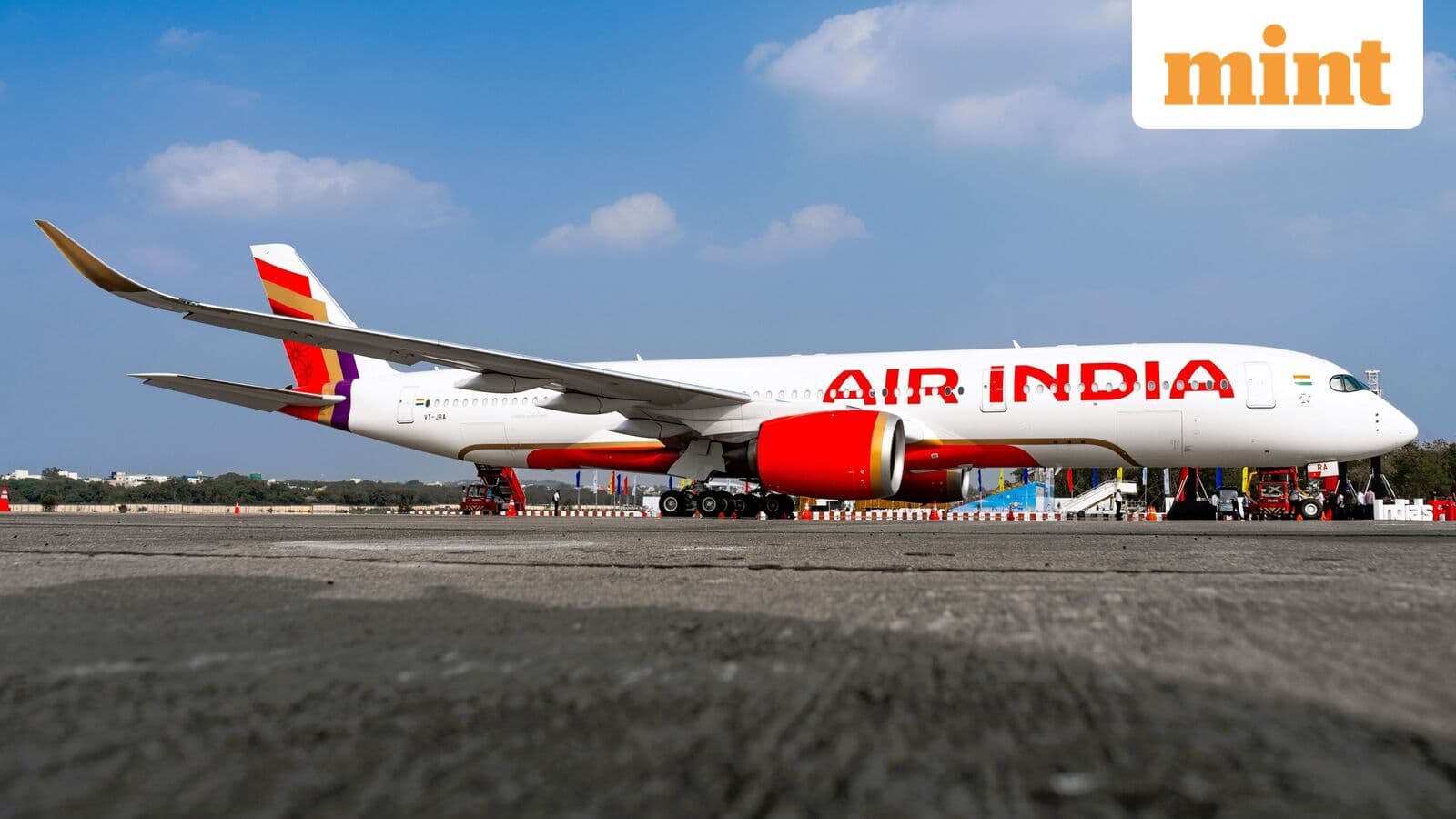
Air India said it has not received the results of a post-flight drug screening of pilots after the turbulence-hit Phuket-Delhi flight. The Federation of Indian Pilots urged caution until the findings are confirmed.Air India said a screening test was conducted in accordance with the applicable protocols but stressed that it had not been provided with the results. (Representative image)Air India on Sunday said it had not received the results of a post-flight drug screening test conducted on the pilots of a turbulence-hit Phuket-Delhi flight, after reports claimed that the pilot had failed the test.The airline said a screening test was conducted in accordance with the applicable protocols but stressed that it had not been provided with the results."We are aware that a post-flight screening test was conducted on the pilots in accordance with applicable protocols. However, the results of the test have not been shared with Air India, and we are therefore not in a position to comment on any findings," an Air India spokesperson said.The airline added that it conducts regular drug tests for crew members as required under civil aviation regulations, independent of individual flights or operational incidents."We will continue to cooperate with the relevant authorities as required," the spokesperson said.Pilots' body urges cautionCaptain CS Randhawa, president of the Federation of Indian Pilots, also said there was no confirmation that the pilot had tested positive.Speaking to ANI, Randhawa said the pilot underwent a psychoactive substance test after the aircraft landed in Delhi, but the result was yet to be confirmed."It has not yet been confirmed whether the pilot tested positive; until the report is available, it would be premature to claim a positive result," he said.Randhawa added that Air India had not disclosed any positive test result and said that if such a result had been established, the airline would have informed the Directorate General of Civil Aviation (DGCA).He urged against drawing conclusions before the test report is available.What happened on the Phuket-Delhi flight?The Air India flight from Phuket to Delhi encountered severe turbulence on August 4, causing a brief change in altitude and leaving several passengers and crew members with minor injuries.Air India flight, AI 2379, was carrying 137 passengers and eight crew members at the time of the incident.The airline in a statement confirmed the incident saying, "Air India confirms that flight AI2379, operating from Phuket to Delhi on 4 August, experienced a brief in-flight turbulence-related event during cruise, resulting in a momentary change in altitude."It added, "There have been no serious injuries as of now. A small number of passengers and crew members with minor injuries requiring medical assessment have been taken to a medical facility at the airport for precautionary examination and care by Air India’s airport team and medical personnel."The incident is being investigated by the DGCA. Union Civil Aviation Minister Ram Mohan Naidu Kinjarapu has said the aviation regulator is probing the incident.Get Latest real-time updatesStay updated with the latest Trending, India, World and US news. HomeNewsIndia'Screening results not shared with us': Air India on pilot dope test reports after Phuket-Delhi flight turbulenceMore
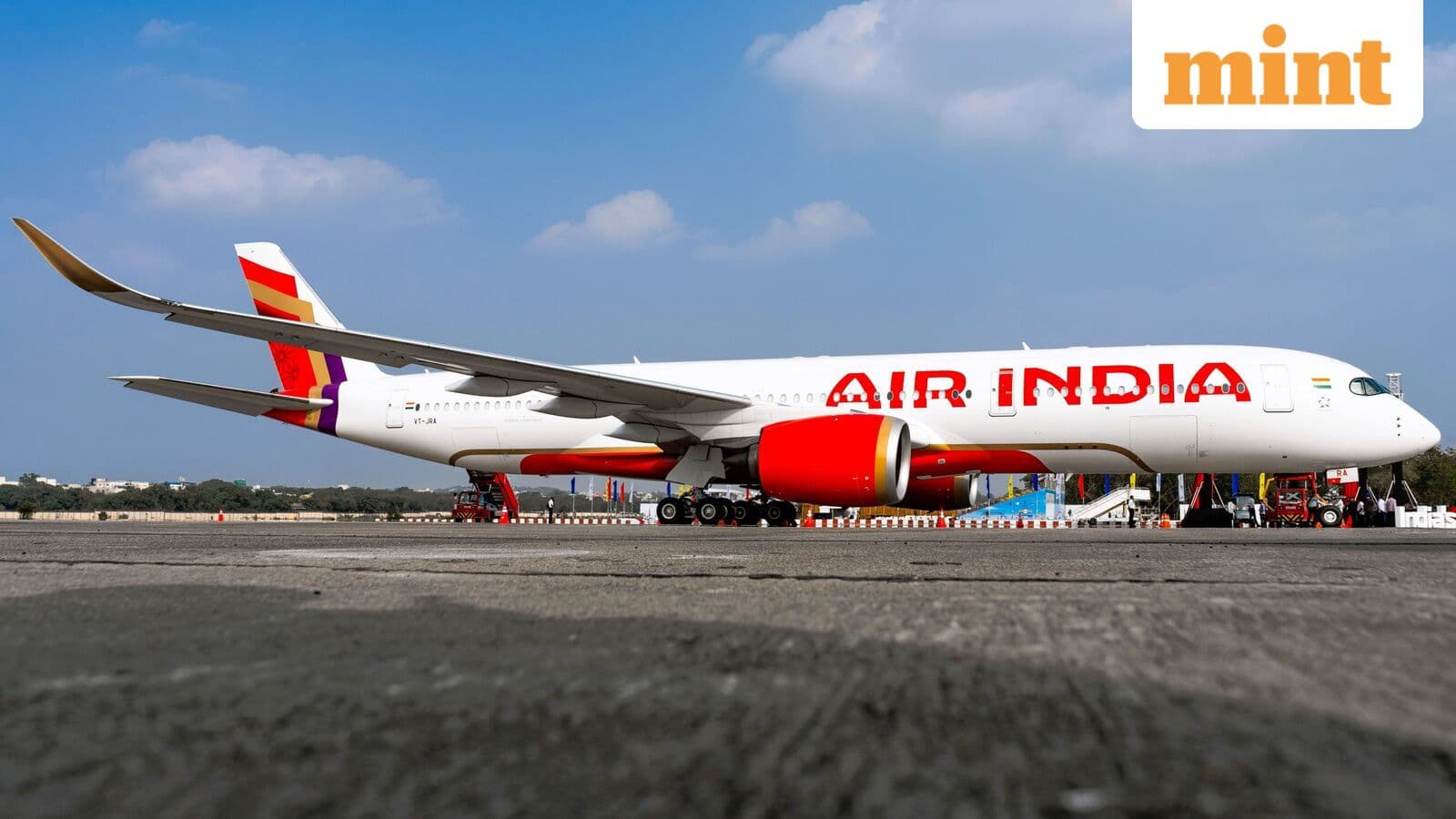
The pilot of the Air India Phuket-Delhi flight that encountered severe turbulence this week reportedly tested positive for psychoactive substances in a post-flight screening. Air India said the test results have not been shared, while the DGCA is investigating the incident.Pilot of turbulence-hit Air India Phuket-Delhi flight likely failed dope test; The pilot of the recent Air India Phuket-Delhi flight, which encountered turbulence earlier this week, reportedly tested positive for psychoactive substances in a dope test conducted upon arrival.The Times of India, citing sources, reported the development on Sunday and added that Air India neither confirmed nor denied it but noted that while the tests were conducted, the results have not been shared.Air India issues statement on drug testing for pilotsAn Air India spokesperson said, "We are aware that a post-flight screening test was conducted on the pilots in accordance with applicable protocols. However, the results of the test have not been shared with Air India, and we are therefore not in a position to comment on any findings."The spokesperson further said, "Air India undertakes regular drug testing of crew members in compliance with civil aviation regulations, independent of any specific flight or operational incident. We will continue to cooperate with the relevant authorities as required."Air India Phuket-Delhi flight turbulence: What we knowOn Tuesday, an Air India flight from Phuket to Delhi encountered 'clear air turbulence', causing a change in altitude. Nearly 14 people, including passengers and crew members, sustained injuries. The aircraft later landed safely at Delhi's Indira Gandhi International Airport.Confirming the incident, the airline released a statement saying, "Air India confirms that flight AI2379, operating from Phuket to Delhi on 4 August, experienced a brief in-flight turbulence-related event during cruise, resulting in a momentary change in altitude."It added, "There have been no serious injuries as of now. A small number of passengers and crew members with minor injuries requiring medical assessment have been taken to a medical facility at the airport for precautionary examination and care by Air India’s airport team and medical personnel."Flight AI2379, operated by aircraft VT-EXO, was scheduled to arrive at 11:15 AM. The pilot reportedly said the aircraft experienced a sudden drop of around 300 feet, which resulted in injuries to several people on board.Aviation Minister responds to turbulenceFollowing the incident, Union Minister of Civil Aviation Ram Mohan Naidu Kinjarapu shared an update on Saturday regarding the severe turbulence experienced by an Air India flight earlier this week and assured the public that the situation was being handled with urgency and care. Addressing the cause of the turbulence, the minister confirmed that the Directorate General of Civil Aviation (DGCA) has stepped in to determine how the incident occurred, ANI reported.He also provided a medical status update on those affected, adding that the majority of injured passengers had been treated and released shortly after landing.He said, "The turbulence incident that happened, most of the passengers in the first few hours only, were discharged from the hospital," and added, "Around 24 passengers were facing some kind of medical inconvenience. So they were taken to the hospital; thorough check-ups have been done for them, and most of them have been discharged."Passenger files complaint against Air India for turbulenceNaidu's remarks came a day after a passenger aboard the Air India flight from Phuket to Delhi lodged a complaint with the DGCA, alleging that the aircraft suffered a sudden drop during the flight and that two elderly members of his family sustained injuries.According to a complaint submitted through the AirSewa portal, the Air India flight from Phuket to Delhi was carrying the passenger's family of six when the aircraft suddenly dropped by around 300 feet at a

An NRI appreciated the quality of life in the US and listed 4 reasons why ‘it’s hard to let go’ and move back. Impressed with the lifestyle abroad he suggested that life abroad cannot always be compared in monetary terms.Vlogger Rupesh Pandey living in US listed 4 reasons why ‘it’s hard to let go’ and move back to India.(Screengrab @Instagram)A Non-Resident Indian living his dream life in Chicago, United States, shared how a certain quality of life in a foreign land influences NRI's decision to stay overseas. Suggesting that life abroad cannot always be compared in terms of higher salaries or better career opportunities, the vlogger named Rupesh Pandey described in detail the standard of living. He discussed his lifestyle as he pondered over the associated freedom to spend time in nature and outside at recreational facilities.The caption to the viral post states, “The biggest reason people don’t want to move back after experiencing life here isn’t just the money. It’s the little things.” Calling it Netflix life in America, he listed a few lifestyle changes and reasons that are in stark contrast to life in India that make one reconsider the decision of moving back to their home country.4 reasons why 'it;s hard to let go’ and move back“Fishing at your neighborhood park on a random evening. Playing tennis or basketball whenever you want. Walking your dog in clean, peaceful streets. Breathing air without constantly worrying about pollution,” Rupesh Pandey wrote in the Instagram post.Making a big claim about superior quality of life abroad, he added, “Once you experience a lifestyle where these simple things become part of your everyday life, it’s hard to let them go.”Arguing that seemingly ordinary aspects of everyday life make it difficult for people to consider moving back, he stated, “Look, there are so many good places just a five-minute walk from my house where I can come and sit all day long, and I won't get bored. Look at this.”Moving ahead, Pandey shows the area around his locality, featuring parks, outdoor sports facilities and fishing lake. Admiring the surroundings, he said, "This is the park of my apartment's society, and there's a basketball court inside,” adding, “This is the lawn tennis court. I come here to play lawn tennis sometimes.” Pointing towards another recreational facility, he stated, “Look, kids are fishing over there by the lake."What did social media say?A user wrote, “Very true. I love my life in India AND the US, but quality of life in the US is unmatchable. And I miss it a LOT more whenever I'm in India especially as public and social spaces are far more constrained for women, and senior citizens in India. I miss some family members (in India) when I'm in the US, but nothing else really.”Another user remarked, “Cant agree more.. walking in cities of India is a nightmare. First footpaths are such you can easily trip over and injure yourself. While walking in Chandigarh, almost ranover by car who suddenly came on to the footpath.”A third user stated, “The grass isn’t always greener overseas. Even in the US, you can encounter racism- one experience ruin everything and India has more than enough cool places of its own.”A fourth comment read, “Bro soon white supremacists will kick out indians ,what will u do then when hib visas arent issued any more ,dont get too comfortable (sic).”About the AuthorFareha NaazFareha Naaz is a Delhi-based journalist and Content Producer at LiveMint, where she has built nearly three years of experience in digital journalism. She covers a diverse range of topics, including national news, education, entertainment, lifestyle trends science, global health and international news. With a background in Economics and Education, she focuses on providing insightful, thoroughly researched coverage that bridges the gap between breaking news and in-depth analysis. In addition to breaking copies, legal and political news, her reporting blends editorial rigour with search-driven st

Dual low-pressure systems are set to trigger heavy to extremely heavy downpours across eastern, northern, and southern states, with the weather office warning of flash flood risks in low-lying parts of Odisha, West Bengal, and Jharkhand.Very heavy rainfall of 12-20 cm was recorded over Uttarakhand, east Rajasthan, Madhya Maharashtra, Odisha and Kerala during the past 24 hours. Photo: ReutersNew Delhi: The India Meteorological Department (IMD) on Friday warned of heavy to extremely heavy rainfall across large parts of eastern, northwestern and southern India over the next two to three days, driven by two active low-pressure systems. It also announced a low to moderate flash flood risk for parts of Odisha, West Bengal and Jharkhand.A low-pressure area likely to form over the coastal areas of Gangetic West Bengal and the adjoining northwest Bay of Bengal is expected to trigger heavy to very heavy rainfall over Odisha, Jharkhand, Bihar, Gangetic West Bengal and Sub-Himalayan West Bengal and Sikkim during the next three days, IMD said.Separately, a low-pressure area over southwest Uttar Pradesh and adjoining areas is expected to bring heavy to very heavy rainfall over northwest Madhya Pradesh and Haryana, Chandigarh and Delhi on Thursday.In southern India, Kerala and coastal and south interior Karnataka are likely to receive heavy to very heavy rainfall over the next two days.The weather office said isolated heavy rainfall is likely to persist across many parts of northwest and adjoining central India, as well as the northeast, through most of the week.In northwest India, widespread rainfall is forecast over Himachal Pradesh and Uttarakhand between 8-13 August. Haryana, Chandigarh and Delhi are likely to receive widespread rainfall during 8 August, while east Rajasthan is expected to witness widespread showers from 8-12 August. Jammu and Kashmir is also likely to receive intermittent rainfall through the forecast period.Across central India, widespread rainfall is expected over east Madhya Pradesh and Vidarbha during 8-11 August, west Madhya Pradesh during 10-12 August, and Chhattisgarh on 8 August and 12-13 August.In eastern India, widespread rainfall is likely over Odisha, Gangetic West Bengal, Sub-Himalayan West Bengal and Sikkim throughout 8-13 August, while Bihar is expected to receive widespread rainfall during 8-9 August.Flash flood riskThe IMD also issued a low to moderate flash flood risk valid for several districts of Odisha, including Mayurbhanj, Balasore and Keonjhar; Gangetic West Bengal, including Purulia, Bankura, East Midnapore and West Midnapore; and multiple districts of Jharkhand, including Ranchi, East and West Singhbhum, Hazaribag, Bokaro and Ramgarh. Surface runoff and inundation are likely in low-lying areas and locations with saturated soils.Meanwhile, very heavy rainfall of 12-20 cm was recorded over Uttarakhand, east Rajasthan, Madhya Maharashtra, Odisha and Kerala during the past 24 hours. Heavy rainfall of 7-11 cm was also reported from Assam, Nagaland, the Andaman and Nicobar Islands, Jharkhand, Himachal Pradesh, Madhya Pradesh, Konkan, coastal Karnataka, coastal Andhra Pradesh and Telangana.About the AuthorVijay C RoyVijay C. Roy is a journalist with over 21 years of experience covering various news beats across different organisations such as Business Standard and The Tribune. In the past, he has covered beats such as finance, auto, MSME, commodities, FMCG, pharmaceutical, agriculture, IT/ITES, infrastructure and start-ups. He joined Mint in February 2025, and covers agriculture, food processing, fertilizers, environment and climate change, bringing over two decades of experience reporting on farm policy, food inflation, crop trade, and rural livelihoods. Vijay’s areas of reporting include food security and climate change policies, focusing on their impact on different stakeholders and their implications. His expertise lies in simplifying complex agri-economic issues such as edible oil import d

Sajeeb Wazed has warned that Bangladesh's security situation could resemble Pakistan's, posing risks for India's eastern border.Bangladesh may become another Pakistan, a major source of terrorist recruitment: Sheikh Hasina’s son warns India(Representative image: Pexels)Sajeeb Wazed Joy, the son of former Bangladesh Prime Minister Sheikh Hasina, spoke virtually on 5 August. He addressed the Foreign Correspondents' Club in New Delhi. He spoke from Maryland in the United States.First, Wazed questioned discrepancies in reported death tolls from the July-August 2024 unrest in Bangladesh. He compared UN figures with Bangladeshi government numbers. The UN cited around 1,400 deaths, he said. The government's figure stood at roughly 800, he claimed.He asked where the additional 600 names came from. His party had written to the UN repeatedly, he said. However, no names had been provided so far, he claimed.Quick answers to key questions•5 QUESTIONSSajeeb Wazed Joy highlighted disparities in death tolls from the unrest, questioning the accuracy of UN figures compared to those provided by the Bangladeshi government.Wazed warned that the security situation in Bangladesh could lead to it resembling Pakistan, suggesting it may become a source of terrorist recruitment and activity affecting India.The Bangladesh government expressed outrage, stating that Hasina's comments during the press conference were an affront to the nation and reflected a denial of established facts regarding the July-August 2024 killings.Hasina's return was seen as a potential catalyst for further unrest, as she had been in exile amid ongoing political turmoil and was seeking to restore what she termed a 'deteriorating democracy.'Yes, India should be concerned as the developments could pose a significant security challenge along its eastern border, with potential implications for regional stability.Wazed also argued the UN's count of the unrest was incomplete. He said it only covered events until 15 August 2024. Violence in Bangladesh continued beyond that date, he alleged.He then raised concerns about an indemnity ordinance passed in Bangladesh. This was introduced under Muhammad Yunus's interim administration, he said. It granted blanket immunity to protesters, he claimed. This covered killings of civilians and police officers during the unrest.He said the ordinance also protected those who killed Awami League members. The current BNP government later ratified this ordinance into law, he alleged. This meant police killings from the unrest could not be prosecuted, he argued."Today, the BNP government that is in power has ratified this ordinance and turned it into law, which means that none of the police killings can be prosecuted. So, my question to you is this: Are killings okay? Are killings acceptable?” he asked.Wazed questioned the fairness of assigning blame for the unrest under these conditions. He asked whether such killings were considered acceptable.Concern for IndiaSajeeb Wazed then raised a striking concern about Bangladesh's security situation. He warned that Bangladesh could resemble Pakistan. This posed risks along India's eastern border, he said.“What should concern India most is that Bangladesh risks becoming another Pakistan on India’s eastern front. Today, India faces another potential security challenge along its eastern border,” Sheikh Hasina's son said.He claimed foreign intelligence agencies were operating freely inside Bangladesh. He specifically named Pakistan's ISI in this context. Convicted militants had reportedly been released in Bangladesh, he alleged.“Hizb ut-Tahrir now holds public marches while individuals identified as Al-Qaeda operatives have addressed public rallies. This is the situation unfolding in Bangladesh, and it has serious implications not only for India but for the wider world,” he added.“Unless these developments are checked, Bangladesh could become a major source of future terrorist recruitment and activity,” Sajeeb said.Ab

Bangladesh condemned India's allowance of exiled leader Sheikh Hasina to engage with the media, calling it an affront to sovereignty. Dhaka reiterated its demands for Hasina's extradition while expressing outrage over her comments amid ongoing concerns about regional stability and democracy.Sheikh Hasina speaks during a meeting with foreign observers and journalists at the prime minister's residence in Dhaka, Bangladesh, January 8, 2024. (REUTERS/ File)The Bangladesh government has expressed its displeasure over India allowing its deposed former Prime Minister Sheikh Hasina to hold a live media interaction in New Delhi on Wednesday. In a press statement released on Wednesday, Bangladesh's Ministry of Foreign Affairs said, "Bangladesh is outraged that the absconding convicted genocider Sheikh Hasina was allowed this evening to engage in live interaction with the media in New Delhi where she and her henchmen launched venomous vitriol against the State of Bangladesh and her people."Hasina to return to Bangladesh in December Hasina, who was forced to flee Bangladesh in August 2024 amid the students’ protests, has been living in exile in India ever since. Though she was convicted in absentia of crimes against humanity and sentenced to death in November 2025 by the International Crimes Tribunal in Dhaka, Hasina has insisted that she would return to Bangladesh. Since the verdict, Dhaka has been urging New Delhi to extradite her to face the law.On Wednesday, Hasina said she is determined to return home in December to put the country on the "right track" by restoring democracy.Quick answers to key questions•5 QUESTIONSThe Bangladesh government expressed outrage, stating that the event was detrimental to bilateral relations and an affront to the country's sovereignty.It was controversial because Bangladesh's Foreign Affairs Ministry claimed it insulted the martyrs of the July Revolution and compromised national dignity.Hasina insisted that her return is crucial to restoring democracy in Bangladesh and alleviating the suffering of her countrymen.She claimed that the student protests were manipulated by organized groups aiming for regime change, rather than being a simple demand for reform.Bangladesh has been urging India to extradite Hasina under the 2013 Extradition Treaty, considering her a convicted criminal facing charges of crimes against humanity."Whatever fate awaits me, I will return to my people. I cannot stay away while my beloved countrymen are suffering," she said.Hasina said the present situation in Bangladesh is very disturbing. "Fear has entered homes, workplaces, and educational campuses; this is not the Bangladesh we built."She said Bangladesh's crisis is not only a domestic challenge, as it can affect regional peace, security, trade, development and human dignity."That is why I call upon the international community and all the friends of Bangladesh to stand with the people of Bangladesh in their struggle for democracy, justice and peace," she said.Insult to July Revolution martyrs: BangladeshResponding to the comments made by Hasina, Bangladesh’s Foreign Affairs Ministry said that on a day when the people are observing the second anniversary of the July Revolution, the media interaction by the Awami League leader "on the Indian soil stands as an affront to the sovereignty of Bangladesh," and a grievous insult to the "martyrs of the July Revolution.""The denial of facts established by the United Nations, including gruesome killing of the innocent civilians including minor children during July-August 2024 by the fascist regime, stands as a futile attempt by the absconding convicted mass murderer Hasina and her criminal cohort to reverse the tide of history. The people of Bangladesh had already rejected such heinous attempts in the past and continue to do so now," the Foreign Ministry said."Dhaka deeply regrets that in spite of concerns conveyed a priori to the Government of India about the likely ramifications of this eve
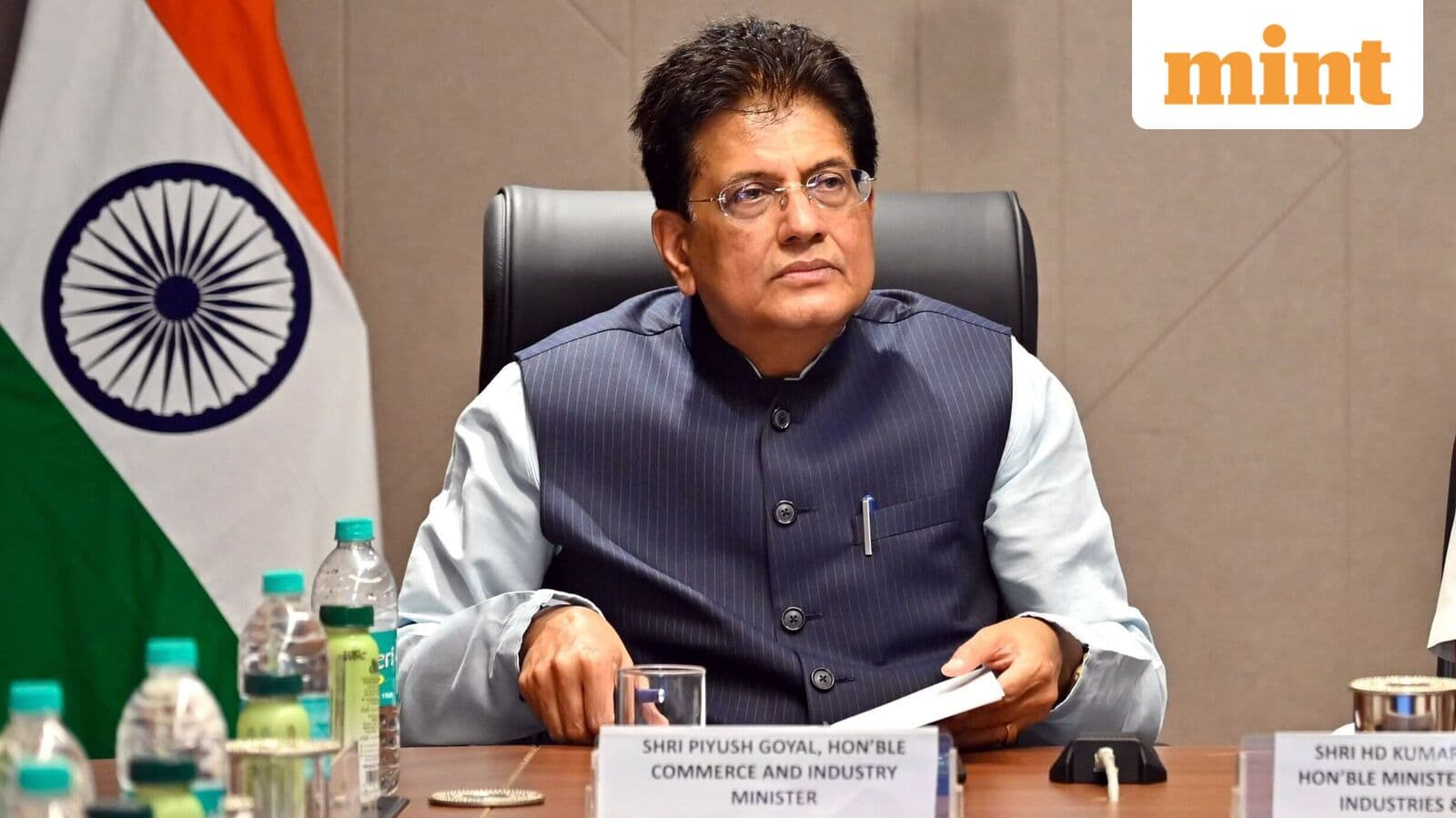
New Delhi: India and Uzbekistan are looking to more than bilateral trade to about $3 billion over the next three years, with commerce and industry minister Piyush Goyal on Monday saying the two countries could also explore a free trade agreement (FTA) as they deepen economic ties.The renewed push comes as both countries seek to diversify economic ties beyond traditional sectors, with Uzbekistan inviting Indian companies to expand investments in mining, metallurgy, chemicals, energy, pharmaceuticals, automobiles and digital infrastructure. Both sides also agreed to work towards easing market access and reducing trade barriers.Addressing the India-Uzbekistan Business Forum in New Delhi, Goyal said trade would have to "lead from the front" in strengthening bilateral relations and urged businesses to seize opportunities for long-term partnerships.Goyal said that though bilateral trade has crossed around $1.5 billion, it still represents only a fraction of the potential between the two economies.Regarding the possibility of negotiating a free trade agreement, the minister said India and Uzbekistan could look at moving beyond the existing framework to facilitate greater trade and investment flows. Although no formal negotiations have been announced, the proposal reflects growing interest in building a more comprehensive economic partnership.Laziz Kudratov, Uzbekistan's minister of investment, industry and trade, said bilateral trade grew by 30% last year, surpassing $1.3 billion for the first time. "We hope to reach $2 billion by next year, and we should work to increase our trade to $3-5 billion in the coming years," Kudratov said.He added that both governments were working to improve market access, streamline procedures and reduce administrative barriers to facilitate trade.The two countries are also working on a trade facilitation agreement and related memoranda to create more favourable conditions for exporters and importers, Kudratov said.He said Uzbekistan offers significant potential in mining and metallurgy, chemicals, energy, digital infrastructure, automobiles and pharmaceuticals, and reiterated the country's interest in attracting greater Indian investment in these sectors."Uzbekistan is open for foreign businesses. The number of foreign companies has increased fivefold and foreign direct investment has grown tenfold since 2017," he said.The trade push follows the conclusion of the India-Uzbekistan Bilateral Investment Treaty (BIT), which Goyal said would strengthen investor confidence and encourage businesses from both countries to make long-term investments.Inviting companies to "co-invest, co-manufacture and co-innovate," Goyal identified mining as one of the most promising sectors for bilateral collaboration. The emphasis assumes greater significance as countries seek to diversify supply chains for critical minerals and rare earth elements, which are increasingly vital for electric vehicles, clean energy technologies and electronics manufacturing.The minister also highlighted opportunities in textiles by leveraging Uzbekistan's cotton production and India's strengths in textile manufacturing and garment exports. In pharmaceuticals and healthcare, he said India could support Uzbekistan through affordable medicines, medical devices, diagnostics, telemedicine and healthcare training, while also proposing renewed cooperation in traditional systems of medicine, including Ayurveda, Yoga and Unani.Beyond manufacturing, Goyal said India is ready to partner with Uzbekistan in digital public infrastructure (DPI), fintech, agri-tech and medtech, while identifying engineering goods, automotive components and advanced manufacturing as additional areas for cooperation.He also called for eliminating non-tariff barriers, promoting mutual recognition of standards and certification, integrating customs systems through digitalisation and improving transport connectivity to facilitate smoother trade.India and Uzbekistan share a strategic


Discussion (0)