
Loading dispatches...
← Return to Newsroomgeneral
2 weak trees, 2 young lives snuffed out in Mumbai in 2 months

MumbaiUpdated: Jul 1, 2026 04:00 PM IST Vihaan, 11 (left) and Aarika Srivastava, 15, died due to the falling trees. (Special Arrangement Photos) A 15-year-old with a dream to become an engineer, and an 11-year-old who loved football: two lives were tragically snuffed out in Mumbai’s suburbs in less than two months after trees, apparently with weak roots, fell on vehicles. Aarika Srivastava, 15, suffered critical injuries when a tree crashed on an auto-rickshaw in Khar on May 10. She died a week later. And on Tuesday, another tree collapsed on a school bus in Chembur, about 15 km from Khar. Eleven-year-old Vihaan, who was on the bus, died on the spot.Teen’s outing ended in tragedy Aarika lived in Malad East and stepped out on May 10 with her sister, Manasvi, to meet their friend, Harshita, in Bandra. Following a meet-up, the three got into an auto-rickshaw to head to Khar for lunch. Tragedy struck when a tree inside the compound of an under-construction building came crashing down on the three-wheeler. Manasvi suffered a fracture in her leg. Aarika and Harshita suffered severe head trauma, including skull fractures, and became unconscious. The autorickshaw driver rushed them to Hinduja Hospital, and Aarika and Harshita were admitted to the ICU. Two days after her 15th birthday, Aarika succumbed to her injuries on May 17. “She had just graduated to the tenth standard,” Aarika’s uncle, S K Srivastava, recalled. A bright student, Aarika, wanted to become an engineer and had recently enrolled at a coaching centre for competitive exams, her uncle said. Harshita (21) is still recovering. According to her father, Harish Kumar, she was shifted from Hinduja Hospital to Kokilaben Hospital for advanced neuro-physiotherapy. The last bus ride home After attending school for six hours, Vihan and his schoolmates from Universal High School in Tilak Nagar were returning home to Chembur’s Subhash Nagar when a large Peepal tree collapsed on the school van around 2.30 pm. Vihan was seated in the second-last row.Story continues below this ad Locals, who rushed to help the trapped children, said the tree had collapsed over the middle of the bus. “We managed to rescue all the kids quickly, but one boy, on whom the tree had fallen directly, remained trapped for nearly 45 minutes as the tree was large and immovable,” Suresh Bahadur, a watchman who joined the rescue operation, recalled. A student of Class 6, Vihan was the only child of Juhi and Gaurav Srivastava. The family moved to Mumbai from Delhi three years ago. According to neighbours, Vihan was good at academics and also loved playing football in his building’s garden. “The incident took place 10 minutes away from Vihan’s residence. The bus was supposed to drop Vihan next, but tragedy struck before that,” Tukaram Kate, a family friend and neighbour of the Srivastavas, told the Indian Express. Two deaths, two weak trees According to inspections by the civic garden cell, the trees that collapsed in the separate incidents were found to have weakened roots. In Khar, the tree was situated within the compound of an under-construction site. Senior officials from the Brihanmumbai Municipal Corporation said that during inspection, they found that stones from the site had been stacked at the base of the tree, weakening its roots. The civic body’s internal probe linked rising cases of tree collapses to intense heat levels that caused ‘tree embolism’, a condition in which air bubbles block flow to the tree’s vascular system.Story continues below this ad In Chembur, preliminary inspection by the garden cell showed that while the tree’s side roots were strong and sturdy, the core roots had given away. “While the probe is yet to conclude, there is a possibility that the tree’s roots had weakened owing to concretisation of the road that was recently concluded. We will investigate whether the surroundings of the tree had been excavated with proper care,” said an official. In what has raised alarms,
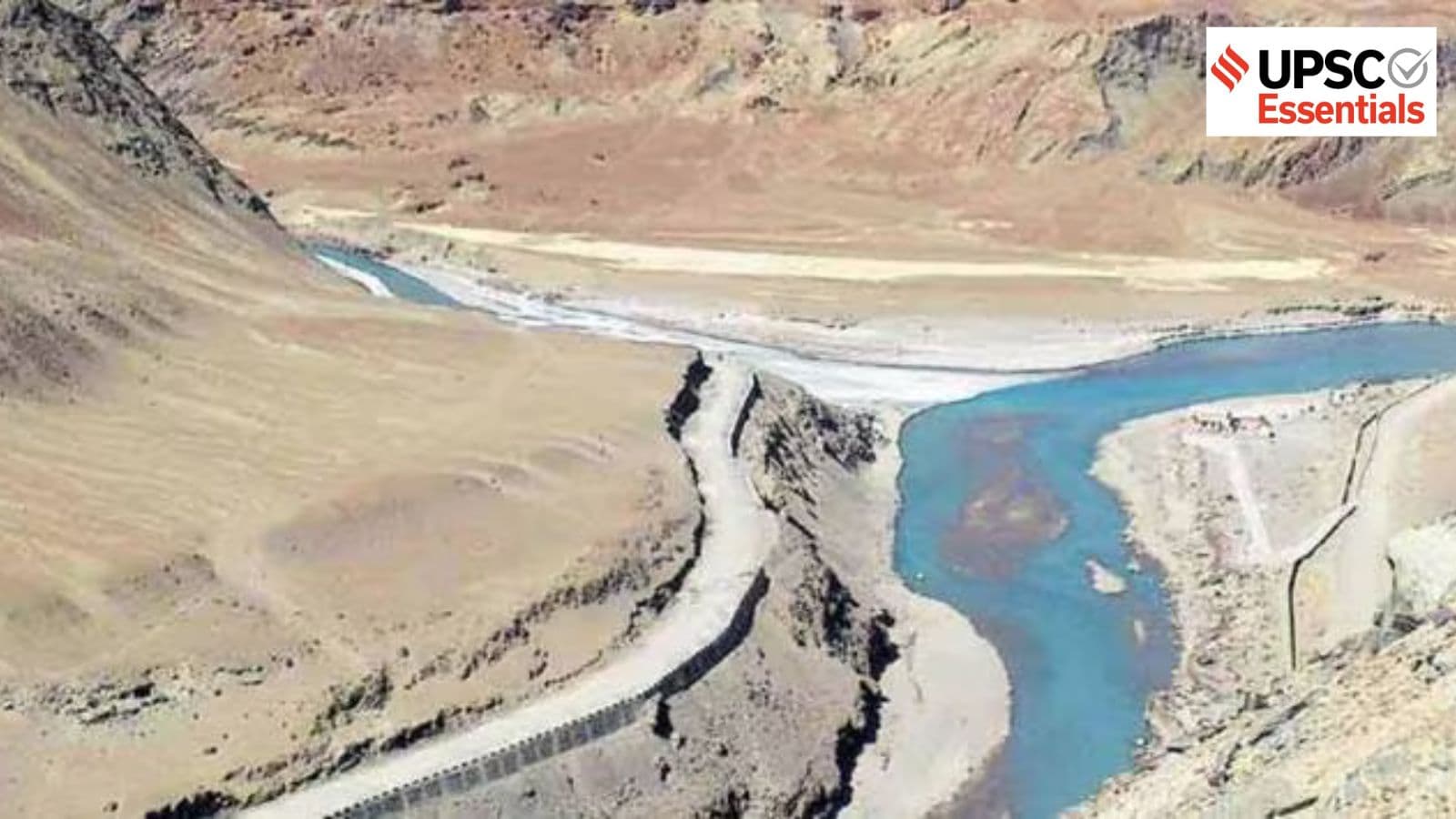
New DelhiJun 23, 2026 05:24 PM IST The Kirthai-II hydroelectric project was recommended for a grant of environmental clearance in 2021, but was subject to the grant of in-principle forest clearance. (File Photo)The Forest Advisory Committee (FAC) of the Ministry of Environment, Forest and Climate Change has recommended in-principle approval for diversion of 197 hectares of forest land for the 820 MW Kirthai-II hydroelectric project on the Chenab River in Jammu and Kashmir. The project was recommended for a grant of environmental clearance in 2021, but was subject to the grant of in-principle forest clearance as the project site is located in a moderate to dense, high-mountainous forest area.Kirthai-II becomes the third hydroelectric project planned on the Chenab to receive approvals from the Environment Ministry since the suspension of the Indus Water Treaty in the wake of the Pahalgam terror attack. The Centre has moved to expedite hydel projects stalled or proposed in the Indus basin since the Treaty’s suspension. Sawalkote, Dulhasti–II, Ratle, Pakal Dul, Kwar, Kiru, and Kirthai Stage I and II are some of the projects planned on the Chenab River. Under IWT, Pakistan controlled the waters of the Indus, Jhelum, and Chenab, while India controlled the waters of the Ravi, Beas, and Sutlej. Even as multiple projects are proposed in the Chenab basin, the Jammu and Kashmir administration has dispensed with the requirement for cumulative impact assessment and carrying capacity for the Indus, Chenab, and Jhelum, in view of their strategic nature and the need to fully utilise their water. Reduced proposed capacity The in-principle forest clearance was recommended during FAC’s June 10 meeting, as per the minutes of its meeting.Story continues below this ad FAC’s minutes show Kirthai–II will be a run-of-the-river project, and its original proposed capacity of 930 MW has now been reduced to 820 MW. As per the project documents, Kirthai–I is upstream, and the Kiru project is downstream of Kirthai–II. A 121-metre-high concrete gravity dam will be constructed in Padder tehsil of Kishtwar district. As many as 8,723 trees will be felled for the project site, which features dense forest comprising Pine species, Silver Fir, Oak species, and other temperate and broadleaf trees. The project site is a natural habitat of Chilgoza Pine trees. The Himalayan Tahr, Asiatic Black Bear, Himalayan Brown Bear, and Asiatic Ibex are also present on the project site, the divisional forest officer said in his report to the FAC.Story continues below this ad The ministry panel has directed the implementation of a wildlife biodiversity management plan and habitat management plan, including an animal passage plan. The project will be implemented by the Chenab Valley Power Projects Ltd, a joint venture of the National Hydroelectric Power Corporation and the Jammu and Kashmir State Power Development Corporation Limited. An award-winning journalist with 14 years of experience, Nikhil Ghanekar is an Assistant Editor with the National Bureau [Government] of The Indian Express in New Delhi. He primarily covers environmental policy matters which involve tracking key decisions and inner workings of the Ministry of Environment, Forest and Climate Change. He also covers the functioning of the National Green Tribunal and writes on the impact of environmental policies on wildlife conservation, forestry issues and climate change. Nikhil joined The Indian Express in 2024. Originally from Mumbai, he has worked in publications such as Tehelka, Hindustan Times, DNA Newspaper, News18 and Indiaspend. In the past 14 years, he has written on a range of subjects such as sports, current affairs, civic issues, city centric environment news, central government policies and politics. ... Read More Tags: chenab river Environment ministry hydel projects Indus Water Treaty
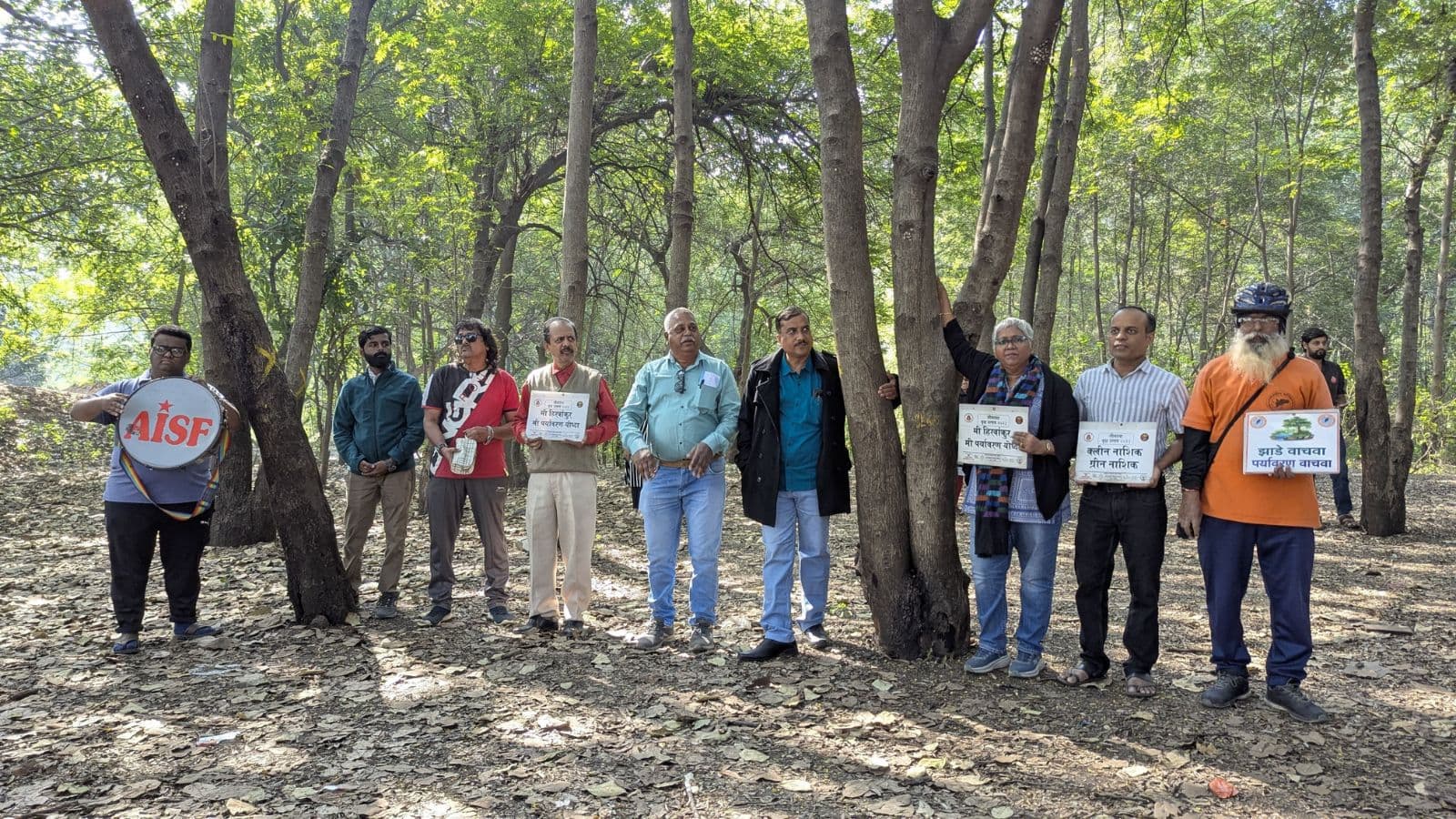
Before the 2015 Sinhasta Kumbh Mela, Nashik’s Municipal Corporation went to the Bombay High Court seeking permission to fell over 2,400 trees — for road widening across 91 kilometres, a Sadhugram, and a water treatment plant. The court was sceptical. An expert committee was brought in, numbers were slashed, and ultimately around 700 trees were approved for felling and 600 for transplantation.Twelve years on, the script is nearly identical. From late 2025, the NMC began publishing notices for the felling of thousands of trees ahead of the 2027 Sinhasta Kumbh Mela. Environmentalists petitioned the National Green Tribunal (NGT) bench in Pune. In April 2026, the NGT ordered a complete stay on all tree felling in Nashik pending further hearings.Tapovan controversy Maharashtra is pouring over Rs 25,000 crore into the 2027 Kumbh Mela. At the heart of the controversy is Tapovan — a stretch of land along the Godavari where, according to Hindu mythology, Lord Ram spent part of his exile. For every Kumbh, temporary structures go up for the Sadhugram. Then the event ends, the sadhus leave, and the land sits empty for another 12 years. This time, the NMC had bigger plans. In late 2025, residents spotted felling notices on trees across Tapovan — up to 1,800 of them. The corporation wasn’t just planning a temporary Sadhugram. It wanted a permanent MICE (Meetings, Incentives, Conferences, and Exhibitions) hub. Protests erupted. Allegations of a politician-builder nexus flew. Even BJP ally and late Deputy Chief Minister Ajit Pawar spoke out against the felling. The MICE hub tender, floated in December, was cancelled. Chief Minister Devendra Fadnavis was unmoved. “Some people have started doing activism without any reason,” he said. “Some have become environmentalists for political reasons. The Kumbh Mela is a sign of our culture that joins us with the environment. We will find a way so that the environment won’t get destroyed — but some people want obstacles in the way of Kumbh. We will not let that happen.” When The Indian Express visited Tapovan this month, hundreds — possibly thousands — of trees bore yellow crosses painted by the NMC. On the larger trees, the crosses had since been painted over in green. “These trees were marked for felling,” said environmentalist Gaurav Deshmukh. “After the protests, they tried to cover their tracks.” Activists, for their part, have inscribed ‘Sri Ram’ on the trunks — in hopes of preventing them from being cut. In the latest development, the Maharashtra government on June 5 approved Rs 2,267 crore for acquisition of land at Tapovan.Story continues below this ad What happened in 2015 The roots of this battle go back further than 2015. A PIL concerning the felling of 50,000 trees by the NMC and NHAI had been filed in the Bombay High Court in 2006. As the Sinhasta Kumbh Mela approached, the NMC piggybacked on this ongoing case, filing a civil application seeking permission to cut 2,400 trees for road construction, widening, and the Sadhugram and WTP areas. The court directed the NMC to submit a report to the Chief Conservator of Forests, who, however passed the job to his deputy — without the court’s permission. The court scrapped that report and constituted a fresh committee: the Chief Conservator of Forests alongside two botany professors from Savitribai Phule Pune University. After visiting all sites, the committee recommended felling 1,145 trees and transplanting 643, with compensatory plantation at a 1:3 ratio and fresh planting of 16,288 trees. Even that wasn’t the end of it. Petitioners pushed back, and the court took note: “This is not the first time the Sinhastha Kumbhamela has been held in Nashik. In the past, large numbers of devotees visited and at that time no such exercise of such magnitude to fell hundreds of trees was undertaken by the Municipal Corporation.” The court accepted the committee’s report, but added its own conditions. No Ficus trees — Vad, Nandruk, Peepal — could be touched. Road
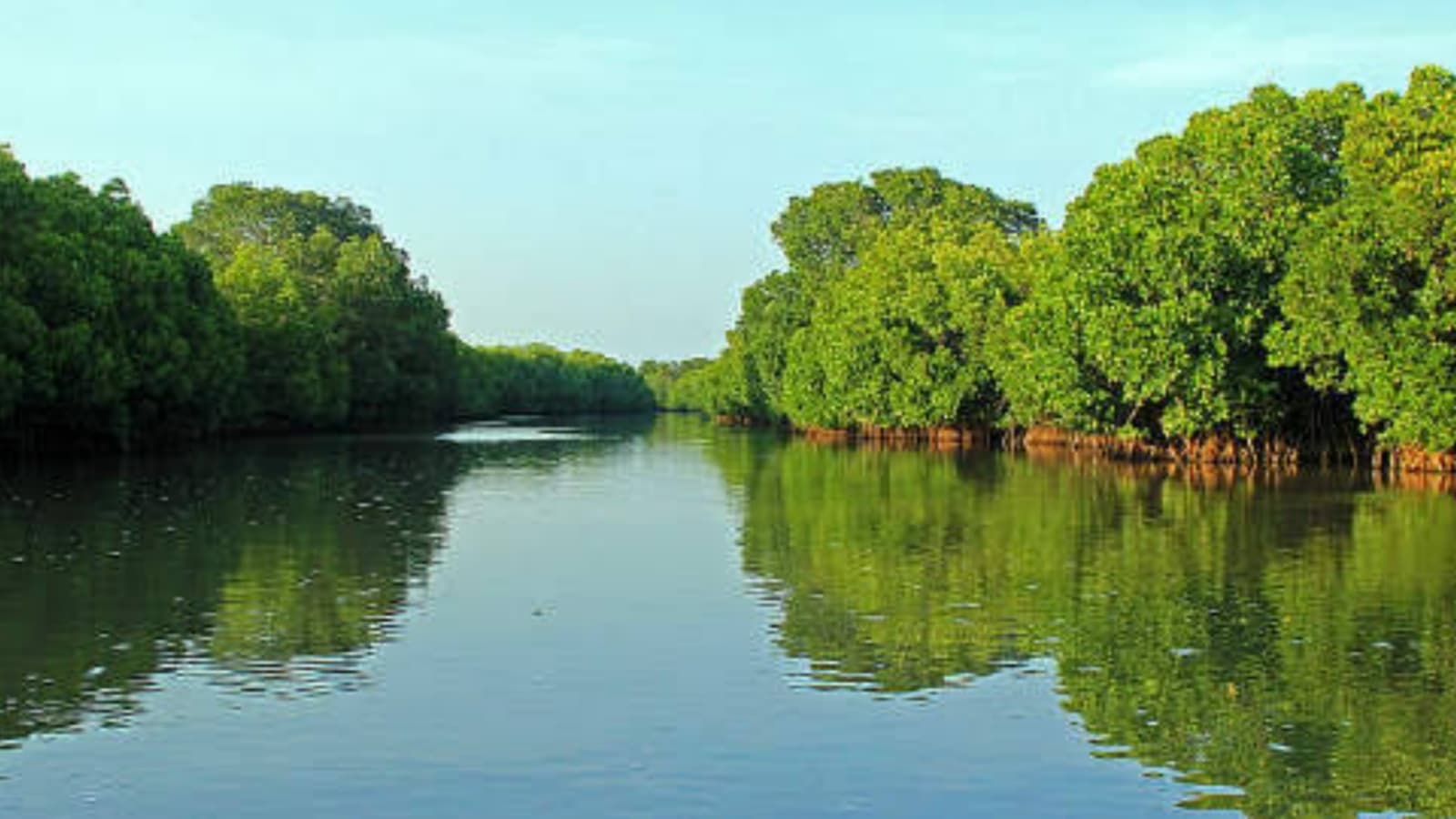
New DelhiJun 2, 2026 12:30 PM IST Mangrove forests are among the planet’s most valuable ecosystems, acting as natural coastal shields, carbon sinks, and thriving habitats for wildlife. While destinations like the Sundarbans often dominate conversations around mangroves, several lesser-known mangrove forests quietly play an equally critical ecological role. They are: Bhitarkanika Mangroves, Odisha Overshadowed by the Sundarbans, the Bhitarkanika mangrove ecosystem in Odisha is one of India’s richest wetland habitats. Spread across river deltas and estuaries, the forest is home to saltwater crocodiles, king cobras, migratory birds, and spotted deer. The dense mangrove cover also helps protect coastal villages from cyclones and tidal surges. Boat rides through narrow waterways reveal an untouched landscape where nature remains largely undisturbed. The region is especially popular among birdwatchers during the winter migration season.Pichavaram Mangrove Forest, Tamil Nadu Located between Chennai and Chidambaram, Pichavaram is one of the world’s largest mangrove ecosystems, yet it remains relatively underexplored. The forest consists of water channels lined with thick mangrove roots, creating surreal green tunnels. Unlike traditional wildlife destinations, Pichavaram offers a quieter, immersive experience through canoe rides and eco-tourism activities. The mangroves also play an important role in protecting Tamil Nadu’s coastline from erosion and storm damage. Godavari Mangroves, Andhra Pradesh The Coringa Wildlife Sanctuary near Kakinada houses one of India’s most significant yet lesser-known mangrove belts. Rich in fishing cat populations, otters, and rare bird species, these mangroves support both biodiversity and local fishing communities. The region’s vast network of tidal creeks and mudflats serves as a nursery for marine life, making it ecologically vital for coastal fisheries in the Bay of Bengal. Krishna Delta (Photo: Wikipedia)Mangroves of Qeshm Island, Iran Away from South Asia, the Hara mangrove forests on Iran’s Qeshm Island are among the Middle East’s hidden ecological gems. These salt-tolerant forests partially submerge during high tide, creating a constantly changing landscape that supports flamingos, herons, turtles, and fish species. The unique ecosystem also attracts researchers studying climate resilience and coastal adaptation in arid regions. Everglades Mangroves, USA While the Everglades are famous globally, many of their remote mangrove zones remain less visited. These dense coastal forests form critical breeding grounds for fish, crocodiles, and birdlife while absorbing massive amounts of carbon. Kayaking through these hidden waterways offers a rare chance to experience wilderness that feels untouched by urban development.
As a result, a significant proportion of green cover is set to be affected.The Brihanmumbai Municipal Corporation’s (BMC) tree committee on Friday (May 29) cleared a proposal that would allow cutting and transplanting of 1,992 trees to make way for the Mumbai coastal project. The proposal doesn’t include the additional 6,000 mangroves that will be cut for this project. The BMC secured permission to cut the mangroves from the Bombay High Court (HC) and the state forest department last year. Meanwhile, of the 1992 trees that will be chopped by the tree committee, 726 will be cut, while 1,266 will be transplanted at a land parcel in Powai.Of the 1992 trees affected, 815 are in Malad, 323 are in Goregaon, 321 will be in Andheri West and Versova region. Officials said that the proposal for cutting trees for the coastal road project is being tabled on in two phases, and on Friday, the first phase was cleared. “The proposal is being tabled in a phased manner since we have to maintain the ratio of compensatory plantation as well. For instance, for cutting and transplanting these 1992 trees we will be planting 20,330 trees as compensation in Panvel at the Raigad district. So we sent the proposal to the tree committee only after we had acquired the land parcel for planting these many trees,” an official privy to the project told the Indian Express. Furthermore, the official also stated that the compensatory plantation will be carried out by the state government’s forest development corporation (FDC) who will be responsible for taking care of the saplings and trees for a period of seven years. “The proposal for cutting the trees in the next phase will be sent to the committee only after we find a land parcel,” the official added. The proposed second phase of the coastal road will connect Versova with Bhayander in the Mumbai Metropolitan Region (MMR) and has been divided into six different packages. Package A will cover 4.5 km between Versova and Bangur Nagar (Goregaon), package B will cover 1.66 km between Bangur Nagar and Mindspace (Malad). The packages C and D will include twin tunnels – 3.9 km long – connecting mindspace at Malad with Charkop in Kandivali. Package E will be 3.78 km, connecting Charkop with Gorai and the final package F will be 3.69 km will connect Gorai with Dahisar. Pegged at Rs 25,000 crore, the phase 2 of Mumbai coastal road will be a 25 KM-long high speed corridor comprising underground tunnels, cable-stayed bridges and vehicular interchanges. The alignment of the road has been planned in such a way that it will traverse through mangrove patches, creeks and forest zones. As a result, a significant proportion of green cover is set to be affected. Pratip Acharya is a seasoned journalist based in Mumbai reporting for The Indian Express. With a career spanning over a decade, his work demonstrates strong Expertise and Authority in critical urban issues, civic affairs, and electoral politics across Eastern and Western India. Expertise & Authority Current Role: Journalist, The Indian Express (IE), reporting from Mumbai. Core Authority: Pratip's reporting focuses sharply on local democracy and development, specializing in: Urban Governance and Civic Affairs: Providing in-depth analysis of municipal decision-making, city planning, and local infrastructure, essential for informed urban reporting. City Politics and Environment: Covering the political dynamics of Mumbai and surrounding areas, alongside critical environmental challenges impacting the metro region. Electoral Coverage (High-Stakes Experience): He has extensive experience in high-stakes political reporting, having covered major elections, establishing his Trustworthiness in political analysis: National: Lok Sabha elections in 2014 and 2019. State: West Bengal Assembly elections in 2016 and Maharashtra Assembly elections in 2019. Major Assignments (Ground Reporting): Pratip demonstrated commitment during cri


Discussion (0)