
Loading dispatches...
← Return to NewsroomPolitics
Punjab Govt orders drafting of law to curb arbitrary private school fee hikes
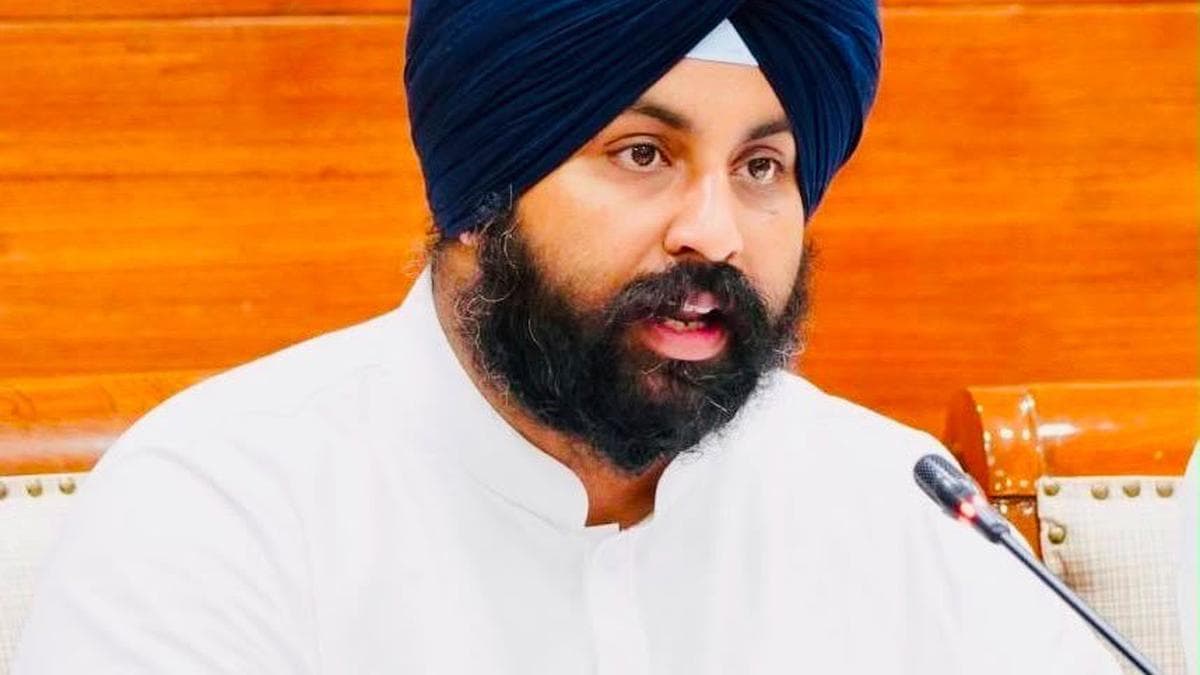
Harjot Singh Bains. Credit: Punjab Govt Less than 24 hours after Chief Minister Bhagwant Singh Mann announced sweeping reforms to curb arbitrary fee hikes by private schools, the Punjab Government has moved swiftly to translate the decision into law. School Education Minister Harjot Singh Bains has written to the Secretary, School Education Department, directing the immediate drafting of legislation that will regulate private school fees, enforce transparency and accountability, and protect more than 32 lakh students and their families from unjustified financial burden.The proposed legislation will cap annual fee hikes at 5% and require schools that have increased fees beyond the prescribed 15% threshold over the last three years to refund the excess amount collected from parents. The move marks a decisive step by the Punjab Government to curb profiteering in the education sector and ensure that private schools function in the interest of students and parents rather than commercial gain.In the order, School Education Minister Harjot Singh Bains stated, “Providing accessible and affordable education is the topmost priority of our government. More than 32 lakh students are currently enrolled in nearly 7,800 private schools across Punjab. These students and their families deserve robust protection and safeguards against arbitrary fee increases, alongside complete transparency in how these institutions operate.”The Education Minister said the decision has been taken under the leadership of CM Bhagwant Singh Mann to firmly curb profiteering in the education sector. “The Chief Minister has decided that the ongoing profiteering by private schools must be firmly curbed. Education is a noble and sacred endeavour; it is a public good, not a commercial enterprise to be exploited for profit. This principle has been explicitly reinforced by the Hon’ble Supreme Court of India, which has repeatedly ruled that while private institutions have the right to reasonable fee structures, commercialisation and profiteering in education are strictly impermissible,” said the Minister.Minister Harjot Singh Bains said, “To protect the interests of our citizens, the government intends to introduce a legislative framework that will ensure accountability and prevent arbitrary fee hikes. The matter is being accorded top priority and the Department has been directed to prepare a comprehensive proposal for Cabinet consideration at the earliest.”As part of the proposed legislation, the Punjab Government will introduce a strict annual fee cap for private schools. Under the new framework, private schools will not be allowed to increase fees by more than 5% in a year.The legislation will also provide retrospective relief to parents. Any private school that has cumulatively increased its fees by more than 15% during the last three consecutive years will be legally required to refund the excess amount collected beyond the prescribed threshold to parents.The Bhagwant Mann Government believes that education should remain accessible and affordable for every child and that parents should not be burdened by unjustified fee increases. The proposed legislation is expected to establish a transparent and accountable regulatory framework for private schools across Punjab. Published - June 06, 2026 11:26 am IST
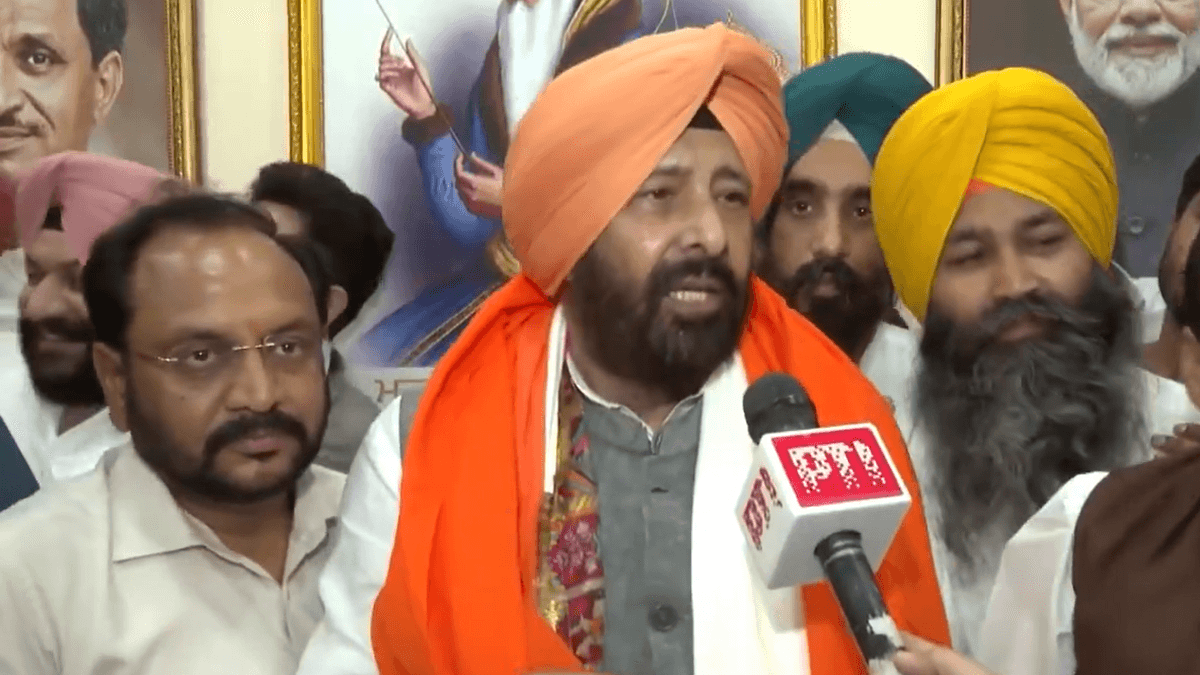
Kewal Singh Dhillon was addressing media persons in Chandigarh after assuming charge as the new president of the BJP in Punjab. Photo: X/@PTI_News The Bharatiya Janata Party’s (BJP) newly appointed head of its Punjab unit, Kewal Singh Dhillon, on Wednesday (June 3, 2026) took a dig Aam Aadmi Party (AAP)-led State government, saying its days in office were numbered, the BJP would unseat the AAP in the next Assembly election, and steer the State in a new political direction.Mr. Dhillon was addressing media persons in Chandigarh after assuming charge as the new president of the BJP in Punjab.Terming the rule of Maharaja Ranjit Singh as an ideal model for the State, Mr. Dhillon reiterated the BJP’s commitment to building a prosperous, harmonious and well-governed Punjab. “The Punjab of Maharaja Ranjit Singh was a Punjab where every farmer was prosperous, every faith was respected, and no Punjabi lived in fear. We are committed to creating such a Punjab, where every citizen enjoys equality and dignity,” Mr. Dhillon said.The AAP had come to power promising change, but had disappointed every section of society, he said, adding, “The real change that Punjabis are looking for can only be delivered by the BJP.”Archana Gupta in HaryanaIn neighbouring Haryana, newly appointed BJP State president Archana Gupta took charge of her post in Panchkula.Haryana Chief Minister Nayab Singh Saini, who attended the event, said Ms. Gupta’s appointment as State president was itself evidence of the BJP’s transformative thinking. “Daughters today are not weak but self-reliant. It is in recognition of this spirit that the responsibility of leading the party organisation in Haryana has been entrusted to Ms. Gupta,” Mr. Saini said.From booth-level workers to senior office-bearers, everyone carried both importance and responsibility in strengthening the party’s organisation, Ms. Gupta said. Published - June 03, 2026 06:54 pm IST
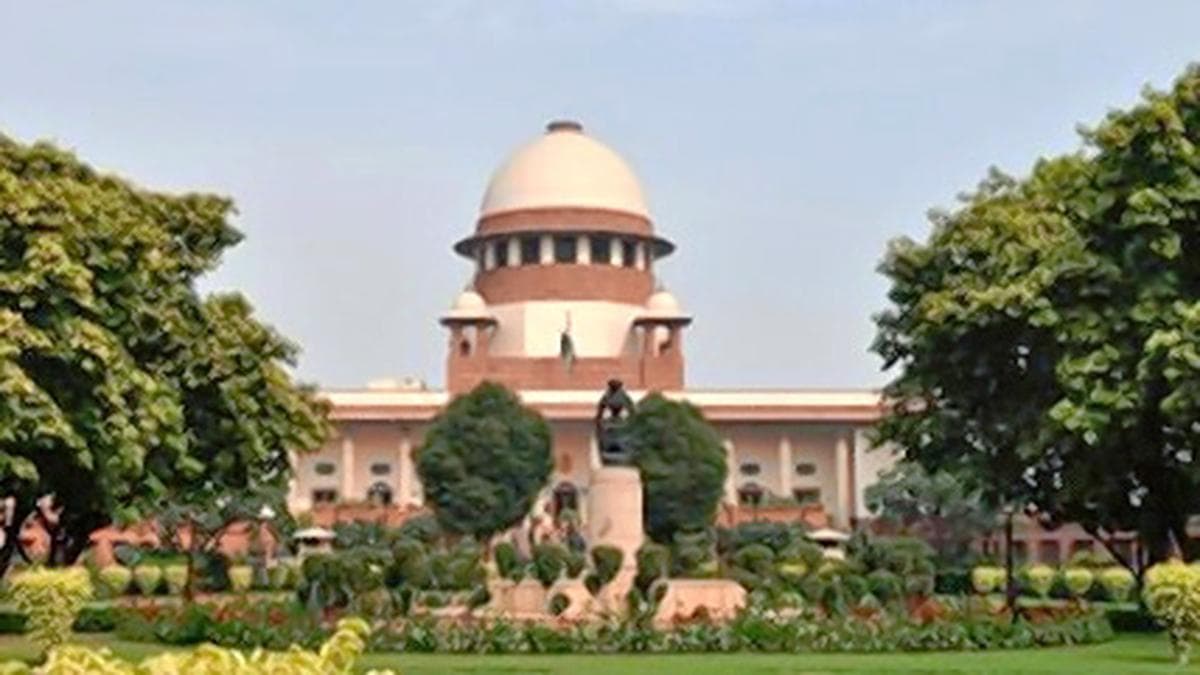
A view of the Supreme Court of India in New Delhi. FIle | According to separate notifications issued by the department of justice in the Union law ministry on Monday morning, senior SC advocate Venkita Subramani Mohana, Justice Shree Chandrashekhar, Chief Justice of Bombay High Court, Justice Sheel Nagu, Chief Justice of Punjab and Haryana High Court, Justice Sanjeev Sachdeva, Chief Justice of Madhya Pradesh High Court, and Justice Arun Palli, Chief Justice of Jammu and Kashmir and Ladakh High Court have been elevated as top court judges.Once they take oath and assume charge, the Supreme Court will formally have 37 judges.The Government last month promulgated an ordinance amending a law to increase the sanctioned strength of the apex court to 38 from 34, including the Chief Justice of India.While there were already two vacancies, after the sanctioned strength was increased, altogether six posts became vacant in the apex court.With five appointments on Monday (June 1, 2026), the Supreme Court has one vacancy.The five names were recommended by the Supreme Court Collegium on May 27 and the appointments came through in four days. Published - June 01, 2026 08:38 am IST
Image used for representational purposes only. | At the time of the suspension, he was posted as the additional district and sessions judge, Kaithal.The suspension order did not specify any reason, though it indicates that it pertains to the period when Mr. Goyal was posted as special judge in the CBI Court.The May 29 order, issued by the court's Registrar General, States: “Hon'ble Chief Justice and judges, in exercise of powers under Article 235 of the Constitution of India read with Rule 4 (b) of the Haryana Civil Services (Punishment and Appeal), Rules, 2016. to place Mr. Rajeev Goyal, the then special judge, CBI Court, Panchkula (now posted as additional district and sessions judge, Kaithal) under suspension with immediate effect in contemplation of initiation of disciplinary proceedings against the officer.”"During the period of suspension, the headquarters of Mr. Rajeev Goyal will be at Kaithal. He will not leave the headquarters during this period without the prior permission of the district and sessions Judge, Kaithal," reads the order.Mr. Goyal was transferred to Kaithal as the additional district and sessions judge over a month back. Notably, the CBI Special Court in Panchkula, Haryana, has jurisdiction to hear all CBI cases registered across the State. Published - May 31, 2026 09:51 pm IST

Discussion (0)