
Loading dispatches...
← Return to Newsroomgeneral
Modi at 4,399 Days: The making of India’s longest-serving elected prime minister
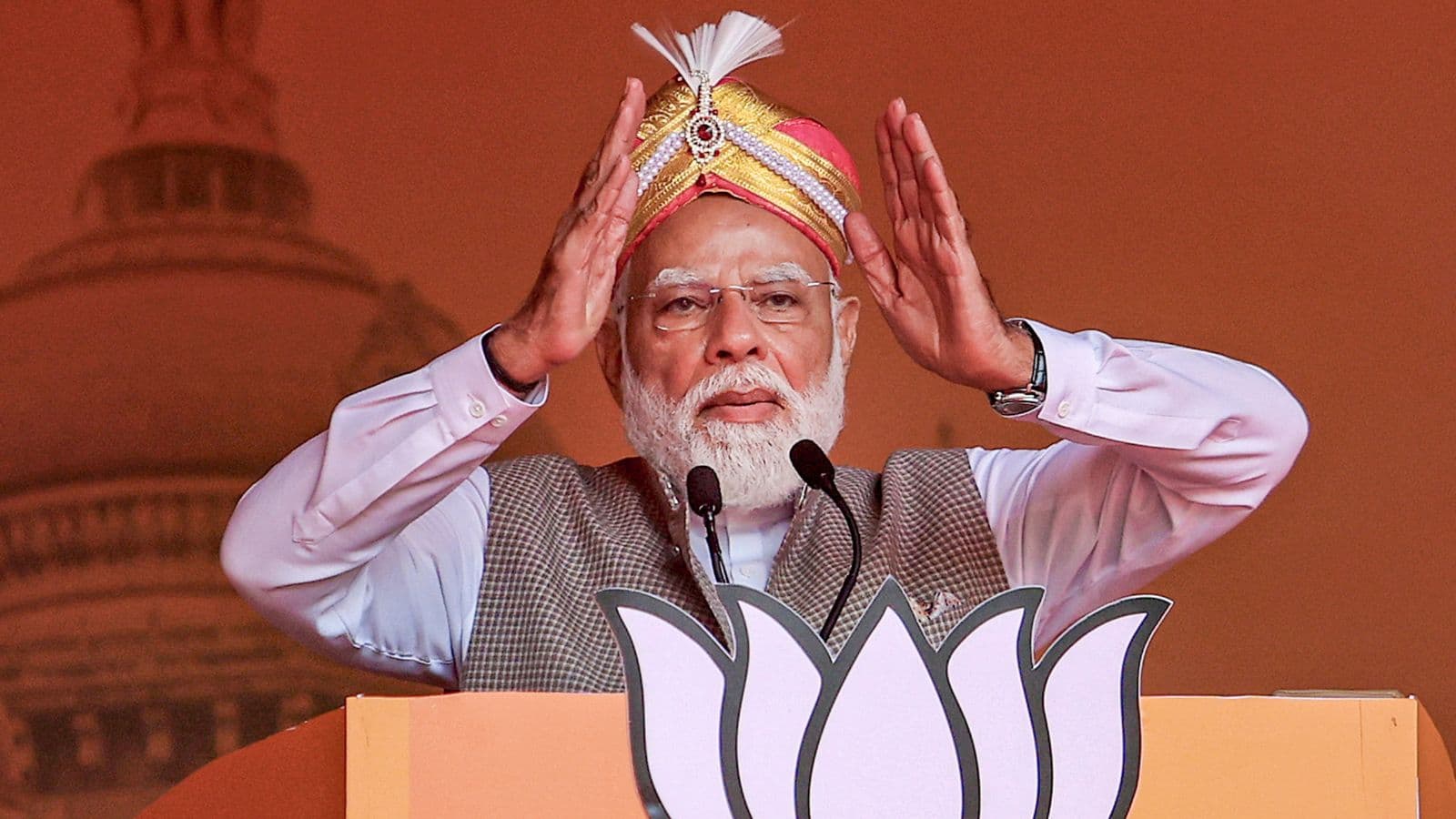
Independent India has seen 15 prime ministers from Jawaharlal Nehru to Narendra Damodardas Modi. They served the country in different socio-political and economic scenarios, addressing a variety of challenges to the best of their abilities. The saga of the present incumbent tells a unique story. Decoding Prime Minister Modi is instructive in the context of the unfolding of India in the 21st century.On June 10, Narendra Modi becomes the elected Prime Minister with the longest tenure of 4,399 days in office, surpassing Nehru’s record by a day. He has three more years to go in this term. The achievement is significant because it comes in an era of unprecedented political competition, coalition dynamics, 24-hour media scrutiny, and the rise of social media-driven public discourse. Since first taking oath on May 26, 2014, he has secured three consecutive mandates from the people, becoming the first Prime Minister since Nehru to achieve this.When Nehru was PM, India’s population was only 14 crore. It swelled up to 140 crore during Modi’s time, presenting complex challenges on a range of governance issues. Few will disagree that Bharat has risen to a new level during this period. The general perception is that Modi is the lone option for many more years as Prime Minister. The Modi phenomenon Born to parents of modest means, Modi worked as a tea vendor in Vadnagar, Gujarat, assisting his father. To travel from there to the PM’s office in South Block in the national capital is an extraordinary achievement. His was a journey of self-realisation, of understanding Bharat, the people and their problems, envisioning the destiny of our country as “Swarnim Bharat” and striving for the realisation of this vision. His mind was primarily shaped by his early association with the RSS. For most of his life, he quietly went about discharging the duties assigned by the RSS, Jana Sangh and BJP at various levels, staying unheard, unseen and unsung. In the process, he acquired immense organisational abilities, clarity of thought, courage to dream of India’s destiny and ability to rise to the occasion when the call for duty to the nation knocked at his door. The break and the tidings At 51, Modi became the youngest Chief Minister of Gujarat without even being an MLA. He demonstrated his abilities from day one, unleashing and channelising the entrepreneurial abilities and energies of the people of Gujarat. His 13-year, unbroken tenure as CM was eventful in several ways. The Gujarat model that emerged during his tenure captured the imagination of the people of the country. The events during 2009-14, and the public discourse around them — the governance crisis, degeneration of democratic and governance institutions, the reign of corruption, sniping from across the border, economic issues, declining status of Bharat in the global scheme of things — led people towards despondency. The people of Bharat yearned for a leader who could deliver and make a difference to their lives and to the stature of the country. They found such a leader in the then Gujarat CM, who had already delivered and made a difference at the state level. The 2014 Lok Sabha elections Modi led the NDA to victory in the 2014 Lok Sabha elections. For the first time, the BJP secured a majority on its own. I am glad to have been one of the senior leaders of the BJP who strongly pitched for Modi as PM. It was the beginning of a new era in the annals of Bharat. Modi repeated this stellar performance in the next two elections in a row. He has come to stay as the shaper of India’s destiny. Modi’s work speaks for him It is one thing to come to power and another to stay there. Shifting loyalties are the order of the day. But Modi has defied this, that too at the national level. This speaks for his performance both as Gujarat CM and as PM. The BJP had been able to expand its footprint across the country, and is now in over 20 states, including in the Northeast, and making inroads in the South as well
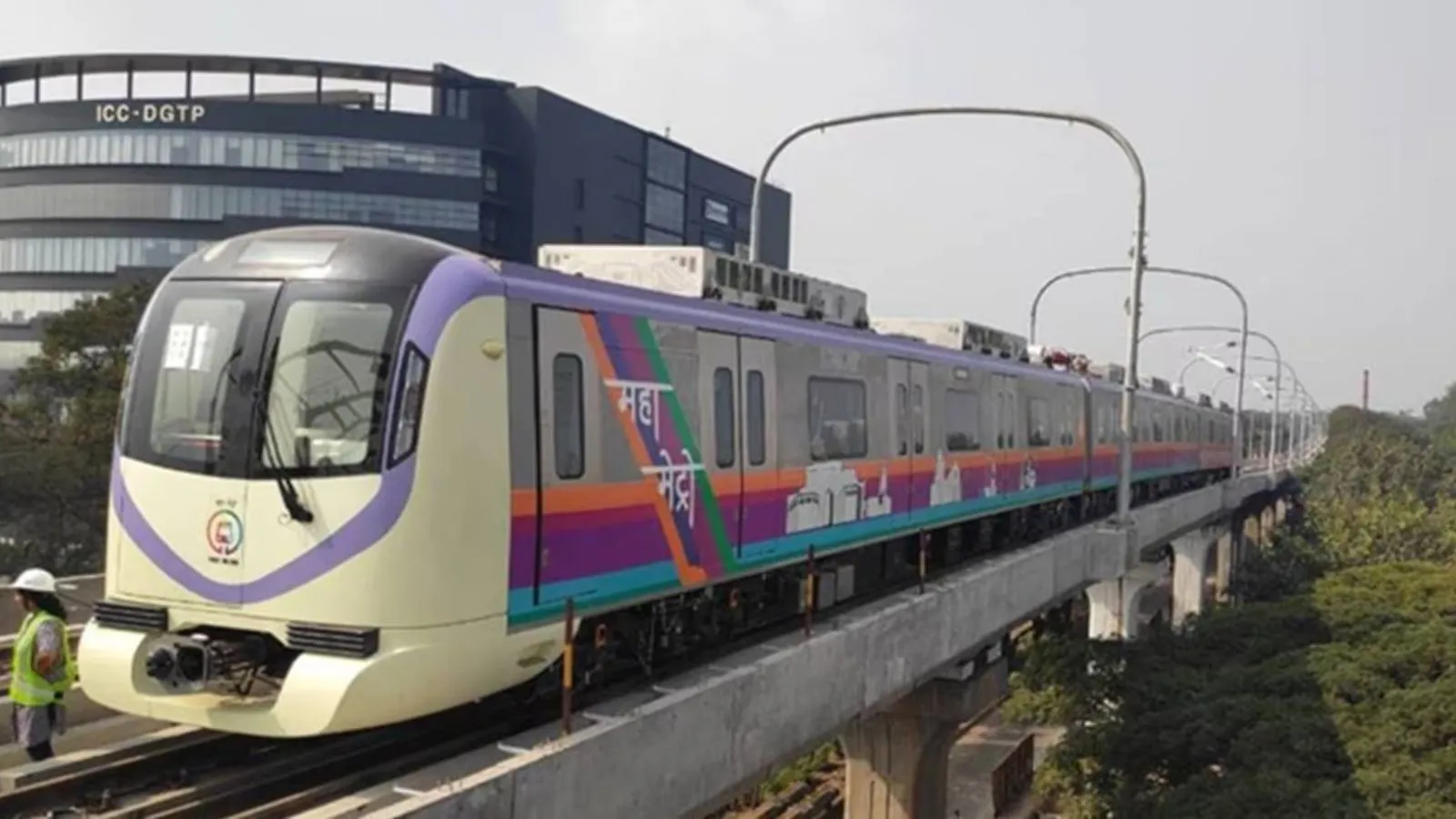
The first phase of the Hinjawadi–Shivajinagar Metro (Line 3), covering a 12-km stretch, is set to commence operations from July 15. The remaining section of the corridor is expected to become operational within the next two months.“The Chief Minister has instructed us to start Metro services from July 15. Accordingly, we are gearing up to launch the first phase of the project by then,” Pune Metropolitan Region Development Authority (PMRDA) Commissioner Abhijit Chaudhari told The Indian Express on Saturday.However, the launch is subject to final safety clearance. The Commissioner of Railway Safety (CRS) has already conducted a preliminary inspection of the 12-km stretch between Maan and Ramnagar. “The final inspection is expected between June 15 and June 20. If no major issues are identified during the inspection, we should be in a position to start operations from July 15,” Chaudhari said. While the Pune Metro network built by Maha-Metro was inaugurated by Prime Minister Narendra Modi, no decision has yet been taken on who will inaugurate the Hinjawadi–Shivajinagar Metro line, officials said. The first phase will include 12 stations, while the second phase will comprise the remaining 11 stations. The entire Metro corridor spans around 23 km and is expected to significantly ease traffic congestion in Pune’s Hinjawadi IT hub, which witnesses heavy traffic snarls during peak office hours on weekdays. The July 15 deadline follows directions issued by Chief Minister Devendra Fadnavis during a high-level “War Room” meeting held at Sahyadri Guest House in Mumbai on Thursday.Story continues below this ad During the meeting, the Chief Minister reviewed 20 major infrastructure projects across Maharashtra, including Pune Metro Line 3, and sought details on the progress of the Shivajinagar–Hinjawadi Metro project being implemented by PMRDA. As some technical work on the route remains incomplete, Fadnavis directed that the first 12 stations be opened to passengers by July 15. The Chief Minister had earlier instructed PMRDA to complete the first phase by June 30. However, PMRDA officials said certain ground-level works had been delayed. During the review meeting, Chaudhari informed the Chief Minister that Metro services on the first-phase section would begin by July 15. “Once this phase becomes operational, commuting will become easier for lakhs of employees travelling to Hinjawadi IT Park, and it will significantly reduce traffic congestion in the area,” Chaudhari told the CM.Story continues below this ad According to PMRDA sources, work on the remaining 11 stations will be completed on a war footing after the first phase is commissioned. The full 23.2-km elevated corridor, comprising all 23 stations between Hinjawadi and Shivajinagar, is expected to be operational within the next one-and-a-half to two months. The Hinjawadi–Shivajinagar Metro is being developed under the Public-Private Partnership (PPP) model and is the first Metro project of its kind in the country. Tata Realty and Infrastructure Ltd (TRIL) and Siemens Project Ventures are the private partners in the project. The total cost of the 23.2-km corridor is Rs 8,313 crore. Pune’s Metro network is being developed by two agencies — Maha-Metro and PMRDA. To ensure seamless travel across both systems, Fadnavis directed officials to implement an integrated ticketing system at the earliest so that passengers can use a single ticketing platform across the networks. Expressing displeasure over delays in infrastructure projects, the Chief Minister warned contractors against missing deadlines.Story continues below this ad “Under no circumstances should infrastructure projects take more than three to three-and-a-half years to complete. Delays cause huge financial losses to the country and the state. Slackness in work will not be tolerated,” he said. Officials said the meeting also reviewed other major Pune infrastructure projects, including the Pune Ring Road, the Mula-Mutha River Rejuve
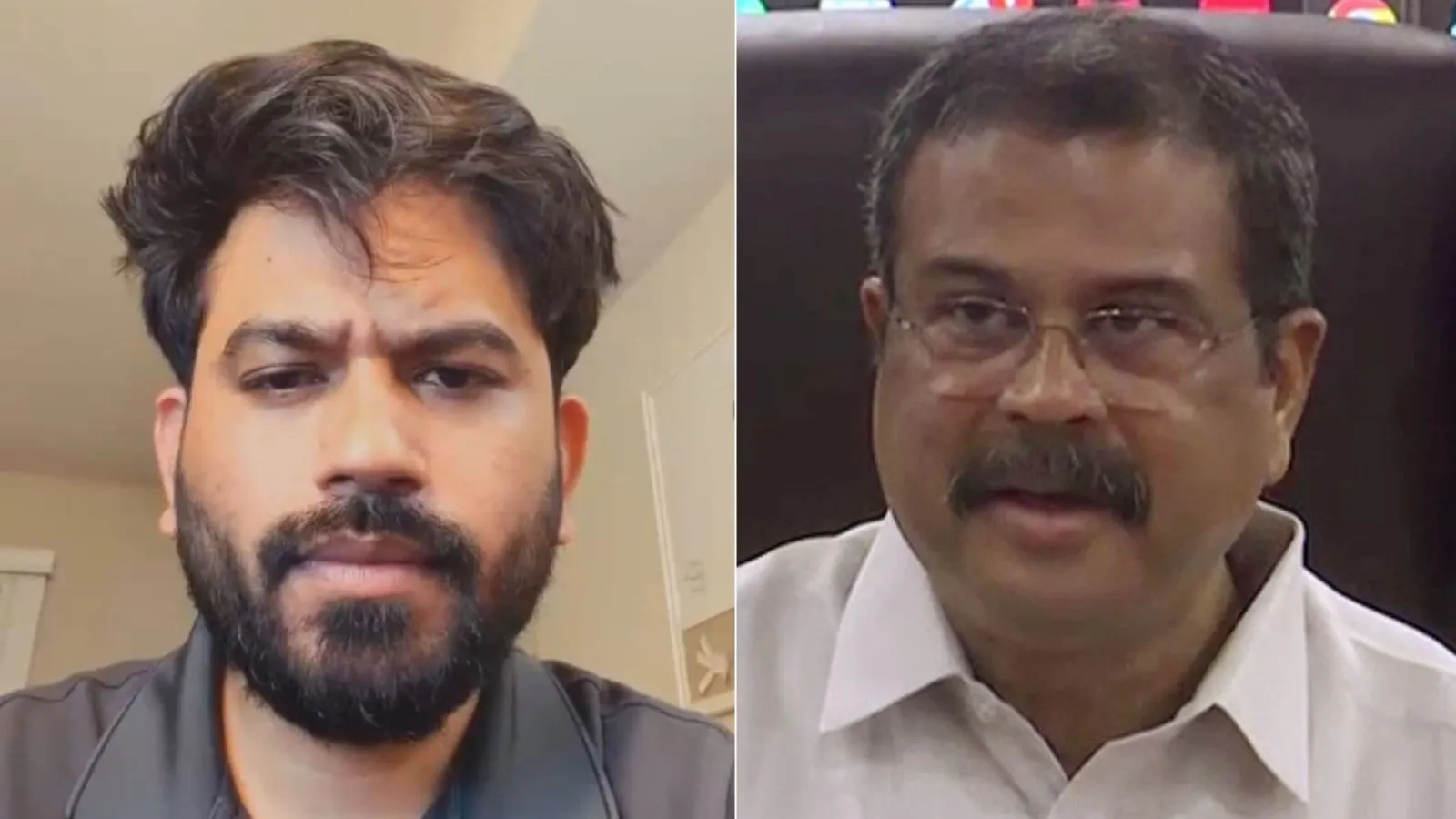
The 2,000-odd personnel who will be deployed in the New Delhi district have been directed to avoid confrontation with the protesters and to try to keep them calm through persuasion, sources said.The district will be divided into 12 zones, each of which will be headed by a DCP-rank officer.Police will step up deployment outside the homes of VIPs including Prime Minister Narendra Modi, Home Minister Amit Shah, and Education Minister Dharmendra Pradhan, who has been targeted by the protesters. Abhijeet Dipke, who started the ‘Cockroach Janta Party’ Instagram and X handles that became a phenomenon within days of their launch last month, is expected to arrive in Delhi from the United States on Saturday morning. On Friday evening, spokespersons for the “youth pressure group” gave a call for a protest at Jantar Mantar to demand the resignation of Pradhan. “6 June, 9 am…Get ready to swarm the streets of Delhi with peaceful and loving dissent”, they posted on X. The Indian Express has learnt that police have issued an internal communication to all district and unit DCPs, alerting them of possible heavy mobilisation, traffic disruption and law-and-order issues in parts of the capital on Saturday.Story continues below this ad Until Friday night, the CJP had not officially sought permission from the police to hold the protest at Jantar Mantar. However, police were open to granting permission even on Saturday, sources said. “There is a possibility that they will seek permission on Saturday morning, and it has been decided so far to give them permission after taking a proper undertaking. All districts, especially North, Central, Southeast, Southwest, have been asked to provide smooth facilitation to all students who are coming to join the protest,” a source said. Police officers have been told to carry out videography, photography and drone surveillance at protest sites, the sources said. According to the CJP, Dipke, who has been in Boston, is expected to land in Delhi at 8 am, and travel from the airport to Parliament Street police station to seek permission for the protest. He is expected to be accompanied by his colleagues and activists including Sonam Wangchuk of Ladakh.Story continues below this ad “On my way to India…Leaving my fate in the hands of the Constitution. #JaiBhim,” Dipke posted on X on Friday morning. In the evening, spokespersons for the group Saurav Das and Ashutosh Ranka issued a list of Do’s and Don’ts to potential participants in the protest “to ensure the movement remains peaceful, disciplined, and respectful of public order”. They asked participants to carry the Tricolour and a book, record the proceedings of the protest, and report miscreants to the police. They were told to offer flowers to police personnel, and to not engage with “trolls or provocateurs”. They were also given practical advice: apply sunscreen, wear a cap, stay hydrated, and come only after eating something.Story continues below this ad “Tomorrow, we reset the education system of this country…make sure that our voices can’t be ignored anymore…we reclaim this democracy and this beautiful nation of ours,” Ranka said. Das invited people “of all political shades” to join the CJP’s protest. “We appeal to you all to please keep this peaceful… Please do not gather at the airport… Please meet us directly at the Parliament Street police station,” he said. Ranka issued “a last appeal” to Prime Minister Narendra Modi asking him to remove Education Minister Pradhan. “Pradhan Mantri ji, aap ke shiksha mantri Dharmendra Pradhan ji naqabil hain, unke karan hamara poora education system barbad ho chuka hai… (Your education minister is incompetent, because of him our education system has been destroyed)… We want to appeal to you directly: Modi ji, please sack Dharmendra Pradhan ji and restore our faith in democracy,” he said. The Minister has been under fire for a series of recent controversies, including the leak of the NEET-UG question paper and the chaos and co
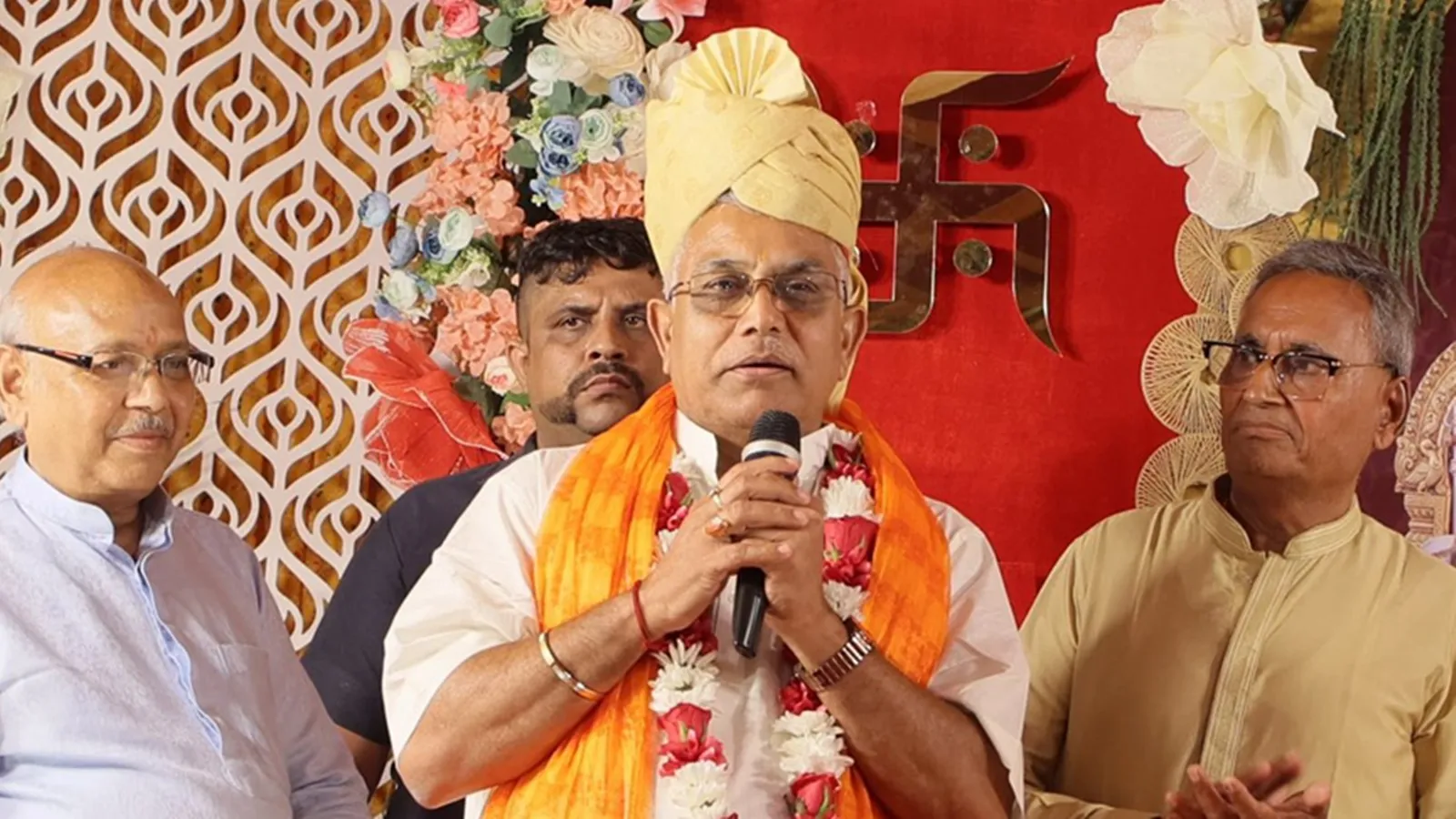
KolkataUpdated: Jun 5, 2026 09:27 AM IST state Panchayat Minister Dilip Ghosh said the Centre has approved a Rs 2,500-crore plan for the state under the Swachh Bharat Mission. (Source: FB) From laying roads and constructing houses to filling job vacancies, the new BJP government will strengthen the rural economy in all spheres, state Panchayat Minister Dilip Ghosh said on Thursday. In his first press briefing as Panchayat Minister, Ghosh said that several Central schemes for rural areas that were halted during the previous TMC rule will be relaunched very soon, including VB-G RAM G (Viksit Bharat – Guarantee for Rozgar and Aajeevika Mission – Gramin), the rural job scheme, from July 1.“All preparatory work—such as issuing project notifications, drafting various rules, forming steering committees, and training all stakeholders—is already underway. As per the new guidelines, eligible job cardholder families will be provided 125 days of wage employment in a financial year, which will include a provision of 60 ‘work-free’ days as prescribed by the law. The expenditure for this scheme will be shared between the Center and the State in a 60:40 ratio,” the minister said, adding the annual expenditure of the scheme will exceed Rs 12,850 crore and will benefit over 2.5 crore job card holders. Regarding the West Bengal State Rural Livelihoods Mission (WBSRLM), Ghosh said that in the current financial year, the government aims to form one lakh new Self-Help Groups (SHGs) and 20 lakh Lakhpati Didis, and arrange bank loans of Rs 40,000 crore, which is Rs 5,000 crore more than last year. On filling up over 11,000 vacancies in the three-tier panchayat system, that was decided in a Cabinet meeting last week, the minister said that to ensure that there was no allegation of corruption or opacity in the recruitment process, the department is considering conducting the entire examination process by an “impartial organisation”. On developing rural infrastructure and communication systems in the state, Ghosh said that the work under the Pradhan Mantri Grameen Sadak Yojana is going to start again “at a fast pace.” According to him, the Empowered Committee (EC) of the Union Ministry of Rural Development gave in-principle approval on May 27 for the construction of approximately 2,790 km of rural roads and 45 bridges under this project.Story continues below this ad “The implementation of these projects will begin after formal approval is received. A combined investment of approximately Rs 2,500 crore from both the Central and State shares will be utilised to further strengthen the rural connectivity system in the state,” he added. The minister also said that the ‘Awas Plus 2024’ survey to identify actual beneficiaries under the Pradhan Mantri Awas Yojana has already begun. “Officials have been strictly instructed to complete the survey by July 20,” he added. He said the Centre has approved a Rs 2,500-crore plan for the state under the Swachh Bharat Mission. “Although the funds have been given to many panchayats for solid waste management, they have not started the work. In this situation, to speed up the work and catch corruption, at least 10 per cent of the total panchayats in the state will be selected, and a special audit will be conducted there,” Ghosh said, adding that the process of transferring about 1,100 employees working in the same panchayat for more than three years is starting from June. He said that starting from Mahatma Gandhi’s ‘Gram Swaraj’ to the policies of Atal Bihari Vajpayee’s tenure, he would carry out policies to strengthen the rural economy. © The Indian Express Pvt Ltd Tanusree Bose is a dedicated journalist reporting for The Indian Express from Kolkata. Her work focuses sharply on the complex administrative, political, and judicial developments across West Bengal, establishing her as an authoritative voice in regional news coverage. Experience Current Role: Reports for the prestigious national daily, The Indi
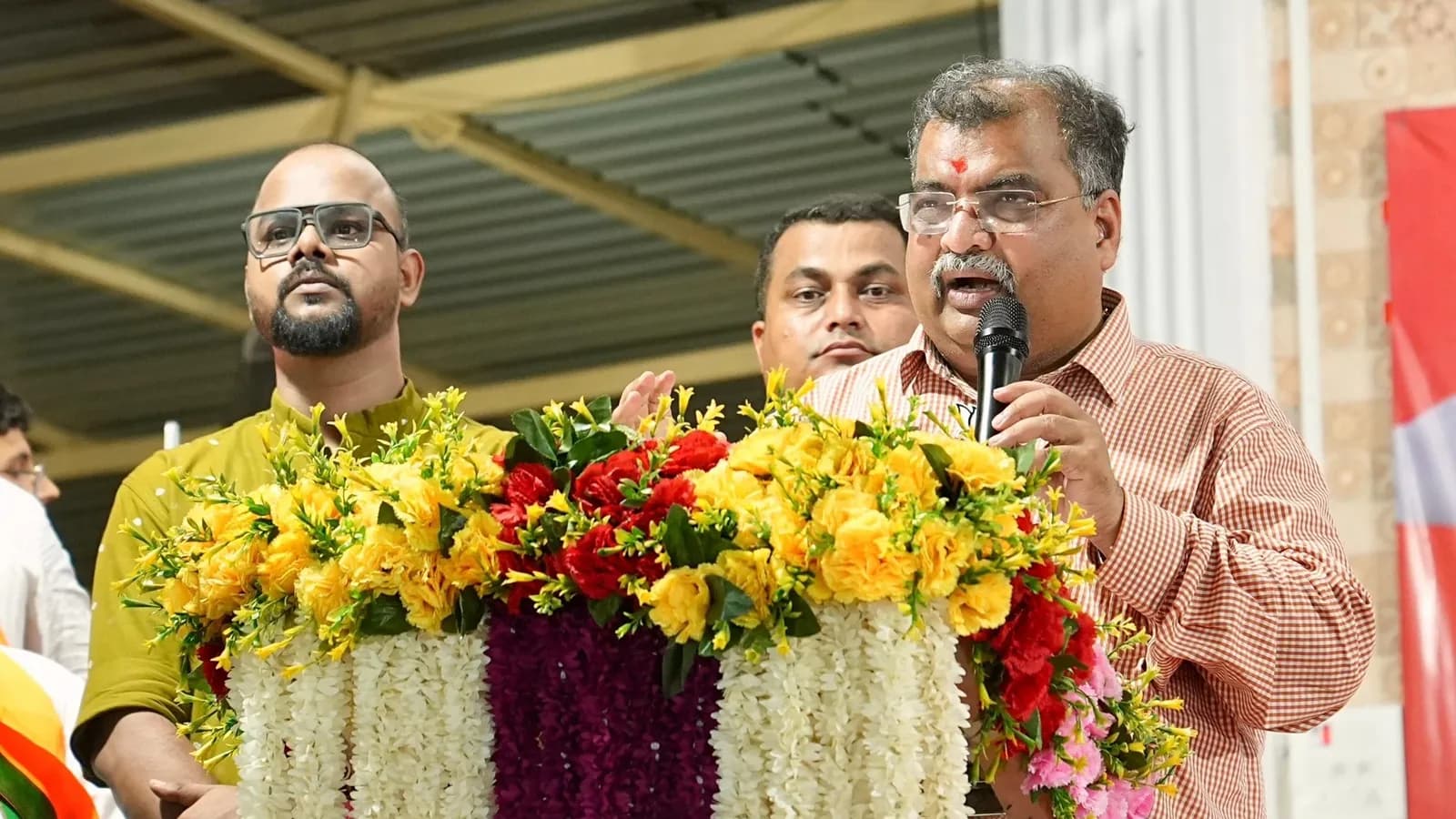
Amid sharp differences within the ruling Mahayuti in Maharashtra, top leaders of the BJP, Shiv Sena, and the NCP swung into a major damage-control exercise on Wednesday to ensure the tussle doesn’t impact their performance in the upcoming legislative council elections.In a joint press conference in Mumbai on Tuesday, state BJP president Ravindra Chavan, NCP state chief Sunil Tatkare and Shiv Sena leader Rahul Shewale declared the official list of 17 candidates. They also underlined that these 17 candidates would contest as Mahayuti nominees. They expressed confidence that all rebels who have filed nominations will be made to withdraw by June 4.Elections for 17 seats in the legislative council will take place on June 18. While the BJP has named eleven candidates, Shiv Sena four and NCP two. This election season has seen massive unrest among Shiv Sena leaders who have accused the BJP of denying its alliance partners their due share. Former Shiv Sena minister Abdul Sattar on Tuesday accused the BJP of high-handedness. The list of rebels runs long. Former Shiv Sena MLC Viplav Bajoria filed a nomination as an independent after being denied a ticket. In Chhatrapati Sambhajinagar, Abdul Sattar fielded his son Sameer as a rebel candidate against the official Mahayuti (BJP) nominee. At Jalgaon, Shiv Sena leaders Reshma Kale and Deepak Dhande rebelled against the official alliance candidate. At Satara-Sangli, Shiv Sena leader Tanaji Patil filed his nomination against the official BJP-led alliance candidate. Addressing the press conference, Chavan said, “The message from Mahayuti is loud and clear. We have knowledge about 17 official candidates across three parties. We appeal to voters to consider the official list.” He also exuded confidence that the rebels would withdraw before the June 4 deadline. Downplaying the differences within the coalition, Chavan said, “The list of candidates and division of seats party-wise was done collectively and by consensus. It was approved by Chief Minister Devendra Fadnavis, Deputy Chief Minister Eknath Shinde and Deputy Chief Minister Sunetra Pawar.”Story continues below this ad Insiders indicate that Sattar’s attack against the BJP, accusing it of slow poisoning and decapitating Shiv Sena, has not gone down well with top leaders in the BJP. It has urged Shinde to rein in Sena leaders and adhere to coalition norms. Late Tuesday night, Shinde held meetings with party leaders and office-bearers and Sattar was categorically told to clarify his stand. Sattar also offered to meet Chief Minister Fadnavis to apologise for his outburst. Tatkare said, “The NCP candidates’ names were shortlisted in a meeting which was attended by alliance partners Shiv Sena and BJP. All these whispers of disputes over seat sharing and candidates are baseless.”Story continues below this ad Shiv Sena leader Shewale said, “All these issues regarding rebels and remarks by Sattar were taken note of and addressed by Shinde.” Earlier, Chavan dismissed the question about ‘outsiders’ getting better political opportunities in the BJP. He said, “All the decisions are taken after adequate consultation and on the merit of candidates.” The BJP, he said, has never ignored its loyalists. According to the list of 17 candidates, the eleven BJP candidates are Pravin Potdar (Nagpur), Avinash Brahmankar (Bhandara- Gondia), Arun Lakhani (Wardha- Chandrapur-Gadchiroli), Rajendra Raut (Solapur), Prajakt Tanpure (Ahmednagar), Nandkishore Mahajan (Jalgaon), Dhairyasheel Kadam (Sangli-Satara) and Suhas Shirsat (Aurangabad-Jalna). The four candidates from the Shiv Sena are Ravindra Phatak (Thane), Dushyant Chaturvedi (Yavatmal), Saeed Khan (Parbhani-Hingoli) and Naresh Darade (Nashik). And the NCP candidates are Aniket Darade (Raigad-Ratnagiri-Sindhudurg) and Vikram Kakade (Pune).
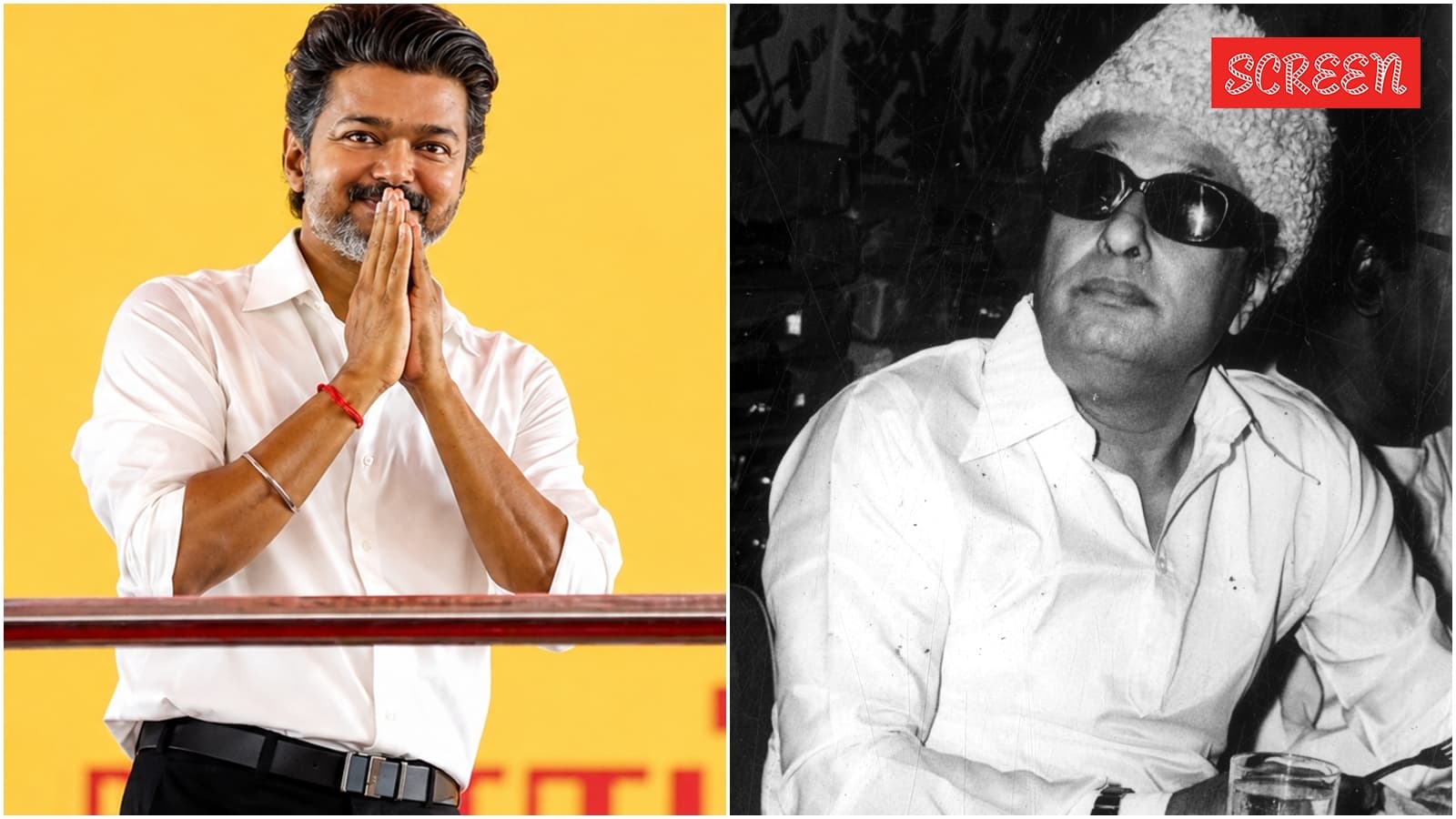
Ever since his foray into politics, Vijay has often been compared to MGR. (Credit: Facebook/@tvkpartyhq; Express Archives)In his first major public address after his Tamilaga Vettri Kazhagam (TVK) emerged as the single largest party in the Tamil Nadu Assembly elections of 2026, catapulting him to the position of the state’s Chief Minister, actor-turned-politician Vijay went all guns blazing after the opposition parties, Dravida Munnetra Kazhagam (DMK) and the All India Anna Dravida Munnetra Kazhagam (AIADMK). ‘MGR is MGR, I am your Vijay’: TVK chief downplays comparisons During his address, Vijay pointed out that even MG Ramachandran (MGR), the legendary actor and former Chief Minister of Tamil Nadu, hadn’t earned such a massive victory in his first election. However, he quickly clarified that he wasn’t likening himself to the Puratchi Thalaivar and added that he was simply someone determined to walk down the paths carved by MGR, CN Annadurai, and Periyar EV Ramaswamy Naicker.Don’t Miss | From onscreen messiah to Tamil Nadu CM: The cinematic blueprint behind Vijay’s political ascent “They said that even late Chief Minister MGR did not secure this much vote share in his very first election. Yet today, you have extended such tremendous support to the TVK. I am not comparing myself to MGR. MGR is MGR, and I am your Vijay, who has come to work in the path shown by MGR, Anna, and Periyar,” news agency ANI quoted him as saying. Vijay vs MGR: A tale of two cinematic political ascents Ever since his foray into politics, Vijay has often been compared to MGR. However, the Leo star has proven himself to be an even bigger force than Vaathiyar, winning his first-ever election with a thumping majority and becoming the Chief Minister of the state, despite not being part of any political outfit prior to this. While MGR’s AIADMK also won its first-ever elections in 1977, thus paving the way for him becoming the Chief Minister, MGR had been active in politics since the 1950s. By the time he floated AIADMK in 1972, he had nearly two decades of experience working with the DMK. He had also served as an MLC and an MLA during this period.Story continues below this ad Moreover, AIADMK faced its first Assembly polls in 1977, five years after its formation, unlike TVK, which entered the poll fray two years after its launch, underscoring Vijay’s influence over the Tamil psyche. ICYMI | CM Vijay finally explains why he keeps wearing black-and-white suits Vijay’s swansong Jana Nayagan remains mired in controversy One of the biggest superstars Tamil cinema has ever seen, Vijay bid farewell to acting at the peak of his stardom. While his aim was to retire from acting following the release of director H Vinoth’s Jana Nayagan, touted as his swansong before his full-fledged political entry, the film has yet to see the light of day as it remains mired in censorship controversy. The movie also features Pooja Hegde, Bobby Deol, and Mamitha Baiju in key roles.
In April 2016, the Modi government nominated Dasgupta to the Rajya Sabha as an eminent personality in literature. (File)Senior BJP leader and first-time MLA Swapan Dasgupta was among 35 party legislators who were sworn in as ministers in West Bengal Monday as Chief Minister Suvendu Adhikari expanded his Cabinet. In the recent Bengal Assembly elections swept by the BJP, journalist-turned-politician Dasgupta,70, won from the Rashbehari constituency in South Kolkata, defeating the incumbent Trinamool Congress (TMC)’s Debasish Kumar by over 20,800 votes.Dasgupta, a prominent political commentator and columnist, is known to be close to the BJP central leadership. He describes himself as “ideologically conservative and nationalist”. After being administered his oath of office by Governor R N Ravi at Lok Bhavan, Dasgupta posted on X: “Honoured to be sworn in as a Cabinet member in the West Bengal government.” Political innings Dasgupta has been a member of the BJP National Executive. In 2015, one year after the Naredra Modi-led BJP stormed to power at the Centre, the government conferred Padma Bhushan on him. In April 2016, the Modi government nominated Dasgupta to the Rajya Sabha as an eminent personality in literature. His term would have continued till 2022. However, in 2021, Dasgupta resigned from the Rajya Sabha to contest the Bengal elections from the Tarakeswar constituency on a BJP ticket. He lost that election by about 7,400 votes, even as the Mamata Banerjee-led TMC won the polls by a landslide to return to power. A month later, Dasgupta was renominated to the Rajya Sabha for the remainder of his original term, whose legal sanctity was questioned by the Opposition and some constitutional scholars. Long journeyStory continues below this ad Dasgupta hails from Kolkata where he went to St Paul’s School and La Martiniere for early education. He graduated from St Stephen’s College in 1975, and was awarded the Inlaks scholarship. He got his MA and PhD from the School of Oriental and African Studies at University of London. He returned to India in 1979 to take up a management position at Calcutta Chemical Company. However, within a year, Dasgupta went back to the UK as a junior research fellow at Nuffield College, Oxford, where he taught and researched South Asian politics. Later, in the course of his professional career as a journalist, Dasgupta served in senior editorial positions in several leading dailies including The Indian Express, The Times of India, The Statesman and India Today. He has all along supported the Sangh Parivar and defended Modi in his regular columns in newspapers and on TV channels over the years. Dasgupta accompanied BJP stalwart L K Advani on his “rath” throughout his Bharat Uday Yatra from Kanyakumari to Amritsar in the run-up to the 2014 Lok Sabha polls. He shouldered the same responsibility with Rajnath Singh when he undertook the Bharat Suraksha Yatra from Puri to Delhi in 2006. Roadmap ahead On Monday, after taking his oath as a minister, Dasgupta outlined the priorities of the new BJP government in Bengal, flagging structural development and governance reforms among its focus areas.Story continues below this ad “TMC has left Bengal a completely devastated area. Our first task is to remove the ‘kachra’ (garbage) and begin the process of reconstruction and planning. The priorities have been set out in education, industrial sphere, setting up infra and getting law and order back,” Dasgupta said. He emphasised that restoring investor confidence and weeding out corruption from public administration would remain major tasks. “We also have to get back the confidence of the entire investor community. It is going to be a big challenge trying to get a degree of honesty back into the system because there are so many areas of public life which have been badly corrupted,” he said. The BJP is likely to use Dasgupta’s expertise in the education sector, where the previous

Discussion (0)