
Loading dispatches...
← Return to Newsroomgeneral
NIA court gives nod; Gujarat police to get custody of Surat bank heist ‘mastermind’ from Bihar jail
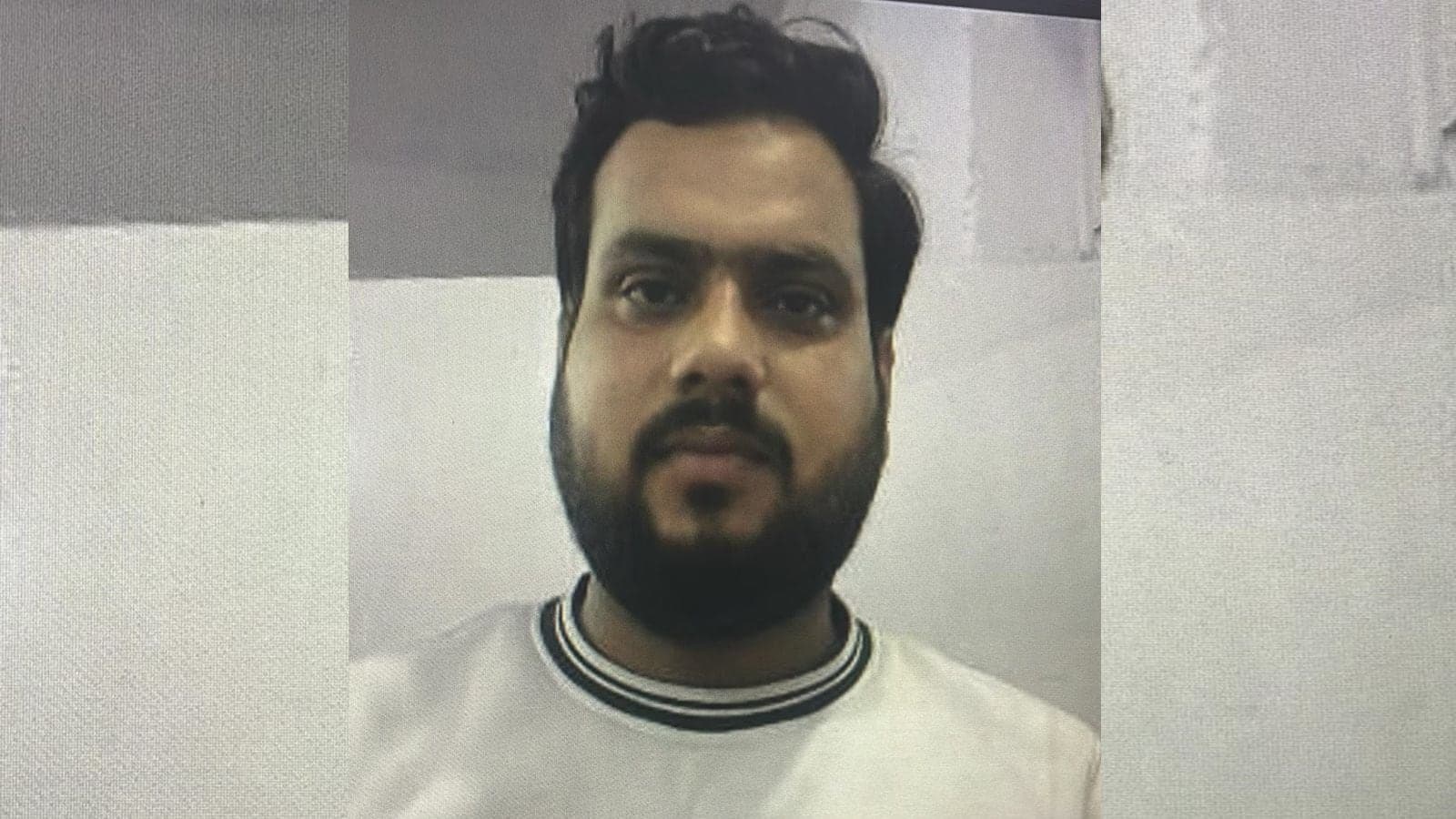
Gangster Kundan Kumar alias Kundan Bhagat. (File Photo)The Patna NIA court on Tuesday directed the jail authorities in Bihar to hand over the custody of gangster Kundan Kumar alias Kundan Bhagat to Gujarat police for interrogation in connection with the April 26 heist of Rs 50 lakh from a State Bank of India branch in Surat city, a top officer said on Thursday. The Gujarat police will get custody of Kundan Bhagat, 29, who has been lodged in Patna central jail, in a day or two, Surat Deputy Superintendent of Police (Zone 1) Alok Kumar said, adding that all security arrangements are being taken to bring Kundan Bhagat to Gujarat.“Out of Rs 50 lakh looted from the bank, we have recovered Rs 19,000 from the arrested accused. Once we take custody of Bhagat, we expect to get details of the others involved in the robbery. Bhagat’s custody is very important to us. We are thankful to the Surat and Patna courts on the issue,” Alok Kumar said. “Our police team, with high-ranking officials, has been in Patna for the last two months. We had spoken with the Patna Superintendent of Police and discussed the security measures to be followed while bringing the dreaded criminal to Surat. We have also sent more personnel to Bihar as we don’t want to take any chances,” the SP added. A Bihar resident, Kundan Kumar, 29, arrested by the National Investigation Agency (NIA) in November 2025 in an illegal weapons and smuggling case, has been lodged in Beur Jail in Patna since November 18 last year. According to the NIA, he was indulged in illegal procurement and smuggling of prohibited bore weapons from Nagaland which were being supplied to Naxalites and criminals in Bihar. The case originated with the seizure of an AK-47 rifle along with a lens by Bihar Police. Kundan was the sixth accused to be chargesheeted in the case. On April 15, the NIA submitted a supplementary chargesheet against Kundan Bhagat, a resident of Muzaffarpur, in the case with the Patna NIA court under various sections of the IPC, Arms Act and Unlawful Activities (Prevention) Act (UAPA). A gang of armed robbers looted Rs 52 lakh in cash from the SBI branch in Surat’s Varachha after threatening the staff and customers at gunpoint in the afternoon of April 27. The Surat police arrested two alleged accused — Shubham Thakur (24) and Vikramjit Singh Rajput (30) – on May 7 from Gonda in Uttar Pradesh for their alleged role in the heist. The probe quickly zeroed in on the alleged mastermind: Kundan Bhagat.Story continues below this ad A mastermind of high value robberies, Bhagat reportedly chose the Varachha branch because of its record of clearing a large number of gold loans, police said. According to police, Bhagat had hired criminals from different states to carry out the robbery. Their original plan was to steal gold and diamonds from the bank vault, but that didn’t work and the gang ended up looting Rs 52 lakh from the bank, police said. Surat police arrested another accused, Miteshkumar alias Maheshkumar Lakhendra Rai, from Bihar’s Motihari district on May 30. He was remanded to Surat police custody for seven days. How police get a favourable order from NIA court After the name of Kundan Kumar cropped up during the interrogation of the two accused arrested in the case, Surat police had begun work to get his custody from Bihar jail. Surat DySP Alok Kumar said, “We first filed an application with the Surat First Class Judicial Magistrate Court to get custody of Kundan Bhagat. We explained the importance of getting custody of Bhagat. Later, Surat judge coordinated with the Patna NIA court judge. The Bihar NIA court had suggested questioning Bhagat through video conferencing. We replied that Bhagat is the main conspirator in the Surat bank heist and he had hired criminals from different parts of India, giving them code names. These gang members were also given intense weapon-firing training, and they were also told not to disclose code names or or
New DelhiJun 5, 2026 04:25 AM IST Among the 45 major paper leak cases investigated by The Indian Express between 2002 and 2025, only a handful of officials holding key positions in examination bodies were removed or faced action — including one court conviction. They include: 2024 UGC NET: National Testing Agency D-G Subodh Kumar Singh was removed and placed on compulsory wait for nearly four months, then appointed Additional Secretary in the Ministry of Steel before being repatriated to his Chhattisgarh cadre. Singh did not respond to a request for comment.2024 UPPSC: UP Public Service Commission Controller of Examinations Ajay Kumar Tiwari was removed amid allegations of negligence in the conduct of the preliminary exam for Review Officer and Assistant Review Officer posts. Police filed a chargesheet in July 2024 against 16 accused; the ED also took up the case. Twelve arrested accused obtained bail from the Allahabad High Court between June and September 2024. The matter is pending before a Prayagraj court. Tiwari declined to comment. 2024 UP Police Constables: UP Police Recruitment & Promotion Board Chairperson Renuka Mishra, a 1990-batch IPS officer of DGP rank, was removed and briefly placed on compulsory wait. She is presently attached to the DGP Office, UP. Mishra said she did not wish to “talk about the case”. 2023 Bihar Police Constables: Police recommended departmental action against retired D-G Sanjeev Kumar Singhal, who had headed the Central Selection Board of Constables after retirement, for alleged negligence. No action has been taken. Singhal said he would talk “at the appropriate time”. 2022 RPSC: RPSC member Babulal Katara was arrested in a case related to recruitment of senior teachers and suspended in January 2024. The ED filed a prosecution complaint on money laundering. Katara remains in judicial custody and the trial is underway. 2021 REET Level-2: Then CM Ashok Gehlot removed Rajasthan Board of Secondary Education Chairman D P Jaroli in the case linked to the Rajasthan Eligibility Examination for Teachers. RBSE Secretary Arvind Kumar Sengwa was suspended, then reinstated and reposted in November 2022. The ED is probing the matter. Jaroli said, “I was sacked as part of a political conspiracy against me. They also did injustice to Sengwa.” 2021 UKSSSC: IAS officer S Raju resigned as chairman of the Uttarakhand Subordinate Service Selection Commission on August 5, 2022, citing “moral responsibility” for the recruitment test leak. A retired 1984-batch officer, he had headed UKSSSC since September 2016. The matter is under trial. Describing the resignation as his “own decision”, Raju said he shared a list of candidates with the STF, after comparing their marks in previous exams with the leaked test, which was of “great help” in cracking the case. “I drafted an anti-copying legislation, which was promulgated by the government,” he said.Story continues below this ad 2021 UPTET: Secretary of UP’s Exam Regulatory Authority Sanjay Kumar Upadhyay was booked, suspended, and arrested in connection with the UP Teacher Eligibility Test leak. His suspension was later revoked and he was promoted as Joint Director. Police charge-sheeted 23 people; trial is underway. “No charges were proved against me in departmental proceedings,” Upadhyay said. 2021 RPSC: RPSC member Ramu Ram Raika was arrested in the Sub-Inspector recruitment case and is out on bail. He did not respond to requests for comment. 2018 UP Teachers: UPPSC Exam Controller Anju Lata Katiyar was sacked and arrested for alleged negligence. The trial has seen at least 202 listings for hearings since 2019. Katiyar has since been reinstated and posted at the state revenue board. Katiyar dismissed the allegations as “baseless”, expressing “full faith in the judicial process” and confidence that an “expeditious trial” would allow the “truth to emerge” and “ensure justice is served”. 2015 UPPSC: The Allahabad High Court in October 2015 quashed the appointm
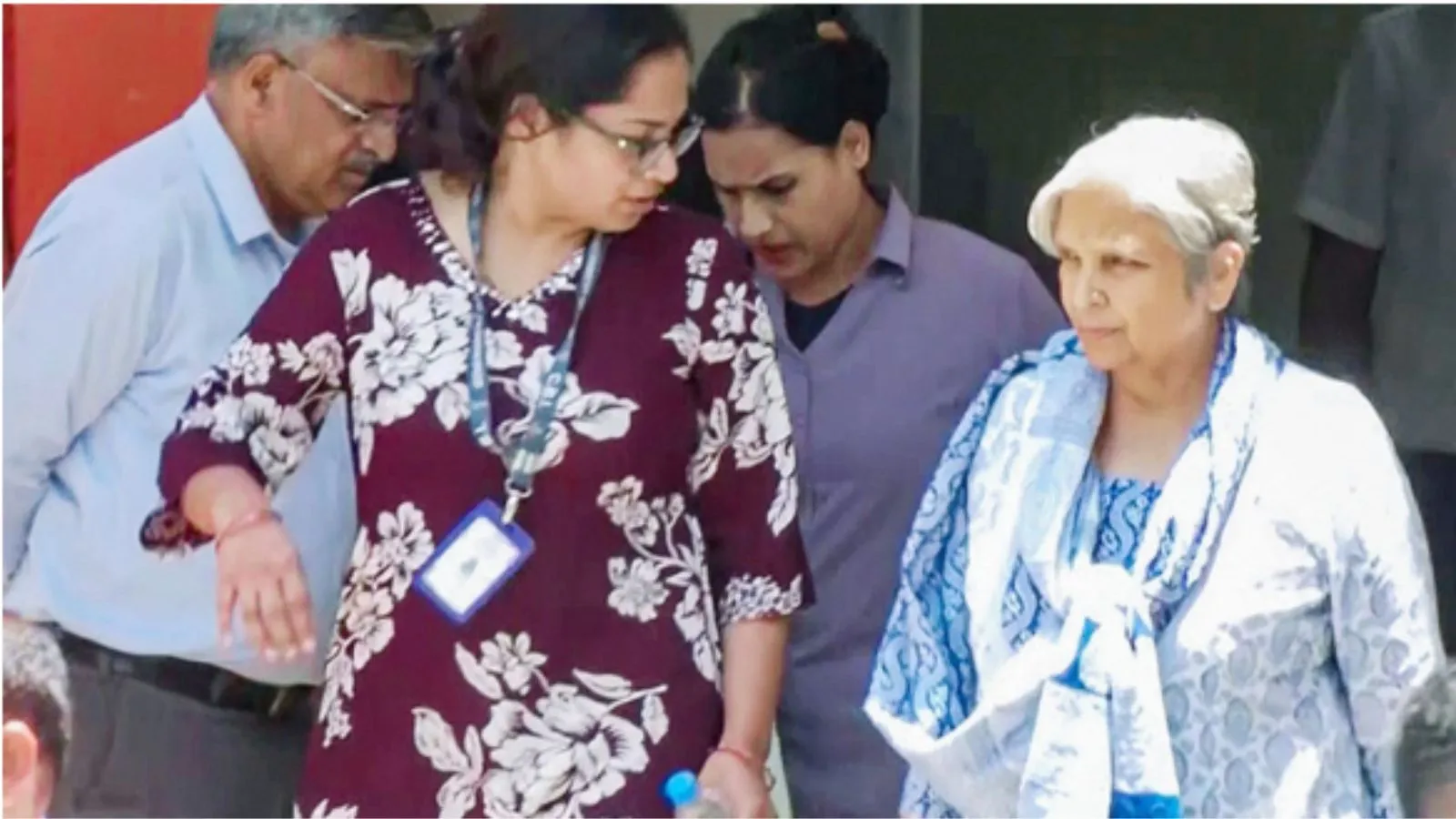
Giribala Singh complained that investigators had required her to get out of the vehicle several houses away from her home and walk through a crowd of journalists and camera crew before reaching the property. (ANI photo)Retired district judge Giribala Singh, who was produced before a court in Bhopal on Tuesday along with her son Samarth Singh after the end of their time in CBI custody, took the opportunity to address the court regarding safety concerns, an alleged media trial and issues regarding the investigation into the death of her daughter-in-law Twisha Sharma. Both the accused were sent to judicial custody until June 16 after the CBI informed the court that it was not seeking further custody of the duo.Before being sent to jail, both accused sought special security arrangements, arguing that they faced safety concerns. Giribala Singh told the court that she had delivered judgments in numerous criminal cases during her decades-long career and feared that convicts or persons affected by those decisions could be lodged in the same prison. She requested that she be housed separately and provided additional protection. Judicial Magistrate First Class Shobhana Bhalave allowed this plea. The hearing was dominated by Giribala Singh, who sought permission to address the court directly. At various points, she questioned the manner in which the investigation had been conducted and alleged that she and her family had been subjected to a sustained media trial since Twisha Sharma’s death. Among the grievances raised was the recent crime-scene reconstruction conducted by the CBI at her residence in Bhopal’s Bagmugalia area. Giribala Singh complained that investigators had required her to get out of the vehicle several houses away from her home and walk through a crowd of journalists and camera crew before reaching the property. She argued that the process exposed her unnecessarily to public scrutiny and humiliation. She also raised objections to what she described as aggressive questioning during the investigation and sought greater protection from media attention while being moved between court, jail and investigative proceedings. According to those present, she urged the court to ensure that accused persons were not subjected to questioning by journalists during transit and sought safeguards against what she termed continuous public harassment. Another flashpoint during the hearing concerned events surrounding Samarth Singh’s appearance in Jabalpur before he was taken into custody. Allegations were raised that he had been mistreated and assaulted during the chaotic scenes that unfolded there. In response, the counsel appearing for Twisha Sharma’s family, Advocate Anurag Srivastava, disputed those allegations and instead “called for examination of CCTV footage from the court premises”, arguing that the “sequence of events could be independently verified through video evidence”.Story continues below this ad The CBI, which recently took over the investigation from Madhya Pradesh Police, did not seek further custody but retained the option of seeking additional remand later if required as the probe progresses. During the remand period, investigators questioned both accused over the circumstances surrounding Twisha’s death, the sequence of events inside the Bhopal residence on the night of May 12 and various pieces of digital, forensic and physical evidence collected during the probe. Twisha Sharma, a former Miss Pune and actor originally from Noida, was found dead at her matrimonial home less than six months after marrying Samarth Singh. The case, initially registered by Katara Hills police as a dowry death, was later transferred to the CBI amid allegations of investigative lapses and evidence tampering. The arrest of Giribala Singh came after the Madhya Pradesh High Court quashed the anticipatory bail granted to her, observing that the trial court had failed to adequately consider witness stat
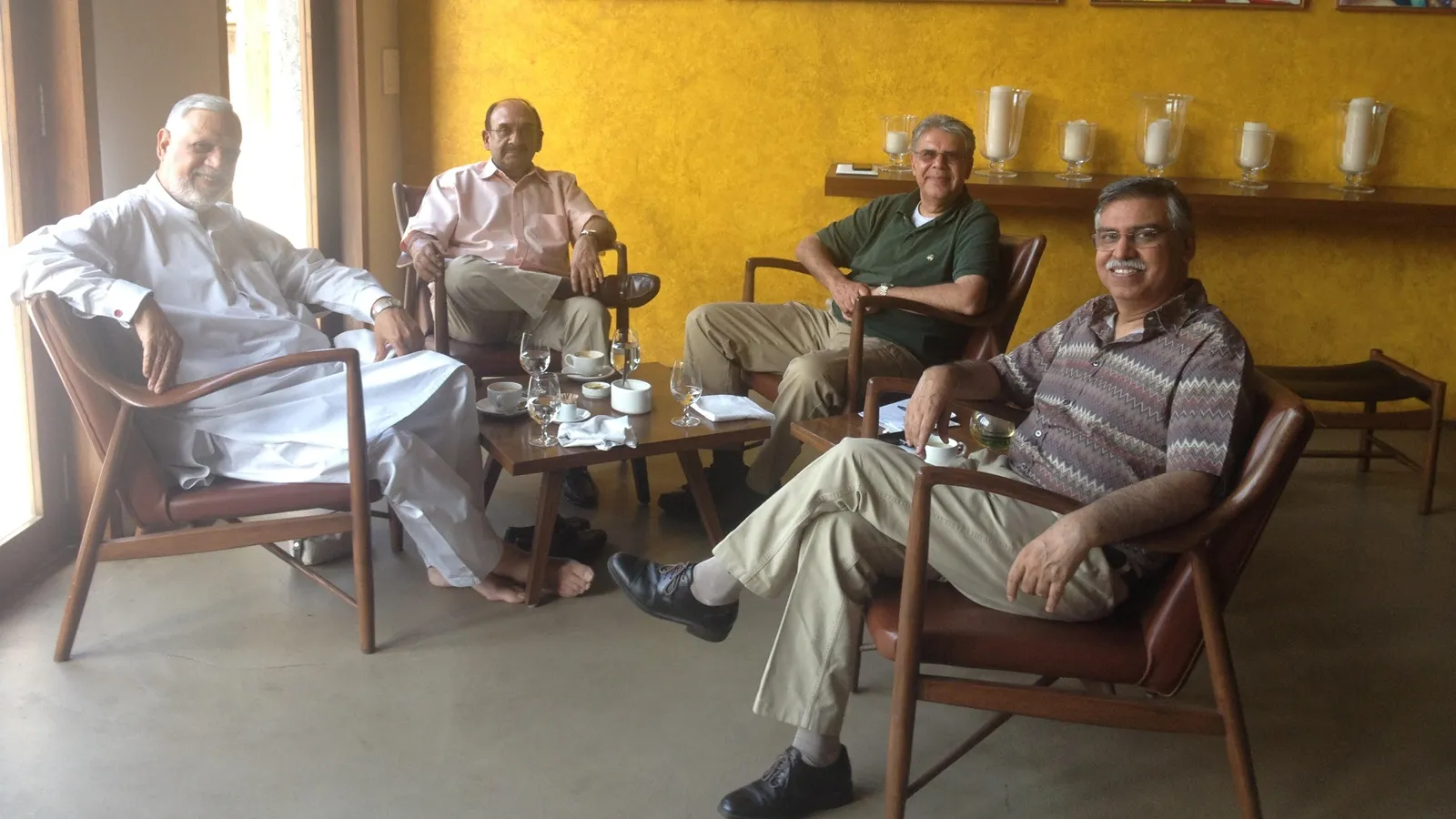
One of India’s most popular street foods today, the vatakas (fritters) in chaat find mention in the 12th-century Sanskrit text Manasollasa. Puffed rice was invented in 1901 by botanist Alexander Anderson in Minnesota, US. Post-Partition Delhi saw several migrants prepare dishes such as chole-chawal and rajma-chawal to sell at stalls often set up on footpaths.It is nuggets of trivia like these, clubbed with the experience of dining at 72 restaurants over a span of 15 years by four friends — Deepak Nirula, Nitan Kapoor, Ajay Shriram and Sunil Kant Munjal — that make the publication Table for Four: Delhi’s Dining Legacy (Family Fables Co).It all started in 2009. Close friends and members of the Doon School Old Boys’ Society, the quartet decided to meet regularly. Since each of them enjoyed dining out, they decided to meet up at different eateries and restaurants across the Capital and not just savour their meals but also review them. Years later, the idea of the book was born and is also now dedicated by the three others to Nirula, a restaurateur himself, who passed away in 2022. Co-written by the co-reviewers, the book offers not just their reflections on the meals, camaraderie and conversations, but a chronicle of the very evolution of dining out in Delhi. Their very first outing, incidentally, was a restaurant that Munjal was to invest in years later — Indian Accent in 2009, soon after it opened at The Manor in Friends Colony West. Revisiting it in 2019 at The Lodhi, the review published rates the desserts 12/10. The baked fish with corn though, is described as “bland” and receives 7/10. The book, Table for Four: Delhi’s Dining Legacy (Family Fables Co). (Source: amazon.in)Besides the more predictable fine-dining establishments, more modest and old-school favourites also find a mention. So if at one place the co-reviewers recall hanging out at DePaul’s in Janpath in the late ’70s, they also walk through the lanes of Old Delhi and savour cutlets late into the night at a restaurant outside the Nizamuddin Railway Station. Among the reviews included in the book is also one of Bikanervala in Connaught Place from 2013 — the pani puri here, described as “very good”, earns a rating of 8/10. And not everything expensive necessarily fares well either. So while the Italian roast chicken at Basil & Thyme in Sundar Nagar scores 10/10, the green asparagus and hollandaise is rated a far less enthusiastic 6/10. While there are recipes of iconic dishes such as the Green Papaya Salad by chef Garima Arora and Pan-Roasted Rawas with Panch Amrut-inspired Sauce by chef Rahul Akerkar, featured in the book, in an essay, author and food historian Anoothi Vishal charts Delhi’s dining history, from the time when “chatorapans” were frowned upon in Old Delhi. She terms the Mughal qahwakhanas, or coffee houses, in Shahjahanabad the oldest forms of restaurants in Delhi, and goes on to share how Partition refugees brought food traditions as memories with them, including the idea of the tandoor—arguably the very first installed at Moti Mahal in Daryaganj. The ’40s to the ’80s are described by her as the “golden age” of Connaught Place restaurants, and liberation, she notes, brought in its own changing dining aspirations in the ’90s. The writing contributions also extend to leading figures from the culinary world, such as Rohit Khattar, Ritu Dalmia, Zorawar Kalra and Marut Sikka, each of whom reflects on their own journey, challenges and impressions. If Ritu Dalmia reflects how, in hindsight, she feels Mezza Luna and Cappuccino that she established in the ’90s were “ahead of their time”, Ankit Gupta, co-founder of Burma Burma, notes how since opening the restaurant in 2014, he has visited Burma 14 times and also shares his personal favourites from the menu. Marut Sikka, meanwhile, recalls frequenting legendary colonial-era clubs as a child.Story continues below this ad The co-authors, too, recall their shared past. While studying and working in the US, Nirula


Discussion (0)