
Loading dispatches...
← Return to Newsroomgeneral
Mass poisoning bid at Muharram rally in Mumbai, man arrested: Police
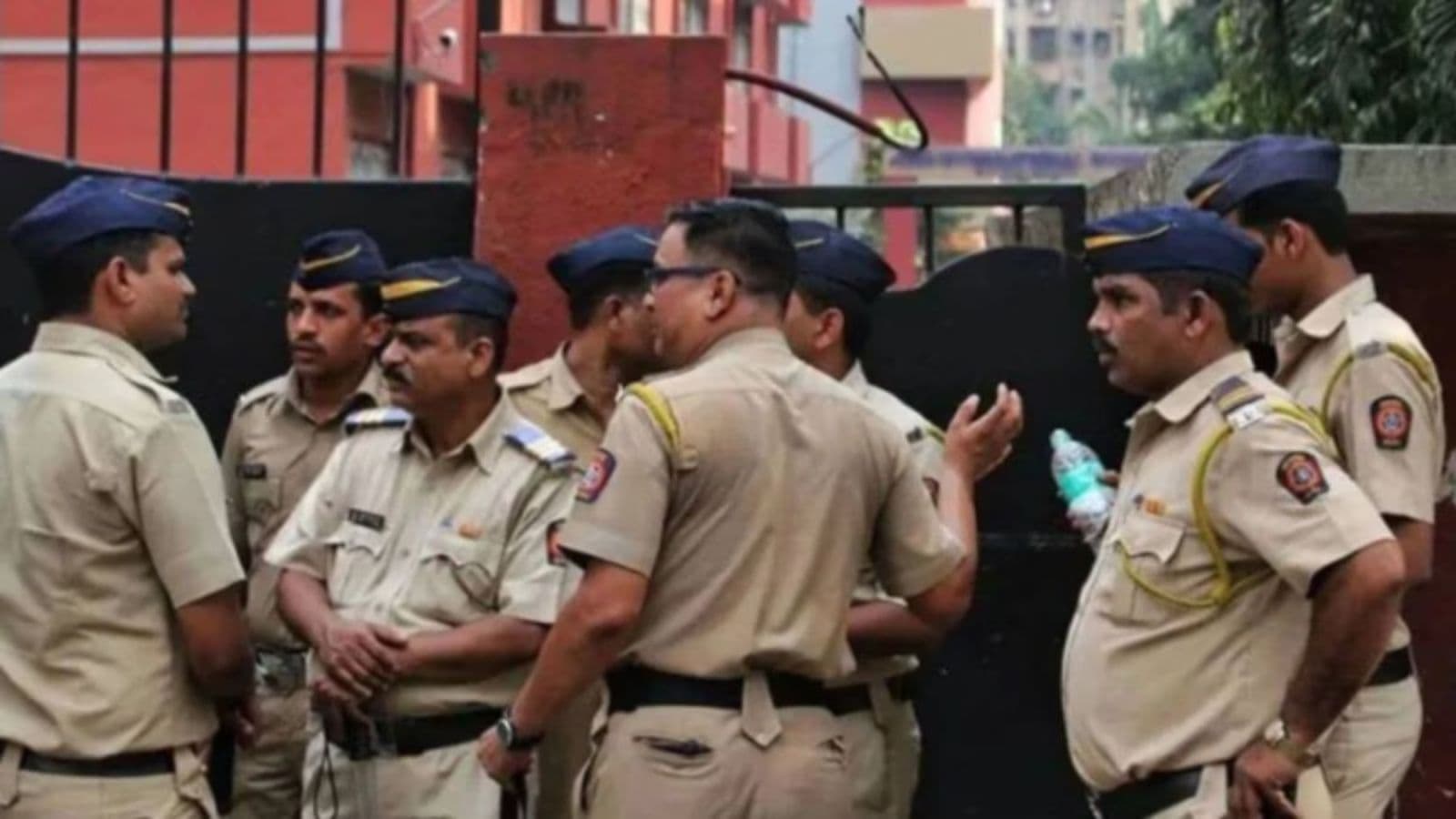
According to police, Premji was a Pune resident who stayed in a dormitory in the city before checking into a hotel in south Mumbai where he received delivery of the capsules. A man from Pune was arrested Saturday for allegedly distributing capsules filled with zinc phosphide, widely used as a rat poison, in an attempt to carry out “mass poisoning” at a Muharram procession of the Shia community in south Mumbai Friday night, police said. Police identified the arrested man as 39-year-old Faiyaz Premji and said he told them he was a Shia, and that he had 14,000 capsules with zinc phosphide in a blue plastic bag.According to police, Premji was a Pune resident who stayed in a dormitory in the city before checking into a hotel in south Mumbai where he received delivery of the capsules. Police claimed he told them that he intended to harm those who had gathered for the Muharram procession. Officers are now questioning him to determine the motive. Zinc phosphide, a rodenticide, is commonly used to kill rats. It is also used as a single-dose poison in agricultural fields. DCP Jayant Meena said the case came to light after employees of a hospital reported that a man had been admitted with vomiting and severe stomach cramps after consuming a “painkiller” capsule allegedly being handed out at the procession. Suspecting something amiss, doctors alerted police who zeroed in on Premji. “He told us he wanted to target the procession and harm them. He had ordered 30,000 capsules online and 50 kg of zinc phosphide. He added 1 gram of zinc phosphide to each capsule and was carrying around 14,000 capsules with him Friday for the purpose of distribution,” DCP Meena said.Story continues below this ad While handing out the capsules to people in the procession, Premji told them that the capsules were painkillers, Meena said. People from across the city come to south Mumbai on Ashura, the tenth day of Muharram when Shias mourn the death of Imam Hussain, the Prophet’s grandson, in the Battle of Karbala in 680 CE. The procession begins from the JJ flyover junction and ends at Arambaug cemetery. According to police, Premji offered the capsules especially to those resorting to self-flagellation, telling them these were painkillers. The person admitted to the hospital after complaining of uneasiness had also been involved in self-flagellation. According to police, Premji is a BBA graduate who runs a Pune paint company owned by his father. His mother and sister are in Iran and he has visited Iran and Iraq several times since 2019, including two visits in 2025. He is married but estranged from his wife who lives separately, an officer said. © The Indian Express Pvt Ltd Manish Kumar Pathak is a dedicated journalist reporting for The Indian Express from Mumbai. His work demonstrates substantial Expertise and Authority across the complex field of crime reporting, with a strong focus on law enforcement actions, fraud, and cyber security challenges facing the metropolitan region. Expertise & Authority Affiliation: Reports for the nationally recognized daily, The Indian Express, providing his content with high Trustworthiness. Geographical Focus: Provides comprehensive, ground-level coverage of breaking news and investigative matters across Mumbai and the surrounding regions (e.g., Thane, Vasai). Core Authority: His reporting portfolio highlights deep Expertise in crucial beats, including: Cyber & Financial Crime: Extensive coverage of sophisticated scams, including cases involving high-value cyber fraud, stock market manipulation scams, and fraudsters using government figures to gain trust. Law Enforcement & Investigation: Reports directly on major police actions, including arrests made by the Economic Offences Wing (EOW) in fraud cases (e.g., MHADA flat scams) and detailed coverage of murder and kidnapping investigations. Major Incidents & Public Safety: Covers significant incidents like building collapses, ro
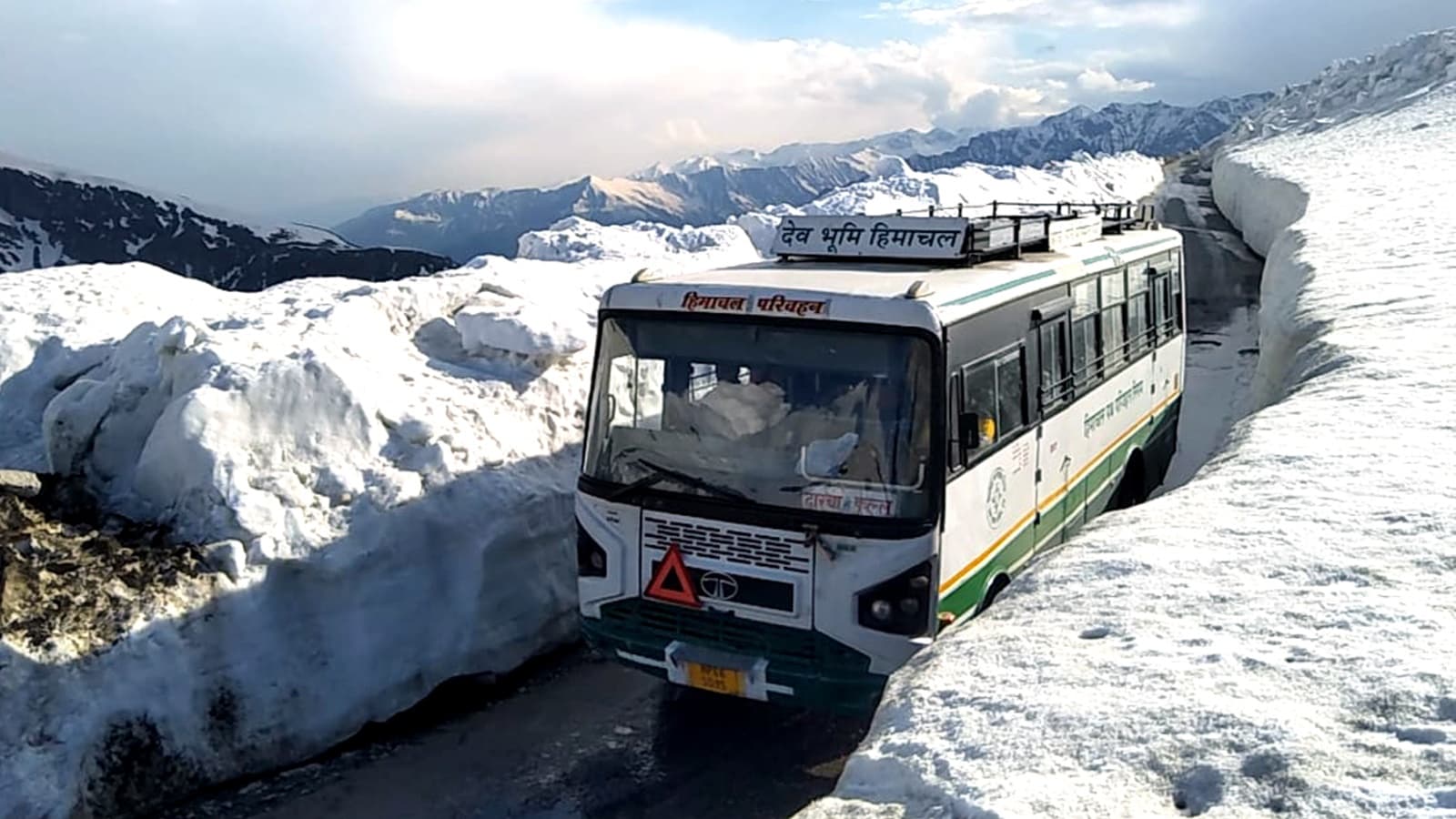
The rain had been falling steadily through the morning.Under a giant shed at the Himachal Road Transport Corporation’s Tara Devi depot, about 7 km from Shimla, more than 85 men waited patiently. Some sat on old benches. Others perched on discarded bus tyres. A few crouched in small groups, balancing files on their knees as they hurriedly complete paperwork.The destination they hoped to reach was not printed on any bus timetable.It was a government job.Among those waiting were Madan Lal, 37, from Arki in Solan district; Rajneesh Thakur, 28, from Chail; Ankush, 23, from Shimla’s Annandale area; and Piyush Verma, 29, from Tattapani in Mandi district. Like hundreds of others across Himachal Pradesh, they had answered a last-minute call from HRTC for walk-in interviews to recruit temporary bus drivers. The urgency was driven by a looming crisis. Around 5,500 HRTC drivers and conductors, under the banner of the HRTC Employees’ Association, had threatened to go on strike from midnight on Wednesday. Anticipating disruption to public transport services, the state government invoked the Essential Services Maintenance Act (ESMA), while HRTC rushed to create a backup workforce. For many applicants, the advertisement appeared almost overnight. “I saw the notification on Facebook late last night while scrolling through my phone,” said Madan Lal. “Tara Devi is closer to Arki than Solan, so I came here.” For Madan, the journey has been much longer than a single night’s notice.Story continues below this ad A Class XII pass candidate with an ITI diploma in Driver-cum-Mechanic trade, he has spent eight years trying to secure an HRTC driver’s job. He has appeared in recruitment tests three times, clearing the driving test twice but failing to make the final cut. His most recent attempt came in 2023, when HRTC advertised 336 posts before the recruitment process was later shelved. Yet he was back again on Wednesday, documents in hand. Nearby stood Pawan Kumar Sharma, 38, from Kunihar in Solan district. After more than a decade behind the wheel of private buses, he believed experience might finally work in his favour. “Twenty-five drivers will be selected from Tara Devi. Many who had cleared stages of the 2023 recruitment process have a good chance this time,” he said. “Driving a government bus is a serious responsibility. I believe experienced drivers will be preferred.”Story continues below this ad At the same time, he sympathised with the employees threatening to strike. “The government should address their demands. But public inconvenience should also be kept in mind,” he said. Across Himachal, similar scenes unfolded at 31 HRTC offices where walk-in interviews were held. By evening, around 2,100 applications had been received against 675 advertised posts. For Rajneesh Thakur, who arrived carrying an experience certificate issued by the Shimla Transport Union, the attraction of a government job remained as powerful as ever.Story continues below this ad “Who doesn’t want to work in the government sector?” he asked. “Whether it is contractual or daily wages, once you enter the system there is always hope of regularisation.” At Tara Devi alone, nearly 80 applications were received for 25 posts. Regional Manager RK Sharma said many applicants had already cleared driving tests during the abandoned 2023 recruitment exercise. “Preference will be given to experienced drivers,” he said. “Applicants must be matriculates, possess HTV and HMV licences and have at least three years of experience.”Story continues below this ad By late evening, however, the crisis that had triggered the recruitment drive had begun to fade. Following negotiations with the state government, the HRTC Employees’ Association called off its proposed strike after most of its demands were accepted. The only unresolved issue was the transfer of association president Maan Singh from Shimla to Chamba. Confirming the development, HRTC Managing Director Nipun Jindal said an agreement had b
At a time when Mumbai is reeling under a 10 per cent water cut due to depleting water stocks in the seven lakes that supply water to the city, the Mumbai Water Tanker Association (MWTA) has announced an indefinite strike from midnight on June 7. The announcement comes even as Mumbai’s overall water stock has fallen below 15 per cent.The MWTA is the apex body representing water tankers that supply between 200 million litres per day (MLD) and 2,000 MLD to residential, industrial and commercial establishments. These tankers source water from privately owned wells.The association’s decision follows notices issued by tehsildar offices in the Mumbai suburban district to several owners and operators of ring wells and borewells, directing them to stop supplying water to tankers and obtain fresh licences from the Central Ground Water Authority (CGWA). The notices also state that some of these wells have become breeding grounds for mosquitoes and direct owners to fill them with earth and other material. According to a notice issued by the Andheri tehsildar’s office to a ring well operator on June 4, authorities have asked the operator to submit, within seven days, a no-objection certificate showing compliance with CGWA guidelines. The notice further states that operators continuing to extract groundwater without the required permissions could face disconnection of electricity supply and seizure of groundwater extraction equipment. Speaking to The Indian Express, Ankur Sharma, spokesperson for the MWTA, said that while Mumbai has around 18,000 ring well and borewell operators, notices have so far been issued to nearly 250 of them over the past week. “The notices started coming in during the last week of May. So far, nearly 250 of our well operators have received them. We are not carrying out a strike, but we are compelled to take our vehicles off the road because the notices state that if we continue operating without the required NOC, our equipment and vehicles will be seized,” Sharma said. According to CGWA guidelines, a licence can be issued only if the well is situated on a land parcel measuring at least 200 square metres. The guidelines also restrict water filling from a well to a single tanker at a time. In addition, every well operator is required to install a flow meter to record water extraction.Story continues below this ad MWTA representatives, however, said there is a shortage of such flow meters in Mumbai. They also argued that compliance with some of the conditions is difficult in a space-constrained city. “After our well operators started receiving notices, we wrote to the Chief Minister and the Municipal Commissioner seeking a meeting so that an alternative solution could be worked out. However, we were not given an appointment. As a result, we are being forced to stop our services to avoid legal consequences,” Sharma said. In Mumbai, tanker water is used not only by residential complexes but also for major infrastructure projects, including road concretisation works, Metro projects and the Mumbai-Ahmedabad bullet train project. Tanker water is also used for cleaning railway coaches, maintaining roads, gardens, banquet halls and commercial open spaces. MWTA representatives said that if well operators are prevented from supplying water to tankers, several of these activities could be affected. Similar disruptions occurred in 2023 and 2025 when tanker strikes led to citywide water supply concerns.Story continues below this ad Last year, a prolonged tanker strike prompted the Brihanmumbai Municipal Corporation (BMC) to invoke provisions of the Disaster Management Act, enabling it to take control of private water tankers. The strike was subsequently called off. Following the agitation, state minister Ashish Shelar wrote to the Union Ministry of Jal Shakti, urging it to revise the CGWA guidelines to better reflect the realities of Maharashtra and Mumbai. However, no such amendments have been made so far. Depleting lake levels


Discussion (0)