
Loading dispatches...
← Return to Newsroomgeneral
Can you eat UP’s famous dahi-jalebi combo daily for breakfast? Nutritionist answers
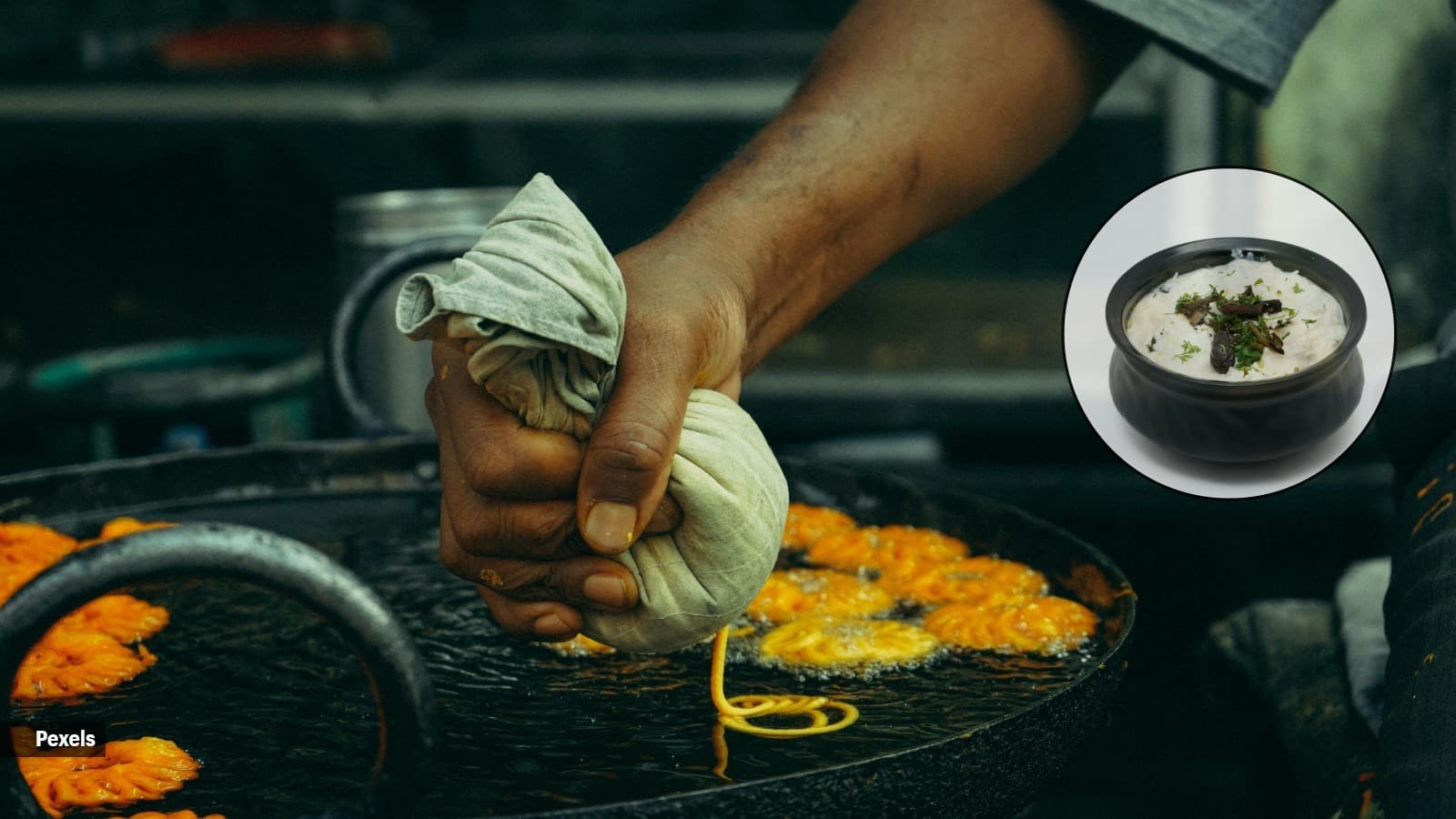
New DelhiJun 7, 2026 03:00 PM IST Dahi jalebi combo is a popular breakfast in many cities across Uttar Pradesh (photos: pexels, pixabay)Whether you are strolling through the colourful lanes of Varanasi, or taking a dip in Prayagraj, one breakfast staple that you’ll come across in many Uttar Pradesh cities is the unusual combination of dahi-jalebi. Many shops start settling in even before sunrise, frying sugary jalebis, ready to be dunked in curd. The two delicacies are completely opposite in almost every aspect – temperature, taste, and texture. While the breakfast is a “must-try” indulgence, does it qualify a nutritionist’s test for a breakfast staple? Dahi jalebi may look like a simple, comforting breakfast on Uttar Pradesh streets, but nutritionally it is a mix of a high-sugar, deep-fried sweet and a protein-calcium-rich dairy food. A typical plate pairs 1-2 jalebis with a katori of full-fat dahi, delivering a quick energy rush, moderate protein, and a fair amount of fat.Nutritional breakdown Nutritionist Rhea Sharma estimates that 100 g of jalebi provides around 270-300 kcal, 60-70 g of carbohydrates (mostly sugar), 4-5 g of fat, and minimal protein. In contrast, 100 g of plain dahi offers about 60-100 kcal, 3-4 g of protein, 3-4 g of fat, and 4-5 g of carbohydrates, along with calcium in the range of 80-130 mg. Put together, a modest breakfast of 75-100 g jalebi plus 100 g dahi can easily cross 350-400 kcal, with sugar making up the bulk of the energy. The jalebis are often served fresh, warm, and crispy, directly from the frying pan, alongside chilled dahi (photo: pexels)Dahi brings protein, calcium, and beneficial bacteria to the plate, making the meal more satiating and slightly better balanced than jalebi alone. “Curd provides protein and calcium that support bone health and muscle recovery, which is why many people feel it ‘settles’ the stomach after a heavy or spicy meal,” says Sharma. The fat and protein in curd also help slow down the absorption of sugar from the jalebi, potentially blunting extreme sugar spikes to some extent. From a metabolic lens, jalebi remains the dominant player. “Even with curd on the side, jalebi is still a deep-fried, sugar-dense food, so frequent breakfast portions can add up in terms of calories and triglycerides,” cautions Sharma. The combination is especially concerning for people with diabetes, insulin resistance, or high cholesterol, who are advised to reserve such meals for rare indulgence and keep portions small. Sharma suggests a few tweaks: opt for a smaller serving of jalebi, increase the portion of plain, unsweetened dahi, and avoid adding extra sugar on top. Pairing dahi-jalebi with some protein or fiber later in the morning, such as nuts or fruit, can also help balance the day’s overall nutrient profile. DISCLAIMER: This article is based on information from the public domain and/or the experts we spoke to. Always consult your health practitioner before starting any routine.



Discussion (0)