
Loading dispatches...
← Return to Newsroomgeneral
Apple iPhone 18 Pro supplier list, component details leaked in Tata data breach

Confidential files stolen from Tata Electronics allegedly expose Apple's iPhone 18 Pro supply chain and component mapping. (image: Reuters)Sensitive lists of components and suppliers, and photos of Apple’s upcoming iPhone 18 Pro models are part of files posted on the dark web by the ransomware group that stole data from the U.S. firm’s Indian supplier Tata Electronics, according to documents and a source. The exposure threatens the carefully negotiated business of building the iPhone, which Apple assembles from a thicket of suppliers worldwide. It could also upset Apple and its relationship with Tata given most of the supplier arrangements are fiercely protected by Apple, and could also hand rivals, counterfeiters and its own vendors a view of who makes what.Tata, which both supplies parts and assembles iPhones as a contract manufacturer, is emerging as one of Apple’s most important manufacturing partners outside China, an expansion that is a cornerstone of Prime Minister Narendra Modi’s push to make India an electronics manufacturing powerhouse. Apple is reportedly on track to release its iPhone 18 Pro and Pro Max in September. The leak comes at a difficult time for Apple, which last week raised iPad and MacBook prices due to soaring memory and storage chip costs, with analysts expecting Apple to increase iPhone prices in the coming months. Reuters has previously reported the Tata Electronics leak of more than 200,000 files on the dark web by World Leaks had files with purported component design papers of older iPhones and some parts of Tesla – both Tata clients. They also included documents of Taiwan Semiconductor Manufacturing Co and Qualcomm, both of which make parts used in iPhones. New documents reviewed by Reuters show there are at least six files that map many components in the iPhone 18 Pro models to the specific company that supplies them. These include details of chips on its main circuit board and parts of the battery and cameras. Apple considers this detail sensitive and is concerned about the documents being shared on the dark web as they relate to unreleased models, according to the person familiar with the matter. The data maps suppliers to iPhone parts, which Apple does not disclose in its public database of suppliers, the person added. In all, the documents detail hundreds of parts to be on the upcoming iPhone 18 Pro models. The records also show where Apple draws a part from several suppliers and where it relies on just a few, laying bare both its bargaining leverage and its vulnerabilities. Spokespeople for Apple and Tata did not respond to Reuters queries. World Leaks has previously claimed responsibility for a Nike break-in. Reuters has not verified the authenticity of the data and could not immediately reach World Leaks for comment.Story continues below this ad News website AppleInsider first reported last week that iPhone 18 Pro documents were part of the Tata leak. Reuters has previously reported that Apple is investigating the matter and working with Tata on long-term measures. Tata has restricted internal access to sensitive systems as it investigates the leak, and hired a global consultant to conduct a forensic audit. Drop-test images Several of the leaked files carried Apple “confidential” watermarks and internal Apple code-names consistent with the iPhone 18 Pro generation, according to the source familiar with the matter. Inside the folder for iPhone 18 Pro files are photographs of iPhones undergoing drop tests at one of Tata’s plants, dated early 2026. They depicted a conventional slab-shaped, grey handset with a three-rear-camera setup and the Apple logo. Reuters could not with certainty identify the model number of the phone, but the source said the photos are of iPhone 18 Pro models. For Apple and Tata, the breach cuts at the trust underpinning their partnership. Apple’s move into India rests on its newest major assembler Tata, just as
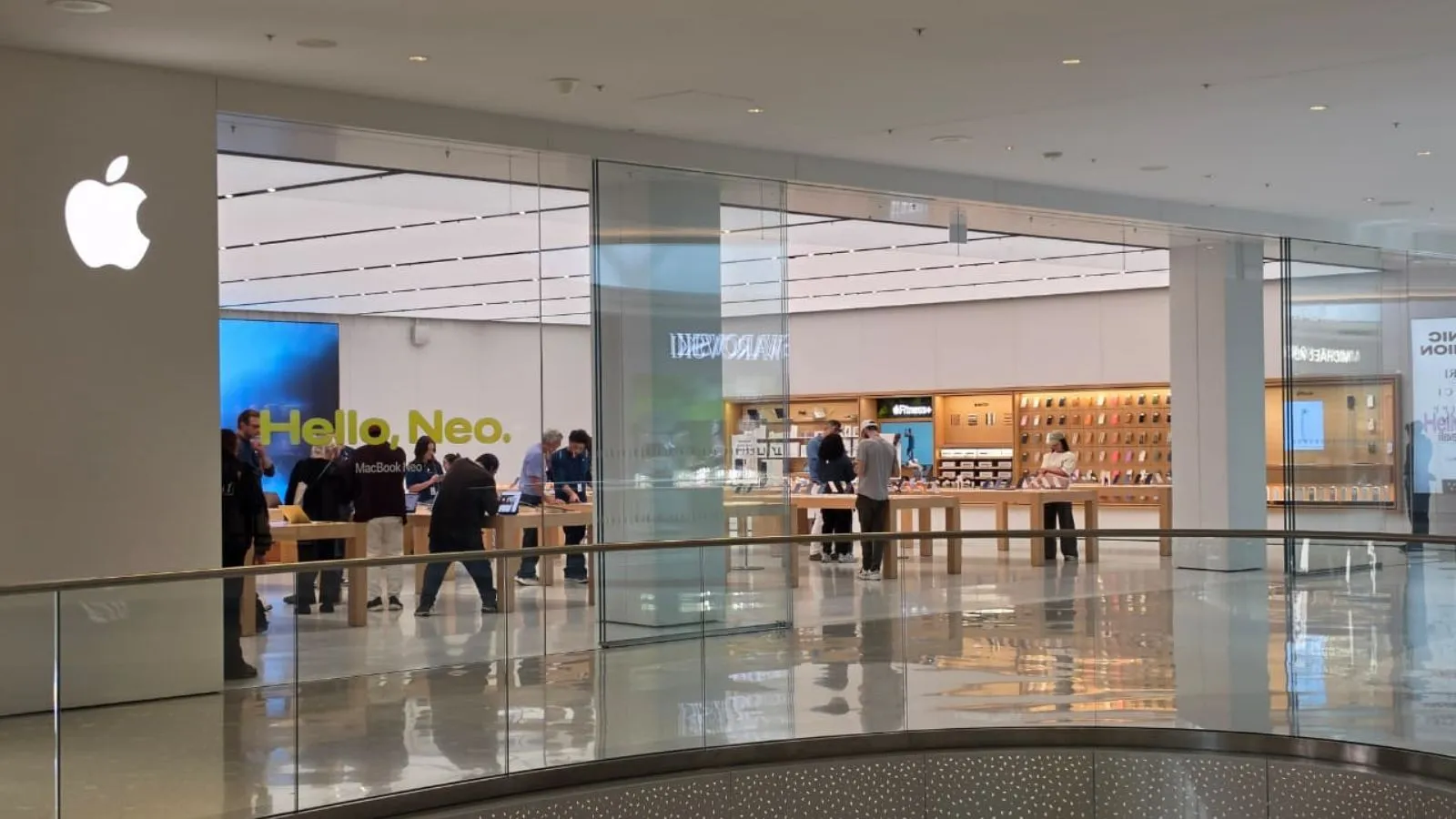
Earlier this month, Apple’s outgoing CEO Tim Cook warned that price increases were “unavoidable” because of an “unsustainable” rise in memory chip costs. A week later, the company raised prices for several Macs and iPads, while leaving iPhone prices unchanged.Ahead of the change in prices, Apple took down its online store as it usually does when announcing new products. However, when the store came back online, prices of Macs rose to about 15 per cent to 20 per cent, while iPad prices soared by around 15 per cent to 25 per cent. The price rise was also reflected on the Apple Online Store in India. The price revision hasn’t impacted Apple’s lineup of iPhones.According to analysts, the decision marks one of the clearest examples yet of AI infrastructure costs spilling over into consumer device prices. “The AI-driven memory shortage is now showing up in consumer prices at a scale we haven’t seen before. Apple is not immune to rising memory costs,” said Francisco Jeronimo, vice president, client devices, IDC. “The fact that Apple left iPhone prices unchanged suggests where its priorities lie. Since the iPhone generates more than half of the company’s revenue, Apple appears focused on protecting iPhone demand while assessing pricing for its next-generation lineup.” Apple products get dearer in India The latest price revision by Apple has also impacted its line of devices being sold in India. There has been a significant increase across several Mac, iPad, and HomePod models. Compared with their original launch prices, several Apple products are now between roughly 14 per cent and 46 per cent more expensive. When it comes to price hikes, the HomePod Mini, which was priced at Rs 10,900, saw the steepest increase of 45.87 per cent and is now sold at Rs 15,900, a jump of Rs 5,000. The HomePod rose from Rs 32,900 to Rs 44,900. When it came to tablet devices, the 11-inch iPad Air reported a 30.82 per cent increase, with its price soaring from Rs 64,000 to Rs 84,900. The 11-inch iPad Pro rose from Rs 99,900 to Rs 1,19,900. Meanwhile, in the Mac lineup, the base model MacBook Pro saw its price increase by Rs 50,000, from Rs 1,89,900 to Rs 2,39,900. The MacBook Air (512GB model) increased by Rs 18,000, while the recent addition, the MacBook Neo, which was launched at Rs 69,900 climbed to Rs 79,900. The MacBook Neo, which was Apple’s entry into the affordable category of computing devices, saw the smallest percentage increase in the lineup at 14.31 per cent.Story continues below this ad “The MacBook Neo price increase is particularly notable. It’s one of Apple’s fastest-selling laptops, so raising its price indicates Apple believes demand will remain strong despite the higher cost,” said Jeronimo. Macbook Neo. (Image: Anuj Bhatia/The Indian Express)Apple likely less affected than peers Overall, the revision reflects substantial increases across Apple’s ecosystem, with smart speakers experiencing the sharpest percentage hikes and Macs and iPads seeing increases between roughly 15 and 31 per cent. “Even with these increases, Apple is likely to be less affected than many competitors. Its customer base is more premium, less price-sensitive, and many buyers upgrade through trade-in and instalment programmes, reducing the impact of higher sticker prices,” said the IDC executive. The ongoing price hike is driven by a shortage of memory chips such as DRAM and NAND flash that are used in smartphones, laptops, tablets, etc. The crisis is also an outcome of AI companies buying huge volumes of advanced memory for data centres to train and run AI models, pushing memory suppliers to give priority to high-margin orders. This in turn has reduced supply for consumer electronics, further pushing memory prices higher. With component costs rising, device makers seem to be increasingly passing them onto consumers instead of absorbing them. Apple says it can no longer absorb the higher cost of memory components, leading it to raise prices on Macs, iPads and oth
New DelhiJun 7, 2026 04:27 PM IST WWDC 2026 keynote goes live on June 8 with expected announcements including Siri 2.0, iOS 27, macOS 27 and Apple's AI roadmap. (Image: Apple)It is time once again for Apple’s annual developer conference, better known as the Worldwide Developers Conference or WWDC. WWDC 2026 will take place over five days, (June 8-12) at Apple’s headquarters in Cupertino, California, United States. The main event, however, is the opening keynote presentation which will be held on Monday, June 8, from 10:30pm IST onwards.Apple fans will be able to watch the keynote live at Apple.com, on Apple’s YouTube channel, and the Apple TV app. You can tune into the livestream by clicking on the link embedded below: The keynote traditionally lasts over 60 minutes and is streamed for online audiences while being held for local attendees at Apple Park. WWDC 2026 is set to be a significant event for the company’s software division, especially as it has continued to expand its ambitions in the AI space following the difficult launch of Apple Intelligence in 2024. Industry rumours indicate that Apple had been developing a new generation Siri dubbed ‘Siri 2.0’. This year’s conference is also Tim Cook’s final WWDC as the CEO of Apple, with John Ternus, current senior vice president of Hardware Engineering, set to take over the reins in September. Cook will remain as executive chairman of Apple’s board of directors. Reports suggest that both Cook and Ternus will be a part of Monday’s keynote presentation. Ternus’s foremost challenge will be to pivot to a new AI strategy, move beyond Apple’s long-embraced philosophy where necessary, and position the company as a compelling alternative to its peers by capitalising on its strengths. So, if you do not want to miss Tim Cook onstage possibly for the last time as Apple CEO, along with the debut of iOS 27, an all-new Siri, and potentially some new Mac devices, watch the keynote live. What to expect WWDC 2026 could shape up to be a crucial event as the long-awaited relaunch of Siri as a full-fledged AI assistant is set to make its debut at this year’s conference. The company’s invite artwork has sparked speculation about the future of Siri.Story continues below this ad The teaser image shared by Apple features a glowing, colourful symbol hovering above Apple Park alongside the tagline “coming bright up”, leading many observers to believe the company may finally be preparing a major visual and AI-focused redesign for Siri. Apple is also expected to announce details of the next operating systems for its entire hardware lineup, which should include iOS 27, macOS 27, iPadOS 27, watchOS 27, tvOS 27, and visionOS 27. In many ways, the event also sets the stage for the big iPhone launch in September this year, where Apple is expected to launch its first-ever foldable iPhone.



Discussion (0)