
Loading dispatches...
← Return to Newsroomgeneral
Chhattisgarh gets investment proposals worth Rs 9,580 crore at Investors Connect in Hyderabad
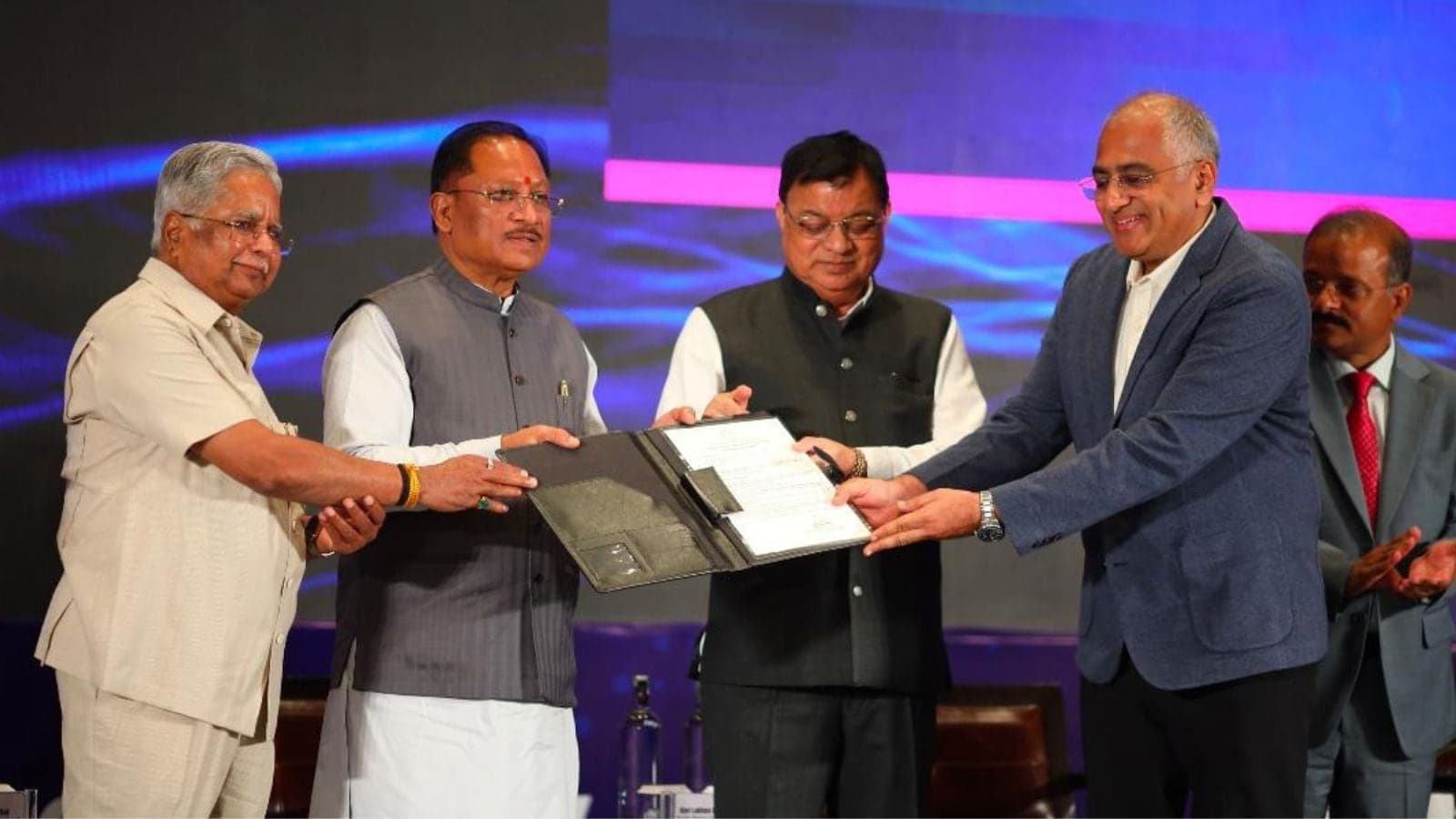
Chhattisgarh received investment proposals worth Rs 9,580 crore across sectors such as data centres, semiconductors and GPU architecture, solar energy equipment, textiles, and pharmaceuticals at the state Investors Connect held in Hyderabad on Sunday. Seven major organizations submitted proposals that are expected to generate around 7,800 direct jobs, underscoring growing investor confidence in the state’s industrial ecosystem and policy framework.Chhattisgarh Chief Minister Vishnu Deo Sai handed over “Invitation to invest letter” to the prospective investors, marking a significant step in the state’s efforts to position itself as a preferred destination for technology-led and manufacturing investments. Sai said Chhattisgarh is emerging as a preferred investment destination, supported by streamlined approvals, a robust single-window system, strong infrastructure and industry-friendly policies. Inviting Hyderabad-based companies, particularly in the IT, pharmaceutical and logistics sectors, to invest in the state, he assured them of policy support and a business-friendly environment, adding that Chhattisgarh has “rolled out the red carpet” for investors.“Hyderabad’s journey from an emerging IT destination to a global technology and innovation hub is inspiring. Chhattisgarh is working on a similar roadmap, and we are already witnessing encouraging results in sectors such as IT, manufacturing and services,” Sai said while addressing the gathering at hotel Park Hyatt. Inviting investors to explore opportunities in the state, he noted that Chhattisgarh has organized investor outreach programmes across major Indian cities as well as in countries such as Japan and South Korea. These efforts have so far resulted in investment proposals worth more than Rs 8 lakh crore, he said. Highlighting the state’s industrial strengths, Sai said Chhattisgarh is emerging as a leader in green steel production and is rapidly strengthening its position as a national power hub. The state has received investment proposals worth Rs 3.5 lakh crore in the energy sector, he added. Chhattisgarh Commerce and Industries Minister Lakhan Lal Dewangan and prominent industrialists, investors, and business representatives from southern India were present at the event Key Investment Proposals The largest investment proposal has come from Hypernext Data Center Limited. The company has expressed its intent to invest Rs 4,200 crore to establish a modern data center in Chhattisgarh, which is expected to generate approximately 250 jobs.Story continues below this ad Feegrade and Company Private Limited has proposed an investment of Rs 2,912 crore in the cement sector. This investment has the potential to provide employment to around 4,000 people. The cement industry is a key pillar of infrastructure development and is likely to boost local economic activities. Nivai Labs Private Limited has shown interest in investing Rs 1,000 crore in the semiconductor and GPU infrastructure sector. This investment, involving cutting-edge technology, will help integrate the state into the emerging digital and electronics economy and create approximately 200 jobs. SG Mart Limited, operating in the solar energy equipment manufacturing sector, has proposed an investment of Rs 700 crore. The company is engaged in manufacturing solar structure components, and this project is expected to provide employment to about 450 people. This investment is also viewed as a significant step towards promoting green energy. Shri Saravana Mills Private Limited has expressed its intent to invest Rs 528 crore in the textile industry. This project could provide employment to approximately 2,500 people. As the textile industry is a labor-intensive sector, it will create new job opportunities for the youth and women.Story continues below this ad Kabra Drugs, a company in the pharmaceutical sector, has proposed an investment of Rs 200 crore. The company is engaged in pharmaceutical manufacturing and healthcare-rela



Discussion (0)