
Loading dispatches...
← Return to Newsroomgeneral
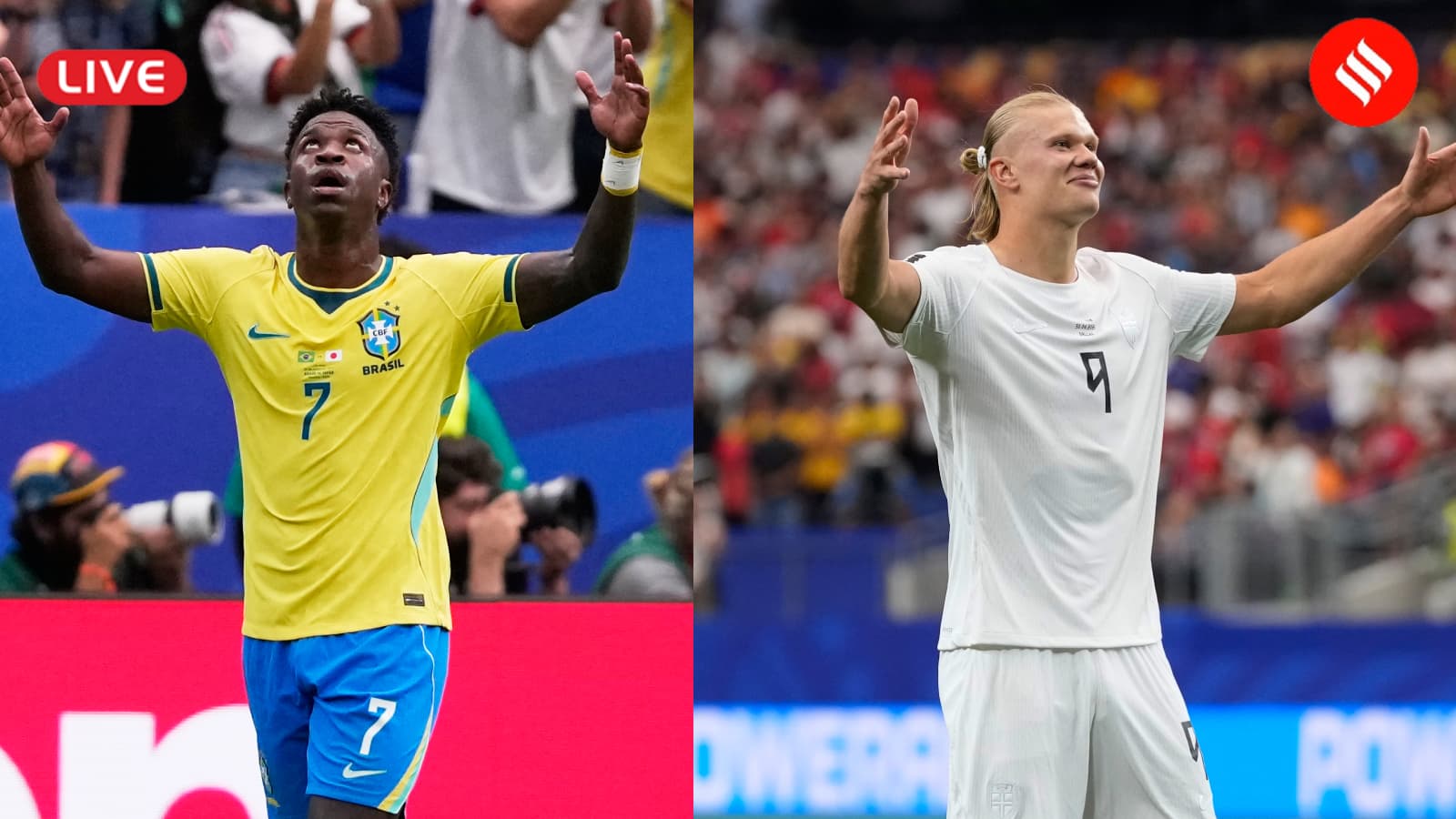
Brazil vs Norway Score, FIFA World Cup 2026 Live: All eyes on Vinicius vs Haaland as BRA take on NOR
Brazil vs Norway FIFA World Cup live score: BRA take on NOR in RO16.
Brazil vs Norway FIFA World Cup live score: BRA take on NOR in RO16.
Brazil vs Norway FIFA World Cup live score: BRA take on NOR in RO16. (AP)Brazil vs Norway Score, FIFA World Cup 2026 Live: Two of the most talked about forwards in world football will collide in the New York New Jersey Stadium, also called the Metlife Stadium, when Brazil’s Vinicius Junior and Norway’s Erling Haaland come face to face in a hotly anticipated World Cup Round of 16 match. While both Haaland and Vinicius are familiar foes in the Champions League where the Brazilian’s Real Madrid and the Norwegian’s Manchester City have locked horns countless times, this will be one of the rare instances where these two goal-scoring behemoths will meet each other wearing their national colours. Haaland, meanwhile, will also stand across another very familiar face as Brazil and Arsenal defender Gabriel will be looking to one-up the Norwegian behemoth after their spicy battles in the Premier League.Story continues below this ad Both Vinicius and Haaland are in hot form in the World Cup, scoring 4 and 5 goals respectively and are firmly in the race for the golden boot which France’s Kylian Mbappe leads at present with 7 goals and 2 assists, followed by Argentina’s Lionel Messi with 7 goals. FOLLOW LIVE UPDATES OF BRAZIL VS NORWATY FIFA WORLD CUP RO16 MATCH BELOW Live Updates L-R: A still from Norge-Brasil, ein fotballopera and Norway beating Brazil in 1998 WC. (Credit: arekalvo.no/X) How Norway’s 1998 upset win over Brazil inspired a comic opera When Norway beat Brazil at 1998 World Cup, writer and satirist Are Kalvø zeroed in on one iconic image from the game. The famous frame showed a very skinny Tore André Flo of Norway trying to break free from a stocky Brazilian Junior Baiano. In the grainy photograph Flo was agape, eyes flailing as Baiano held his shirt from behind like a leash. The referee would award Norway a penalty that would give them a historic 2-1 win over the multiple World Champions. © IE Online Media Services Pvt Ltd Tags: Brazil Erling Haaland FIFA FIFA World Cup 2026 Norway Vinicius Jr.
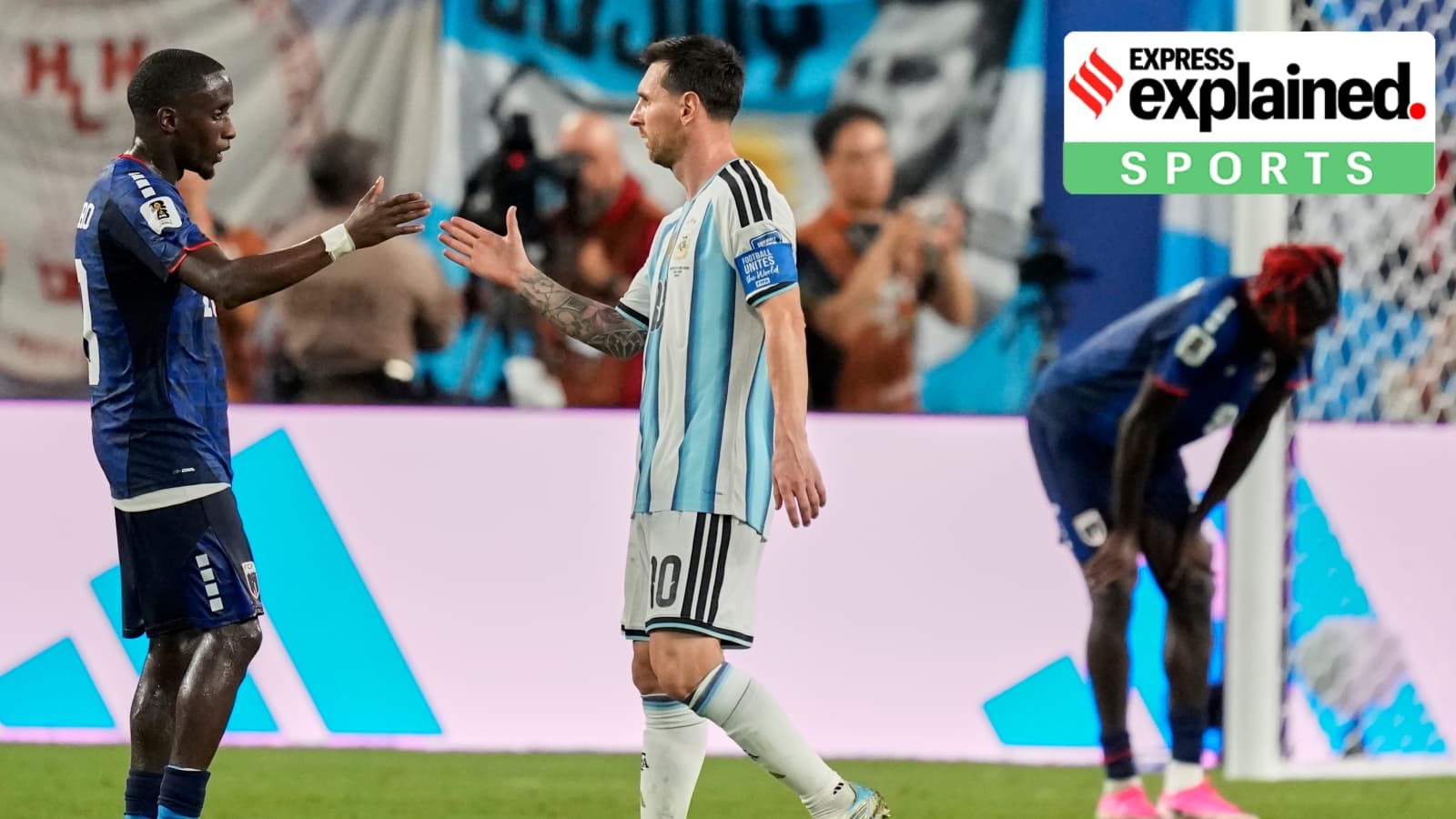
“Size defines nothing in football.” Argentina’s talisman and arguably the greatest footballer on the planet, Lionel Messi, would probably agree with this pithy assessment by Pedro “Bubista” Brito, the head coach of what has become the 2026 FIFA World Cup’s most celebrated underdog story.When Cape Verde managed to hold Argentina to a 1-1 scoreline at the end of 90 minutes in their Round of 32 knockout match late Friday, there were some who might have believed that the phrase “third time’s the charm” would work for the tiny African island nation, which had already denied victory to two former world champions — Spain and Uruguay — in the group stage.This belief would be reinforced after Cape Verde’s left-back Sidny Lopes Cabral scored a goal-of-the-tournament contender to make it 2-all in the 103rd minute, after Lisandro Martinez had nudged the defending champions ahead in the second minute of extra time. Alas, it was not to be: Argentine defender Cristian Romero rose above everyone else to head home a 111th-minute winner off the arm of Cape Verde centre-back Diney Borges, resuming normal service and breaking the hearts of many pining for an unlikely underdog tale. But the result ensured that the Blue Sharks — the nickname Cape Verde’s football team goes by — had etched its place on the world football map. Archipelago in the Atlantic The Cape Verde Islands, officially called the Republic of Cabo Verde, is an archipelago of 10 islands — nine of them inhabited — and various islets located some 450 km off the west coast of Africa in the Atlantic Ocean. Cape Verde, an archipelago of 10 islands and various islets some 450 km off the west African coast.Like many African countries, Cape Verde too has had a tryst with colonisation: the islands were uninhabited until the Portuguese discovered it in 1456. Over the next few years, Portuguese settlers arrived and brought African slaves with them to work on plantations. By the 16th century, it became a hub for transatlantic slave trade. This history meant that Cape Verdeans are of mixed African and European origin. It shows in the languages spoken there: while Portuguese is the official language, most local people also speak Crioulo, a Creole dialect based on archaic Portuguese but influenced by other languages.Story continues below this ad The rise of anti-colonialist nationalisms across Asia and Africa in the 20th century did not bypass the island nation. To suppress calls for independence, Portugal first changed Cape Verde’s colonial status to an overseas province in 1951. But that failed to quell growing unrest and on July 5, 1975, Cape Verde’s newly elected National Assembly received the instruments of independence from Portugal. After almost a decade-and-a-half of one-party rule, the country finally conducted its first multi-party general election in 1991. Since then, Cape Verde has been a stable electoral democracy. The incumbent President, José Maria Neves, has been at the helm since 2021 — he previously served as Prime Minister from 2001 to 2016. World Cup exploits The Blue Sharks joined FIFA — the global footballing body — only in 1985. But that it managed to qualify for the World Cup with a stellar qualifying record (7 wins, 2 draws and 1 loss in 10 games) and their subsequent performance in the tournament itself seems to have vindicated FIFA’s decision to go in for an expanded 48-team format and enable smaller countries to shine on the global stage. Cape Verde are only the third smallest nation (by population) in the history of the World Cup finals — after Iceland (which played in 2018) and fellow 2026 debutants Curacao. Although the team’s players mostly ply their trade in Europe’s lower leagues, the team derives strength from its compact organisation and tactical discipline.Story continues below this ad That was on display as they first held European giants and 2010 winner Spain to a 0-0 draw courtesy of their 40-year-old goalkeeper Vozhinha’s heroic exploits, followed by a te
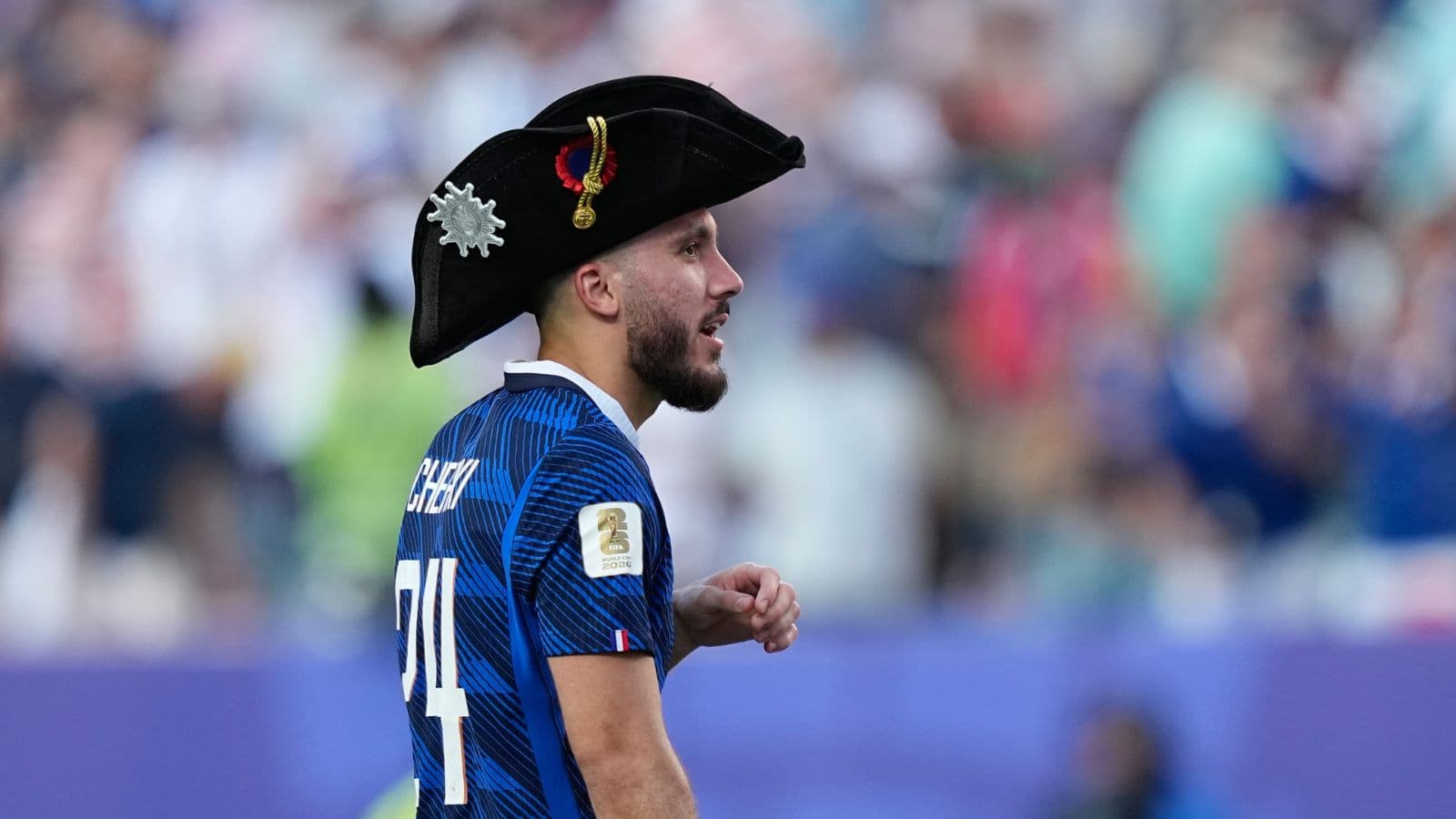
France were put through a wringer by Paraguay in their Round of 16, but emerged winning and laughing. Despite the cynical, crude defending, with many episodes of Paraguay skulduggery, this became the first World Cup game in which no Paraguay player received a yellow card since 1998. The only yellow pointed its way was to an assistant coach after the final whistle. The official record read 11 fouls by Paraguay, compared to 13 for France – but this needed the referee to blow the whistle to register a foul. Bruised but undeterred in their campaign. But they took some mighty hits and Paraguay’s list of dirty dozen tricks reads something like this:
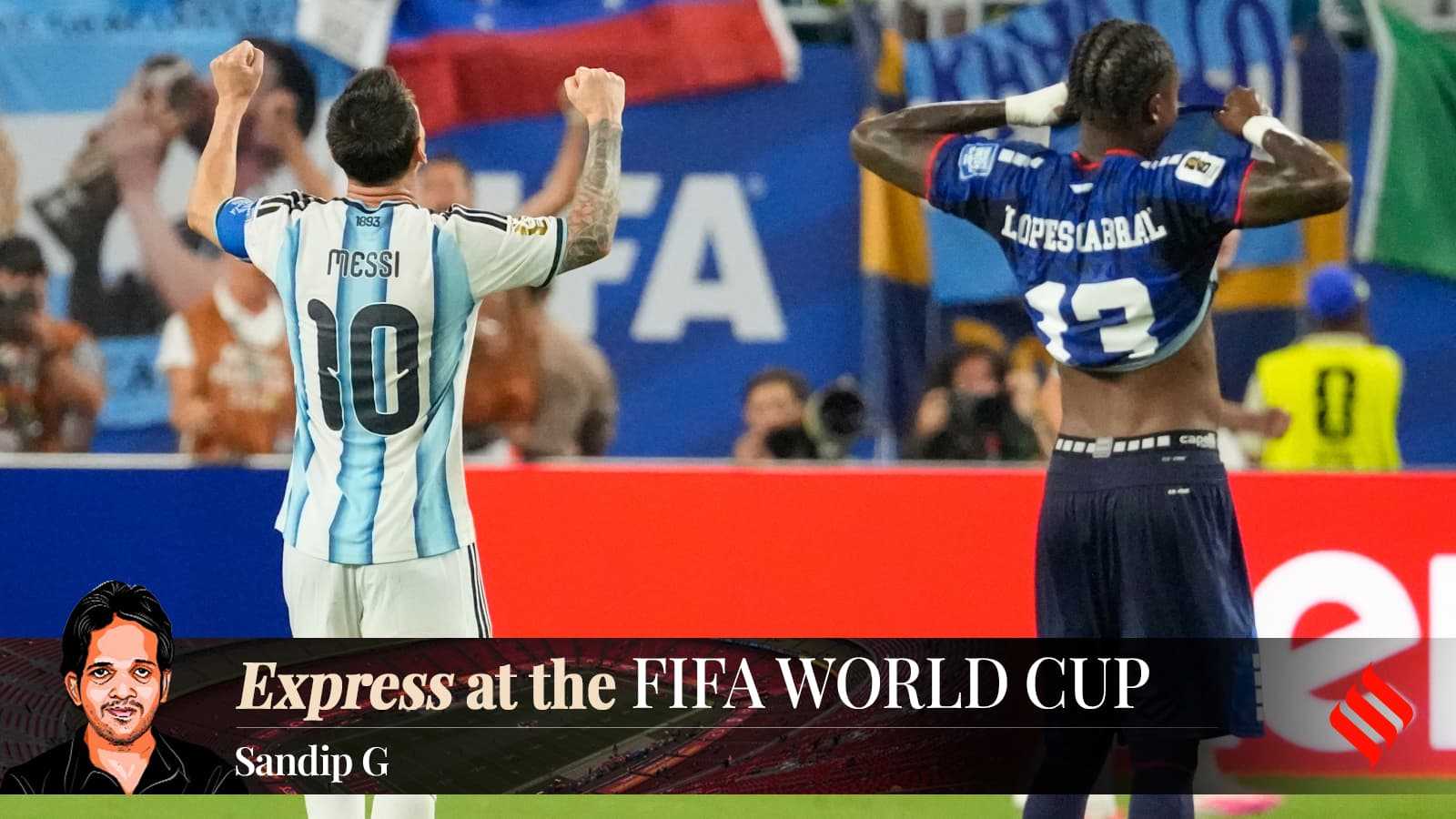
In the beatifically lit-up Hard Rock Stadium in Miami a beautiful fairy-tale met a tearful end. Cape Verde’s stirring journey, from utter unknown to holding off the game’s powerhouses to nearly pulling off the greatest shocks of all time, ended at the hands, legs, and the experience of the world champions, Argentina in extra-time (3-2). The unwritten story would haunt their brave men, those that defeated odds to be just here, those left every drop of sweat, tears, and energy on the field, but Cape Verde leave the World Cup as the tournament’s most heart-warming narrative, one that would not be forgotten, or be construed as an accident of fortune or fixture. They leave as heroes, and some as household names. The emotional toll the match took on its subjects was such that Messi knelt and prayed, staring into the skies. His teammates had long sprawled on the grass blades; Cape Verde players staggered like ghosts. Their supporters looked hollow. The world regurgitated the moments of an unseemly World Cup classic, wishing it never ended.AS IT HAPPENED | ARGENTINA VS CAPE VERDE FIFA WORLD CUP 2026 HIGHLIGHTS Till the last second of the 120th minute, they stretched the reigning champions, the herd of the GOAT, Lionel Messi to the outer limits of their physical durability, mental fortitude and survivability. They did not flinch when Messi broke their resistance with a gorgeous finish, controlling the ball with the outside of the boot, on the rise, and lifting it past Cape Verde’s poster boy, Vozinha, in the first half. They weathered the storm, began the second half assertively and deservingly equalised through Deroy Duarte’s sumptuous nutmeg of Emiliano Martinez, the finish itself arriving from a buildup that had nutmegged an Argentine defender first. For the first time in the game, Argentine faces in the crowd felt a sense of foreboding. The goal did not originate from a lapse, or a deflection, but was the culmination of a period of domination. Incensed, Argentina attacked fervently, but Cape Verde stonewalled every intrusion. Vozinha stood like the rock of Gibraltar; he stashed away a venomous Messi free kick from his optimal spot, on the right, a good two-three metres from the post. His defenders flung their body and heart at anything that seemed half a threat. Argentina’s desperation grew; the mind’s restlessness manifested in uncharacteristic mistakes. In the stands, former player, the tough tackling and inexpressive Diego Simeone, twitched in his seats. Lionel Scaloni’s face turned red in agony. When extra-time whistled, the score locked at 1-1, it was no longer a game between the champions and minnow. But those of equals. The tiniest nation to have ever featured in the World Cup was burning down an empire. The dynasty of Messi, Maradona and Kempes were on the precipice of their darkest hour in their football history. Three minutes into the extra time, the man they call the ‘butcher’, Lisandro Martinez came to his nation’s rescue. The defender has an uncanny tryst with goal; his goals are not the defenders staple headers or toe-poke in a goalmouth scramble. It was more like a striker’s, heaved into the roof of the net. Surely, Cape Verde’s resoluteness would break. The concrete stands swung in delight. Argentina beat Cape Verde 3-2 in extra time. (AP)But their plucky rivals were yet to surrender. Fight was still left in them. Manager Bubista gestured to them to keep calm. So they did. The tiring Argentines could not match their energy. Messi was barely able to walk. Lautaro Martinez and Facundo Medina were subbed because cramps on a humid day with intermittent showers impeded them. Bubista’s substitutes revitalised them, culminating in a magnificent equaliser. The left-back Sidny Lopes Cabral dinked past Nicolás Tagliafico and whipped the ball into the top corner of the far post, from the edge of the area.Story continues below this ad Full bracket & path to final for Messi &
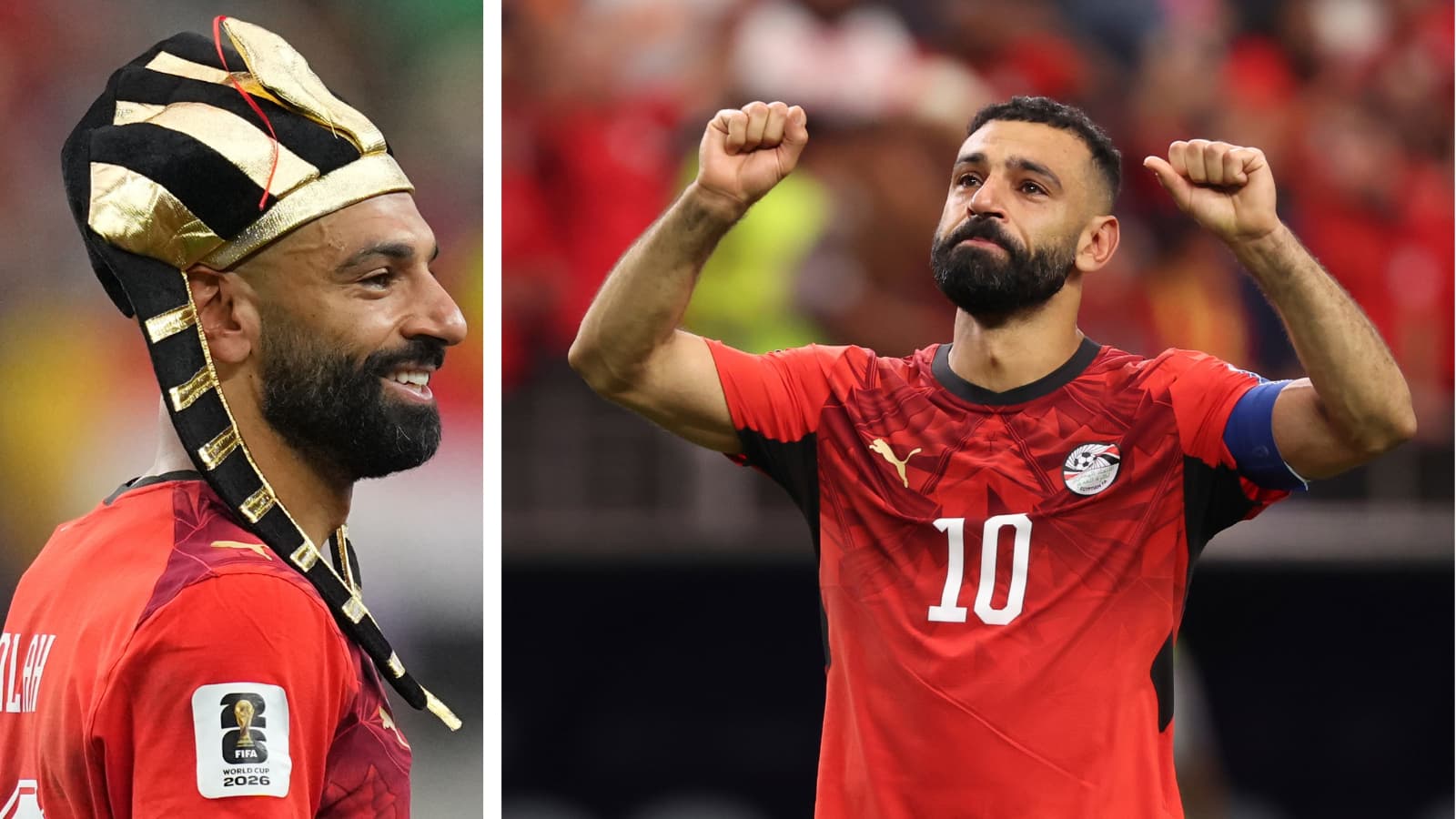
At one end of the pitch, Mohamed Salah, who minutes earlier had sent Egypt through with a chipped Panenka down the middle, stood alone for a moment and applauded the crowd, tears in his eyes, before his teammates pulled him into a mob that would later place a Tutankhamun headdress on his head. At the other end, Lucas Herrington turned his back on the crossbar that had just denied him, put one arm to his curly hair, and bent over to hide his face. He is eighteen, already the youngest starter Australia have ever fielded at a World Cup, and will now be remembered for the kick that sent Egypt through instead. Both moments happened within the same ninety seconds, on the same patch of grass in Arlington, Texas. Egypt had just beaten Australia 4-2 on penalties to reach the World Cup last 16 for the first time in their history. Their only previous appearance this deep was in 1934, when the tournament had sixteen teams and they lost 4-2 to Hungary. Australia have their own version of this wait, beaten in the round of 16 in both 2006 and 2022.Before kickoff, Salah, 34, gathered his teammates in the tunnel. “I told the boys before the game, guys, this is the biggest game you could play in your life, so just enjoy it,” he said afterward. “I didn’t know if that was my last World Cup moment or not, but I had to do it.” He had said it as a man with nowhere else to play, his Liverpool career over weeks earlier with a farewell at Anfield, arriving in Texas without a club to return to. He was not the only one in tears. Manager Hossam Hassan, a three-time Africa Cup of Nations winner, cried too, and dedicated the win to a cause far from the pitch. “My heart and soul are with the Palestinian people,” he said. “I thank them and dedicate this victory to them. We succeeded in making Arab people proud.” The match that produced all this offered little of its own. Egypt led early: Emam Ashour’s own free kick was blocked, the ball came back off Jackson Irvine, and Ashour, unmarked at the back post, headed it in. Omar Marmoush should have doubled the lead early in the second half but dragged a chance wide, and it cost Egypt when Aiden O’Neill’s looping free kick found its way in off Mohammed Hany’s head ten minutes later, an equaliser that owed as much to the cross as the touch. Hany finished the tournament as the first player in World Cup history to score two own goals in one edition. Salah, quiet for most of the night despite finishing the tournament with more touches in the box than anyone else, came alive when it mattered least and almost when it mattered most. In the closing minutes of normal time he swept in a cross for Rami Rabia that Patrick Beach somehow palmed over, then had a shot of his own blocked soon after. Marmoush set him up again in extra time, and this time Salah skied it over the bar, his one blemish on an otherwise flawless night. Whatever fitness doubts lingered after his injury against Iran were answered by the grin he gave Harry Souttar at the coin toss. Australia’s goalkeeper gamble Neither side could find a way through after that, and Australia’s coach Tony Popovic made the gamble that would define the night. He withdrew Beach, who had been outstanding, and sent on his captain, Mat Ryan, purely for the shootout. Ryan never got near a single kick. Souttar’s opening effort sailed over the bar before he even had to move. Herrington, stepping up with more experienced teammates still on the pitch, side-footed his attempt too high, into the same crossbar that had already beaten Souttar. Awer Mabil reached him first, then a visibly shaken Jackson Irvine, then Nestory Irankunda, a foot shorter than him, who wrapped him in an embrace.Story continues below this ad Australia’s goalkeeper missed penalty, resulting in his team’s exit from the World Cup. (AP)Between those misses, Mahmoud Saber and Rami Rabia scored theirs for Egypt without fuss. Then came Salah, stepping up to the third kick with the chance to all but finish it. “If somebody
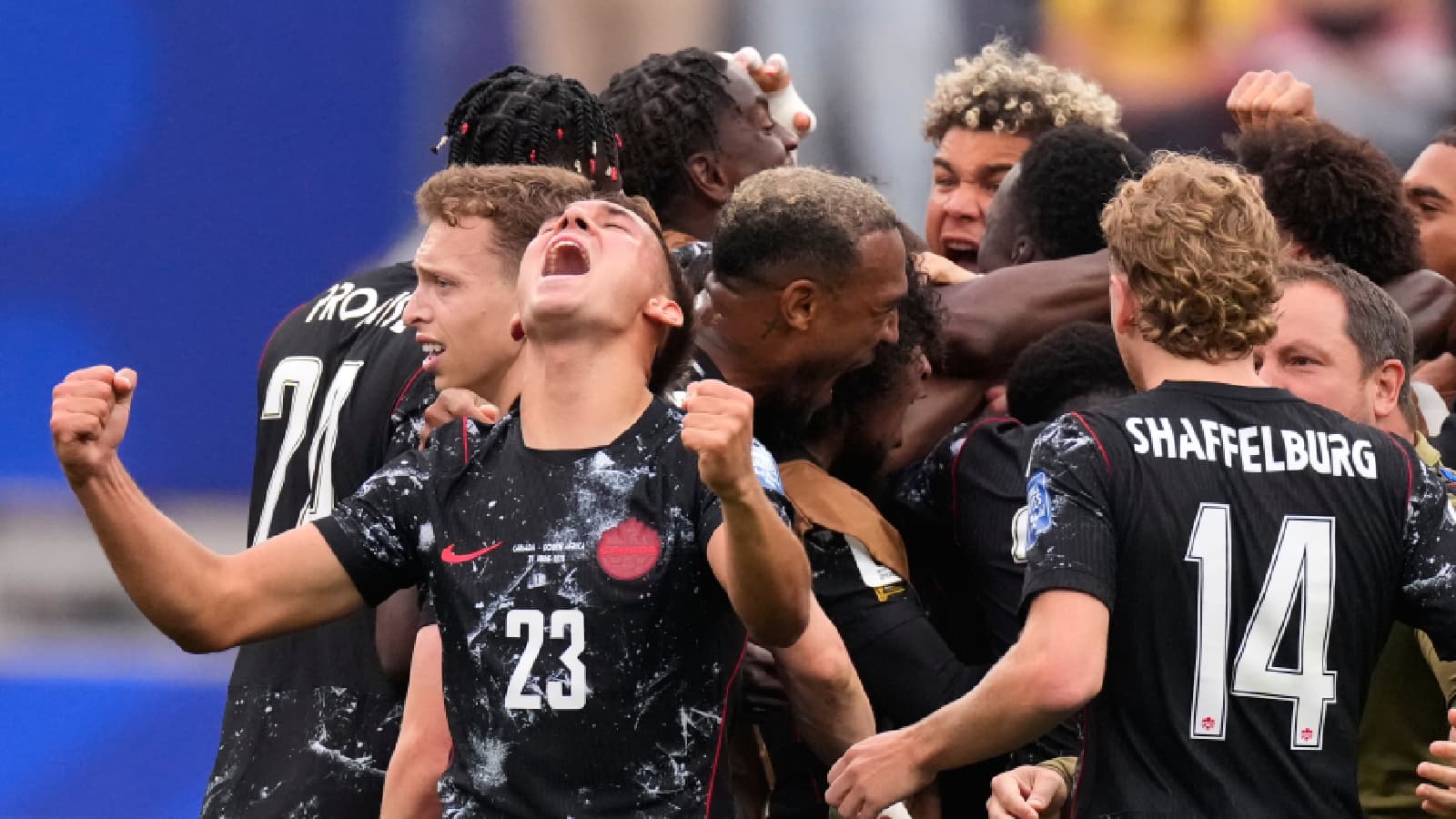
Updated: Jun 29, 2026 03:22 AM IST Players of Canada celebrate after Stephen Eustaquio scored the opening goal during a World Cup round of 32 football match between South Africa and Canada in Inglewood, near Los Angeles. (AP Photo) A later 92nd minute winner from Stephen Eustaquio helped co-hosts of the ongoing FIFA World Cup become the first team to secure a spot in the Round of 16 after overcoming South Africa. The match looked destined to be decided in extra time or penalties, when Eustaquio slotted his shot to the right of the South African goalkeeper Ronwen Williams at the Los Angeles Stadium. “You guys are Canadian heroes! Canadian heroes!” Canada coach Jesse Marsch was heard telling his players in a huddle after the final whistle.It was a battle between two teams that had never made it to the knockout phase of a World Cup before this – and Canada will now continue their World Cup journey. They will face the winner of the Netherlands versus Morocco clash in the last 16. It was a heartbreaking end to the campaign for South Africa. Ronwen Williams pulled off five saves for South Africa while their opponents had 12 attempts including seven on target. But eventually, his resistance broke as Eustaquio’s shot snuck past him. “We worked a lot to get this victory. We really wanted to give this win to all the Canadians. We just kept believing and kept pushing. It was an amazing goal, but when I shot I felt everyone shot with me. Everybody put a little bit of power on it and it went to the back of the net, so I’m very happy,” Eustaquio said afterwards. “We will try to make Morocco and Netherlands [Canada’s potential last-16 opponents] see our game and feel, if they go through, they’re going to get the hardest game they’re going to face in this World Cup. I think we did an amazing job and it’s going to be an amazing game next week.” The game also saw Canada receive a boost when star Alphonso Davies finally made a substitute appearance in the 75th minute. He came on for his first World Cup action after missing group play with a hamstring injury.Story continues below this ad The playmaking Bayern Munich defender missed group play after injuring his hamstring last month for the third time this year, but finally returned in the same stadium where he tore a knee ligament in March 2025 in CONCACAF Nations League play. Davies immediately made the best pass of the day to set up Promise David for a golden chance, but he hit it wide. (With inputs from AP)
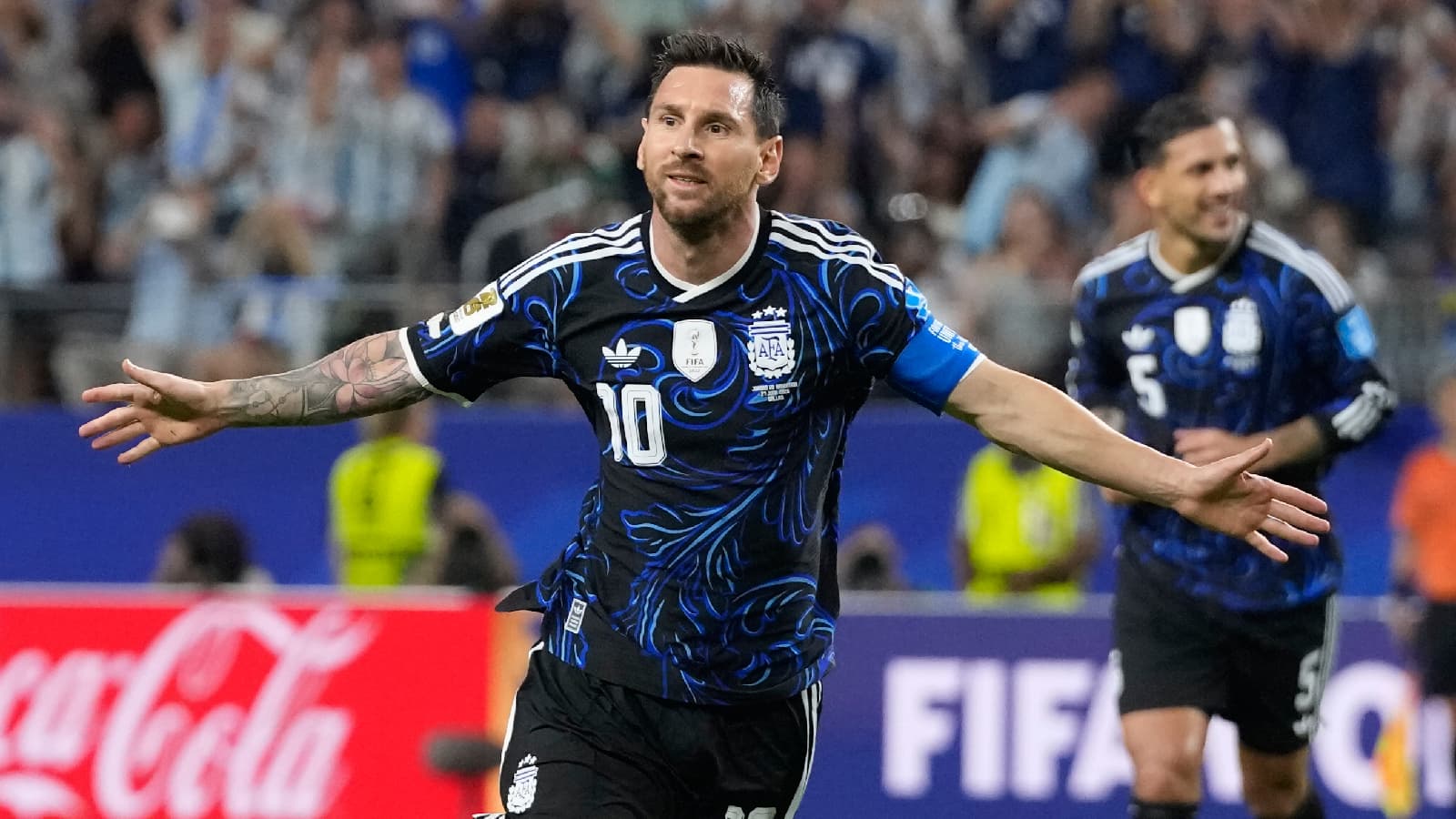
Messi equalled the World Cup free-kick goals record with his second strike and 19th goal overall in the tournament. (AP Photo)Lionel Messi continued his sublime World Cup goal-scoring form as he stepped up from the bench and struck a superb free-kick goal in Argentina’s final Group J match against Jordan in Arlington on Saturday night. The 39-year-old Messi extended his World Cup goal-scoring record to 19 goals, with a superb 80th-minute strike from the set-piece, with a low curler around the Jordan wall, beating the goal-keeper for his sixth goal in three match.Messi also shattered the World Cup record by becoming the first man to score in seven consecutive World Cup games, a streak that he began during Argentina’s run to the title in the 2022 World Cup in Qatar. MORE TO FOLLOW
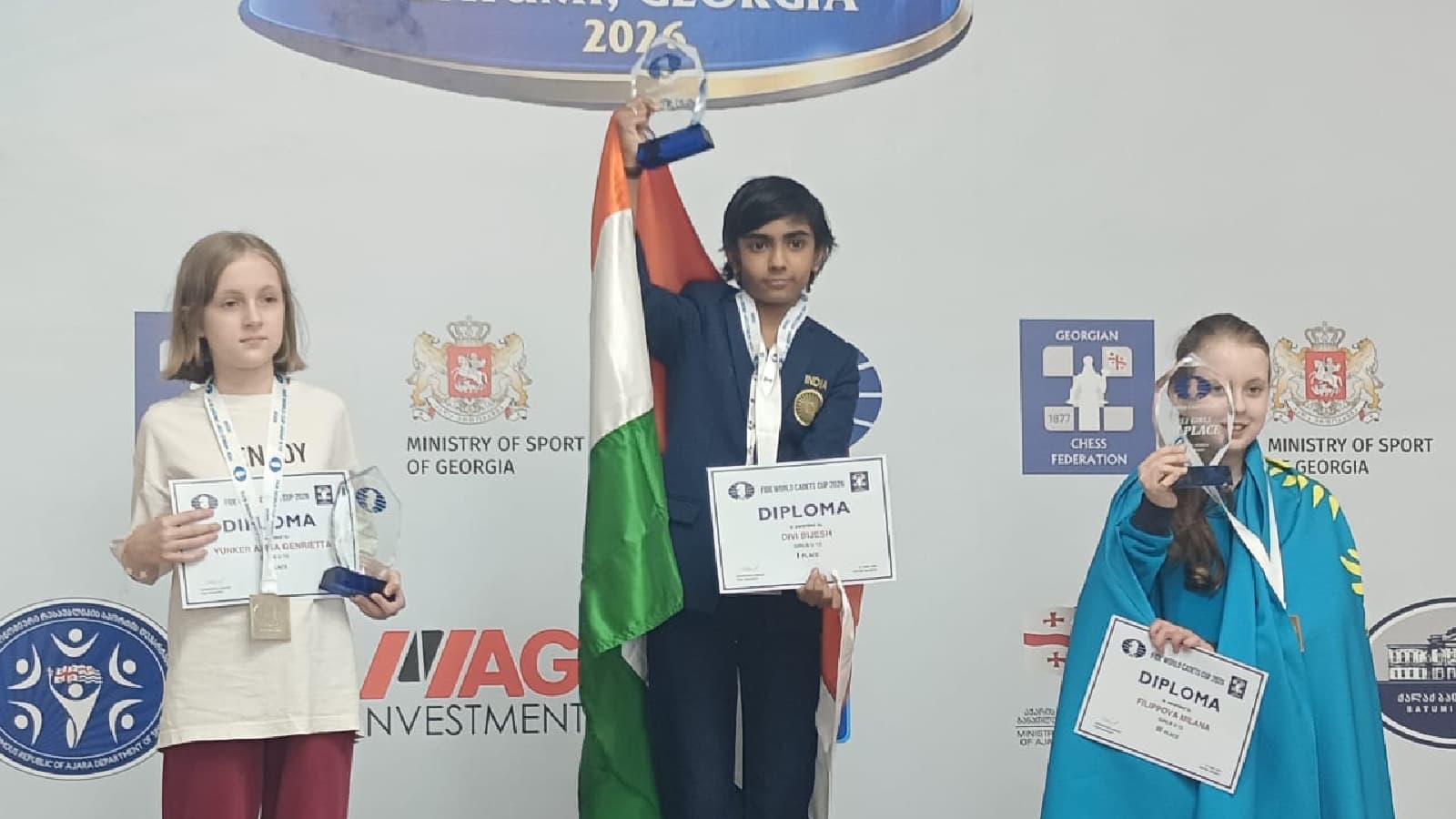
Divi Bijesh claimed the U12 title at FIDE World Cup in Georgia’s Batumi. (Photo: FIDE)India had a reason to celebrate on the battlefield of 64 squares on Saturday after 11-year-old Divi Bijesh claimed the U12 title at FIDE World Cup in Georgia’s Batumi, prevailing over a field loaded with some of the biggest names in the age category like Alisa Genrietta Yunker and Sharvaanica AS. What was remarkable about her triumph was that after three rounds in the 11-round tournament, Divi was 21st in the 90-player standings after a loss to China’s Zixin Huang. It was a game where she held the upper hand but since she was running a temperature, she ended up losing the contest.After sobbing herself to sleep that night, she responded the only way she knew: by fighting to victory. In fact, she went on a five-game winning streak after that defeat (her only loss at the event) and was in sole lead by the 8th round, a lead she never relinquished. “Divi is a real fighter,” said Sreejith GS, who trains her at Trivandrum’s Masters Chess Academy. “She’s done it before in open tournaments. But doing this in a FIDE World Cup shows what she’s made of.” Among Divi’s conquests at the tournament were her victories over Kazakhstan’s Zhansaya Sholpanbek (round 7) and compatriot Sharvaanica (round 10), besides her draws with the Russian duo of Viktoria Makhina (round 9) and Alisa Genrietta Yunker (round 11). The battle with Sharvaanica was one that could become a regular feature in elite competitions in years to come as both of them, along with Charvi Anilkumar are starting to become flagbearers of Indian chess at the U12 age group. To put Divi’s title at Batumi into perspective, she’s ranked 21 in the world in the U12 girls age group and eighth in the U11 category. Divi Bijesh with her coach Sreejith GS, who trains her at Trivandrum’s Masters Chess Academy. (Photo by special arrangement)Her triumph is the latest vindication of the risky move that her father Bijesh S made at the end of 2024: to quit his well-paying IT job to become a full-time chaperone for his chess-playing daughter. It’s a story that’s now becoming commonplace in Indian chess: one parent quitting their job to become a full-time travelling companion for their kids. World champion Gukesh’s father did it. So did Charvi’s mother.Story continues below this ad Sreejith, who has been sharpening Divi’s skills on the board since 2022 at his academy (where he also trains international masters like Goutham Krishna), says her ability to learn quickly from her mistakes and be single-mindedly focused on the board has led to her quick rise. “Most days, she spends six to seven hours on her chess. On weekdays, she’ll spend even more time,” said Sreejith. At Batumi, her games would finish around 9 pm IST and then Sreejith and Divi would have online sessions for an hour and a half to figure out battle plans for the next day’s opponent. Sreejith hopes that her latest triumph helps her unlock one of the biggest doors for rising chess players that age: sponsorship.Story continues below this ad “She’s done all this based on just one single income. Some of the players she left behind to win the title play tournaments abroad regularly. If she can get someone backing her, she can rise much quicker,” he said. Amit Kamath is Assistant Editor at The Indian Express and is based in Mumbai. He primarily writes on chess and Olympic sports, and co-hosts the Game Time podcast, a weekly offering from Express Sports. He also writes a weekly chess column, On The Moves. ... Read More Tags: chess chess news
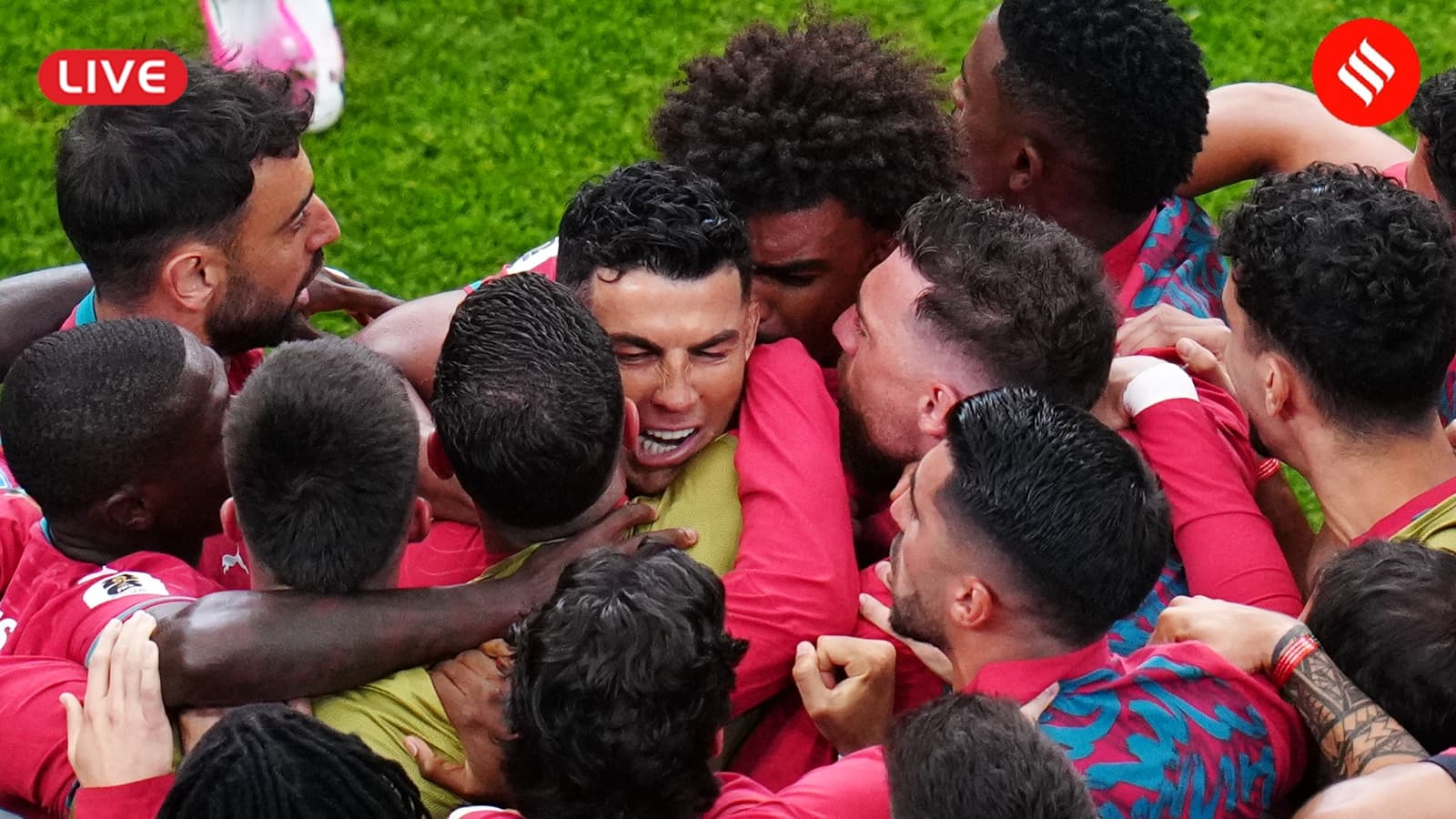
Portugal vs Colombia FIFA World Cup 2026 Match Live Score: (AP Photo) FIFA World Cup 2026 Game Today Live Score: Portugal face Colombia in their final group match of the 2026 FIFA World Cup at the Miami Stadium. Both sides are through to the Round of 32 but this is not quite a dead rubber as the winner of this game finishes top of Group K. An interesting sub-plot is how Portugal captain Cristiano Ronaldo will fare after finally getting a couple of goals in this tournament against Uzbekistan. While Ronaldo and Portugal’s performances were praised, it also came with the caveat that they were expected to beat Uzbekistan in the comprehensive way that they did. Colombia presents a much stiffer challenge in almost every department. Another interesting point is that the match is happening Miami Stadium, home of Inter Miami for whom Ronaldo’s great rival Lionel Messi plies his trade in the Major League Soccer.Story continues below this ad Colombia have benefited from having a high press in the two matches that they have played thus far, both of which they have won. Daniel Munoz is looking to become the only Colombian other than his teammate and captain James Rodriguez to score in all World Cup group games. SCROLL DOWN TO READ OUR LIVE UPDATES FROM THE PORTUGAL VS COLOMBIA GAME Live Updates At 41, under fire Ronaldo proves his hunger for goals is undiminished Portugal's Cristiano Ronaldo (7) celebrates after scoring the opening goal of his team during the World Cup Group K soccer match between Portugal and Uzbekistan in Houston, Tuesday, June 23, 2026. (AP Photo/Eric Gay) We have been here before. Us, the hapless sports scribes, who marshalled every tenet of footballing logic to argue against his presence. The weary supporters, who no longer found the energy to defend their idol. The opponents, who assumed he had lost his powers of intimidation. And between us — the writers, the supporters and the defenders — him. Cristiano Ronaldo. Whenever the writing on the wall has appeared too glaring to ignore, whenever numbers have suggested his stocks were falling, the inevitability of a Ronaldo riposte has arrived. As it did in Houston on Tuesday, where he led Portugal to a 5-0 win over Uzbekistan. READ MORE. © IE Online Media Services Pvt Ltd Tags: FIFA fifa world cup FIFA World Cup 2026 Live Score world cup live score
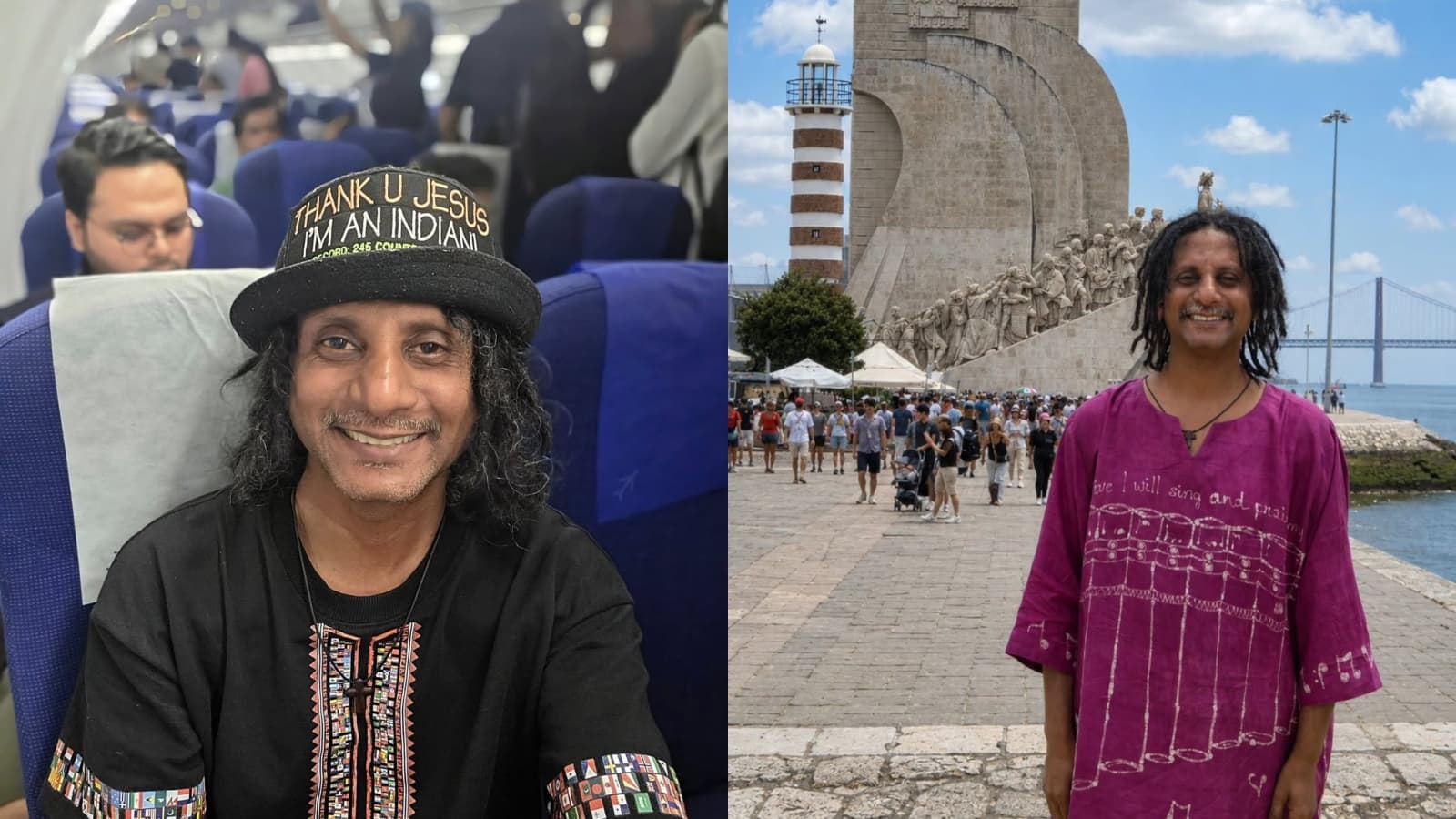
For many people, travelling the world remains a bucket-list dream—something imagined while scrolling social media or planning a future vacation. Very few, however, leave behind the pursuit of comfort to spend years crossing borders, immersing themselves in unfamiliar cultures and making the world their home.Bengaluru-born musician Benny Prasad is one such person. Speaking exclusively to indianexpress.com, Prasad reflected on the extraordinary journey that took him from battling a life-threatening illness and contemplating suicide as a teenager to becoming the fastest person to visit every sovereign country in the world. He also spoke about how travel reshaped his worldview, why he remains deeply rooted in India despite opportunities to settle abroad, and the role music has played in connecting him with people across cultures.Prasad recently went viral after revealing that he has travelled to 257 countries and territories, carrying 16 Indian passports filled with visas and immigration stamps. But the numbers tell only part of his story. In 2010, he set a world record by becoming the fastest person to visit every sovereign and dependent country in the world, completing the feat in six years, six months and 22 days, a record he still holds. His journey, however, began long before the passport stamps. It began with illness, rejection, and despair. Born with severe asthma, Prasad spent much of his childhood on high doses of cortisone steroids, which he says permanently damaged 60 per cent of his lungs and led to rheumatoid arthritis. Academically, he struggled. Constantly labelled a failure and “good for nothing”, he lost interest in school and, at 16, slipped into deep depression. “Doctors gave me six months to live. I had been thrown out of school and felt I had no future. I even contemplated suicide because I believed there was no purpose to my life,” he recalls. The turning point came at a Christian youth camp. “I heard the voice of Jesus Christ. That changed everything for me,” says Prasad, who picked up the guitar at 19. Soon afterwards, he received an invitation to perform in Sri Lanka in 1998—the first time he ever boarded an aircraft.Story continues below this ad “My father was an aerospace scientist, so I grew up watching planes take off every day. But despite living so close to an airport, I didn’t fly until August 15, 1998,” he says. Three years later, he says he felt what he describes as a divine calling—to travel to every country in the world while sharing his music and message of hope. That dream eventually turned into a world record, although Prasad insists that recognition was never the goal. “It was never about setting records or becoming famous,” he says. “When I started travelling, there were no influencers or social media careers. I travelled because I wanted to experience cultures, share my music and tell my story.” In fact, he only realised there was a record to chase in 2009, when he had already covered almost every country. “It took me six years, six months and 22 days to complete the record in 2010. Since then, I’ve continued travelling, and today I’ve visited 257 countries and territories. South Sudan was my last.” Watch the video: Despite travelling farther than almost anyone else, Prasad says the greatest lessons he learnt had little to do with geography. “Travel is something people should never compromise on,” he says. “Take time and invest in it. But don’t just travel on packaged tours. Explore the culture, the food, the people and the reality of a place.” Those experiences, he says, changed his perspective on both the world and his own country.Story continues below this ad “I became more content with what I have. More importantly, I became prouder of being Indian.” Prasad says he had opportunities to settle abroad, including in the United States, the Netherlands, Australia, and Singapore, but chose to remain in India. “My travels made me appreciate India’s incredible diversity even more. Every state


Discussion (0)