
Loading dispatches...
← Return to NewsroomPolitics
News in Frames| Scented by tradition
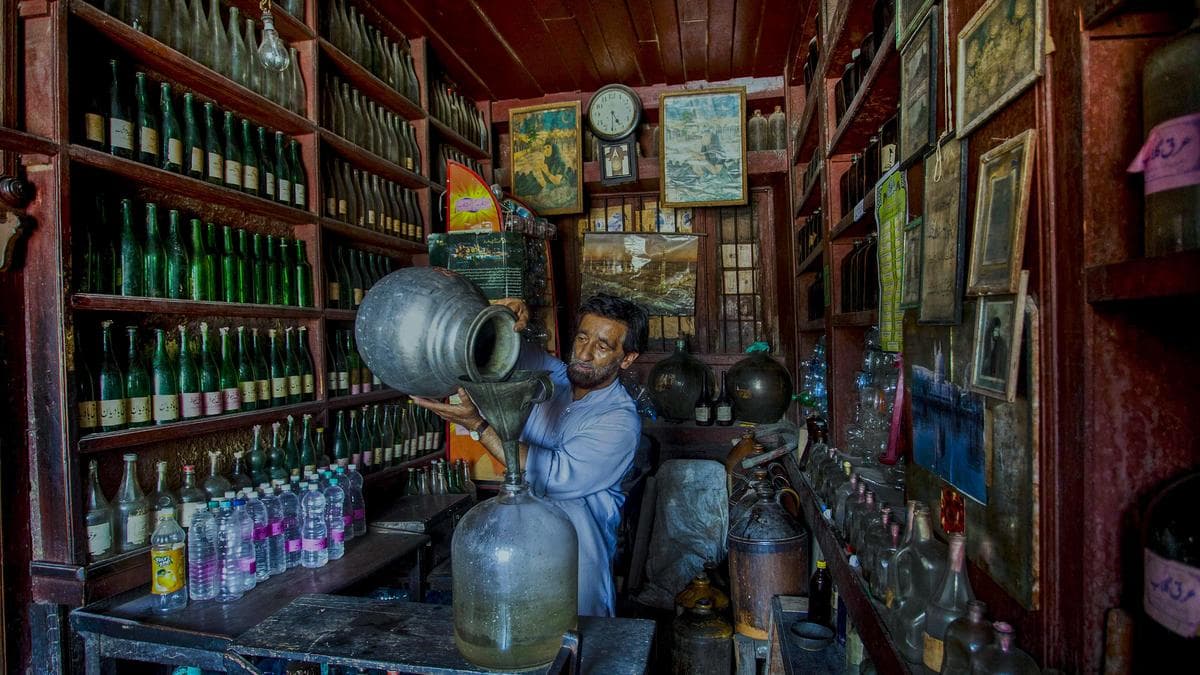
The temperate climate and fertile soil of Kashmir provide an ideal environment for floriculture, particularly for the cultivation of the highly aromatic Damask rose.Rose farming is a seasonal labour of love and requires the harvest of petals in spring and early summer when the blossoms yield their highest concentration of complex fragrance and essential oils.Once harvested, these pristine petals are immediately channelled into two traditional products of rose water — Ark-e-Gulab and Gulkand.Rose water is prepared using traditional steam distillation. Petals are simmered in large copper stills, and the condensed vapour creates a pure, therapeutic hydrosol used widely in culinary dishes, cosmetics, and religious rituals.Gulkand is a rich, sweet preserve made by layering fresh rose petals with sugar in airtight glass jars.The mixture is slow-cured under the natural warmth of the sun for several weeks. This gentle sun-cooking process allows the natural juices to ferment softly with the sugar, transforming the petals into a thick, cooling jam celebrated in Ayurvedic traditions for its digestive benefits.Local entrepreneurs like Shireen Manhas are instrumental in bridging the gap between these age-old agricultural traditions and modern, premium markets. By establishing structured agro-ventures, Ms. Manhas and fellow innovators empower local farmers, particularly women, through sustainable employment.Their enterprises focus on maintaining absolute purity — avoiding synthetic additives — while utilising contemporary packaging and supply chains.This modern entrepreneurial approach not only preserves Kashmir’s delicate horticultural heritage but also elevates its organic rose water and Gulkand to a competitive luxury status globally.Photo: Imran Nissar Bottled pride: Azizullah Kozgar pours rose water syrup in a glass jar at his shop in the downtown area of Srinagar.Photo: Imran Nissar Harvest season: Farmers pluck highly fragrant Damask roses at a field in Sirhama, Anantnag district in south Kashmir.Photo: Imran Nissar Floral alchemy: Workers process the collected rose petals in a distillation plant. The resulting herbal hydrosol is used widely in culinary dishes, cosmetics, and religious rituals.Photo: Imran Nissar Steaming essence: A worker heats rose water in distillation units to extract rose oil in Ganderbal district, central Kashmir.Photo: Imran Nissar Scented delight: Rose water perfume bottles displayed at a farm in Ganderbal district, central Kashmir.Photo: Imran Nissar Dedicated hands: A worker layering fresh rose petals in the first step to making Gulkand.Photo: Imran Nissar In the pink: Women engaged in preparing Gulkand in Srinagar.Photo: Imran Nissar Bringing flavours to life: Rose petals are being pressed in a traditional stone blender. The petals are layered with sugar in airtight glass jars, and the mixture is slow-cured under the warmth of the sun for several weeks.Photo: Imran Nissar Sweet culmination: The home-made concoction of Gulkand, a sugary preserve made of rose petals. Published - June 14, 2026 10:40 am IST


Discussion (0)