
Loading dispatches...
← Return to Newsroomgeneral
Can prediabetes cause both high and low blood sugar levels?

New DelhiJun 30, 2026 09:30 AM IST Is prediabetes responsible for both high and low blood sugar levels? Answering this Quora query, Dr Vijay Negalur, HOD – diabetology at KIMS Hospitals, Thane, said prediabetes usually leads to high blood sugar, but some people may also feel symptoms resembling low blood sugar. “This occurs because the body’s system for managing glucose is not working well. In the early stages of insulin resistance, the pancreas might release more insulin than needed after meals. This can cause a rapid drop in blood sugar levels a few hours later. While true low blood sugar is rare in prediabetes, blood sugar levels can still fluctuate,” said Dr Negalur. DISCLAIMER: This article is based on information from the public domain and/or the experts we spoke to. Always consult your health practitioner before starting any routine.Why do some people with prediabetes feel shaky, weak, or dizzy after eating? This is often linked to reactive hypoglycaemia. Dr Negalur said that after eating a carbohydrate-rich meal, the blood sugar levels rise quickly, triggering the body to release insulin. “Sometimes, this response is too strong, causing blood sugar to fall faster than expected. People may then experience symptoms such as shakiness, sweating, hunger, fatigue, irritability, trouble concentrating, or light-headedness. These symptoms should be taken seriously, especially if they happen often.” Balanced meals are necessary (Photo: Getty Images/Thinkstock)How is this different from diabetes? Prediabetes is a warning phase where blood sugar levels are above normal but not high enough to be diagnosed as diabetes. At this stage, the body is already showing signs of insulin resistance. “Without lifestyle changes, many people with prediabetes may go on to develop Type 2 diabetes. The good news is that this stage allows for the possibility of reversing the trend through early action,” said Dr Negalur. What are some signs that a person may have prediabetes?Story continues below this ad Prediabetes often develops without noticeable symptoms. However, some individuals might notice increased thirst, unusual fatigue, weight gain around the stomach, sugar cravings, frequent hunger, or changes in energy levels. “Because signs can be mild, regular health screenings are crucial, especially for those who are overweight, have a family history of diabetes, or lead a sedentary lifestyle,” said Dr Negalur. Is there a link? (Photo: Quora)What can people do to keep their blood sugar stable? The goal should be to avoid sharp increases and drops in blood sugar. “Eating well-balanced meals that include protein, fibre, and healthy fats, limiting sugary foods, staying active, managing stress, and getting enough sleep can greatly improve blood sugar control. Prediabetes should be seen as an early warning sign that offers a valuable opportunity to make changes before diabetes develops,” said Dr Negalur. DISCLAIMER: This article is based on information from the public domain and/or the experts we spoke to. Always consult your health practitioner before starting any routine.
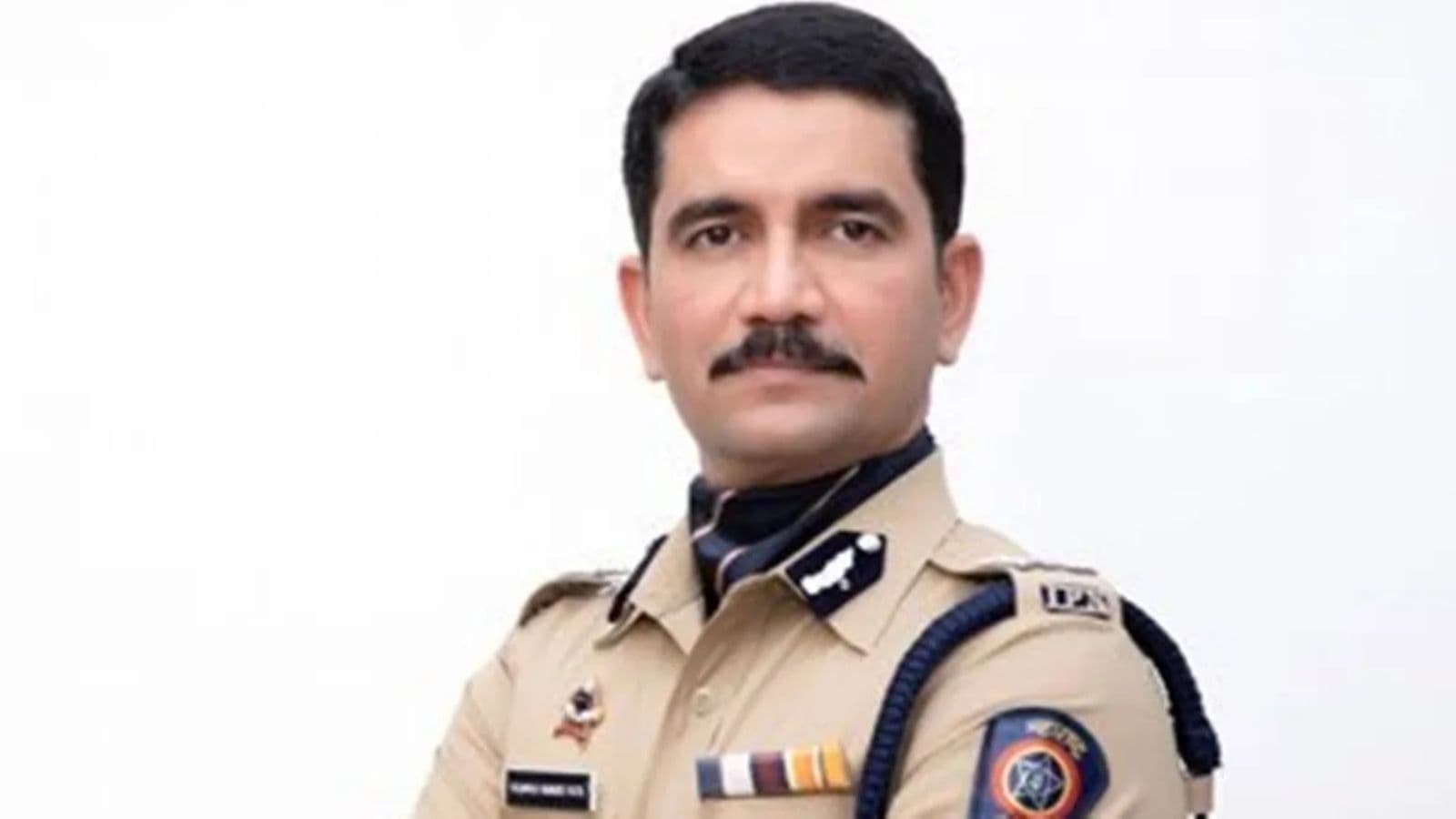
Senior IPS officer Vishwas Nangre Patil has come under scrutiny after a video surfaced showing him addressing a Hindu Sammelan organised by the Sakal Hindu Samaj (Photo: X/ishwas Nangre Patil).A couple of weeks ago, senior Maharashtra police officer Vishwas Nangre Patil received a call from the state’s Additional Chief Secretary (Revenue) Vikas Kharge. Kharge, Patil wrote on social media, was touring the economically backward Nandurbar district when he saw a young student reading the IPS officer’s book, Mann mein hai vishwas (In my heart, I believe). The senior bureaucrat promptly handed over the phone to the youngster, who received a quick pep talk from Patil. Patil’s social media accounts are full of such interactions in which he is seen encouraging youngsters and exhorting them to work hard. However, days after he took charge as the Commissioner of Police in Nagpur, where the headquarters of the RSS is located, Patil is in the middle of a raging political storm in Maharashtra.In a 45-second video clip that quickly went viral online after his appointment, the 1997-batch IPS officer of Maharashtra cadre is seen addressing a public meeting of the Sakal Hindu Samaj (SHS), a loose conglomeration of Hindu outfits such as the VHP, Bajrang Dal, Hindu Janjagruti Samiti, Hindu Pratisthan, and Durga Vahini. In it, Patil praises the Sangh and describes its founder Dr K B Hedgewar as a “farsighted nationalist”. In late 2022 and early 2023, the SHS had sparked a political storm over its public meetings against “religious conversions” and “love jihad”, facing multiple FIRs as a result over alleged hate speech. As the video started to do the rounds on social media, the Opposition targeted the BJP-led Maharashtra government and Patil, questioning the neutrality of the civil services. The Congress sought a probe into the speech and posted, “Forgot the oath of the Constitution and the khaki uniform, they’ve shown up at the Sangh’s doorstep singing praises. On one side, taking the oath of the Constitution, shouldering the responsibility of the people’s security, and on the other side, openly praising the RSS … What kind of dutiful IPS officer is this?” On Saturday, Maharashtra Navnirman Sena (MNS) chief Raj Thackeray waded into the row, telling Nangre-Patil, “If you have an affinity for the Sangh, keep it to yourself; or if you wish to speak publicly, resign from service and join the Sangh or the BJP.” He also took aim at Chief Minister Devendra Fadnavis, asking him if a police officer’s “dual loyalty” was acceptable to him. “We were all under the impression that the khaki colour of Nangre Patil’s uniform belonged to the police force; we have only now realised that the colour belongs to the Sangh’s former khaki,” Thackeray added. Decorated careerStory continues below this ad Patil is a decorated officer who has served in important posts throughout his career of over two decades. During the 26/11 terror attacks, he was the Deputy Commissioner of Mumbai City’s Zone 1 and took on the terrorists who had entered the Taj Mahal Palace hotel. Known to be in the good books of the Sharad Pawar-led Nationalist Congress Party (NCP), Patil served as the Joint Commissioner (Law and Order) of Mumbai when the Maha Vikas Aghadi government of the Shiv Sena, NCP, and Congress was in power. He was heading the state Anti-Corruption Bureau when he received his transfer order to Nagpur last week. While the officer has not responded to the Opposition’s criticism, those close to him said other government officials and religious leaders had also attended the event. The full video of the speech would show that Patil advocated for peace and spoke against hatred, they added. Defending his secular credentials, the sources close to Patil said he had attended iftar parties as well during Ramzan. Mohamed Thaver is a highly specialized journalist with the Expertise and Authority required to report on complex law enforcement and leg
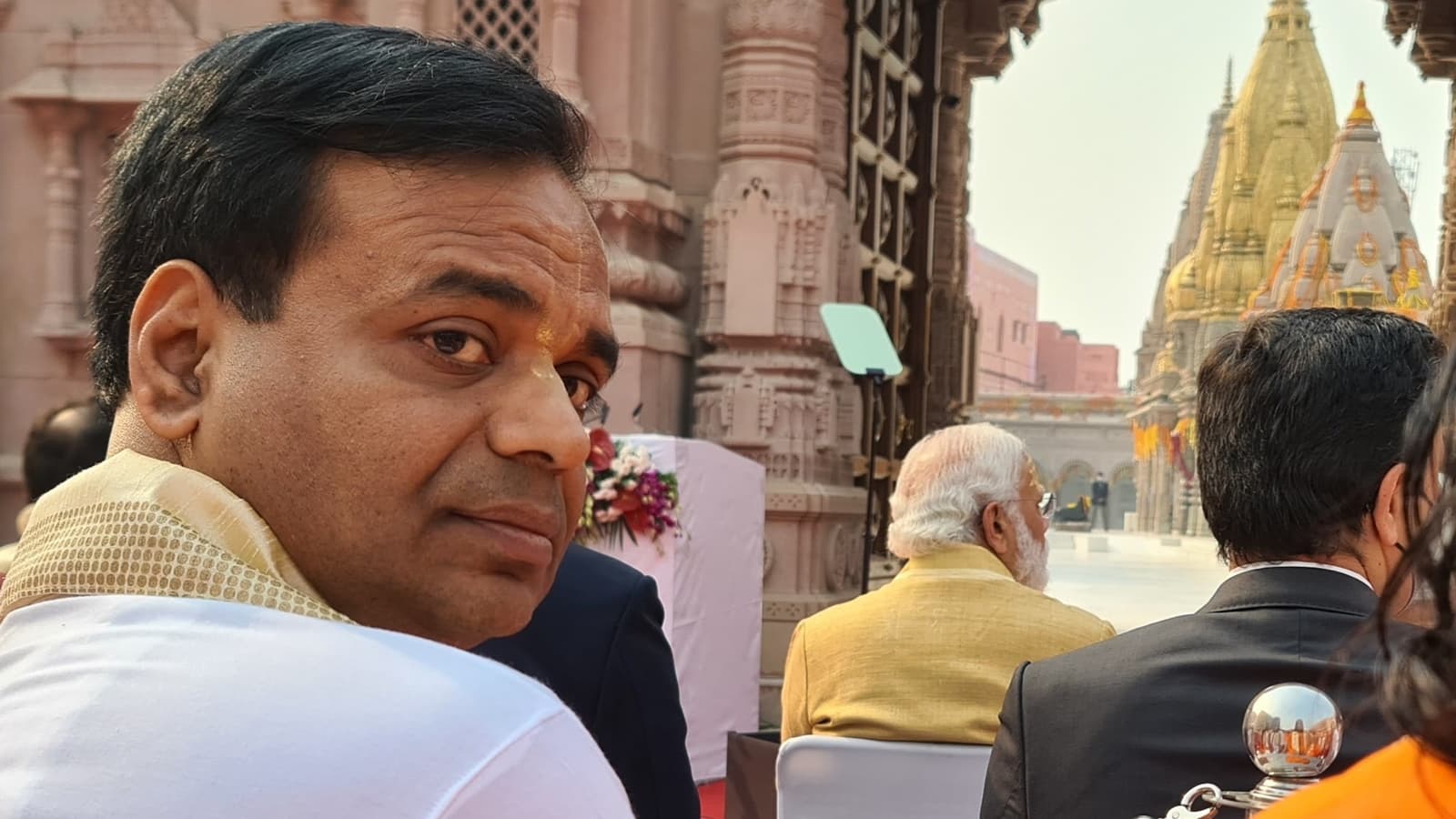
ISKCON's Radharamn Das. (@RadharamnDas/X)Kolkata vice-president and spokesperson on Sunday said that he has been relieved of all the responsibilities within ISKCON and was “directed not to represent or speak on behalf of the organisation” before the media, government authorities or any public forum. In a statement issued on Sunday, he listed six reasons for which, he claimed, action was taken against him.“1. Speaking publicly regarding persecution of Hindus in Bangladesh. Supporting and speaking in relation to Chinmoy Krishna Prabhu. 2. Sending legal Notice to (former Union minister) Maneka Gandhi for making public allegations against ISKCON 3. Filing a cyber complaint concerning derogatory public remarks made against ISKCON by comedian Surleen Kaur. 4. Making public statements defending Sanatana Dharma. 5. Sharing a social media post concerning the historical association of Donald Trump with the 1976 New York Rathayatra. 6. Appearing in a Republic TV interview on 29 May 2026,” he wrote.Story continues below this ad According to ISKCON sources, Das’ public statements regarding the Bangladesh monk issue formed the primary basis for the disciplinary action. The development comes days after Das emerged as one of ISKCON’s most prominent public faces during the controversy surrounding the West Bengal government’s decision to introduce ISKCON-prepared vegetarian mid-day meals in Kolkata schools as a pilot project. In several media interactions, he defended the exclusion of eggs from the menu, arguing that foods such as soya chunks, rajma, paneer and chana could adequately meet children’s protein requirements while highlighting the organisation’s automated kitchens and hygiene standards. Speaking to The Indian Express on the issue earlier this week, Das had said, “We (ISKCON) serve a Bengali thali globally, so it is wrong to say that only egg or meat completes a Bengali thali. The menu will have rice, dal, khichdi and sabji. It is wrong to think that protein is missing from the thali. There are a lot of things that have high protein, like soya chunks and rajma.” According to ISKCON sources, the organisation was dissatisfied with Das’ public statements comparing the nutritional value of eggs and soybeans during the mid-day meal debate. Sources maintained that no individual was authorised to provide such “extensive public explanations on matters relating to sattvik food”.Story continues below this ad Das said that he accepted the decision taken by the ISKCON and would abide by the directions issued to me. Das expressed gratitude to devotees, well-wishers and supporters for their continued affection. “I remain grateful for the affection and support extended to me over the years and pray for the continued growth and success of ISKCON,” he added. Modak is an intern at the Kolkata office of The Indian Express

It started with “a lucky find”. While browsing online last month, a Bengaluru store manager came across an application called ‘Tuby’ that promised free access to OTT platforms, eliminating the need for a paid subscription. Tempted by the offer, he downloaded and installed the application on his smartphone.What appeared to be a shortcut to free entertainment soon turned into a costly mistake. It was later revealed that the app was fake and designed to compromise users’ devices and banking information. Before the victim could even realise something was wrong, over Rs 1 lakh had been siphoned from his bank account.“Free Netflix”, “Premium OTT access at zero cost”, “Unlimited movies without subscription,” such offers frequently appear on social media platforms. While they may seem like harmless shortcuts, cybersecurity experts warn that they are often traps designed to install malware, steal banking credentials or gain access to a user’s device. Ways to reduce digital expenses Deependra Singh, cyber security expert with Betul police, Madhya Pradesh, told indianexpress.com, “Nowadays, cybercriminals are taking advantage of people’s desire for free content. With OTT subscriptions becoming increasingly expensive and content being spread across multiple platforms, many users are drawn to unofficial apps and APK files. Scammers exploit this tendency.” Singh said whether it is a major sporting event, a blockbuster movie release, or exclusive streaming content, they launch fake apps using the names of popular brands and events. He added that while many people think they are simply accessing free content, in reality, they may be giving criminals access to their phones and personal data. “These apps often request permissions for SMS, contacts, notifications, accessibility features, or even device administrator privileges. Once granted, such permissions can allow attackers to compromise personal data, intercept OTPs, and gain access to user accounts. In some cases, malicious apps are also difficult to remove from the device,” Singh said. Zakir Hussain Rangwala, CEO of BD Software Distribution Pvt Ltd, said, “People are constantly looking for ways to reduce digital expenses. With multiple streaming platforms hosting exclusive content, many users feel compelled to subscribe to several services simultaneously. Unofficial apps exploit this frustration by promising free access to movies, sports, and OTT content in one place.”Story continues below this ad He said this happens because of a combination of all four factors — subscription fatigue, rising costs, convenience, and lack of awareness. Subscription fatigue is real because users now need multiple subscriptions to access different content libraries. Rising costs make people seek cheaper alternatives, while unofficial apps offer the convenience of aggregating content in one place. Lack of cybersecurity awareness further worsens the problem, as many users assume an app that looks professional is safe, said Rangwala. “Cybercriminals understand these behavioural patterns and design fake applications specifically to exploit cost-conscious and convenience-driven consumers,” he said. The risks extend far beyond monetary losses. He said fake streaming apps can secretly install malware, spyware, or remote access tools that allow cybercriminals to monitor user activity and steal sensitive information. “Personal data such as login credentials, emails, photos, contacts, and banking details can be harvested and sold on underground markets. Some apps may also compromise device performance, disable security features, or turn infected devices into part of larger cybercrime operations. In many cases, victims remain unaware of the compromise for months,” he explained. He added that cybercriminals increasingly misuse the names and visual identities of well-known streaming and entertainment platforms because trust is easy to exploit. “When people recognise a familiar brand or service category, they tend to low
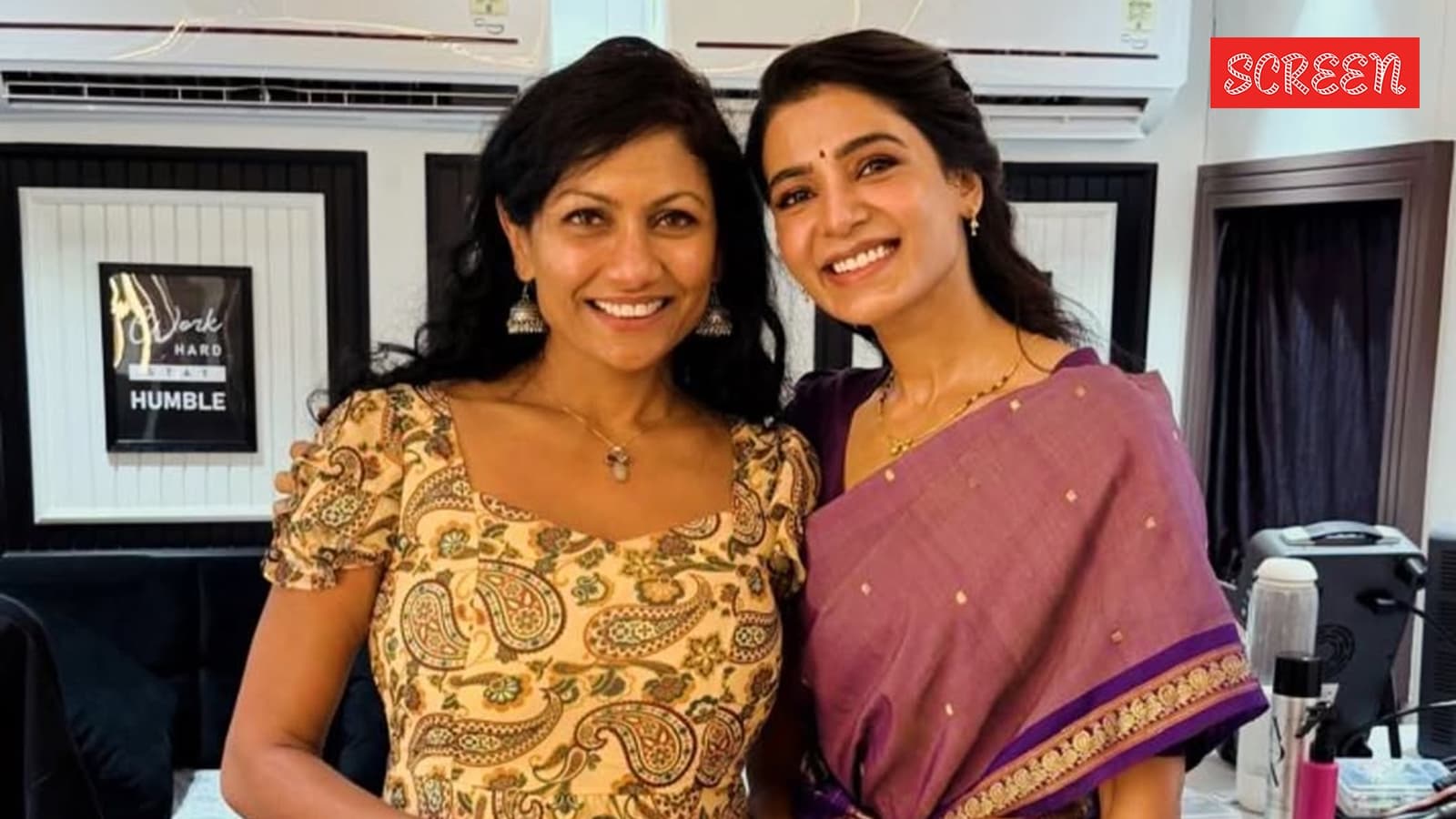
New DelhiJun 19, 2026 04:29 PM IST Samantha Ruth Prabhu (R) with her sister-in-law Sheetal. (Photo: Sheetal Nidimoru)Samantha Ruth Prabhu married director Raj Nidimoru in December 2025, and started a new chapter of her life with a new family. On Friday, her sister-in-law, Sheetal, took to social media to shower praise on her as she recalled the time when she fell sick during her stay at Samantha’s home in Hyderabad, and Samantha was there at 3 am, taking care of her, even though she had a full day of shooting ahead of her. Sheetal started her note on social media saying that she has never seen any of Samantha’s films before, but she has “seen her at 3 am.” She recalled that a few days after the wedding, she was staying at Samantha’s home when, in the middle of the night, she got extremely sick. “I was shivering uncontrollably, throwing up, my head was splitting and I could barely get out of bed to find medicine and extra blankets,” she shared and recalled that at first, she hesitated to send a message on the family group, but when she really needed some assistance and sent that message, Samantha was the first to reply, and said, “I’m coming.”“She didn’t wake anyone up. She didn’t tell my brother to go check on his sister. She didn’t ask someone else to handle it. She came herself. The blankets couldn’t be found, so she tucked big towels around me to keep me warm. She brought me medicine. Water. She checked on me,” she shared and added, “What makes me emotional even now is knowing she hadn’t slept that night.” Sheetal said that the wedding had just happened and Samantha had a lot going on at the moment, and within a few hours, she had to report on set for her shoot. Later in the day, when Sheetal also visited the set, she was Samantha diligently performing in front of the camera. “There she was in a sari, doing her own stunts, smiling, focused, carrying on as though she’d slept a full night. The first thing she asked me wasn’t how was the shoot. It was, ‘How are you feeling now?’ I still remember the concern on her face. And I remember looking at her and wondering… How are you standing here, giving your all, after a sleepless night? Nobody watching those scenes would have known how tired she was. Nobody would have known she hadn’t slept. Nobody would have known the tender heart behind that smile,” she wrote. Sheetal praised Samantha’s kindness and wrote, “I remember looking at her and thinking… How beautiful it is when someone’s strength is hidden inside their kindness. Not the kindness that comes when life is easy. The kindness that remains when you’re exhausted yourself. The kind that keeps going, even when nobody would blame you for resting. I think that’s why this movie title makes me smile. Because long before I could watch “Ma Inti Bangaram”, I had already met the Bangaram. ❤️” Samantha’s latest film Maa Inti Baangaram has also been produced by her. The film, set in the 1980s, centers on a woman who is trying to win over her in-laws by attempting to be a perfect woman. The film takes on the expectations from women in domestic spaces, and the pressure put on them to always be perfect. The word “Baangaram” literally translates to gold but is used colloquially across Telugu households as an affectionate term for a beloved daughter or daughter in law.
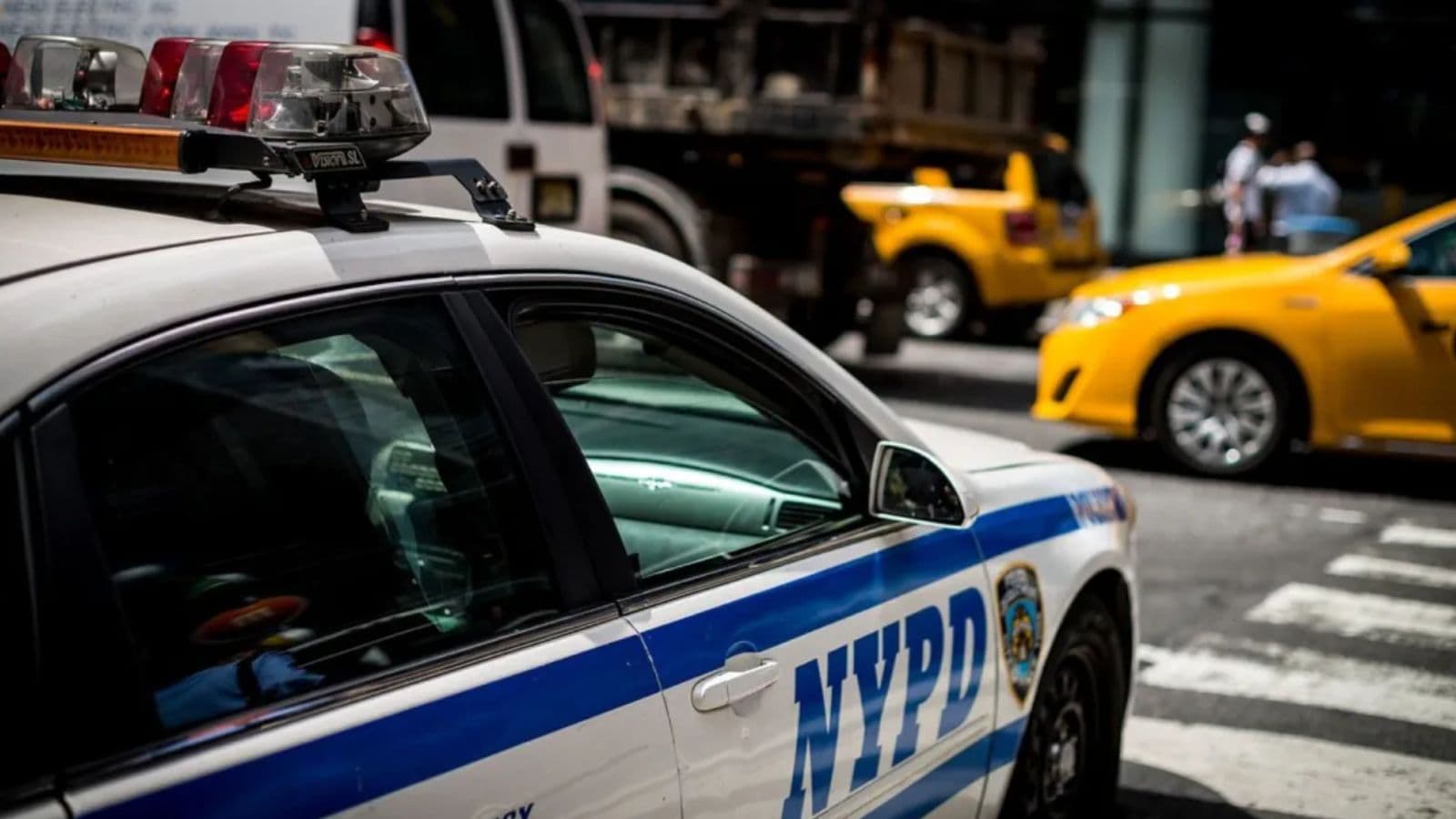
NewsWorldShots fired in New York Times Square hours after World Cup parade The back-to-back incidents come as New York hosts large crowds for the ongoing FIFA World Cup, with several matches being played at MetLife Stadium in New Jersey. 3 min readJun 19, 2026 08:45 AM IST First published on: Jun 19, 2026 at 08:45 AM IST Several gunshots were fired in New York's Times Square. (File Photo) Several gunshots were fired in New York’s Times Square on Thursday afternoon, sending tourists and bystanders running for cover, police said, with a suspect chased down shortly afterwards. The city’s Fire Department said one person was taken to hospital, though no further details on their condition were released. The incident took place at around 3:40 pm local time on Thursday, shortly after a parade celebrating the New York Knicks’ NBA championship win moved through lower Manhattan. Officials had deployed police in numbers for the event, securing what amounted to the NYPD’s biggest single event deployment to date a parade that, by most accounts, went off largely without incident.The area was also unusually crowded with visitors in the city for the FIFA World Cup, which began the previous week. Videos shared on social media captured the moment shots rang out, with footage showing tourists and bystanders scrambling for cover as the sound of gunfire spread through the area. Police say a suspect is in custody after gunshots sent a crowd scrambling in New York's Times Square. No on was hurt. pic.twitter.com/myFbM3Z7xT— CBS Evening News with Tony Dokoupil (@CBSEveningNews) June 18, 2026 Witnesses said people were seen running for cover as the suspect or suspects fled down the street, pursued by police officers who had already been on patrol in the area. The shooting occurred only a few metres from a parked police vehicle. Police have not yet released further details on the suspect or a possible motive. A second Times Square shooting in under a week Thursday’s incident follows an earlier shooting in the same area on 14 June, when celebrations over the Knicks’ NBA title their first in 53 years turned disorderly. According to police sources, that incident unfolded at around 2am near the corner of Broadway and West 43rd Street, where two suspects fired handguns into the crowd. Investigators later said the shots had not been fired in celebration but appeared to be aimed at a specific target. A 17-year-old boy was struck in the foot during that incident. With the crowd too dense for an ambulance to reach him, police instead placed him in a patrol car and drove him to Bellevue Hospital, where he was listed in stable condition. Three people were taken into custody in connection with that shooting. Story continues below this ad That night’s celebrations also saw wider disorder. Police said a total of five school buses, which had been used to shuttle fans to World Cup matches in New Jersey, were set on fire or destroyed, and 63 people were arrested in total, with ten police officers injured. The back-to-back incidents come as New York hosts large crowds for the ongoing FIFA World Cup, with several matches being played at MetLife Stadium in New Jersey. Times Square, one of the city’s most visited tourist sites, has now seen gunfire twice within five days, raising questions about crowd security as the tournament continues and further public celebrations are expected. With inputs from AP, NBC News and CBS New York The Express Global Desk at indianexpress.com which delivers authoritative, verified, and context-driven coverage of key international developments shaping global politics, policy, and migration trends. The desk focuses on stories with direct relevance for Indian and global audiences, combining breaking news with in-depth explainers and analysis. A major focus area of the desk is US immigration and visa policy, including developments related to student visas, work permits, permanent residency pathways, executive actions, and court ruli

Updated: Jun 17, 2026 02:29 PM IST People attempt to pull passengers out of a plane after it crashed on a highway Tuesday, June 16, 2026, in Laredo, Texas. (AP photo) One person was killed after a business jet carrying six people crashed onto a highway in Laredo, Texas, on Tuesday night, as motorists and first responders rushed to pull survivors from the burning wreckage. Authorities have not yet said whether the victim was on board the aircraft or on the ground, news agency Associated Press reported. Many came upon the burning plane, which was nearly sheared in half and tipped on its side, and captured dramatic rescue scenes on video or rushed toward the aircraft on foot to help, it added.Business jet crashes near Texas airport The plane departed from Los Cabos International Airport in Mexico at 6:19 pm. It’s not clear what caused the crash as it reached Laredo, about 225 kilometres southwest of San Antonio. The plane crashed on the Loop 20 highway near the Texas-Mexico border shortly after 10 pm, said Jose Baeza, an investigator with the Laredo Police Department. Dashcam footage posted on social media showed the aircraft careening down the highway, taking out a light post before coming to a stop. It came to a rest not far from the Laredo International Airport. Motorists race to free survivors “It looked like part of a movie. I was in shock,” AP quoted Zayra Garza, an esthetician who was driving her coworkers home when she came upon the crash, as saying. She saw a person from inside the cockpit trying to break the window, while others from the outside were also trying to open it as the fuselage burned. Her husband also jumped out to help. Finally, when the door opened, she saw three teenagers emerge outside, followed by someone whom she believed was a pilot. A crew then tried to pull out an unconscious passenger. No injuries on the ground were immediately reported, though five officers were taken to the hospital for smoke inhalation. The plane was a Cessna Citation Latitude twin jet, according to information from FligthAware, an aviation tracking and data company.Story continues below this ad Bystanders witnessing the crash hurried toward the burning wreckage. Two people carrying a sledgehammer and a shovel used them to break the cockpit glass and try to open the door. Firefighters work at the site of a plane crash, in Laredo, Texas, U.S., June 16, 2026. (source:Laredo Police Department/Handout via REUTERS ) Firefighters and police join rescue effort A firefighter used a small ladder and climbed into the aircraft and retrieved the left passenger while the others directed a hose on the burning wreckage. Officers who helped to hold the door open often staggered away from the smoke. Cause under investigation The cause remains under investigation, but Gilberto Sanchez, Laredo International Airport Director, told local station KGNS that the aircraft had a mechanical failure. NetJets, the owner company, confirmed its involvement. It also stated that it is cooperating with authorities. The company is a subsidiary of Warren Buffett’s Berkshire Hathaway, and sells fractional ownership stakes in private jets. Story continues below this ad (The article has been written by Seekriti Saha, who is an intern at The Indian Express) © IE Online Media Services Pvt Ltd The Express Global Desk at indianexpress.com which delivers authoritative, verified, and context-driven coverage of key international developments shaping global politics, policy, and migration trends. The desk focuses on stories with direct relevance for Indian and global audiences, combining breaking news with in-depth explainers and analysis. A major focus area of the desk is US immigration and visa policy, including developments related to student visas, work permits, permanent residency pathways, executive actions, and court rulings. The Global Desk also closely tracks Canada’s immigration, visa, and study policies, covering changes to study permits, post-st
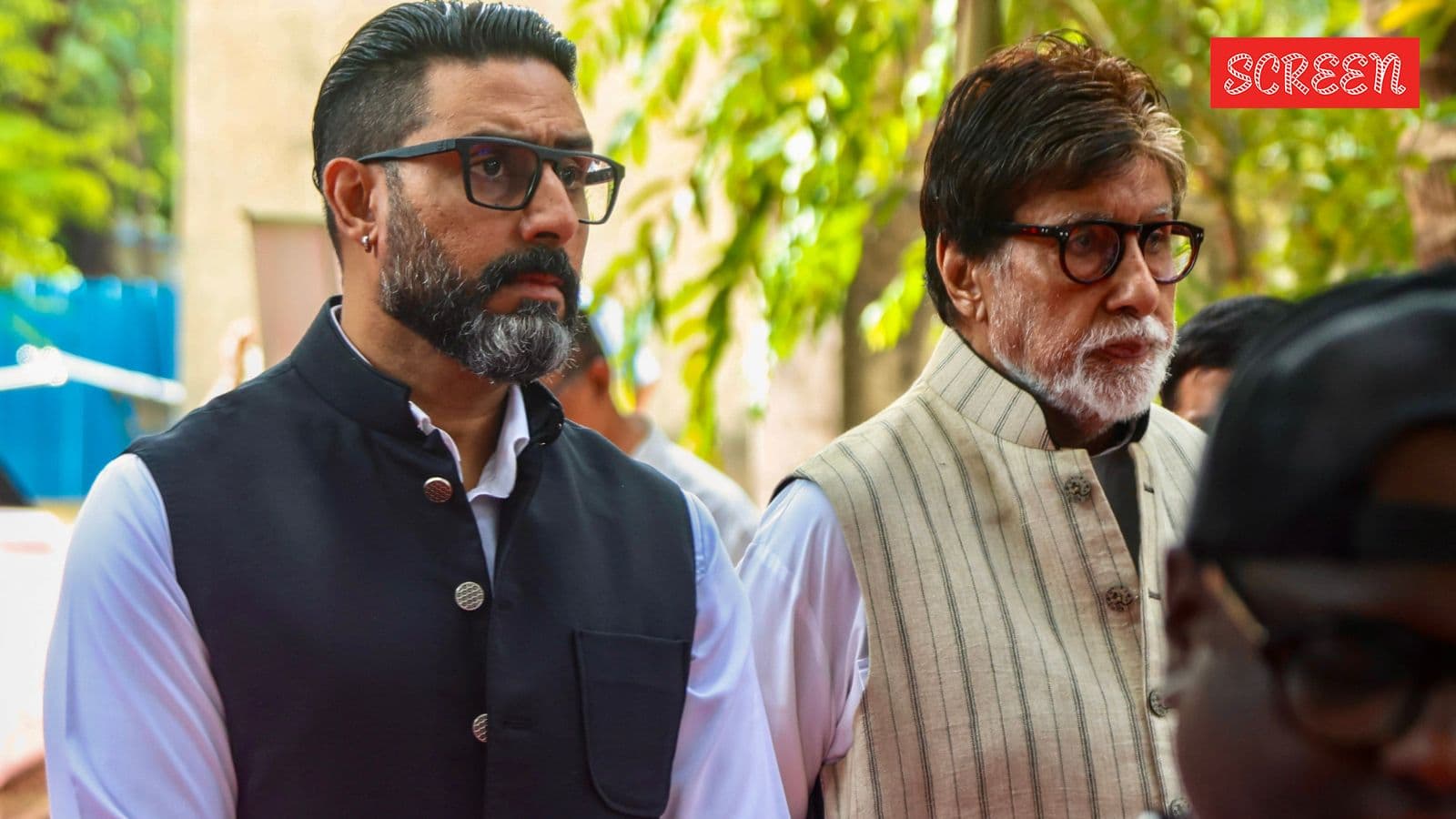
One of the biggest weddings in Bollywood took place in 2007 when Abhishek Bachchan and Aishwarya Rai Bachchan tied the knot in a lavish ceremony that captured the nation’s attention. While the celebrations were grand, the wedding also triggered one of the biggest media boycotts Bollywood had ever seen. The fallout reportedly began after photographers covering the event alleged that they were mistreated by security personnel linked to politician Amar Singh, a close friend of the Bachchan family. Hurt by the treatment they received, photographers collectively decided to stop clicking the Bachchans altogether.Recalling the incident, photographer Harshvardhan Pathak told Hindi Rush, “It was a huge wedding and a huge story. I have done photoshoots with him and share a great bond with him. But I started my career as a press photographer. As a freelancer, the more pictures I clicked, the more money I earned. During the wedding, the official photography contract had been given to one person, but we also needed pictures.”He added that the wedding coincided with the rise of paparazzi culture. “The wedding lasted four days. We would stand outside in queues, hide and try to take pictures. The bodyguards would throw pouches at the media. Forget food—even the way water was thrown at us felt disrespectful. We were deeply hurt. All the photographers discussed it internally and decided to boycott the Bachchan family. We didn’t click their pictures for an entire month.” ‘Amitabh Bachchan noticed the boycott a month later’ According to Pathak, the family did not immediately realise they were being boycotted. “About a month later, Amitabh Bachchan’s first media appearance was at the press show of Cheeni Kum. Around 12 photographers were present. But when he arrived, nobody called out to him or clicked his photographs. He walked past several times, but no one reacted. Eventually, journalists began asking us what had happened. When he came back, he sensed the unusual atmosphere, spoke briefly to Balki, looked at us, and went inside.” When Big B had to apologise to the paps Veteran celebrity photographer Varinder Chawla had previously shared a similar account. He told Hindi Rush, “I was stationed outside their house. We knew the spots from where we could get pictures, especially near the entrance. But a bus was parked there, completely blocking our view. When family members moved between their bungalows, Amar Singh’s security team became very aggressive. As media personnel tried to get a glimpse, they were attacked. Several photographers were injured.” The incident eventually snowballed into an unprecedented media ban. “I had never seen such a massive boycott. Everyone was banned—Amitabh ji, Jaya ji, Abhishek and Aishwarya. Whenever the Bachchan family attended events, photographers would place their cameras down or point them upwards as a mark of protest. If Amitabh Bachchan was called for a group photo, photographers would either click the person standing next to him or simply refuse to take his picture.” The standoff reportedly ended only after Amitabh Bachchan personally addressed the issue and apologised to photographers for the treatment meted out to them. Before this, Big B was banned for 15 years Interestingly, this was not the first time Amitabh Bachchan spoke about being boycotted by the media. In a 2017 blog post, the actor recalled a period during the Emergency era when he claimed sections of the press stopped covering him for years.Story continues below this ad “Nothing was ever printed or written about me. No coverage of my films or work. If I attended a function, photographers would put down their cameras and refuse to take a single picture. In film credits, for example in Nastik, it would read ‘Hema Malini, (,) and Pran.’ I was the comma.” The actor also cited what he considered another slight during the aw
At 12, I had the same after-school ritual every day: come home, spend an hour or two reading the newspaper, mix rice and bhindi (okra) in a bowl, and head up to the terrace. There, tucked under the shed, I would devour my favourite lunch.A few years later, I ditched the school autorickshaw and started cycling to school instead—a ride that took nearly an hour each way. Like every other desi mom, my mother would never let me step out of the house on an empty stomach. But with the morning rush of getting ready for school (and spending far too much time perfecting my puff hairstyle), breakfast was usually simple: a glass of milk sweetened with jaggery and a banana before I hopped on my bicycle and set off.It may sound silly, but most days we had simple, carb-heavy meals like every other Indian household, and only on weekends did we get a proper protein-packed, balanced lunch when my mum worked her magic in the kitchen and made chicken curry. Sunday lunches were usually either chicken or fish, since everyone was home together. Life felt happy because it was rich in carbohydrates. Despite a balanced diet being one of the most discussed topics in school, given my obsession with having a body like Jennifer Lopez, I never quite understood the importance of proper nutrition, and just having a protein-packed meal on weekends is not enough. It took the social media generation for me to realise the importance of protein and the wonders it does for the body. However, from protein cake and protein spaghetti to protein chips and more, everyday foods are now being rebranded through a protein lens. Digitally active users are increasingly bombarded with content that fixates on protein, with fitness creators and health experts frequently emphasising its importance. So much so that a simple “let’s have lunch” can quickly turn into a breakdown of protein counts on the plate. While these complex molecules are essential as the body’s fundamental building blocks, many millennials, Gen Z, and zillennials are reporting growing anxiety around not meeting their daily protein targets. This phenomenon, often referred to as “protein fatigue”, reflects a sense of exhaustion from the constant pressure to ensure every meal is heavily protein-focused, three times a day. Last month, Alia Bhatt resonated with the same sentiment. She reshared her sister Shaheen Bhatt’s Instagram story that read, “My favourite childhood memory is not ever having to think about protein.” Deepika Pranav, 29, talked about how the modern wellness environment has changed the way she thinks about food. Speaking to indianexpress.com, Deepika explained that the shift has created confusion rather than clarity as people find themselves overwhelmed by contradictory messages. “Some promote protein powders; others discourage them. Some say natural food is enough, while others suggest consuming a certain amount of protein in every meal,” she said.Story continues below this ad “Another challenge is that not everyone eats non-vegetarian food regularly, and although vegetarian foods also contain protein, people often hear that those foods come with more carbohydrates, which creates even more uncertainty,” Deepika added. This confusion is especially visible in everyday households. Even simple, traditional meals begin to feel inadequate when filtered through modern nutritional expectations. When nourishment turns into constant calculation Kajol Awon, 27, described modern nutrition content as mentally exhausting. Protein shakes, bars, coffees, and high-protein snacks dominate wellness media to the point where the word “healthy” feels increasingly like marketing rather than meaning. She explained that while protein is important, wellness is highly individual, something the internet often ignores. “I think social media has made wellness very DIY, with everyone trying trends without fully understanding their own body. I don’t completely discredit these sources of information, but I do think moderation an

Discussion (0)