
Loading dispatches...
← Return to NewsroomPolitics
APCRDA takes possession of land for Seed Access Road amid farmers’ protest

The Andhra Pradesh Capital Region Development Authority (APCRDA) on Saturday took possession of about 2.5 acres of land belonging to 10 farmers at five locations along the proposed Seed Access Road in Undavalli village, triggering tension as landowners resisted the move.The farmers alleged that the authorities had forcibly taken possession of their lands by deploying police personnel despite their repeated appeals to consider alternative alignments to protect their holdings. They said they were unwilling to part with their lands either under the Land Pooling Scheme (LPS) or the Land Acquisition and Rehabilitation (LAAR) Act, and accused the government of using force instead of addressing their concerns. Some of them also demanded higher compensation, contending that their lands commanded a much higher market value than other parcels in the region.The APCRDA, however, maintained that the remaining pockets of land had become a major obstacle to the completion of the Seed Access Road, which it described as the backbone of Amaravati’s road network. Officials said the pending parcels had stalled progress on the key infrastructure project being developed as part of the capital city spread across nearly 50,000 acres, including more than 33,000 acres voluntarily contributed by farmers from 29 villages during the first phase of the Land Pooling Scheme.During a recent inspection of Amaravati infrastructure works, Minister for Municipal Administration and Urban Development P. Narayana had said that the government was prepared to secure the remaining lands either through the LPS or under the LAAR Act from farmers who were refusing to part with their holdings.According to APCRDA officials, the land taken into possession belonged to Dandamudi Sambasiva Rao (0.595 acres in Survey Nos. 22-C2 and 22-A1), Gade Hanumantha Rao Naidu (0.28 acres in Survey No. 28-B1), Gurrala Gopal (0.30 acres in Survey No. 238-1), Gurrala Sai Chittibabu (0.38 acres in Survey No. 238-1), Meka Vijay Kumar Reddy (0.08 acres in Survey No. 262-A2B), Singamsetti Anupama (0.43 acres in Survey No. 266-2B), Polishetty Sambasiva Rao (0.35 acres in Survey No. 268-2B/3B), Mannem Keshava Narayana Reddy (0.01 acres in Survey No. 26-A3B), Sandu Pedda Basavayya (0.13 acres in Survey No. 239-1) and Sandu Chinna Basavayya (0.25 acres in Survey No. 239-1). Officials said these parcels constituted the remaining land required for the completion of the Seed Access Road project. Published - July 11, 2026 11:21 pm IST
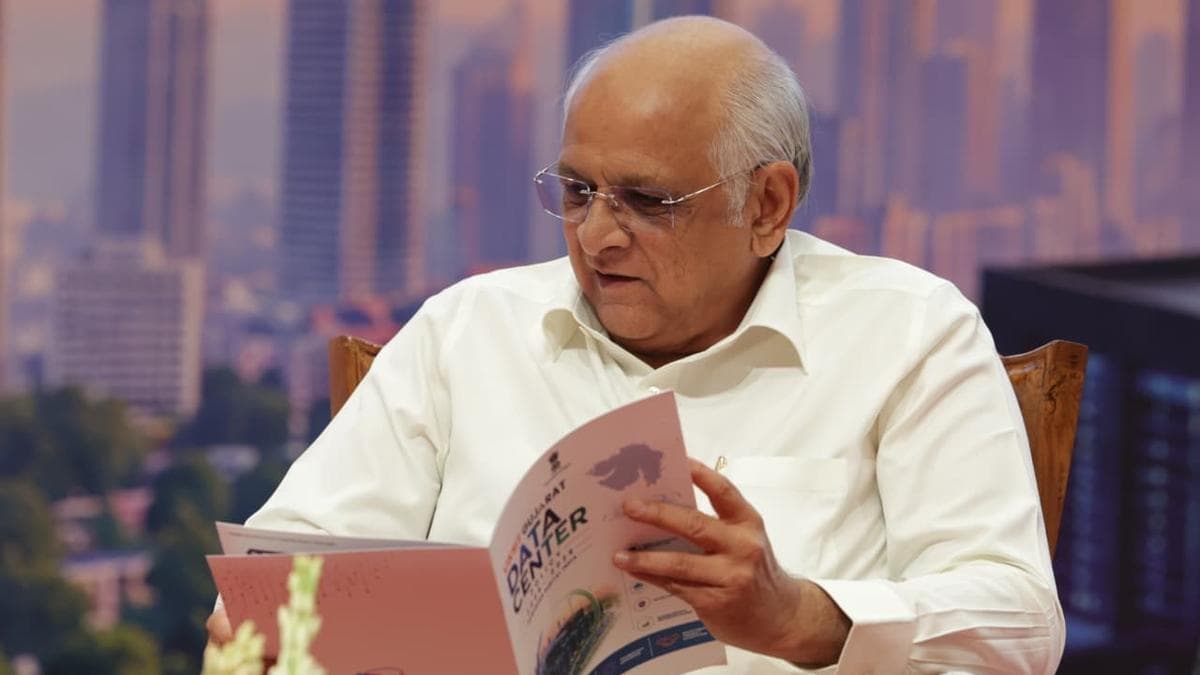
The story so far: When the Gujarat Government unveiled its first-ever Data Centre Policy (2026-2029), it did more than announce a new industrial policy but signalled its ambition to enter one of the fastest-growing segments of the global digital economy by becoming the first State in India to bring a policy.The State hopes to attract investments worth ₹6 lakh crore and build 7.5 GW of data centre capacity over the next few years, positioning itself alongside established hubs such as Maharashtra, Tamil Nadu and Telangana. It also shows a larger trend unfolding across the country: that States are no longer competing only for factories, IT companies, ports or automobile plants. They are now competing to host the digital infrastructure that powers everything from artificial intelligence (AI) to online banking.The policy, launched by Chief Minister Bhupendra Patel, offers a wide range of fiscal and non-fiscal incentives, including capital subsidy, interest subsidy, power tariff support, reimbursement of State GST (SGST), exemption from stamp duty and registration charges, and financial assistance for captive desalination plants to meet the sector’s high water requirements.The government said the policy has been designed to capitalise on the rapid growth of AI, cloud computing, digital payments, e-commerce, electronics manufacturing and other data-intensive sectors, while strengthening Gujarat’s position in India’s digital economy.What exactly is a data centre?A data centre is, in simple terms, the physical home of the internet. It is a highly secure building filled with thousands of servers, networking equipment and storage systems that process, store and transmit digital information. Every online activity, such as sending a WhatsApp message, making a UPI payment, streaming a film on Netflix, storing photographs on Google Drive, shopping on Amazon or interacting with an AI, depends on data travelling through these facilities.Unlike the office server rooms, modern data centres are massive industrial-scale facilities designed to operate around the clock with virtually no interruption. They require continuous electricity, high-speed fibre connectivity, sophisticated cooling systems and multiple layers of backup infrastructure to ensure that services remain available every second of the day.Why do they need a policy?State Chief Secretary M.K. Das claimed that Gujarat became the first state to bring this policy. However, at least 15-16 States, such as Telangana, Andhra Pradesh and West Bengal, now have their own dedicated data centre policy (or an IT/ITES policy that specifically covers data centres).A dedicated policy gives certainty to investors on issues like guaranteeing uninterrupted electricity for decades, providing reliable water supplies, ensuring multiple high-speed fibre routes, offering quick regulatory approvals and making land available for future expansion while also spelling out financial incentives that reduce the cost of establishing large facilities and attract more investors. They are not like other heavy industries, which are only looking for land and tax concessions.Why is Gujarat interested?Science and Technology Secretary P. Bharati said that while India generates nearly 20% of the world’s data, it accounts for only about 3% of global data centre capacity, while the United States and China together hold about 70 per cent of worldwide capacity.For Gujarat, the policy fits into a broader strategy of expanding beyond its traditional strengths in manufacturing, ports and petrochemicals.The State already has one of India’s strongest renewable energy sectors, particularly in solar and wind power, alongside industrial hubs such as Dholera and GIFT City. Since electricity accounts for a substantial share of a data centre’s operating costs, access to renewable power has become an important attraction for global technology companies seeking to reduce their carbon footprint. The State also offers extensive industrial land

In Chennai alone, women have been availing themselves of free travel on 1,500 ordinary-fare buses, according to a senior official of the Metropolitan Transport Corporation. | Metropolitan Transport Corporation (MTC) buses sported ‘Magalir Payanam’ boards on Thursday. The word, ‘Vidiyal’, has been removed from the ordinary-fare buses meant for the scheme.A senior official of the Transport Department said the MTC branch managers had been instructed to implement the name change across all the ordinary-fare buses.After assuming office on May 7, 2021, the M.K. Stalin-led DMK government implemented ‘Vidiyal Payanam’ for women to travel free on white-board buses. The scheme covered more than 7,300 ordinary-fare buses out of the 9,000 city buses operated by the State Transport Corporations. In Chennai alone, women have been availing themselves of free travel on 1,500 ordinary-fare buses, a senior official of the MTC said.Meanwhile, DMK leader and former Minister Thangam Thennarasu wrote on X, “You can change the name; but history cannot be changed.”In his post, he said that renaming the ‘Mahalir Vidiyal Payanam’ scheme, which had brought about a significant change in the lives of women, was not an administrative measure meant for public welfare; it was merely an attempt to erase political identities. The success of a scheme would not be determined by its name; it would be determined by the progress it had brought about in the lives of the people. The time and energy spent on name changes should be invested in new schemes to improve the people’s livelihood and strengthening services, he added. Published - July 09, 2026 09:25 pm IST

The stampede, which claimed 41 lives, occurred during a rally addressed by TVK chief C. Joseph Vijay on September 27, 2025 | Moorthy The two Communist parties — the CPI and the CPI(M) — which are extending outside support to the C. Joseph Vijay-led Tamilaga Vettri Kazhagam (TVK) government, have strongly opposed the latter’s decision to offer government jobs to family members of those killed in a stampede at a TVK party’s rally addressed by Mr. Vijay on September 27 last year.“Providing government jobs to the families of those who died in a stampede at a political party meeting will set a bad precedent. History will record it as misuse of power, and it will create pressure on future governments to follow the same practice,” senior CPI leader and Tiruppur Lok Sabha MP K. Subbarayan said.CPI(M) State secretary P. Shanmugam said that with an inquiry into the stampede under way and the matter pending before the court, the decision to offer government jobs could weaken the legal process. “It will naturally raise the question of whether the TVK government is using its authority to provide government employment to the families of those who died at a TVK rally. The government may facilitate employment in private organisations, but offering government jobs is an entirely different matter,” he said in a social media post.Need for policyMr. Shanmugam said the government should frame a comprehensive policy governing employment for family members of people who die under various circumstances. “Until such guidelines are evolved, the government should withdraw the announcement,” he said.Mr. Subbarayan said the responsibility for compensating the victims’ families rests with the political party concerned, and that the TVK has the means to do so.“The party cannot evade its responsibility by shifting the burden onto the government. The TVK should reflect on this,” he said. Published - July 09, 2026 05:29 pm IST

A division bench of Justices A.Y. Kogje and Samir Dave rejected all appeals against the order of the Lower Court and upheld its verdict. File. | A Division Bench of Justices A.Y. Kogje and Samir Dave dismissed all appeals filed by the convicts against the special court’s February 2022 judgment and confirmed the sentences. The Bench also accepted the State government’s plea seeking confirmation of the death sentences.The High Court directed the State government to pay compensation of ₹10 lakh to the next of kin of each person killed in the blasts and ₹5 lakh to those who sustained grievous injuries. The compensation is to be disbursed before March 30, 2027.The February 2022 judgment by the special court was the first instance of an Indian court awarding the death penalty to 38 convicts in a single case.On July 26, 2008, 21 serial bomb blasts ripped through different parts of Ahmedabad within a span of 70 minutes, killing 56 people and injuring more than 200 others. Explosions also occurred at hospitals where victims from earlier blast sites had been taken for treatment, marking the first known instance of hospitals being targeted in a terror attack in India.The investigation culminated in a joint trial after 35 cases were clubbed together, including 20 FIRs registered in Ahmedabad in connection with the 21 explosions and 15 cases from Surat, where several improvised explosive devices had been planted but failed to explode.A total of 78 persons stood trial before the special court, of whom 49 were convicted in February 2022. The convicts include former Student Islamic Movement of India (SIMI) leader Safdar Nagori and several of his associates from Gujarat, Madhya Pradesh, Kerala, Uttar Pradesh and other States.Special Public Prosecutor Amit Patel said the State had placed all evidence against the accused before the High Court. He said the court heard the matter extensively for more than one-and-a-half years, with day-to-day hearings being conducted from February this year before reserving its verdict.The February 2022 verdict remains the first occasion on which 38 convicts were awarded the death penalty in a single judgment.“Today, the Gujarat High Court delivered one of India’s strongest and most historic verdicts: near-total conviction, maximum punishment upheld for the guilty,” said Gujarat Deputy Chief Minister Harsh Sanghavi.Mr. Sanghavi, who also holds the Home Department portfolio, said the judgment was not only significant for Ahmedabad and Gujarat but also sent a strong message to the entire country and peace-loving nations across the world that terrorism would not be tolerated.Calling it one of the biggest legal victories against terrorism and a landmark judgment in India’s judicial history, he thanked the Gujarat High Court, the trial court and the investigating agencies on behalf of the people of Gujarat for their efforts in securing the convictions. He said the investigation team had worked tirelessly over the years without any legal lapses or compromise, making the verdict possible.“Justice had finally been delivered to the victims, their families and the people of Gujarat after years of legal proceedings,” he said.“This judgment reaffirms that there was no place for terrorism or anti-national activities in India and that the verdict will stand as a milestone in the country’s fight against terror,” the Deputy CM said.Referring to the High Court’s direction to compensate victims, he said the Gujarat government under Chief Minister Bhupendra Patel would immediately implement the order by providing ₹10 lakh to the families of th
A staggering 18,733 POCSO cases are pending in various courts across the 38 districts in Tamil Nadu, as of June 2026. But the pendency is merely the proverbial tip of the iceberg; the whole problem also includes patchy support services for children who opt to go through the procedural justice system.Among the courts with the highest pendency of cases are the POCSO Court in Madurai with 1,000 cases unresolved; Tiruppur’s Fast Track Mahila Court with 790 pending cases; Chennai’s POCSO Court with 747 cases; and Tenkasi Principal District Court with 702 cases. In 2019, the Supreme Court directed that in any judicial district where more than 100 cases are pending under the POCSO Act, an exclusive, designated special court must be set up to try only these offences. In 37 of the 38 districts in Tamil Nadu, the pending cases number over 100, but there are only 20 POCSO courts.In 2023, the Registrar of the Madras High Court sent a proposal to the State government to start eight special courts exclusively for POCSO cases — one each in Erode, Krishnagiri, Namakkal, The Nilgiris, Ramanathapuram, Tiruchi, Tiruvarur, and Tiruppur.“These courts have still not come up,” says Vidya Reddy of Tulir-CPCHSA. It seems all the starker if you juxtapose it against the pendency of cases in the courts. In the Juvenile Justice Boards, which also hear POCSO cases, daily hearings are held only in Chennai. In the other districts, they are held once or twice a week, and POCSO cases are heard in addition to other cases.But according to Ms. Reddy, it is not just the pendency that is worrisome. “Once the complaint is registered, the child enters a lengthy process that will lead them to a verdict. While this can be traumatising for the child, the law puts in place several aspects that could make the process smoother. If the question is: is the bouquet of social sector interventions to assist procedural justice being implemented well, the answer is no,” she says.Social sector support to the child includes assistance in filing a complaint, including translators or interpreters. Once the police are notified, they are meant to record the complaint and register an FIR, with the assigned police officer recording the statement of the child at his or her home or any location where the child feels comfortable. POCSO cases can even be filed online, but whether these cases are numbered is another question activists raise.The child must undergo a medical examination within 24 hours, and is entitled to a copy of the report; but in practice, the family seldom gets one, Ms. Reddy claims.The Child Welfare Committee is required to appoint a support person (SP) for each case; but how many children actually have one today? In a case that was registered earlier this month, since the support persons were appointed late, the child presented late for abortion at 24 weeks, and needed to hustle to get an order to terminate the pregnancy. Had there been an SP, the child could have gone for an abortion earlier, she says.An official of the Social Welfare Department says the government has empanelled SPs at the district level. “We are also coming up with an SOP for SP to facilitate appointment for all survivors. These new guidelines will not only help in streamlining the appointment of SPs, but also help the district administration monitor the progress of each case in the court, and address the needs of survivors and their families, if any.”After an FIR is filed, the child is entitled immediately to Special Relief, an amount to help the family tide over the emergency. This is never granted, and awareness about this provision is very poor, while the disbursal of the interim relief amount later has been streamlined, Ms. Reddy says. In a recent case of rape of a child, her mother had to pawn her jewellery to take care of the immediate expenses.The police must complete the probe and file a chargesheet within 90 days. Appreciably, they have, by and large, ensured that the chargesheet in most cas
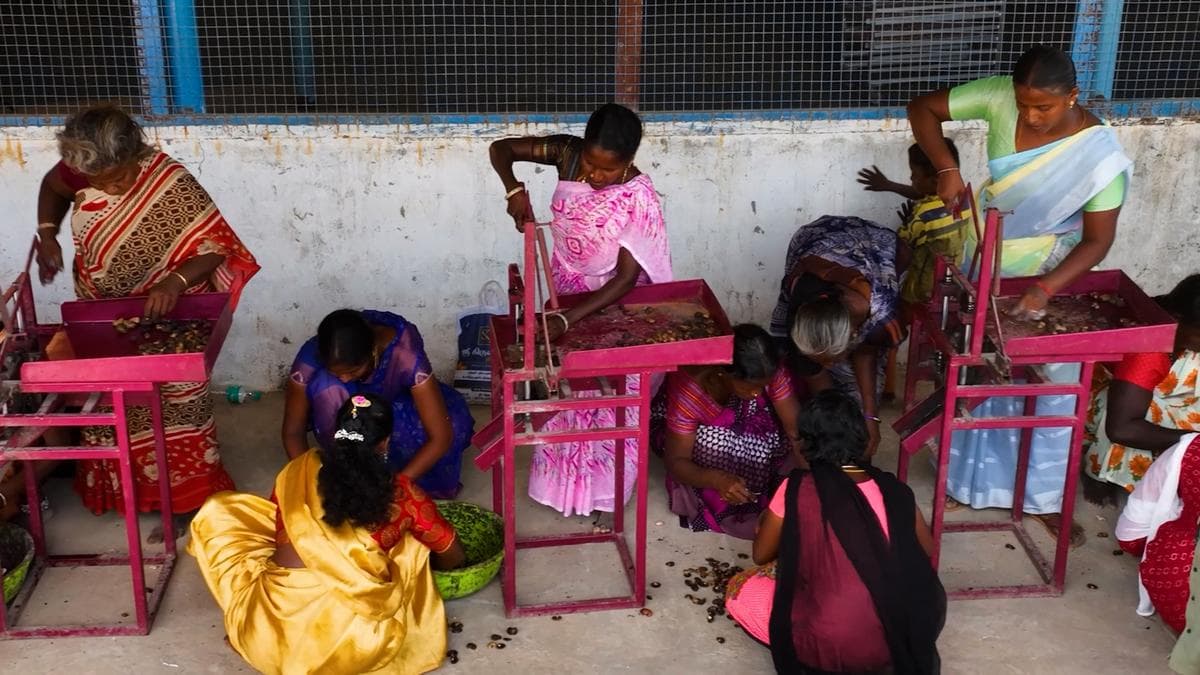
The Directorate of Cashew Research, Puttur, in Karnataka trained the Irula people in plantation management, pest control, and scientific harvesting practices. | Officials of the Tribal Welfare Department said Irula families living in 15 villages across the Jayankondam, Udayarpalayam, and Andimadam regions traditionally depended on seasonal jobs such as wild honey collection and other low-paid occupations, with little access to stable employment. To address this, the Tribal Welfare Department joined hands with the Forest Department to enable them to directly participate in cashew cultivation and marketing.“For several years, cashew plantations managed by the Tamil Nadu Forest Plantation Corporation Limited (TAFCORN) remained inaccessible to tribal communities because participation in public auctions required a substantial Earnest Money Deposit (EMD). To overcome this barrier, the Tribal Welfare Department facilitated financial support of ₹86 lakh under the Tholkudi Livelihood Scheme, enabling the allotment of 549.21 hectares of cashew plantations to Irula tribal welfare societies in 2022 for a five-year lease,” an official said.Under the initiative, members of the Irula tribal welfare societies received training in plantation management, pest control, and scientific harvesting practices from experts at the Directorate of Cashew Research, Puttur, in Karnataka.G. Ramesh of Vettiyarvettu village said the initiative had been extremely beneficial. “Earlier, we used to depend only on daily wage work. Now, with the government’s support, we have leased the land by paying for it and are cultivating it ourselves. We now feel like owners rather than labourers,” he said. D. Annadurai of Sozhankurichi village said: “Earlier, we used to work only as agricultural labourers, and the income was not stable. But now, this provides us with stable employment for four months apart from the net profit.”During the 2025-26 season, they harvested 96,400 kg of raw cashew nuts. By marketing the produce directly to wholesale buyers and sending the remaining produce to the modern cashew processing facility and marketing centre at Koovagam village, where 164 tribal women are employed, they generated revenue of ₹1.37 crore and a net profit of ₹45.48 lakh. The earnings translated into an average net income of nearly ₹19,800 per participating family. Apart from their share of the net profit, each member of the society received a daily wage of ₹350 for four months during the harvesting season, which runs from January to April, official sources said. The State government is also planning to establish another cashew processing unit in the district, they added.Supriya Sahu, Additional Chief Secretary, Environment, Climate Change and Forests, said: “It is a transformational initiative and a collective effort of the people and government departments. Empowerment cannot be achieved in isolation; it has to be synergistic. The members of the society have also undergone the best training programmes. There is a fantastic opportunity to scale up such an initiative.” Published - July 05, 2026 11:20 pm IST
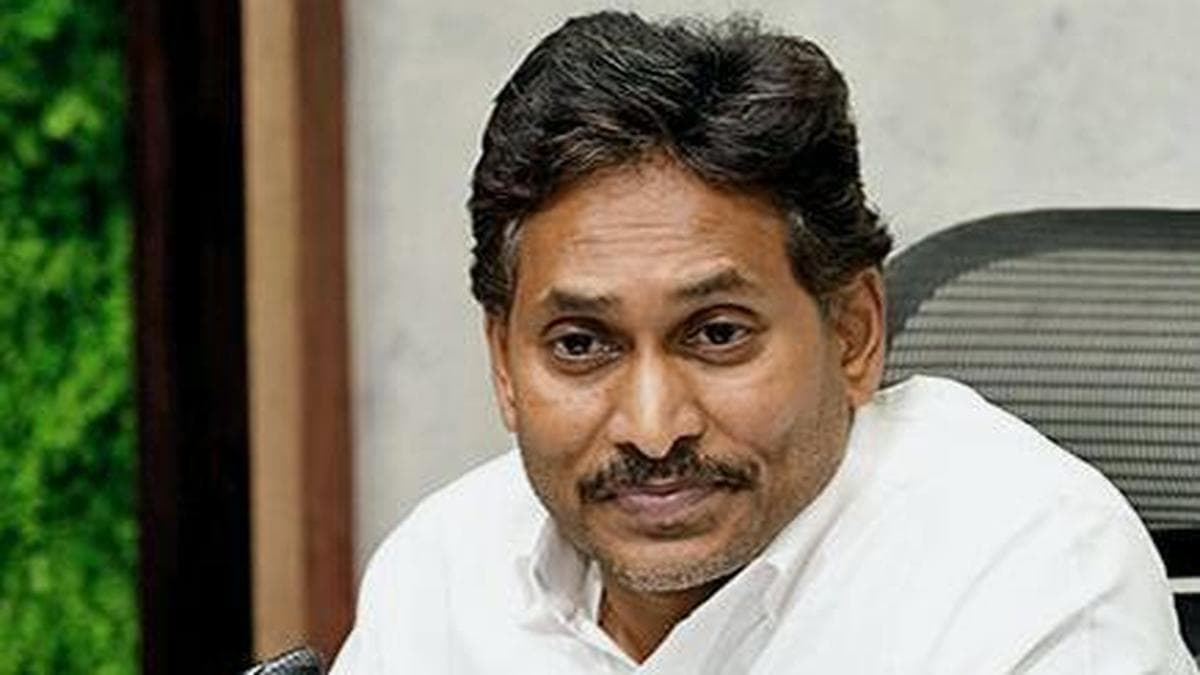
YSRCP president Y.S. Jagan Mohan Reddy. | S. Jagan Mohan Reddy on Sunday alleged that the TDP-led coalition government was misusing the State's police machinery to suppress political dissent, while failing to effectively address crimes affecting ordinary citizens.In a post on X, Mr. Jagan Mohan Reddy alleged that the government had created a “dangerous culture” in which those questioning the administration on social media were being subjected to criminal cases, arrests, custodial torture and stringent legal provisions, while investigations into crimes against women, missing children and other serious offences were allegedly neglected.Referring to several recent incidents, he cited the alleged missing of a young girl from Kakinada district, the alleged sexual assault of a mentally challenged girl in Peddapuram, the alleged assault on a tribal woman in Kavali, the Sai Krishna lock-up death case, the Kranti Kumar suicide case, and the alleged custodial deaths of Gangamma and Tirupatamma.The YSRCP chief claimed that these incidents reflected deterioration in law enforcement and questioned the government's commitment to public safety and justice.The former Chief Minister also alleged that the government was invoking harsh, non-bailable criminal provisions against social media activists and government critics, while attempting to link such cases to organised crime.He criticised the arrest of YouTube journalist K.V. Reddy and alleged procedural violations in the case, besides accusing the government of targeting another YouTuber, Joseph Raavan, through multiple criminal cases despite his obtaining bail.Mr. Jagan Mohan Reddy further alleged that the government was using diversionary tactics to deflect public attention from issues relating to law and order. He accused the ruling dispensation of encouraging political policing and undermining democratic values by intimidating critics instead of responding to public concerns.Calling for policing in accordance with the Constitution, he said Andhra Pradesh required a government that ensured the safety and security of its citizens, protected constitutional rights and guaranteed equal treatment before the law. Published - July 05, 2026 08:56 pm IST
The Telangana government has constituted a high-level Special Committee to investigate the alleged irregularities in the Dharani and Bhu Bharati land record portals, identify those responsible, recommend stringent action against those involved and suggest measures to prevent similar incidents in future.In a statement on Wednesday, Revenue Secretary D.S. Lokesh Kumar said the committee had been directed to submit its report within 15 days, following which the government would initiate further action. He asserted that the government would not compromise on the security, integrity and transparency of land records under any circumstances.The committee comprises Medchal-Malkajgiri Collector Mikkilineni Manu Choudary, Sangareddy Collector Prateek Jain, IT and Communications Department Joint Secretary Anudeep Durishetty, Telangana Cyber Security Bureau officer Harsha Vardhan (IPS), CMRO Project Director Apurv Chauhan, ITDA Utnoor Project Officer Manda Makarandu, Telangana CIB Cyber Crimes DSP A. Sampath, Registration and Stamps Department DIG M. Subhashini and National Informatics Centre (NIC) Senior Director (IT) A. Srinivasa Subba Rao.Stating that the government is treating the issue with utmost seriousness, Mr. Lokesh Kumar said Revenue Minister Ponguleti Srinivasa Reddy conducted an extensive review meeting at the Secretariat on Wednesday to assess the progress of the ongoing forensic audit of the Dharani portal.During the review, several concerning findings were brought to the Minister’s notice. According to the Revenue Secretary, the forensic audit revealed inherent security vulnerabilities in the Dharani portal’s system architecture, which were allegedly exploited by vested interests to make unauthorised entries through certain modules.He said the Bhu Bharati portal, developed by the National Informatics Centre (NIC), was also found to be vulnerable as it follows a technology architecture similar to that of Dharani. The government suspects that some of the individuals who had earlier developed modules for the Dharani portal may also be linked to the irregularities.On the directions of the Revenue Minister, the National Informatics Centre has been asked to develop a completely new system architecture incorporating the highest security standards to safeguard land records and prevent future breaches.The Congress government ordered a forensic audit of all transactions carried out through the Dharani portal to determine the extent of alleged irregularities in land transactions over the past few years during the BRS government. Published - July 01, 2026 11:24 pm IST
A day after the announcement by Adani Ports and Special Economic Zone Limited (APSEZ) that the Switzerland-based Mediterranean Shipping Company (MSC) Group will acquire a 49% stake in Adani Vizhinjam Port Private Limited (AVPPL), the concessionaire and operating company for the Vizhinjam International Seaport, the State government on Wednesday made it clear that its approval was required for share transfer under the MSC-Adani agreement.Replying to a submission by Leader of the Opposition Pinarayi Vijayan in the Assembly, Chief Minister V.D. Satheesan said the proposed acquisition of a stake in the AVPPL by MSC had come to the attention of the government through media reports. Adani port authorities had not initiated any correspondence or communication with the government in this regard.“As per Clause 5.3 of the concession agreement, it is clearly stated that the concessionaire shall not undertake or permit any change in ownership except with the prior approval of the authority. Here, the authority refers to the Government of Kerala. Since the authority is the government, no change in ownership can be made without the prior approval of the Kerala government,” Mr. Satheesan said.“Further, according to the Companies Act, a change in ownership can be implemented only if more than 75% of the shares are transferred. However, under the concession agreement signed between the State government and Adani, a change in ownership is deemed to occur if 25% or more of the shares are transferred,” he said.Mr. Satheesan said even then, such a change cannot be implemented without the approval of the Kerala government. It had not yet approached the State government with any such proposal. “We will examine it when it comes before the Kerala government for consideration,” he said.As the Leader of the Opposition pointed out, there were certain concerns that need to be addressed, he added. First of all, the port had strategic importance from the perspective of national security. The approval of the Union Home Ministry and the Union Shipping Ministry was also required, apart from the approval of the State government.Secondly, public interest was an important consideration. From the perspective of public interest, it cannot be termed as a major issue. There should be a common user facility at the port. Under no circumstances should this company enjoy a monopoly there. The port should function as a common user facility for all users without discrimination, he said.“This company is not merely a financial investor; it is the largest container shipping company in the world. We need to examine how it intends to use the port,” he said.“The government will primarily ensure five things. First is national security. Second is the protection of public interest. Third, fair competition must be ensured. Fourth is investment promotion by maintaining an investment-friendly environment for all players. Fifth is the long-term development of the Vizhinjam port.”He said activities outside the port should also be examined carefully. The interests of the State’s revenue must also be taken into account. The government would consider granting approval only after examining all these aspects.According to the announcement made by Adani on Tuesday, MSC will acquire a 49% stake in the Vizhinjam port company for $1.397 billion (around ₹13,220 crore). MSC will make the investment through its container terminal operating and investment arm TiL. The APSEZ and TiL have entered into an agreement, and the transaction is subject to customary approvals, including regulatory approvals, according to the port company. Published - July 01, 2026 08:55 pm IST

Discussion (0)