
Loading dispatches...
← Return to Newsroomgeneral
Badshah says watching his parents grow old is painful; psychologist explains why
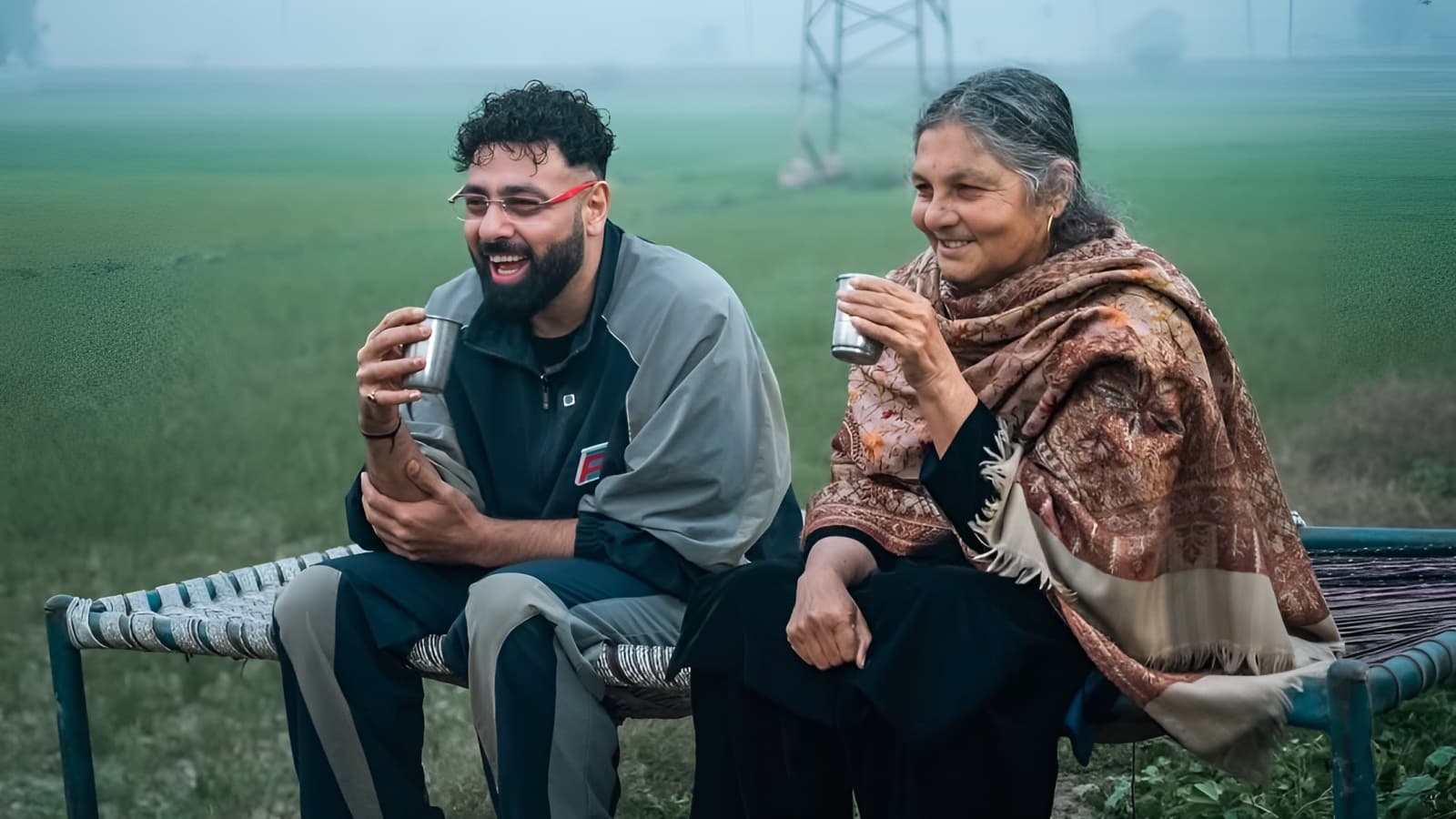
New DelhiJun 27, 2026 02:58 PM IST Watching our parents grow old is something we know will happen one day. Yet when it starts unfolding before us, it can feel surprisingly painful. Rapper Badshah recently spoke about this often-unspoken experience during an appearance on Chai with T, describing the emotional shift that comes with seeing parents age. “It’s painful,” he said. “Aapko bahut bura lagta hai jab aap dekhte ho ki aapke papa aapko daant nahi rahe” (It feels terrible when you realise your father is no longer scolding you), he shared.Reflecting on how his perspective has changed with age, Badshah added, as children, we wondered why our parents scolded us; now it feels strange that they don’t anymore. Similarly, when parents begin seeking advice from their children or start relying on them in ways they never did before, the feeling is new. Recalling conversations with his mother, he said she now asks, “Do minute free hai?” (Are you free for two minutes?). “Darawani cheez hai bahut” (It’s a very scary thing), he admitted. DISCLAIMER: This article is based on information from the public domain and/or the experts we spoke to. Always consult your health practitioner before starting any routine. Why does watching parents age hurt so much? According to Saikishore, Clinical Psychologist at Aster Whitefield Hospital, the pain is deeply rooted in the way we view our parents throughout childhood. “From childhood, we build our entire sense of safety and identity around the image of our parents as strong, certain, and in control. When that image slowly begins to shift — when they start asking us for advice, seeking our reassurance, or simply saying ‘do you have two minutes?’ before calling — it triggers a quiet but profound disruption inside us,” he explains.Story continues below this ad The difficult part is that what we feel during this transition is rarely just sadness. “What we experience in that moment is not one emotion but several tangled together — sadness, fear, guilt, tenderness, and a kind of grief that is hard to explain because the person we are grieving is still right in front of us,” says Saikishore. Psychologists call this “ambiguous loss” — grieving someone who is physically present but gradually changing before our eyes. The experience can also force us to confront something many of us spend years avoiding: the realisation that our parents are mortal. According to the expert, this awareness quietly reminds us of our own mortality too, making the experience even more emotionally complex.Story continues below this ad Interestingly, one of the most powerful parts of Badshah’s reflection was his longing for the scoldings he once disliked. “The ‘telling off’ he endured and maybe even disobeyed stood, without his knowledge, as a metaphor of parental power, security, and unconditional affection. Not having it doesn’t feel like liberation; it feels more like losing something precious,” says Saikishore. As painful as parental ageing can be, it can also transform relationships. The expert notes that many parent-child bonds eventually evolve into more equal relationships, where love is no longer assumed but consciously expressed. “The uneasiness we experience is not a signal of weakness. In fact, it is the most unmistakable indication of the extent to which we have been bonded, and how much our parents have always been significant to us,” he says.Story continues below this ad Perhaps that’s why Badshah’s words resonated with so many people. They capture a truth many adults eventually learn: while growing older is inevitable, the time we have with our parents is not. Badshah has been trending on Google for the past 24 hours DISCLAIMER: This article is based on information from the public domain and/or the experts we spoke to. Always consult your health practitioner before starting any routine.
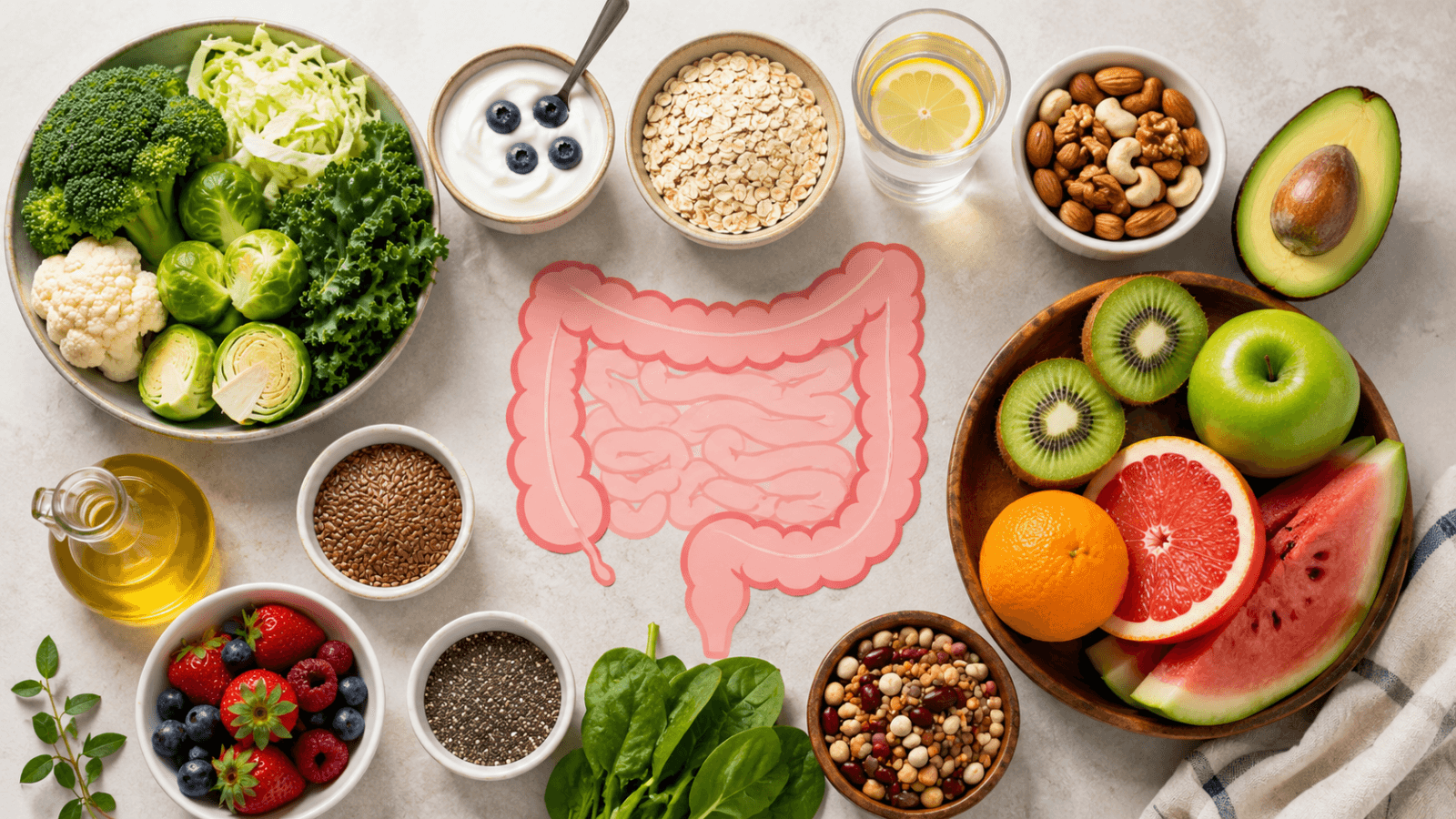
What should you eat for a healthier colon? A recent Instagram post by US-based gastroenterologist Dr Joseph Salhab attempted to answer that question. Sharing the foods he personally eats as someone who sees colon cancer regularly in his practice, the doctor highlighted everything from cruciferous vegetables and yoghurt to nuts, fruits, and avocados.“This does not mean one food prevents cancer by itself, and food is not a replacement for colonoscopy or colorectal cancer screening — but these foods have been associated with colon health, gut health, fiber intake, and colorectal cancer risk in studies,” he captioned the post.While experts agree that no single food can prevent colon cancer, many of the items on his list have been linked to better gut health and may help lower colorectal cancer risk as part of an overall healthy lifestyle. Let’s find out more below. DISCLAIMER: This article is based on information from the public domain and/or the experts we spoke to. Always consult your health practitioner before starting any routine. 1. Cruciferous vegetables Broccoli, cabbage, cauliflower, kale, and Brussels sprouts top Dr Salhab’s list. He says eating at least half a cup daily may help lower colon cancer risk. “Cruciferous vegetables such as broccoli, cabbage, and cauliflower contain beneficial plant compounds,” Dr Romeeta Trehan, Senior Consultant-Radiation Oncology, Paras Health, Panchkula, tells indianexpress.com. These vegetables are among the most studied foods when it comes to colon health because they contain beneficial plant compounds and bioactive compounds that have been researched for their potential protective effects against cancer. 2. Yoghurt and oats The gastroenterologist starts every morning with yogurt and oats. The combination provides both probiotics and fibre. While yogurt helps maintain a healthy balance of gut bacteria, oats provide soluble fibre that supports digestion and promotes regular bowel movements. Fibre, in particular, has consistently been associated with better gut and colon health.Story continues below this ad 3. Tree nuts Most common varieties of tree nuts include almonds, Brazil nuts, cashews, hazelnuts (filberts), macadamia nuts, pecans, pine nuts, pistachios, and walnut (Ai generated image).Dr Salhab says research has shown benefits even after a colon cancer diagnosis, which is why he includes tree nuts in his diet regularly. As per experts, tree nuts indeed provide healthy fats, fibre, and antioxidants, nutrients that contribute to overall digestive wellness and are often part of healthy eating patterns linked to better long-term health. 4. Kiwi, watermelon, citrus fruits, and apples These fruits also feature prominently on the doctor’s list. That’s because they provide vitamins, hydration, fibre, and plant compounds that support digestive health. Apples deserve a special mention because they contain pectin, a type of fibre that helps nourish beneficial gut bacteria and supports bowel regularity. 5. Avocados Avocados are another staple in Dr Salhab’s diet. Rich in fibre and healthy fats, they help support normal bowel function. The gastroenterologist also points to research suggesting avocados may help improve gut bacterial diversity, an important marker of gut health.Story continues below this ad Avocados are also rich in fiber and nutrients that help maintain a healthy gut environment: Dr. Manoj Yadav, Consultant – Gastroenterology Sarvodaya Hospital Sector-8, Faridabad (Image: Pexels) So, can these foods really prevent colon cancer? Not on their own. “While these foods can be valuable additions to a healthy diet, no single food can prevent colon cancer on its own,” Dr Trehan clarifies. Instead, experts recommend focusing on an overall healthy lifestyle rather than any individual “superfood.” “The greatest benefit comes from following an overall healthy dietary pattern rich in fruits, vegetables, whole grains, and fiber while limiting processed foods and red meat,” says Dr Manoj Yad
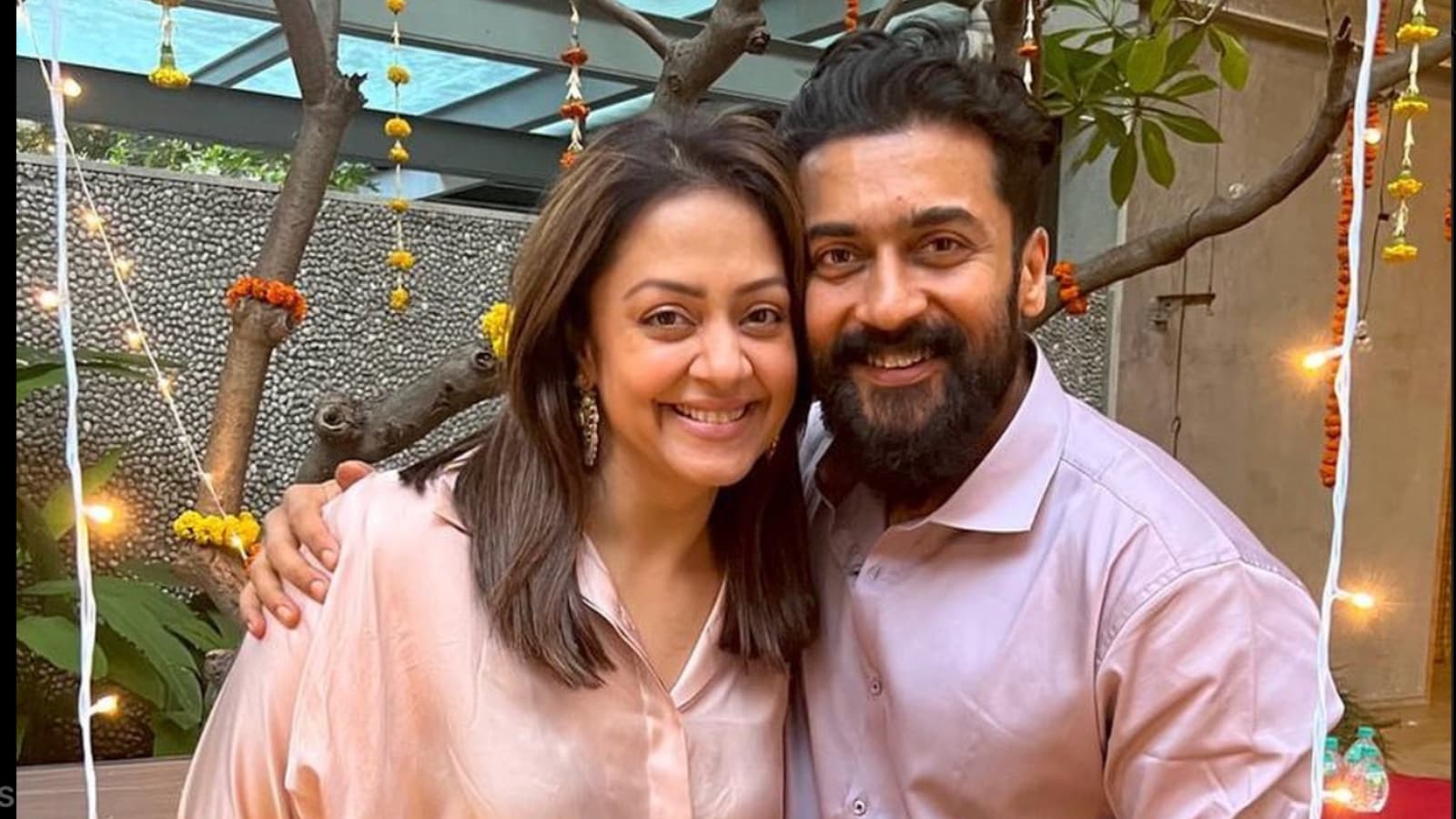
New DelhiJun 26, 2026 05:56 PM IST Jyotika once spoke about her traditional outlook towards life, inspired by her marriage to actor Suriya. The System actor told Galatta.com in 2024, “Suriya’s family is very real, very down to Earth, and still follows the village traditions. In general, the atmosphere in the South is more grounded and traditional. I kept watching them, and you become a part of the culture and tradition. I am more of a South Indian at heart. I sleep by 9.30 pm, and I am up at 6 am. It’s just gotten into my blood. All your humility comes from the people around you and what you learn from life. I have largely learnt a lot from Suriya’s family.” DISCLAIMER: This article is based on information from the public domain and/or the experts we spoke to. Always consult your health practitioner before starting any routine.Intrigued by her take on having a routine, we asked an expert about the benefits of how important it is. Dr Aniruddha More, consultant neurologist, Jupiter Hospital, Thane, said that sleep is not just rest for the brain; it is active maintenance. “During sleep, the brain clears metabolic waste, consolidates memory, regulates emotions, and restores neural networks. A regular sleep-and-wake schedule helps keep the body clock, or circadian rhythm, in sync. People who stick to consistent sleep times often report better focus, mood, and energy throughout the day,” said Dr More. What’s your wake-up routine like? (Photo: Freepik)Does waking up early have unique health benefits? Waking up early is only beneficial if a person gets enough sleep. “The real goal is not waking up at 5 am or 6 am, but ensuring 7 to 9 hours of quality sleep. You cannot make up for sleep deprivation by simply waking up early. What matters most is consistency and adequate rest,” Dr More emphasised. Can irregular sleep affect brain health in the long run?Story continues below this ad Yes, affirmed Dr More. “Chronic sleep deprivation has been linked to problems with concentration, poor memory, mood issues, and a higher risk of conditions like hypertension, obesity, and diabetes. New research suggests that long-term sleep disruption may also increase the risk of neurodegenerative disorders later in life.” What are some simple habits people can adopt for better sleep? Keeping a regular sleep schedule, limiting screen time before bed, avoiding heavy meals late at night, and getting natural sunlight in the morning can greatly improve sleep quality. “Sleep should be viewed as a crucial part of health, just like nutrition and exercise,” said Dr More. DISCLAIMER: This article is based on information from the public domain and/or the experts we spoke to. Always consult your health practitioner before starting any routine.
For days, 25-year-old Yash, a medical aspirant, lived with the belief that his long wait for a government seat might finally be over.After appearing for the National Eligibility cum Entrance Test (Undergraduate) [NEET (UG)] on May 3, Yash, a resident of Haryana’s Rewari calculated his score repeatedly, discussed possible cut-offs with friends and family and hoped that his eighth attempt at the medical entrance exam for admission to undergraduate courses would be his last. But he ended up disappointed and demotivated when the National Testing Agency (NTA), which holds the exam, announced on May 12 that the exam would be held again because the question paper was leaked.As nearly 23 lakh candidates prepare to appear for the NEET UG 2026 re-examination on Sunday, Yash on Saturday found himself battling anxiety that despite preparing harder over the last month, he could end up scoring less than before. “Now, there is pressure to match it or do even better,” he said from his hostel room in Rajasthan’s Kota. Like him, many other aspirants moved back to Kota and spent the final day before the exam trying to manage anxiety. Amid row over paper leak, the National Testing Agency (NTA), which conducts the exam, overhauled its examination protocols involving multiple central security agencies, the railways, school systems such as the Kendriya Vidyalayas, and other stakeholders. For many like 20-year-old Shantanu Kacher, the weeks up to this retest have been more draining than the years they spent in preparation. “After May 3, I stopped studying completely,” said Kacher from Madhya Pradesh, who has taken the entrance test four times. “I packed my books, returned to my home. When the cancellation happened, it felt like somebody had suddenly told me that the last two years weren’t over. But am hoping that this time would be another chance for a better score.” For Abhinav Agarwal from Delhi’s Malviya Nagar, the uncertainty has been overwhelming. “This year, students are even more anxious because they think they know what they have already achieved and are scared of losing it.” The fear is particularly acute among repeat aspirants who see this as one of their final attempts to secure a government medical seat.Story continues below this ad Parvez, a 25-year-old aspirant from Moradabad in Uttar Pradesh, a few days before the Re exam said, “Some students were disappointed after the first exam. Others were happy. But at least everybody had closure. The cancellation took away that closure.” Over the past week, Agarwal said he has struggled to get quality sleep — he wakes up in the middle of the night thinking about Biology questions he might have missed or Chemistry concepts he needs to revise again. “You start doubting everything. You ask yourself whether you prepared enough, whether you revised enough, whether you had given enough time to each concept…,” he said. Students said social media has only amplified their stress, with endless discussions about expected cut-offs, possible paper patterns and speculation over whether the re-exam will be tougher than the original test. “If someone says they solved three mock tests today, suddenly you feel guilty about solving only one,” said Agarwal. “ There were also many posts about the paper being leaked going around for several days which created panic amongst us but the NTA clarified that these were not authentic.” In an affidavit NTA submitted last month during the hearing at the Supreme Court, the NTA said a ‘High-Powered Steering Committee’ reviewed all aspects of the re-examination and recommended a series of safeguards to prevent paper leaks, impersonation, and other irregularities.Story continues below this ad The agency told the court that the fresh exam is being conducted under enhanced security to restore confidence in the examination system. For the May 3 exam, NTA released a general guideline stating that candidates would be subjected to extensive and compulsory frisking before entering the


Discussion (0)