
Loading dispatches...
← Return to Newsroomgeneral
Most goals in FIFA World Cup 2026: Mbappe pips Messi, breaks knockout record in R32
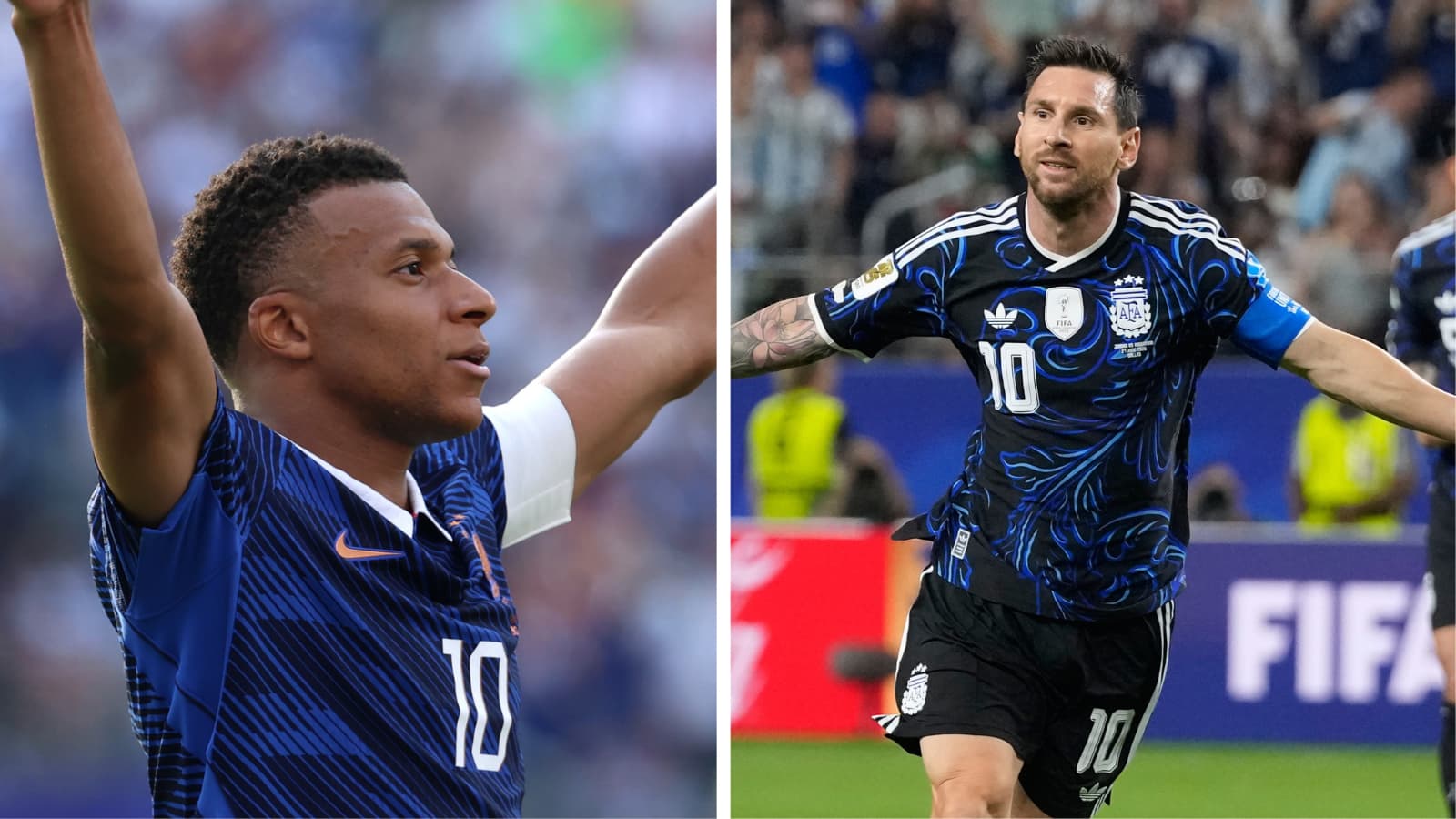
FIFA World Cup 2026 Golden Boot: Kylian Mbappe leads the goal-scoring list ahead of Lionel Messi. (AP Photo)FIFA World Cup 2026 Leading Goal-scorers: Kylian Mbappe continued his sensational World Cup goal-scoring form as France routed Sweden 3-0 in the Round of 32 match on Tuesday night. Mbappe secured a brace as France proceeded to the Round of 16, where they will face Paraguay on July 5. The French captain, who is featuring in his third World Cup, shattered the all-time knockout goals record, securing nine goals in as many appearances at the World Cup. Mbappe is also breathing down Argentina superstar Lionel Messi’s neck on the all-time World Cup goal-scoring charts as he stormed to his 18th goal in as many appearances in the tournament, only one behind Messi’s tally of 19 across six editions. “I’m very aware of who I am, how I play, what I shall do, but it’s not just about me,” Mbappé said through a translator. “The entire team is aware of what should be done. It is a new competition that has started today. We did play well, but we were timid. We could have done better at the beginning.” Mbappe leads the Golden Boot race ahead of Messi with an additional assist to his name, besides six goals. Meanwhile, Norway heavyweight Erling Haaland is also in the thick of things after netting a 86th-minute winner over Ivory Coast, taking his tally to five goals in his maiden World Cup appearance. France forward Ousmane Dembele and Brazil spearhead Vinicius Junior also remain firmly in the race, with four goals apiece. FIFA World Cup 2026 Most Goals: Golden Boot Race Rank Player Goals Assists Minutes 1 Kylian Mbappe FRANCE 6 2 378 2 Lionel Messi ARGENTINA 6 0 223 3 Erling Haaland NORWAY 5 0 309 4 Ousmane Dembele FRANCE 4 2 304 5 Vinicius Junior BRAZIL 4 1 398 6 Deniz Undav GERMANY 3 2 174 7 Johan Manzambi SWITZERLAND 3 1 146 8 Ismaila Sarr SENEGAL 3 1 274 9 Cody Gakpo NETHERLANDS 3 1 394 10 Brian Brobbey NETHERLANDS 3 0 245 11 Matheus Cunha BRAZIL 3 0 260 12 Harry Kane ENGLAND 3 0 291 13 Elijah Just NEW ZEALAND 3 0 291 14 Julian Quinones MEXICO 3 0 294 15 Yoane Wissa CONGO DR 3 0 306 16 Jonathan David CANADA 3 0 370 17 Ismael Saibari MOROCCO 3 0 390 18 Kai Havertz GERMANY 3 0 392 Updated as of July 1, 2026
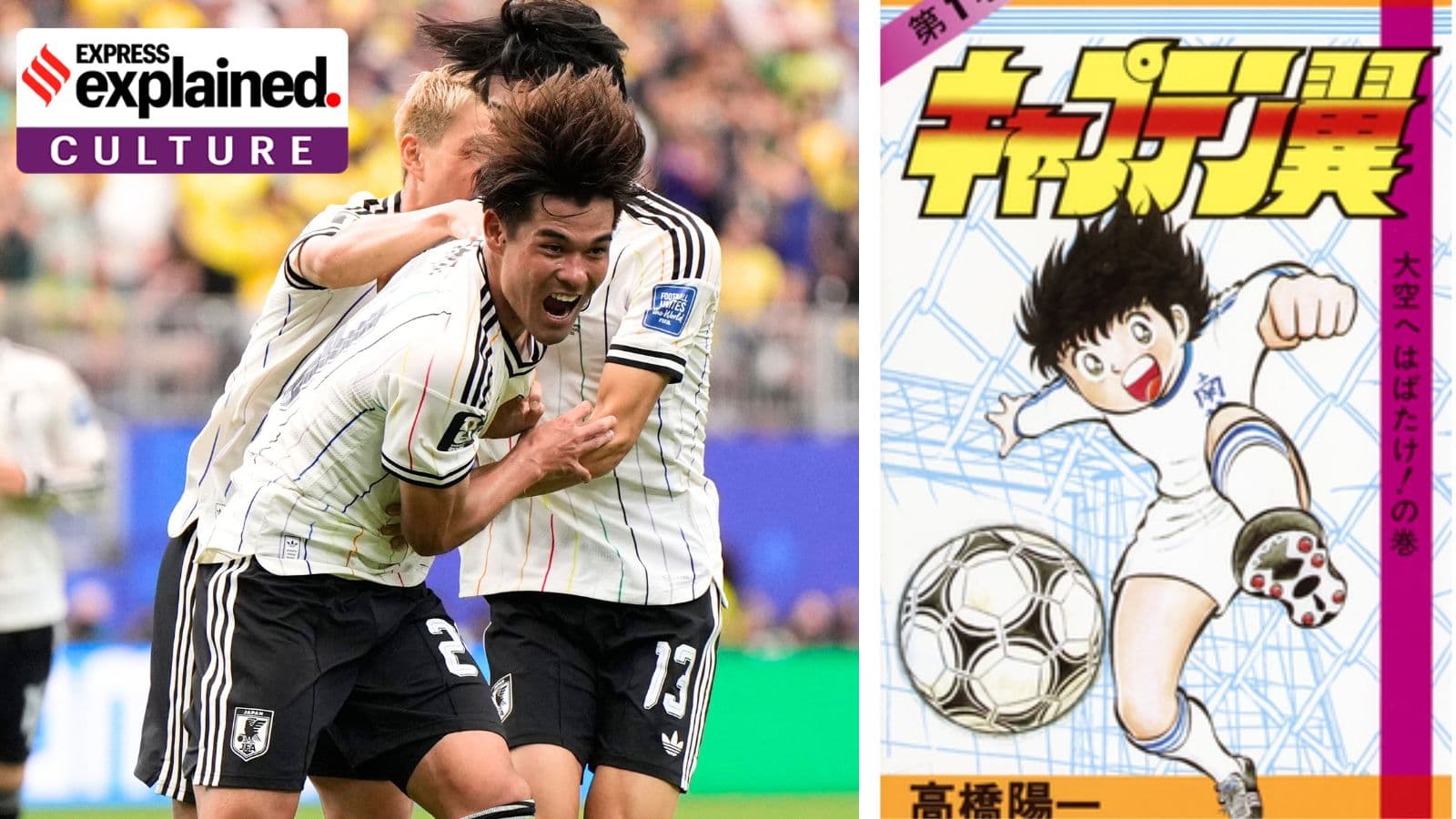
Japan lost to Brazil in the FIFA World Cup on Monday night (June 29), marking its exit from the tournament. Initially maintaining a lead against the five-time champions, Japan conceded two goals in the second half. However, Japan’s overall quality performance at the World Cup has remained largely consistent through the 21st century.Debuting at the event in 1998, five years after the inception of the domestic J-League, Japan has progressed to the round of 16 stage four times since 2002. One of only three Asian nations to have reached this stage (the other being North and South Korea), the “Samurai Blues” were also the first to qualify for WC26 after the host nations.For an island nation that historically placed greater stock in baseball and the local sport of sumo, how did Japan turn into a nation obsessed with association football? While the answer comprises myriad reasons, the role of manga or Japanese comics has been widely documented as a leading factor, even receiving acknowledgement from top players. Strong beginnings, then a slump Football was first imported to Japan in 1873. Archibald L Douglas, an officer of the British Navy, taught his students how to play at the Japanese Navy Academy in Tsukiji, Tokyo. Six years later, football was included in the curriculum of the National Institute for Gymnastics. The Japanese Football Association (JFA) was founded in 1921, drawing inspiration from the English FA Cup, and the first Emperor’s Cup was held later that year. The rise of fascism and subsequent advent of the Second World War, as well as the non-payment of certain dues, led to Japan’s ouster from FIFA. Japan officially rejoined in 1950 and ranked in the final eight by the time it hosted the 1964 Tokyo Olympics. This performance led to the establishment of the Japanese Soccer League in 1965, which also included amateurs. The players worked jobs during the day, trained at night and played their games on the weekends. In 1968, Japan won a bronze medal in the Mexico City Olympics, but this marked the beginning of a slump in Japanese football. Throughout the ’70s, football was eclipsed in popularity, viewership and participation by professional baseball, which enjoyed better youth networks and professional infrastructure.Story continues below this ad Manga as a catalyst The 1981 release of the manga Captain Tsubasa altered football’s trajectory in Japan. Twenty-year-old cartoonist Yoichi Takahashi introduced readers to the character of Tsubasa Oozora, an 11-year-old footballing prodigy, in the pages of the Weekly Shonen Jump. In 1982, the magazine’s circulation was roughly 2.55 million, peaking at 6.53 million in 1995. It would later publish some of the most well-known manga series of all time, such as One Piece and Naruto. Captain Tsubasa centred on the protagonist’s dreams of winning the FIFA World Cup for Japan. At the time of its release, Japan lacked a professional football league, but its effect was fairly immediate. In 1981, the JFA reported roughly 110,000 registered players — a number that more than doubled to nearly 250,000 by the end of the ’80s. A figurine of Tsubasa Oozaru and Taro Misaki taking a twin shot (Wikimedia Commons)The space that Captain Tsubasa occupied was still nascent. Football in Japan lacked grassroots-level infrastructure, but Takahashi’s comic strip provided children across the country with the vocabulary, tactical framing and cultural permission to explore the sport through the eyes of a character their age. Japan’s economic bubble in the late ’80s also incentivised corporate capital to flow towards company-owned sports teams.Story continues below this ad In 1993, the JFA introduced the J1 ‘first division’ League. A generation of children who had flipped through the pages of Captain Tsubasa became the treatment group benefiting from the newly christened league and the grassroots network that came with it. The biggest shift came when Japan qualified for the 1998 World Cup in France. Despite l
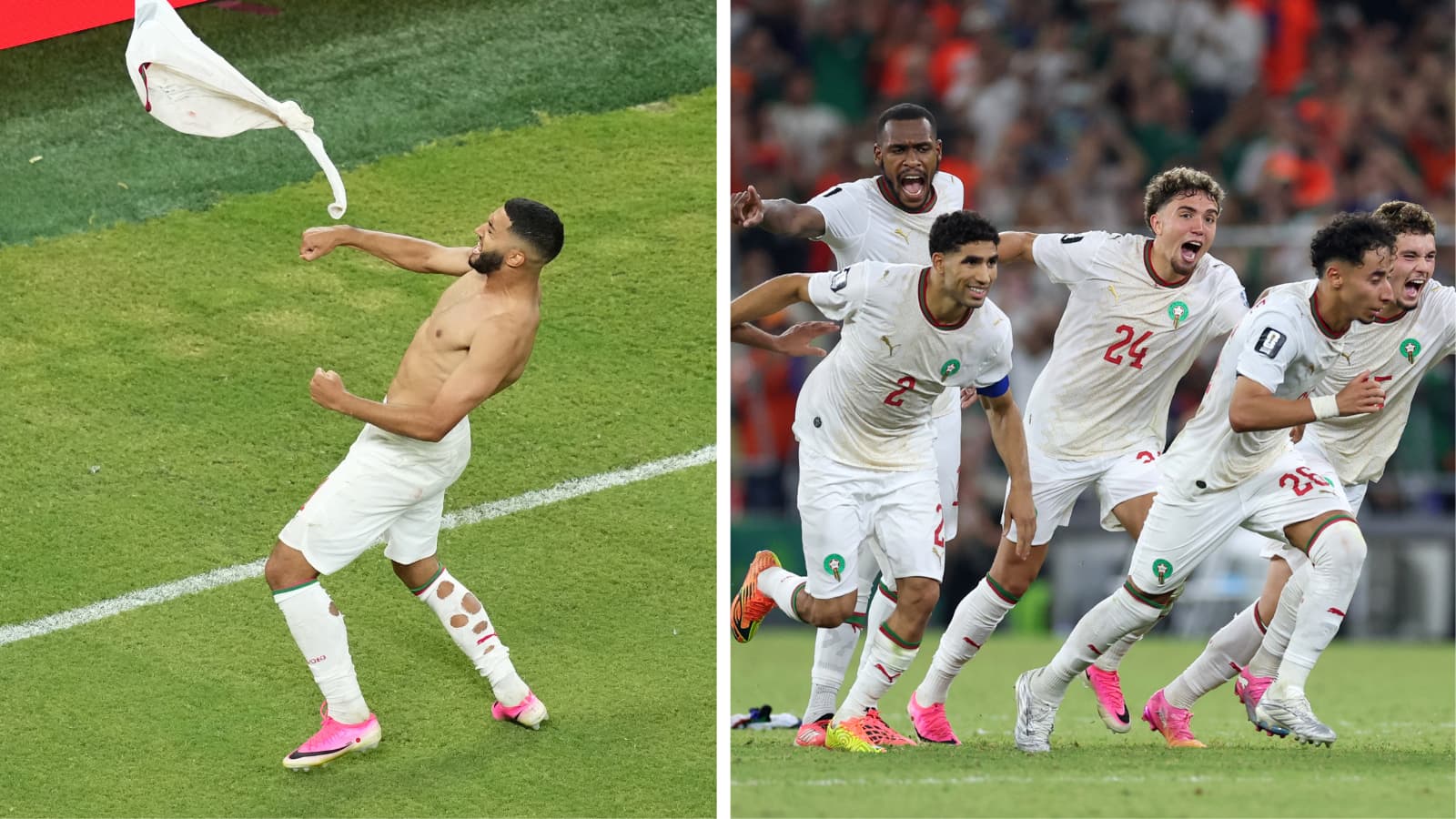
Issa Diop spent years waiting for a country that would finally call him. Ismael Saibari built his career inside the country he had just helped eliminate. On Monday night in Monterrey, those two men were the difference.Morocco beat the Netherlands 3-2 on penalties, after a 1-1 draw through 120 minutes, to reach the World Cup round of 16 for the second tournament running. They will face Canada on July 4.Diop had never scored for Morocco before. Born in Toulouse to a Senegalese father and a Moroccan mother, he came through France’s youth ranks and kept hoping his country would eventually call him up. It never did. He made his Morocco debut in March, four years into a Premier League career that had taken him from West Ham to Fulham, the decision landing in the middle of a real dispute between the two countries of his parents’ birth over a stripped continental title. In the 91st minute, with the country he’d waited years to choose two minutes from elimination, he rose above Virgil van Dijk at a corner and powered a header past Bart Verbruggen that the goalkeeper never got close to. It was the first international goal of his career. HIGHLIGHTS | Netherlands vs Morocco *** The Netherlands had led since the 72nd minute, when Cody Gakpo scored after Crysencio Summerville’s run dragged the Moroccan defence apart. Gakpo had returned to the squad two days after he and his partner announced the loss of their unborn son, due in October. He stayed with the team rather than withdraw. He dropped to his knees after the goal, head in his hands, and his teammates left the bench as one to reach him. None of it had been easy to get to. Saibari’s boot caught Van Hecke flush on the head as the two went up for a corner, the contact accidental but the consequence immediate. Van Hecke turned on him at once, a hand at Saibari’s throat, the referee wading in before it went further. No card for either man. Morocco had the better of it either side of that. Hakimi, winning his 100th cap, whipped in a corner that El Aynaoui met on the run, only for Verbruggen to tip it over. Van de Ven made the tackle of the match on Hakimi just past the hour, a clean strip that even Hakimi seemed to acknowledge with a nod rather than an appeal. Then Gakpo’s goal, and for nineteen minutes it looked enough. ***Story continues below this ad Diop’s header changed that. Chemsdine Talbi, on for Bilal El Khannouss with the clock running down, swung in the corner that Diop met with everything he had. Six minutes into extra time, Soufiane Rahimi nearly won it outright, getting a clean strike away. Verbruggen spread himself across the goal and somehow got enough on it to keep the score level.
The shootout had everything the match itself had been missing. Koopmeiners opened it for the Netherlands. El Aynaoui put Morocco’s first attempt against the bar. Kluivert struck the post for the Dutch. Rahimi’s penalty trickled in off Verbruggen’s own heel after the goalkeeper had got a hand to it and let it squirm loose. Weghorst scored to make it 2-1, Talbi levelled it at 2-2. Timber wide for the Dutch. Hakimi against the post for Morocco. Bounou turned away Summerville’s effort. Saibari, last man up, sent Verbruggen the wrong way. Issa Diop had never scored for Morocco before. He did when it mattered. (AP Photo)There was a particular irony in who took the winning kick. Saibari was born in Spain, raised partly in Belgium, and built his career at PSV Eindhoven, in the Netherlands, the country he had just helped eliminate. As a teenager he turned down an approach from Belgium’s senior team before the 2022 World Cup, telling their manager he had already made his choice. His heart, he said, was with Morocco.Story continues below this ad As a child, doctors had warned his parents that a condition in his legs and feet might stop him walking properly, let alone playing football for a living. Hi
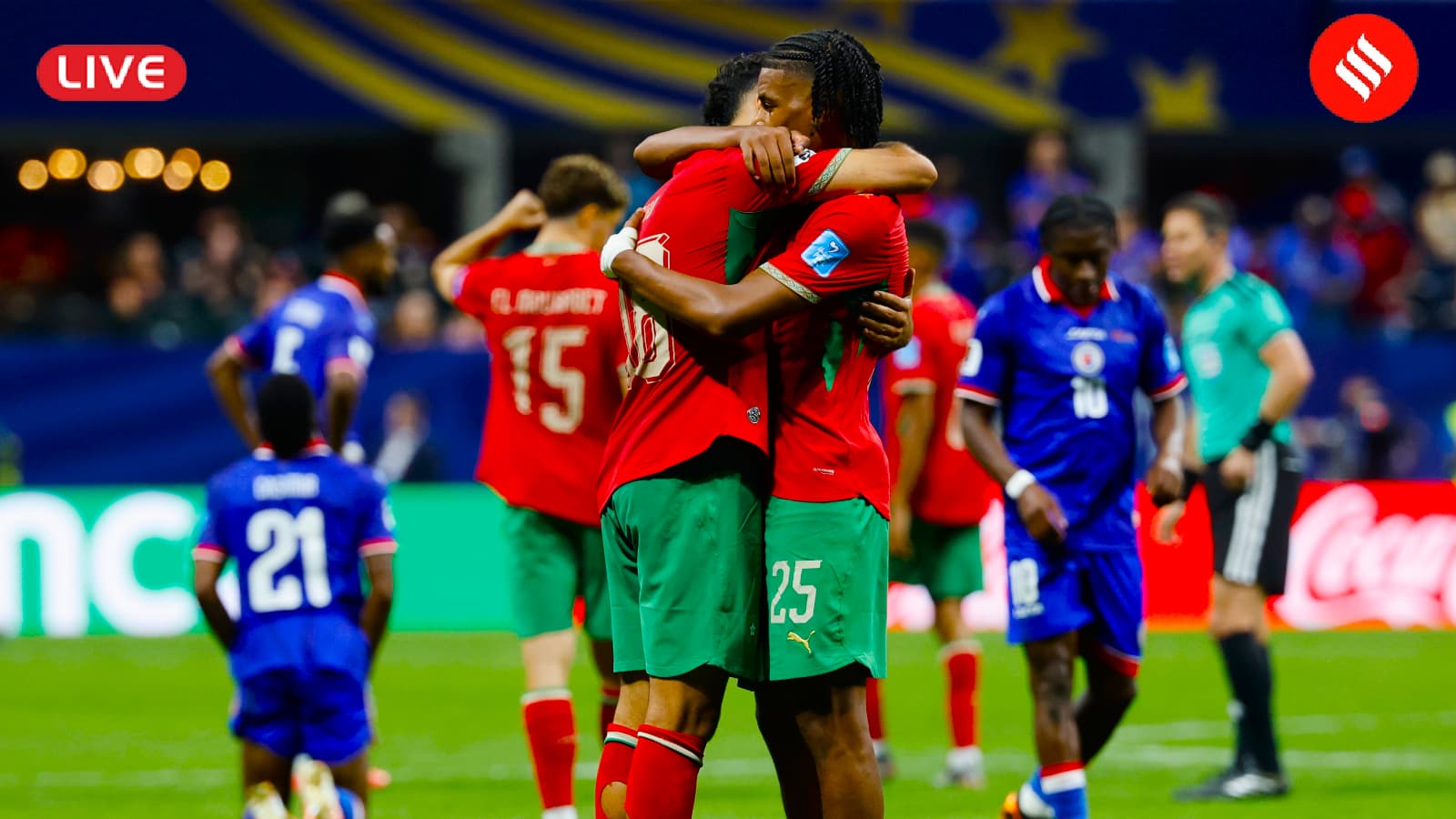
Netherlands vs Morocco FIFA World Cup 2026 Live Score: Morocco had reached the semi-finals at Qatar 2022. (Photo: AP) Netherlands vs Morocco FIFA World Cup 2026 Football Match Live Score: Monday night’s matchup between the Netherlands and Morocco will be the highest ranked match in the round of 32. The Netherlands — ranked No. 7 — topped Group F after a draw against Japan and big wins over Sweden and Tunisia. Sixth-ranked Morocco fought to a 1-1 draw against Brazil in its opener before beating Scotland and Haiti to finish second in Group C. The Netherlands have long held the moniker of the best never to have won the tournament, having lost all three finals it played. The Dutch’s most recent final loss was to Spain in extra time in 2010, which was also the last time the Netherlands lost a World Cup game in 120 minutes. The Dutch haven’t lost in six previous World Cup matches against African countries. In 2022, Morocco defeated Spain and Portugal to become the first African team to reach the semifinals of the World Cup before losing to France. The Atlas Lions were also declared winners of the Africa Cup of Nations in 2025.Story continues below this ad “The team is of course very well prepared,” Morocco’s goalkeeper Yassine Bounou said. “We will face whatever comes in the 90 (minutes), 120 (minutes) or penalty kicks. We have great football players and the experience to face these things.” The Netherlands beat Morocco 2-1 in 1994, which was the only other World Cup meeting between the two. The winner will face Canada in the round of 16 on Saturday in Houston. SCROLL DOWN TO FOLLOW ALL THE LIVE UPDATES FROM THE NETHERLANDS VS MOROCCO GAME Live Updates Netherlands have reached every WC R16 since 1974. Morocco intend to end that The Netherlands have reached the Round of 16 in every World Cup they have entered since 1974. (AP Photo) Kansas City was drenched in fluorescent orange. For Tunisia, already eliminated after conceding nine goals in two games, this was a chance to finish with something. They were given 180 seconds before that hope began to fade. The Netherlands needed only to avoid being overtaken by Japan’s goal difference against Sweden to top Group F. They did not need to win. They won anyway. Denzel Dumfries drove a low ball across the face of goal in the third minute. Ellyes Skhiri, Tunisia’s captain, got there first and turned it into his own net, the 12th own goal of this tournament, equalling the most ever recorded at a World Cup. Before the seventh minute it was two. Virgil Van Dijk headed a Reijnders free kick across the box and Brian Brobbey, reacting quickest, half-volleyed his third goal of the tournament past a helpless Aymen Dahmen. Two-nil in seven minutes. Given what had happened to Tunisia across this tournament, that was no surprise. READ MORE © IE Online Media Services Pvt Ltd Tags: FIFA fifa world cup FIFA World Cup 2026 Football World Cup Live Score world cup live score
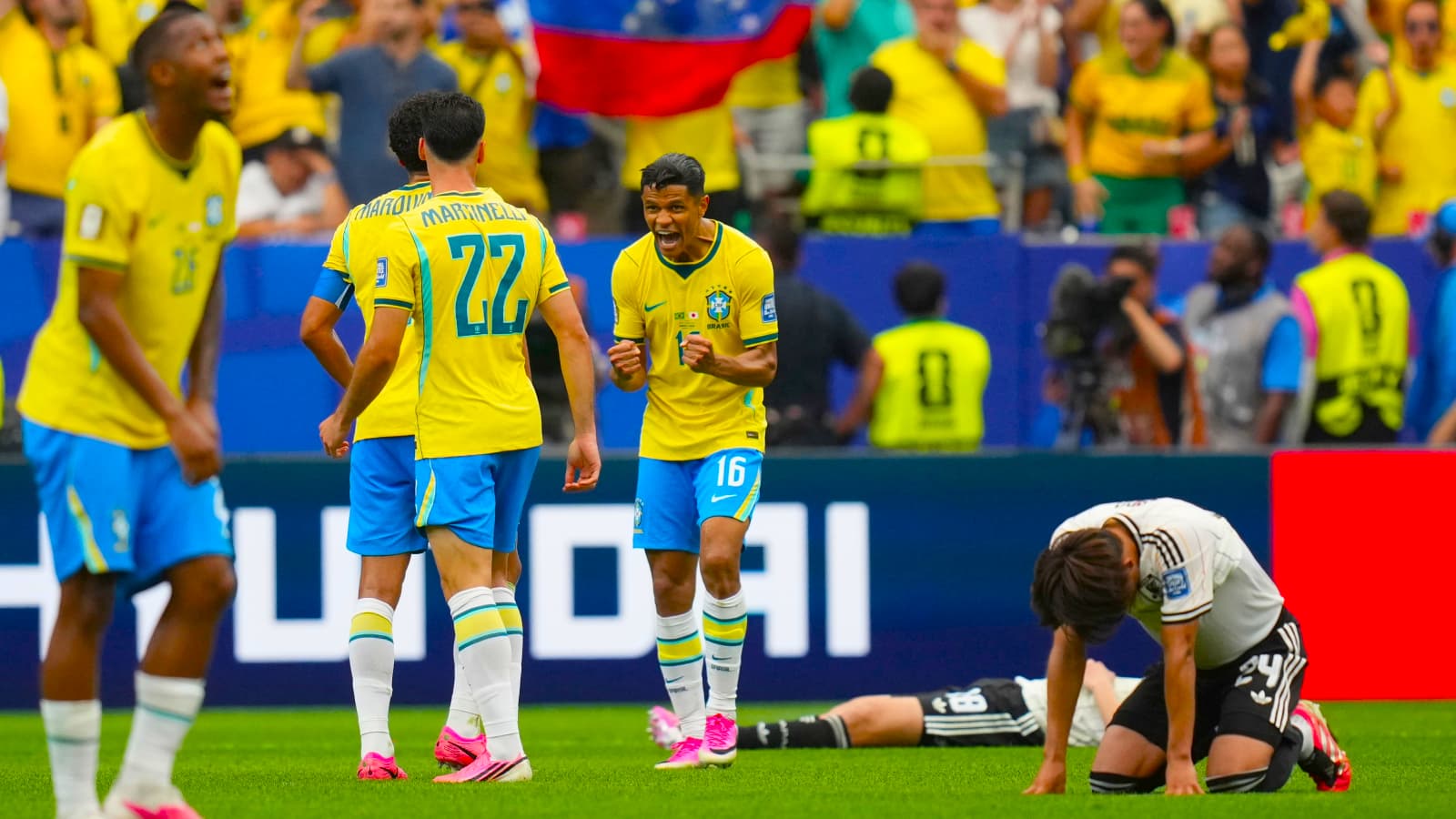
Updated: Jun 30, 2026 01:00 AM IST Brazil's Douglas Santos (16) center right, celebrates with teammates after the end of the World Cup round of 32 soccer match between Brazil and Japan in Houston, on Monday, June 29, 2026. (AP Photo) Brazil makes grand stages; just as grand stages make Brazil. Down a goal, their ageing legs showing, Brazil produced a stirring comeback, masterminded by their sagely manager Carlo Ancelotti and his tireless troops. The 1-2 defeat was cruel on the persevering Japanese, heartbroken in stoppage time, but the mightiest footballing empire would live another day, even if precariously. The Brazilians in the stands were exhausted after a game of seesawing drama that ended with Gabriel Martinelli’s serene winner. He didn’t start the game, was not hyped as his fellow forwards, but in the clutchest of clutch moments, a grand footballing tradition in jeopardy, he struck the goal of his life. There was nothing spectacular about the goal, but every element of it was note-perfect; from the pass, his first touch and the shot past a crushed Zion Suzuki, the Japanese goalkeeper who had kept them in the game.He wept, his valiant teammates had expended every ounce of energy. They deserved a less callous ending, but Brazil’s second half turnaround was as delightful as any passage of play in the tournament. The first half meltdown was not surprising. Given Brazil’s fragility, the conception of Japan’s goal was foreseeable. Receiving the mis-passed ball from Danilo near the centre circle, Kaishu Sano teed off, twisting and tearing past the slumberous Brazilian shirts, and nailed a low shot past Alisson’s outstretched arms. Casemiro was not far from him at one juncture, but was left chasing the shadow of Sano’s shadow. Only minutes ago had he been brandished a yellow card. In the momentum of the shot, Sano slumped onto the ground. When he dragged himself back onto his feet, he felt the sweet taste of the earth again, as teammates piled on his back. It was his first goal for his country and celebrated ecstatically. The Japanese defensive midfielder starting the game proved to be an inspired choice. The yellow wave in the stands sat muted in shock. The Japanese revelled, the white flag with the red sun fluttering proudly in the arena. A goal secured against the run of play, the narrative of the contest until Brazil equalised was predictable. Japan would defend resolutely, often with five men at the back, wait, latch onto any loose ball and maraud upfield, like an unstoppable wave. Brazil’s nerves snapped, a lurid fear seized them. In their overeagerness to equalise, they lost the cohesion they had exhibited in the pre-hydration break spell, when they had four shots. Japan gradually asserted themselves in the game, dripping Brazil’s will and hope, drip by drip. No room Japan’s backline functioned like an impenetrable wall, confiscating Vinicius Junior and reducing him to a passenger. The Brazil talisman hardly got a sniff on goal. Only Matheus Cunha breathed in relative comfort, and saw his low drive finger-tipped by Japan’s goalkeeper.Story continues below this ad Ancelotti is no magician. He had inherited the weakest Brazil iteration. No profound speech or novel tactic could rouse the team from mediocrity. In modern football, a team cannot win merely on its attacking riches. His face betrayed little anxiety, even though he hooked Luis Pacqueta, who looked discomforted, for Endrick in the second half. Brazil needed a surge of inspiration to defend its proud legacy. The kiss of life nearly arrived in the 51st minute, but Suzuki defiantly blocked Guimares’ thunderbolt header. Japan stretched every sinew and spent every ounce of their energy as Brazil buzzed, ravenously seeking the equaliser. The Selecao finally barged the door open, Casemiro singing his redemption song with a bullet header. Brazil then could have snatched the lead through a piece of unalloyed wizardry. Vinicius zig-zagged through narrow lanes, g
One is a tactical duel between two of the smartest teams on either side of the Mediterranean. The other is a meeting between Asia’s most sophisticated football project and the sport’s greatest superpower. And almost hidden behind those heavyweight ties is another intriguing subplot: co-hosts USA and Canada have landed precisely the draw they would have wished for.The World Cup has finally reached the point where every mistake will be terminal. After the group-stage, for some, the arithmetic is over. The safety nets have disappeared. Brazil and the Netherlands will feel the noose more. Brazil have exited early only in the inaugural 1930 edition and 1966, while the Netherlands haven’t missed Round of 16 ever.But for four teams in particular, the Round of 32 has delivered exactly the sort of story FIFA would have hoped for. Netherlands vs Morocco: Familiar strangers It is one of those fixtures that almost feels domestic. The Dutch know Morocco intimately. So do the Moroccans. Several Moroccan internationals grew up in the Netherlands, came through Dutch academies or have spent years in the top flight Eredivisie. Ronald Koeman scarcely needed a scouting report after his side secured top spot in Group F. He admitted as much, describing Morocco as “a very good team” whose players are already well known to Dutch football. That familiarity makes this fascinating. The Netherlands have perhaps been the tournament’s most fluent attacking side outside the traditional favourites. They have scored freely, pressed aggressively and looked increasingly comfortable with every outing. Yet there remains one concern: they have conceded in every group match. Koeman himself acknowledged that his side still needs greater compactness and defensive discipline. Morocco are perfectly built to exploit exactly those moments. Unlike the fairy-tale side that thrilled the world four years ago by defending deep and counter-attacking, this Moroccan generation has become increasingly comfortable dictating possession while still carrying frightening pace in transition. Their draw against Brazil earlier in the tournament proved they can live with elite opponents. They arrive without fear. It is also a match loaded with emotion. Thousands of Moroccan fans living across Europe have traditionally turned Dutch venues into seas of red and green. Monterrey may witness something similar.Story continues below this ad For all the glamour elsewhere in the bracket, this could quietly become the knockout round’s highest-quality tactical contest. Japan vs Brazil: The ultimate examination Japan probably could not have asked for a tougher reward. They topped nobody’s list of favourites before the tournament but have once again demonstrated why they are Asia’s benchmark. Their football has been crisp, technically secure and relentlessly collective. Every player seems to understand exactly where to be. Now come Brazil. There is something wonderfully symbolic about the pairing.Story continues below this ad Japan’s entire football revolution has borrowed heavily from Brazil’s influence. The J.League invited Brazilian players and coaches during its formative years. Technical football became an obsession. Generations of Japanese players grew up idolising Brazilian stars while trying to merge that creativity with Japanese discipline. Now the student meets the master. Brazil have not been spectacular in every game, but they have been relentlessly efficient. They topped Group C ahead of Morocco, remaining unbeaten, and possess match-winners across the pitch. Yet, Japan are exactly the sort of opponent Brazil would rather avoid. They press intelligently, recover possession quickly and perhaps move the ball faster than anyone in Asia. Their challenge will be turning long spells of neat possession into chances before Brazil’s individual brilliance decides the contest. If Japan are to produce one of the great World Cup upsets, this is the stage.Story continues below this ad The draw the host

Discussion (0)