
Loading dispatches...
← Return to Newsroomgeneral
Eight strangers, four kidneys, one lifeline: How a four-way kidney swap overcame a legal hurdle
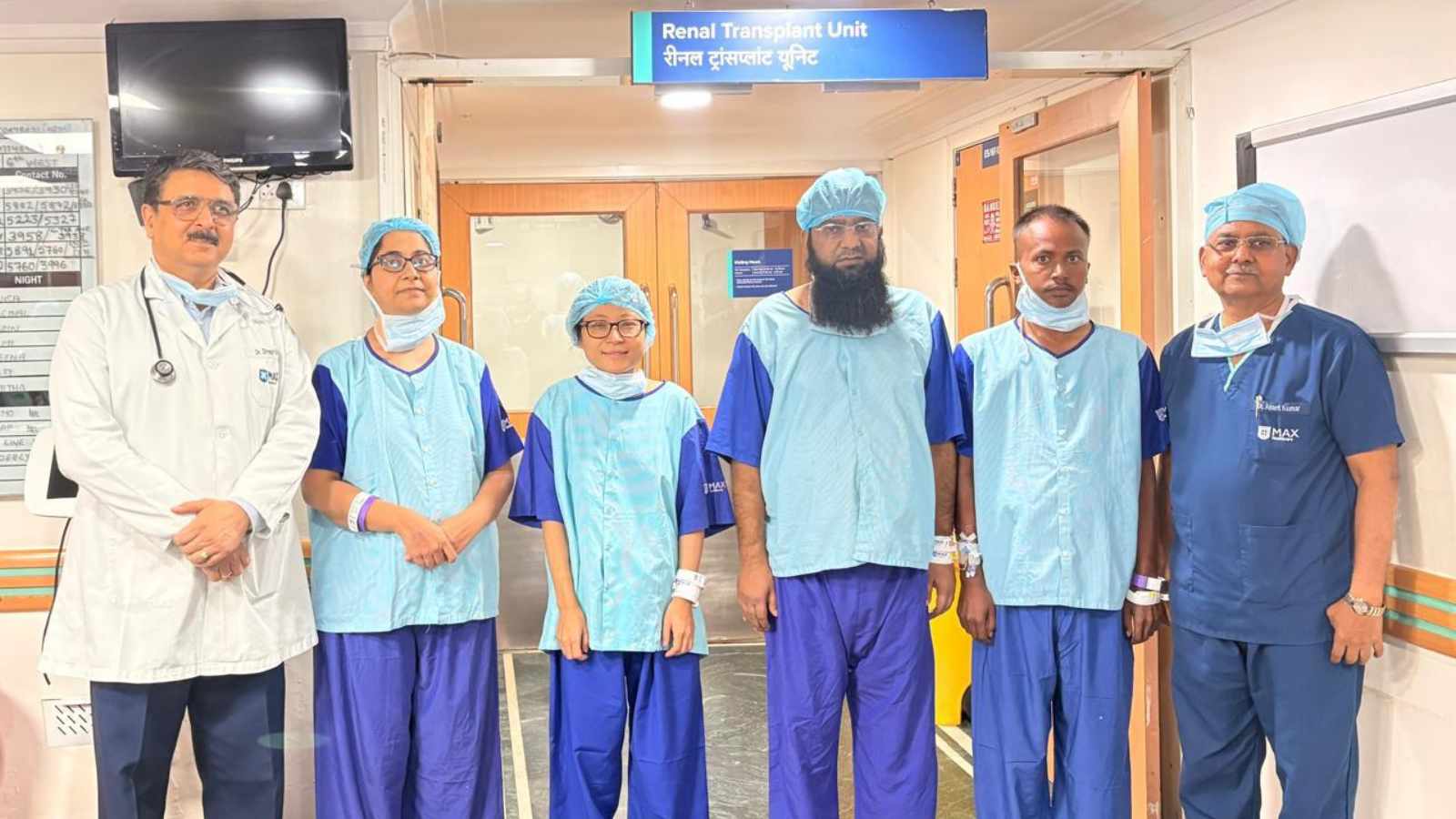
This one sounds like a film script: Four families from four corners of India, who had never met, brought together by the same desperate calculation — if they could not save their own, perhaps they could save each other’s.There was a family from Nagaland. Another from Kashmir. Yet another from Punjab. And the last from Bihar. Beyond different communities and faiths, they had a loved one, who needed a kidney transplant and was running out of time. Each of the four patients also had someone willing to donate one. But there was a problem. The kidneys belonged to the wrong people. In each family, the willing donor was a near relative of the patient — the category of donor contemplated under India’s transplant law — but the two were biologically incompatible. In several of the patients, the problem was not simply blood-group compatibility. Three of the four recipients were highly sensitised and had positive cross-match results, meaning their blood contained antibodies capable of attacking the cells of a particular donor.The families had found a possible answer: don’t give the kidney to the person you love. Give it to someone else’s loved one instead. Donor A would give to Recipient B. Donor B would give to Recipient C. Donor C would give to Recipient D. And Donor D would give to Recipient A. This was a circle of strangers, each saving a family they had never met, in the hope that another stranger would do the same for theirs. But there was another obstacle. The law. Why four pairs were so much harder to approve than two Kidney-swap transplantation is not new in India. The basic idea is relatively simple: when a willing donor cannot donate to their intended recipient because of biological incompatibility, another donor-recipient pair can enter the exchange. The two donors effectively swap recipients. The difficulty grows rapidly as more pairs are added. A transplant team has to establish not merely that each donor is compatible with somebody, but that the entire chain works. A kidney has to move in such a way that the chain closes. Immunological testing is central to that process. Tests such as the single antigen bead, or SAB, test can identify antibodies in a recipient that may react against specific human leukocyte antigens on a prospective donor’s kidney. Previous pregnancies, blood transfusions and transplants can all contribute to sensitisation. In a four-way exchange, there are many more possible combinations — and every link matters. “We have tried three-way swaps manually, but matching donors with unrelated recipients is a very tedious and complex task,” Dr Anant Kumar, who led the operation, told The Indian Express. For the four families who had already spent years waiting, the question was no longer simply whether a compatible kidney existed. It was whether the law would allow them to use it.Story continues below this ad Crossing legal hurdles The proposal for a four-way kidney swap was rejected by the Authorisation Committee, a legal body established under India’s Transplantation of Human Organs and Tissues Act (THOTA). The Appellate Authority upheld that decision, taking the view that Section 9(3A) of THOTA only contemplated an exchange between only two incompatible donor-recipient pairs. A larger chain, the authorities held, would require an amendment to the law. On May 26, 2026, the Delhi High Court stepped into that gap. In Shivani Khurana & Ors. v. Union of India & Ors., Justice Purushaindra Kumar Kaurav set aside the orders of the Authorisation Committee and the Appellate Authority. The court held that Section 9(3A) should not be read as restricting swap transplantation to two donor-recipient pairs. The references in the provision to a “first donor” and “second donor”, it held, were illustrative of the mechanism rather than a statutory ceiling on the number of pairs. There was, in other words, a gap between what the technology and medicine could make possible and what officials believed the wording of the law allowed
MumbaiUpdated: Aug 12, 2026 02:53 AM IST The authorities maintained that the blaze was brought under control around midnight after nearly a 2-hour long firefighting operations, following which cooling operation was initiated. One 23 year old person and a 2.5 year old infant lost their lives, while four others sustained injuries after a blaze broke out in a residential building at Baptista road in Vile Parle (west). According to the Brihanmumbai Municipal Corporation’s (BMC) disaster management cell, the deceased has been identified as Abir (2.5 years) and Ankita (23 years old). The remaining four injured have been identified as Parth (32), Hiren (64), Yashasvi and Abhishek. The Mumbai Fire Brigade (MFB) stated that the blaze initially broke out in the eleventh floor of a ground plus 12 storeyed building around 10.08 pm. The flames of the blaze intensified further and around 10.16 pm, the MFB had labelled the blaze as level 2.The fire officials said that after the blaze broke out the residents got trapped in the 11th floor of the building from where they were rescued and pulled out by the MFB officials. “All the six persons were injured one after the other and during the process two individuals were found in a senseless condition,” a fire official said. Following rescue the individuals were sent to Nanavati hospital in Bandra, where the authorities had declared them dead. At present, the four injured are undergoing treatment and are currently in a stable condition. The authorities maintained that the blaze was brought under control around midnight after nearly a 2-hour long firefighting operations, following which cooling operation was initiated. “The entire corridor and building were engulfed under smoke. As a result, the rescue operation became difficult,” the official said. The officials said that the actual cause of the blaze is yet to ascertain following an investigation. Pratip Acharya is a seasoned journalist based in Mumbai reporting for The Indian Express. With a career spanning over a decade, his work demonstrates strong Expertise and Authority in critical urban issues, civic affairs, and electoral politics across Eastern and Western India. Expertise & Authority Current Role: Journalist, The Indian Express (IE), reporting from Mumbai. Core Authority: Pratip's reporting focuses sharply on local democracy and development, specializing in: Urban Governance and Civic Affairs: Providing in-depth analysis of municipal decision-making, city planning, and local infrastructure, essential for informed urban reporting. City Politics and Environment: Covering the political dynamics of Mumbai and surrounding areas, alongside critical environmental challenges impacting the metro region. Electoral Coverage (High-Stakes Experience): He has extensive experience in high-stakes political reporting, having covered major elections, establishing his Trustworthiness in political analysis: National: Lok Sabha elections in 2014 and 2019. State: West Bengal Assembly elections in 2016 and Maharashtra Assembly elections in 2019. Major Assignments (Ground Reporting): Pratip demonstrated commitment during crises by conducting ground reporting throughout the Covid-19 pandemic since its breakout in 2020, offering first-hand accounts and analysis of the public health crisis. Experience Extensive Experience: Starting his career in 2014, Pratip has built his foundation across multiple prominent English dailies: Started at The Times of India in Kolkata (2014). Relocated to Mumbai (2016) and worked with The Free Press Journal and Hindustan Times before joining The Indian Express. Pratip Acharya's diverse experience across major publications, coupled with his specialized focus on the intricate details of urban governance and a track record of covering major electoral and health crises, establishes him as a trusted and authoritative source for news from India's critical metropolitan centres. ... Read More Stay updated with the

NewsWorldH-1B workers may lose their 60-day safety net: Here's what it means for Indians The Department of Homeland Security has sent a new plan to the White House Office of Management and Budget for review. 4 min readAug 9, 2026 07:53 AM IST First published on: Aug 9, 2026 at 07:53 AM IST The US may scrap the 60-day window that lets foreign workers on certain visas stay and job-hunt after losing employment.. (File Photo) The US government is looking at a plan to end the 60-day grace period given to H-1B workers after they lose a job. If this plan becomes law, it could change life for thousands of Indian professionals working in America. What is the 60-Day grace period? Right now, if an H-1B worker loses their job, they get up to 60 days to stay in the US legally. During this time, they can look for a new employer, switch to another visa type, or plan their move back home. This rule started in 2017 and also covers other visa holders like L-1, O-1, E-1, E-2, E-3, H-1B1, and TN, along with their family members. Why is DHS proposing this change? The Department of Homeland Security has sent a new plan to the White House Office of Management and Budget for review. The plan wants to remove the 60-day window for workers and their families once their job ends. This move is part of the Trump administration’s larger effort to tighten the H-1B programme, which the government says is being misused to replace American workers.Story continues below this ad Has this rule already changed? Here’s where things stand: The proposal is still under review at the OMB. Once approved there, it will be published in the Federal Register. The public will get 30 to 60 days to send in comments. Only after this process can DHS make the rule final. So for now, the 60-day grace period is still active, and no one needs to leave the US immediately. Why this hits Indian workers the hardest Indian professionals make up the largest group of H-1B visa holders in America. Government data shows Indians received 71% of all approved H-1B petitions in 2024. Over 5.2 million people of Indian origin currently live in the US. If this rule goes through, Indian workers who lose their jobs could be forced to leave the country almost right away. They may no longer get time to find a new sponsor or shift to another visa while staying in the US.Story continues below this ad What changes for a worker who loses a job? A laid-off H-1B worker can: Use the 60 days to find a new company willing to sponsor them Try switching to another visa category Explore other legal ways to stay in the country If the grace period is removed, none of these options would be available in the same way. Workers may have to exit the US almost immediately unless immigration officials grant a special exception. The impact on families Family members on H-4 dependent visas are also covered under the current system. If the rule changes, an entire family could be forced to make sudden decisions about jobs, schools, and housing, all within a very short time. More pressure on H-1B visas This isn’t the only change affecting H-1B holders. Some other recent developments include:Story continues below this ad A $100,000 fee was proposed for new H-1B applications, though a court has paused it for now. A new rule may raise fees for H-1B extensions. Some lawmakers are pushing to end the H-1B programme altogether. What should Indian H-1B workers do now? Since the rule hasn’t taken effect yet, there’s no reason to panic. But it’s worth staying informed. Keeping an eye on updates in the Federal Register and thinking ahead about backup plans can help avoid last-minute stress if the change does eventually go into effect. The Express Global Desk at indianexpress.com which delivers authoritative, verified, and context-driven coverage of key international developments shaping global politics, policy, and migration trends. The desk focuses on stories with direct relevance for Indian and global
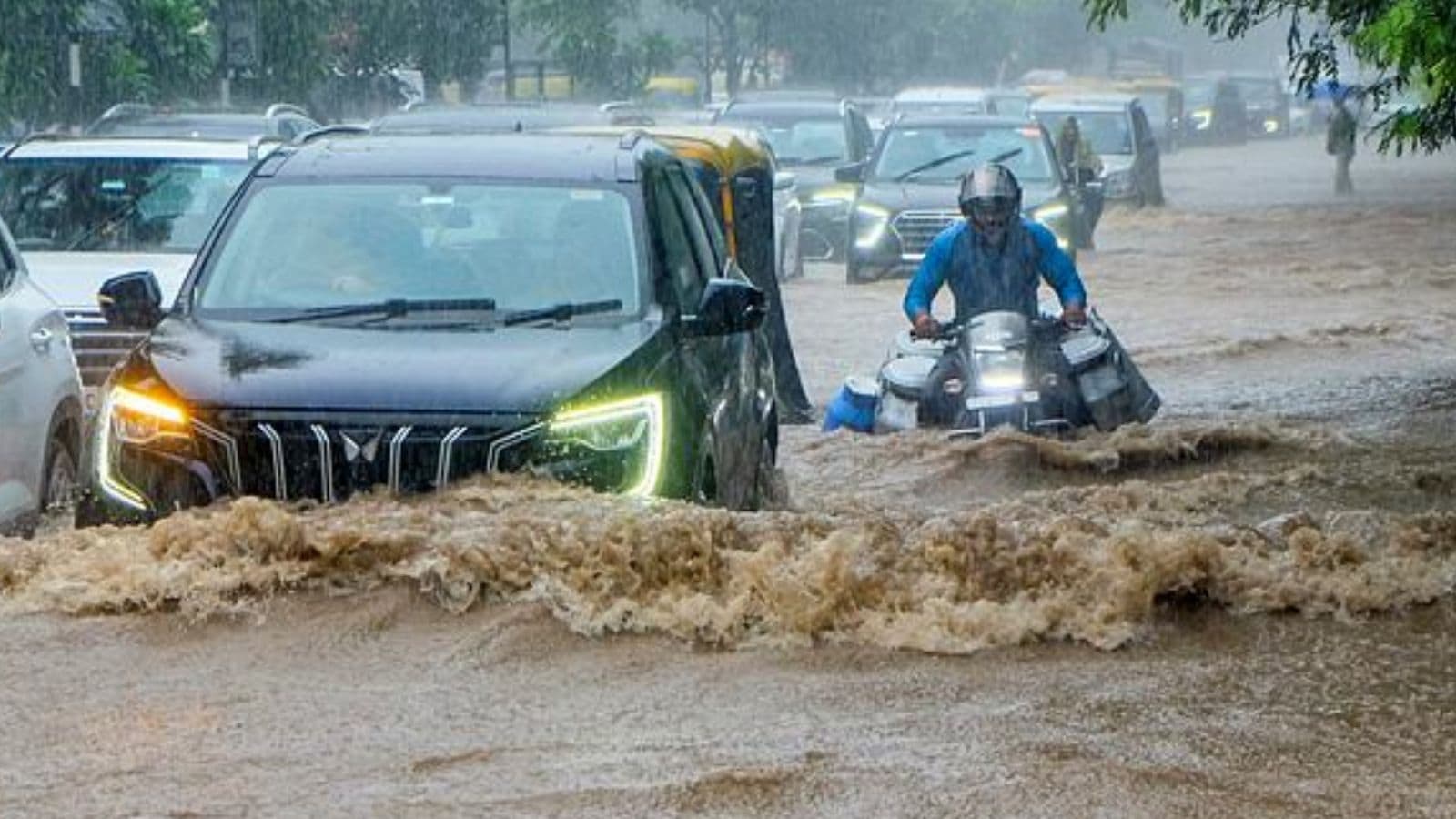
Commuters move on a waterlogged road amid rain, near Medcity Hospital, in Gurugram. (PTI Photo)As heavy rain lashed Gurgaon for the second day in a row on Friday, flooding in various parts of the Millenium City has laid bare a two-fold crisis — lapses by contractors in civic works along drains and arterial roads and delay in dewatering efforts, according to residents and officials. With downpour continuing through the day, the city’s infrastructure yet again crumbled — residents and commuters were at the receiving end amid waterlogging and traffic snarls. While Gurgaon continues to struggle to tackle the rain fury, the state government reappointed IAS officer Pradeep Dahiya as the Commissioner of the Municipal Corporation of Gurugram (MCG) barely 24 hours after transferring him out as Deputy Commissioner of Rohtak. His transfer order on Thursday came as the city reeled under persistent waterlogging. The government, however, had not named his successor.On Friday, Dahiya, during a review with his deputy Uttam Singh, said, “Immediate action must be taken upon receiving reports of waterlogging at any location, and pumps, suction machines, and other necessary resources must be kept fully ready.” Mayhem unfolds The severity of the rain was felt across every corner of the city. An average rainfall of 60 mm was recorded, as per the district administration data. Sohna took the maximum brunt with 82 mm of rain, followed by Badshahpur at 74 mm and Wazirabad at 68.5 mm. Across several parts, unfinished drainage work led to waterlogging on roads, causing massive inconvenience to locals. In the upsale Ardee City in Sector 52, rainwater drain pits were left uncovered at a key stretch recently laid allegedly using sub-standard tiles, residents said. “Instead of being safely capped as mandated by the original tender specifications, these open pits were hidden beneath rising surface water due to rain, causing a major safety hazard,” RWA member Chaitali Mandhotra said, pointing to a lack of oversight on part of private contractors. The delay in deploying suction pumps and dewatering equipment further aggravated the situation, residents across other upscale areas claimed. Ahishek Sharma of C-2 Block at Palam Vihar said that waterlogged streets in his neighbourhood reminded him of annual monsoon mayhem. On paper, the MCG has the largest workforce in the city among all the civic bodies in the city, alongside a heavy concentration of drain-clearing personnel and high-capacity pumps, a spokesperson said.Story continues below this ad However, when heavy water accumulation hit master roads managed by the Gurugram Metropolitan Development Authority (GMDA), the transition of these resources across jurisdictional lines lagged significantly, officials seeking anonymity claimed. “As MCG’s rapid-response teams operate separately from GMDA’s arterial network units, discrepancies in response times and deployment speed allowed rainwater to pool for hours on major transit corridors, a senior GMDA official claimed. In areas near Golf Course Road, the master drains reached saturation due to the torrential rain, MCG Ward 22 counsellor Vikas Yadav said. “The recording machine at my ward office saw over 100 mm of rain today… It is disastrous. Still, all pumps worked efficiently in my ward through online complaints on social media indicating otherwise,” he said. Meanwhile, the GMDA acknowledged that choked drainage inlets are worsening flash floods in urban areas. GMDA CEO PC Meena has established 12 enforcement teams, bringing together junior engineers from enforcement and infrastructure divisions alongside municipal representatives. Abhimanyu Hazarika is a Senior Correspondent with The Indian Express, based in Gurgaon. He covers southern Haryana. Education - Post-Graduate Diploma in Print Media, Asian College of Journalism (Class of 2020) - B.A. (Hons) Liberal Arts with a major in Political Science, Symbiosis School for
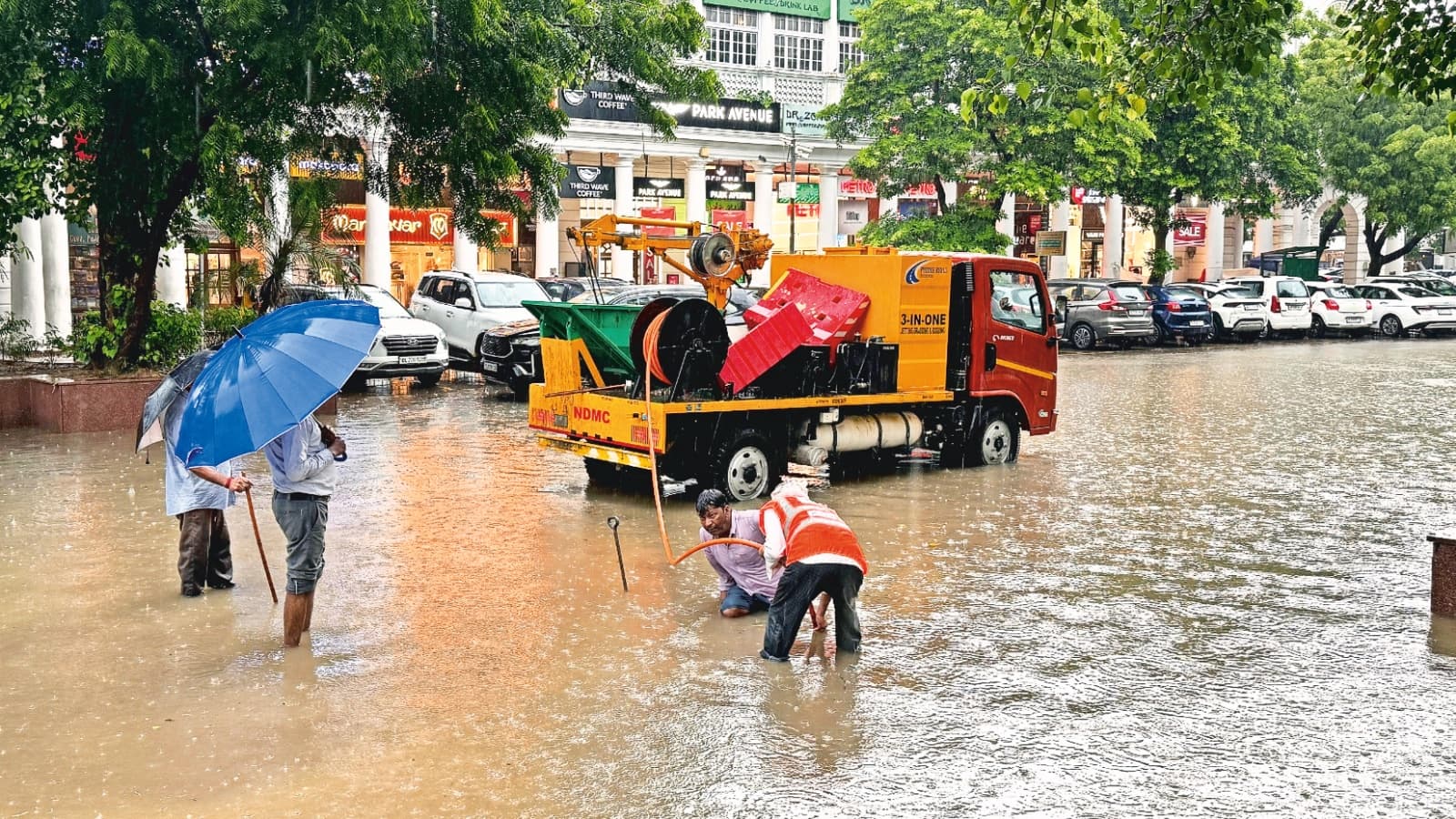
New DelhiJul 29, 2026 03:20 AM IST Major commercial areas like Connaught Place and the adjoining Janpath Market also witnessed severe disruptions. According to the New Delhi Traders Association, G Block, A Block and parts of the Outer Circle remained flooded, affecting commercial activity until around 1 pm. Delhi came to a standstill for nearly three hours on Tuesday as heavy rain led to waterlogging on arterial routes, leading to traffic snarls. Commuters, including students, were seen wading through knee-deep water while water also entered shops in several key markets across the city, including Connaught Place and Sadar Bazar. The situation was similar in neighbouring cities, including Gurgaon and Noida. According to the Indian Meteorological Department (IMD), between 11.30 am and 2.30 pm, Safdarjung, the base weather station in the Capital, recorded 51 mm of rainfall. Pusa recorded the highest rainfall at 80 mm. Other stations like Janakpuri recorded 72 mm of rain, Lodi Road 63.4 mm, Chhatarpur at 57.5 mm. Later in the day, the IMD issued a red alert for thunderstorms, lightning and heavy rainfall.Traffic jams due to waterlogged roads were reported on NH-09 near the Ghazipur Border, ITO, Azadpur, Malviya Nagar, Prahladpur and Kalindi Kunj. Waterlogging was also reported from Tolstoy Marg, Bharat Mandapam Road, Hanuman Road, Malviya Nagar and Mathura Road. In the morning, Chief Minister Rekha Gupta travelled via a DTC bus and conducted an on-ground inspection in Rohini and nearby areas. During the inspection, Gupta reviewed waterlogging-prone areas, cleanliness of major roads, and the condition of debris and garbage accumulated along roadsides. She instructed officials to further strengthen the drainage system during the monsoon. Business as usual disrupted Major commercial areas like Connaught Place and the adjoining Janpath Market also witnessed severe disruptions. According to the New Delhi Traders Association, G Block, A Block and parts of the Outer Circle remained flooded, affecting commercial activity until around 1 pm. Meanwhile, even as Minto Bridge is a hotspot, the area did not see waterlogging on Tuesday. Public Works Department (PWD) Minister Parvesh Sahib Singh shared a video on X showing traffic moving smoothly on Minto Bridge. “Rain is pouring relentlessly but life on Minto Bridge is moving along at the same pace. The very effort is to ensure that the monsoon remains just a season, not a trouble,” he said. However, AAP leader Saurabh Bharadwaj slammed the Minister’s post by sharing a video showing school children being carried on their parents’ shoulders through waist-deep water in Sadar Bazar. “In Sadar Bazar, one of Delhi’s largest wholesale markets, schoolchildren are being forced to pass through waist-deep rainwater. Thank you, CM Rekha Gupta. After Gen Z, now Gen Alpha too will remain indebted to the BJP,” he said. © The Indian Express Pvt Ltd

New DelhiJul 26, 2026 01:59 PM IST The United States is witnessing an unusual surge in cyclosporiasis, a gastrointestinal illness caused by the microscopic parasite Cyclospora cayetanensis. More than 4,000 cases and 80 hospitalisations have been reported across over 30 states, with health officials linking a multistate outbreak to contaminated shredded iceberg lettuce served at restaurants. The outbreak has raised questions about the safety of raw produce and whether simply washing fruits and vegetables is enough to protect against infection.According to Dr Bhushan Bhole, Senior Consultant, GI Surgery and Liver Transplantation, PSRI Hospital, good food hygiene is essential, but it has its limitations. DISCLAIMER: This article is based on information from the public domain and/or the experts we spoke to. Always consult your health practitioner before starting any routine. What is cyclosporiasis and how does it spread? “Cyclosporiasis is an intestinal infection caused by the microscopic parasite Cyclospora cayetanensis,” says Dr Bhole. People become infected after consuming food or water contaminated with the parasite. Unlike many bacteria, however, Cyclospora cannot immediately infect another person after being passed in stool. “The parasite has to spend days to weeks in the environment before it becomes infectious. This is why contamination usually occurs during cultivation, irrigation, harvesting, washing or processing when fresh produce comes into contact with contaminated water or poor sanitation,” Dr Bhole explains.Story continues below this ad He adds that outbreaks are most commonly associated with raw produce such as lettuce, cilantro, basil, raspberries and other leafy greens, because these foods are often eaten without cooking, allowing the parasite to survive. Why are leafy greens especially vulnerable? The recent outbreak has been linked to shredded iceberg lettuce, and according to Dr Bhole, there are several reasons why leafy vegetables are particularly susceptible. “Leafy greens have multiple layers and folds where microscopic contaminants can cling. Iceberg lettuce is especially vulnerable.” Shredded lettuce poses an even greater challenge. “Cutting increases the surface area, and shredded lettuce is often mixed from multiple farms during processing. If contamination occurs at any stage—from irrigation and harvesting to packaging or transport—the parasite can spread to consumers.”Story continues below this ad Since lettuce is typically eaten raw, there is no heat treatment to destroy the parasite before consumption, he adds. Can washing produce prevent Cyclospora infection? “Rinsing produce under running water helps remove dirt, debris and some microorganisms, but washing alone cannot completely protect against Cyclospora.” The parasite is extremely small and adheres firmly to the surface of produce, particularly leafy vegetables with folds and crevices. “Even vigorous washing may not remove all the parasites. Washing should therefore be viewed as one layer of protection rather than a guarantee against infection, ” he adds.Story continues below this ad Is washing fruits-vegetables enough to kill bacteria? (Photo: Magnific)What symptoms should you watch out for? “The hallmark symptom is prolonged watery diarrhoea, which may last for days or even weeks if left untreated,” says Dr Bhole. Other symptoms include:
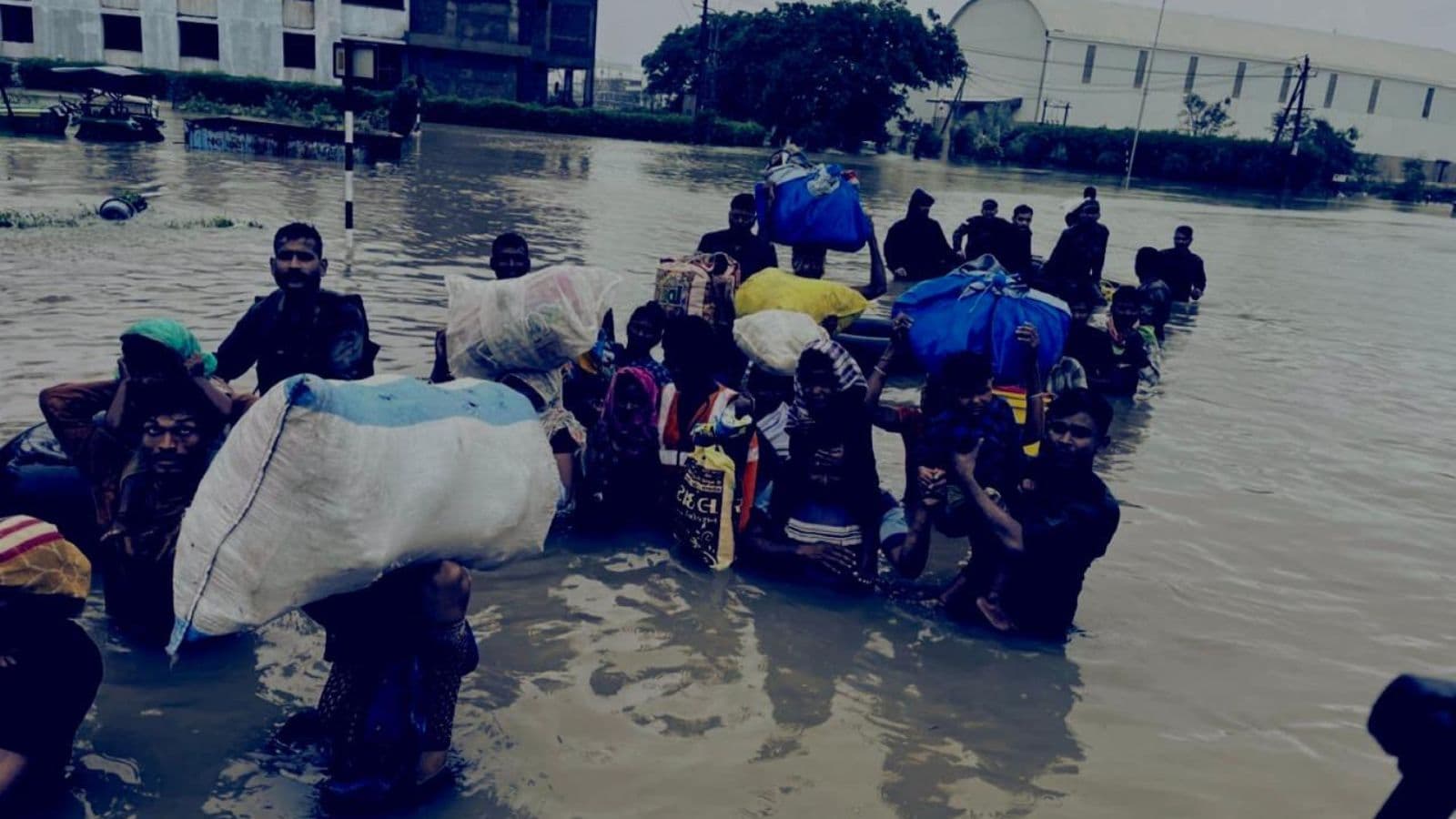
In one of the largest flood relief operations the region has seen, more than 900 people were rescued in a span of 48 hours from the severely flooded Gallops Industrial Park near here, officials said.The rescued individuals were people who work at the Park in rural Ahmedabad’s Bavla, and their family members.Leading the operation that ended Saturday evening was Deputy Superintendent of Police (DySP) Neelam Goswami. Apart from boats and military trucks, a requisitioned tractor was used in the rescue since it could wade through a few feet of floodwater with dozens of people on board.Gallops Industrial Park is situated between Sanathal Chowkdi and Bagodara toll plaza on National Highway 47—the main road connecting Central Gujarat to the heart of Saurashtra in Rajkot. Even on Saturday, the highway was still under at least three feet of water after two days of rain left rural Ahmedabad flooded and unmotorable, even for heavy vehicles. Till 6pm, over 800 people had been evacuated from the industrial zone. Another 100 were rescued by 8pm. About 60 police personnel, and one platoon each of the State Disaster Response Force (SDRF), the Golden Katar Division of the Southern Army Command and the Indian Coast Guard (ICG), were engaged in the rescue and relief operation.Story continues below this ad SP Om Prakash Jat said the tractors used in paddy fields had modified tyres that allow them to get better grip on muddy grounds. (Express)Meanwhile, about 30 km to the south, the outskirts of Dholka town and its neighbouring villages were also under floodwater, which was 6-7 feet in some places. The main mode of transportation here, too, was tractors, 15 of which were requisitioned from paddy farmers. “We requisitioned 15 tractors from locals. We use them for patrolling, rescuing people, managing traffic and distributing aid — they are an all-purpose vehicle,” said DySP Prakash Prajapati. “Air filters of tractors are in the front. We turn them upwards so that water doesn’t get into them in the middle of an operation.” SP Om Prakash Jat said the tractors used in paddy fields had modified tyres that allow them to get better grip on muddy grounds. However, their owners declined to accompany rescue officials due to the risk of getting stranded. In response, the police sent their officials with each vehicle to assure people of help if they were stranded.Story continues below this ad The officials said the situation in Dholka was stable on Saturday, but water was receding slowly. Villages along the Sabarmati banks could face further problems if more water was released from the upstream Ahmedabad. Meanwhile, more people now wanted to be evacuated from the flooded areas, they added. DySP Prajapati said, “On the first and second day (July 23 & 25), people refused to evacuate even when the downpour caused waterlogging in villages around Dholka. Many were afraid to abandon their home. But today (July 25), people are tired since the water levels are not going down. They wanted to be evacuated.” Till Saturday evening, more than 400 people had been evacuated in Dholka; many were taken to the Swaminarayan temple, which is on higher ground.Story continues below this ad Ahmedabad District Development Officer (DDO) Videh Khare told The Indian Express, “Dholka has a flooding issue, especially in its Nagarpalika area. We have moved people from Bhetawada, Transad and Nesda villages and sent them to higher grounds. We have provided food and shelter to some villages that are completely cut off. These villages are Jalalpur, Vazifa and Ambaliyara. We used tractors mostly, but two Army trucks as well. Three NDRF teams stepped in with their boats.” Overall, 2,000 police personnel, three SDRF teams, three NDRF teams, two Army teams and two coast guard teams were deployed across rural Ahmedabad. Their efforts were complemented by the district administration and Ahmedabad Fire and Emergency Services (AFES). Why are highways flooded? Since July 23, the Ahmedabad to Bagodara

Behere's startup, Witch Craft Innovations LLP, transforms the notorious aquatic weed into comfortable, highly aesthetic, and affordable lifestyle products, from lampshades and table mats to footwear. They are among a nature lover’s nightmare — green, suffocating, pervasive. Peer over the bridges of Pune’s Mutha river or stand on the edge of Pashan Lake and you see them cover the water’s surface. Water hyacinths block sunlight and oxygen from reaching aquatic plants, fish and other marine life, they breed mosquitoes and destroy the quality of the water body they occupy. For Laxmi Behere, an industrial design professional who studied at Srishti Manipal Institute of Art, Design and Technology, water hyacinths are also a raw material that can solve its own problem. “When I was experimenting with water hyacinth, braiding it, breaking it down, making pulp, I realised its qualities. If more entrepreneurs started exploring its potential, the problem would vanish,” she says.Behere’s startup, Witch Craft Innovations LLP, transforms the notorious aquatic weed into comfortable, highly aesthetic, and affordable lifestyle products, from lampshades and table mats to footwear. “I was introduced to the potential of water hyancinth during a college project that took us to Guwahati, Assam, where the government was exploring water hyacinth crafting. We were challenged to design an intervention that could help local artisans earn more than a baseline of Rs 500 a day,” she says. She designed a cutting tool to speed up the processing of the raw material, freeing up time for artisans to focus on high-value weaving. Then, she started conducting a market survey. “I realised that footwear had potential. Footwear is an everyday product. We could directly challenge the fast-fashion market,” she says. Returning to Pune after her studies, Behere found water hyacinth clogging the waterbodies here. She joined Jeevitnadi, a group that works for the rights of rivers, and began harvesting Pune’s water hyacinth. An onlooker might see her drying water hyacinth of riversides before Behere takes these to her workshop in Bibvewadi. “It has a natural elasticity. If you keep it slightly moist, it bends without breaking, allowing for tight braids and intricate molds. And as the product ages, it develops a natural shine,” she says. The footwear hit the market this year and she has been approached for customised orders. The startup’s name, Witch craft, is a nod to literature and female empowerment. “Witches were the original wise women with healing powers,” says Behere. “Water hyacinth has zero value in the water, but immense value outside it. We have only women staff. Many come from domestic spaces where their labour is often undervalued. In the studio, they become creators, artisans and makers,” she says.Story continues below this ad The startup was fueled by a Nidhi-EIR fellowship and crucial CSR grant funding through Pune’s Venture Center incubation hub, allowing Behere to purchase looms and machinery. Behere, who has a studio-cum-store on Prabhat Road (available by appointment), now aims to increase product sales this year and scale up the design range. “If we hit that, we can harvest more hyacinth, build a larger storage facility, and establish a new craft cluster in and around Pune,” she says. © The Indian Express Pvt Ltd Dipanita Nath is a Senior Assistant Editor at The Indian Express, based in Pune. She is a versatile journalist with a deep interest in the intersection of culture, sustainability, and urban life. Professional Background Experience: Before joining The Indian Express, she worked with other major news organizations including Hindustan Times, The Times of India, and Mint. Core Specializations: She is widely recognized for her coverage of the climate crisis, theatre and performing arts, heritage conservation, and the startup ecosystem (often through her "Pune Inc" series). Storytelling Focus: Her work oft
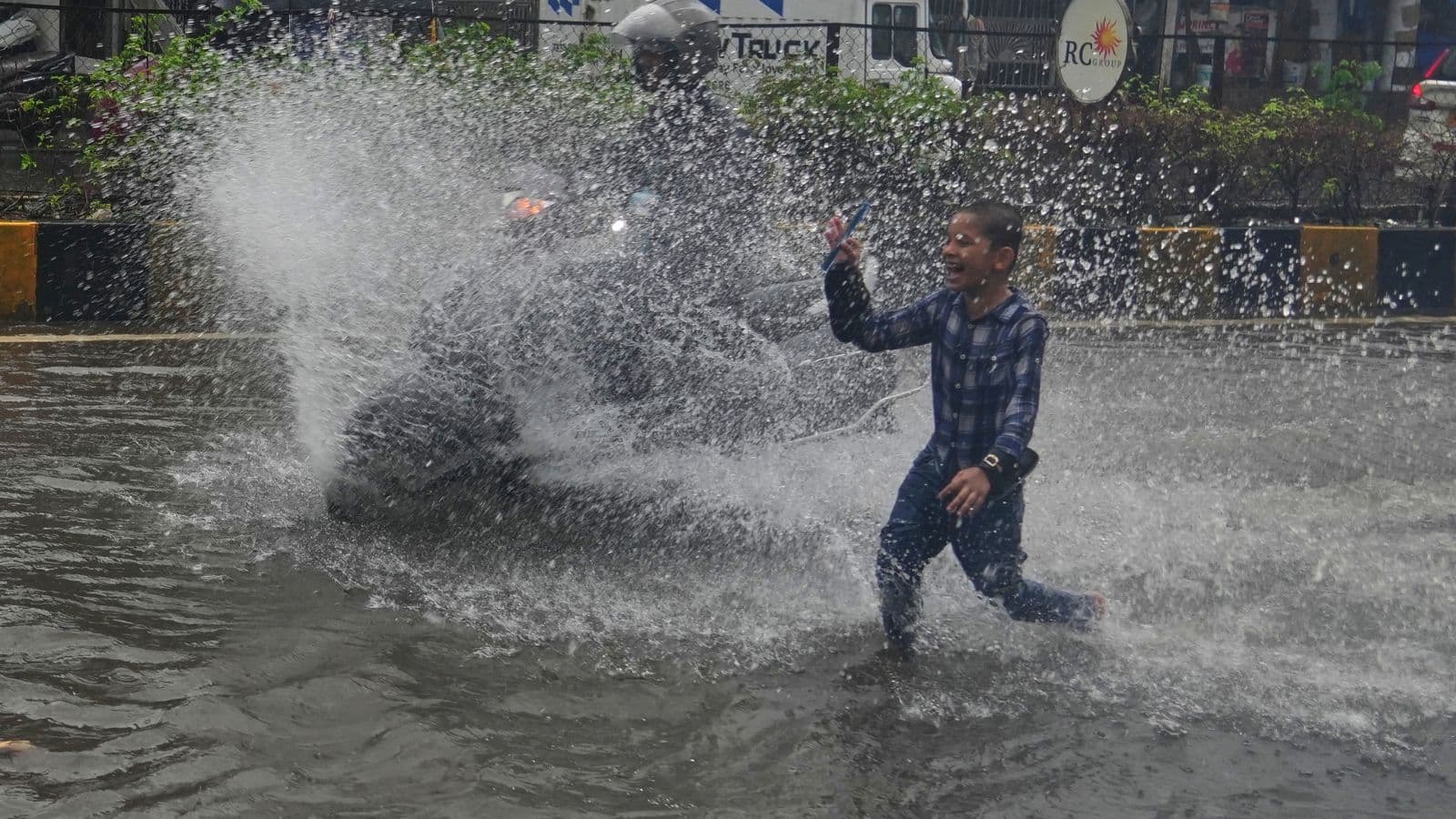
Even as heavy downpour eludes the region, Mumbai has already surpassed its average monthly rainfall of 920 mm. (Express Photo by Aakash Patil)Mumbai and its neighbouring districts are slated to experience an uptick in rain activity with the India Meteorological Department (IMD) forecasting the possibility of moderate rainfall across the region, from the weekend. After recording drizzle of negligible proportions over the past one week, the city experienced light rain activity on Saturday morning. Records from the Brihanmumbai Municipal Corporation’s weather stations showed that between Friday and Saturday morning, the eastern suburbs recorded the heaviest rain at an average 15.27 mm, followed by 7.31 mm rain in the western suburbs and 1.67 mm rainfall in the island city division. During the same period, IMD’s Santacruz observatory recorded over 3 mm rainfall.Throughout Saturday, the city experienced overcast skies with spells of light showers – in much contrast to the sunny days over the past few days which left the temperatures soaring above the normal levels. In its forecast bulletin, the IMD has stated that rain intensity is likely to gather pace with the city recording moderate rainfall. While the weather bureau has not issued any alerts for the region, the IMD on Saturday placed Thane, Raigad as well as Palghar districts under a yellow alert owing to possibility of heavy rainfall in isolated pockets. No alerts have been issued from Sunday, despite the possibility of further increase in rain activity. According to meteorologists, there is an upper air cycloniv circulation and a low pressure area system, which will usher in moisture and induce some rainfall. Even as heavy downpour eludes the region, Mumbai has already surpassed its average monthly rainfall of 920 mm. So far, Mumbai’s suburbs have clocked in 1,159 until Saturday spurred by unabated rainfall that lashed Mumbai and its neighbouring districts between July 1 and July 8. Despite a delayed onset of southwest monsoon in Mumbai, the city has recorded a positive departure of 47 percent above the normal from the seasonal average rainfall.
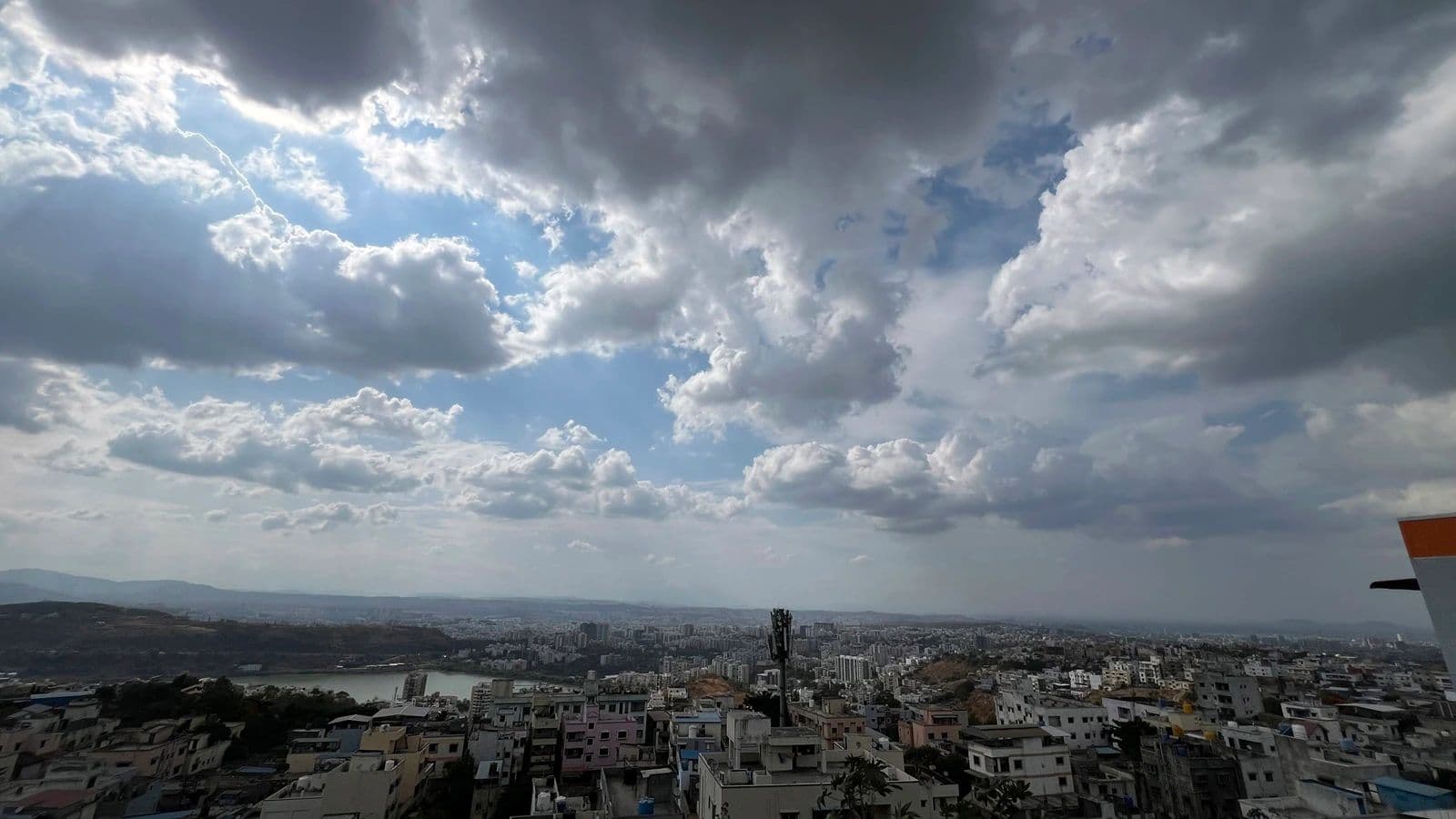
The weather department has warned that heavy to very heavy rainfall at isolated places is expected to peak between July 20 and 22. (Express/File photo)After witnessing weak monsoon conditions over the past few days, Punjab, Haryana and Chandigarh are set to receive an active spell of rainfall from Saturday to July 23, with the India Meteorological Department (IMD) forecasting widespread rain across the region. The weather office has warned that heavy to very heavy rainfall at isolated places is likely during the period, with the spell expected to peak between July 20 and 22. According to the IMD’s special weather bulletin issued on Saturday, the prevailing weak monsoon conditions are expected to continue over the next 24 hours before rainfall activity intensifies from July 19. Heavy to very heavy rainfall, exceeding 12 cm, is likely at isolated places over the northern and eastern parts of Punjab and Haryana between July 20 and 22, while heavy rainfall may continue at isolated places on July 23. Chandigarh is also expected to witness widespread rainfall during the spell.Flash flood risk The weather department has cautioned that intense rainfall could raise the water levels of rivers and seasonal streams, increasing the risk of flash floods. Waterlogging in low-lying areas, temporary closure of underpasses, traffic congestion due to poor visibility and slippery roads, and short-term disruption of civic services such as water and electricity supply are also among the expected impacts. Standing crops and harvested produce kept in the open may also suffer damage.Chandigarh Hina Rohtaki is a Special Correspondent at The Indian Express, based in Chandigarh. She is one of the most prominent journalists covering the Chandigarh Administration, civic issues, and the unique political status of the Union Territory. Professional Background Experience: She has been in the field for over a decade and is known for her investigative reporting on administrative waste and urban governance. Awards: She is a recipient of the prestigious Ramnath Goenka Excellence in Journalism Award, which was presented to her by the President of India in January 2020. She was also awarded the Jethmalani prize (The Will of Steel Awards) in 2025 in the Empowerment category for a series of articles that highlighted the struggles of Covid widows. Core Beat: Her primary focus is the Chandigarh administrative structure, the Union Territory's financial management, and urban development projects. Recent Notable Articles (Late 2025) Her recent work highlights a focus on government accountability, administrative expenditures, and civic trends: 1. Investigative & Financial Reporting "Fuelling power: Senior UT IAS officers guzzled petrol worth Rs 30 lakh in 2 yrs" (Dec 14, 2025): An investigative report detailing the high fuel bills of top bureaucrats, including the Finance Secretary and Chief Secretary’s staff. "Admn spends Rs 1.5 crore on dismantling road railings and fixing again after increasing height" (Dec 8, 2025): Highlighting administrative waste on "non-viable" solutions for pedestrian control. "Chandigarh’s finances under ministry’s watch now" (Nov 27, 2025): Reporting on the new requirement for MHA approval for all new projects in the UT. 2. Governance & Constitutional Status "What will it mean for Chandigarh if it is brought under Article 240?" (Nov 24, 2025): An "Explained" piece on the potential constitutional shift that would grant the President more power over the UT's governance. "MP Manish Tewari moves Bill seeking directly elected Mayor with 5-year tenure" (Dec 6, 2025): Covering the legislative push to reform Chandigarh's municipal leadership structure. "No proposal to increase Mayor's term in Chandigarh by 5 years: Centre" (Dec 10, 2025): Reporting on the Union government's response to demands for a longer mayoral term. 3. Urban Infrastructure & Environment "Chandigarh admn cuts power to Ind



Discussion (0)