
Loading dispatches...
← Return to Newsroomgeneral
Im on every hit list: Israel shared intelligence on alleged Iran assassination plot against Trump, say report
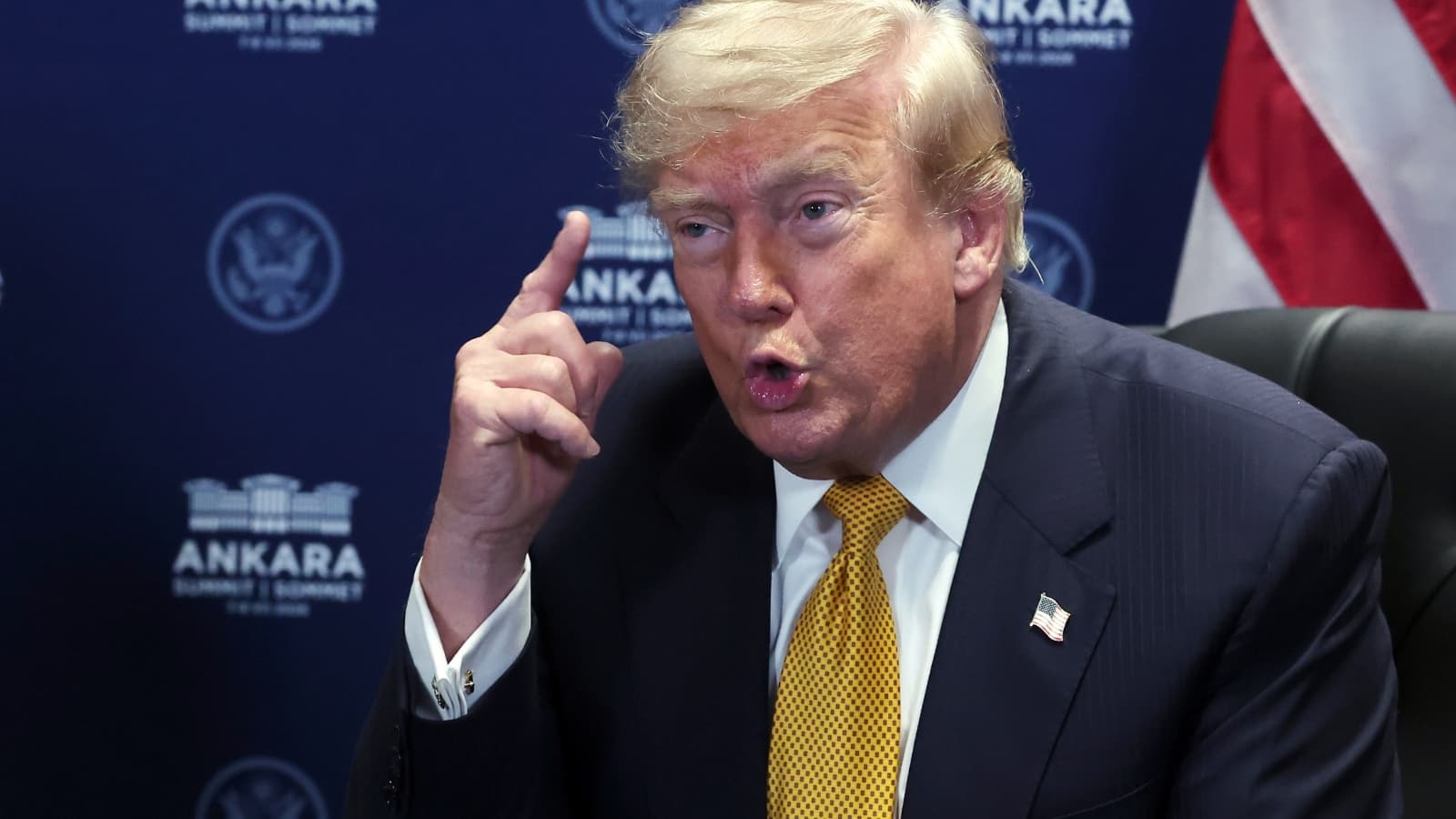
Updated: Jul 10, 2026 03:30 PM IST President Donald Trump speaks during a meeting with NATO Secretary General Mark Rutte at the NATO summit in Ankara, Turkey, on Wednesday. (AP) Israel has shared intelligence with the United States alleging that Iran recently developed a new plan to assassinate President Donald Trump, CNN and The Wall Street Journal reported, citing sources familiar with the matter. The reported intelligence comes amid renewed US-Iran tensions in West Asia, even as the two countries continue nuclear negotiations. The CNN report, citing a source familiar with the matter, claimed that the warning came this week. It added that the US had received intelligence in recent weeks about possible threats against Trump, but the information shared by Israel involved a specific alleged plan.Iran has repeatedly vowed to retaliate against Trump over the 2020 killing of top Revolutionary Guard general Qassem Soleimani during Trump’s first term. The Israeli embassy in Washington declined to comment on the matter while Iran’s mission to the United Nations did not immediately respond to requests for comment. ‘I am on every single list of Iran’, says Trump During the NATO summit in Ankara in Turkey on Tuesday, Trump told reporters that he is on every hit list of Iran, reported the Wall Street Journal. He said, “They want to take out the US leader—me. I’m on every list. I saw this morning, I’m on every single one of their lists. And so far, I guess I’ve been a little bit lucky, but that maybe doesn’t last very long. These are evil, sick people. And we have to root out that cancer. That cancer. You know what you do? You’ve got to cut out cancer early. And that’s the way I feel.” MORE – Trump: “I’m #1 on the kill-list for Iran.” pic.twitter.com/BNgGII5Ib7 — Disclose.tv (@disclosetv) July 8, 2026 Trump said he had recently learned of a new list that ranked him as Iran’s top assassination target, though it is unclear whether he was referring to the intelligence shared by Israel, CNN reported. The report further claimed that US intelligence agencies were monitoring potential threats linked to Iran but have not confirmed any active plot. One source added that some officials view the Israeli intelligence as part of a broader effort to influence Trump’s decisions on Iran.Story continues below this ad Crowds at the funeral of Iran’s late Supreme Leader Ayatollah Ali Khamenei chanted slogans calling for the death of US President Donald Trump over the weekend. Trump and Israeli Prime Minister Benjamin Netanyahu also spoke by phone on Thursday and agreed to continue coordination between the two countries, according to Netanyahu’s office. Netanyahu is expected to visit Washington soon for talks with Trump. The official said Washington and Tehran are aiming to reach a nuclear deal by mid-August as talks are currently underway, even after President Donald Trump declared the Memorandum of Understanding with Iran was “over”. © IE Online Media Services Pvt Ltd The Express Global Desk at indianexpress.com which delivers authoritative, verified, and context-driven coverage of key international developments shaping global politics, policy, and migration trends. The desk focuses on stories with direct relevance for Indian and global audiences, combining breaking news with in-depth explainers and analysis. A major focus area of the desk is US immigration and visa policy, including developments related to student visas, work permits, permanent residency pathways, executive actions, and court rulings. The Global Desk also closely tracks Canada’s immigration, visa, and study policies, covering changes to study permits, post-study work options, permanent residence programmes, and regulatory updates affecting migrants and international students. All reporting from the Global Desk adheres to The Indian Express’ editorial standards, relying on official data, government notifications, court documents, and on-record sources. The desk prioritis
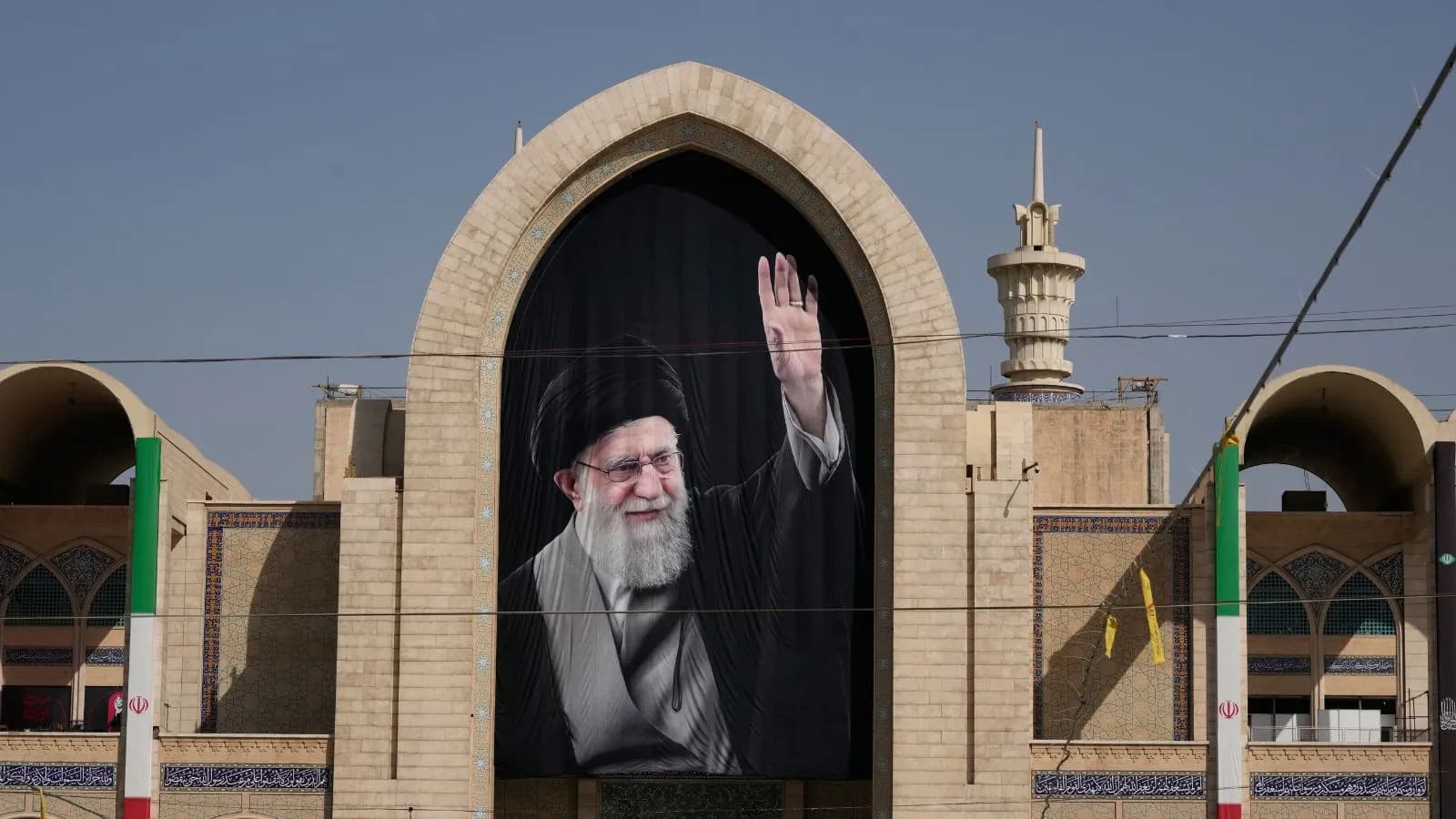
New DelhiUpdated: Jul 10, 2026 09:57 AM IST A portrait of the slain Iranian Supreme Leader Ayatollah Ali Khamenei hangs at the Imam Khomeini Mosalla Grand Mosque as preparations are underway ahead of his dayslong funeral ceremonies in Tehran, Iran. (Photo: AP)The Allahabad High Court recently refused to entertain a public interest litigation (PIL) seeking directions to restrain the Uttar Pradesh Police from allegedly interfering with the peaceful display of portraits of Iranian leaders, including Iran’s late supreme leader Ayatollah Seyyed Ali Khamenei, on private properties. Examining the petition, a bench of Justices Rajan Roy and Manjive Shukla observed that the plea contained general and vague statements regarding police interference and that a PIL cannot be proceeded with on such submissions.“General and vague averments have been made regarding police interference and removal of posters of certain religious leaders of Iran, who are dear to the Shia community illegally,” the order dated July 7 read. Justices Rajan Roy and Manjive Shukla refused to entertain the PIL.It further noted that no specific instance was shown to the court with respect to any house or premises where the poster may have been pasted, installed, or removed, nor was it demonstrated as to how it had been done. The court, however, added that if any individual has a specific grievance against any police officer under any provision of law, the appropriate statutory remedy remains available. “If there is any specific cause against any such police person under any provision of law, then the remedy prescribed in this regard can be availed, but we see no reason to consider such an omnibus prayer based on such averments,” the court remarked. What plea contended The plea was filed by Majlis Ulema-E-Hind alleging that police authorities across the State were unlawfully interfering with the peaceful display of portraits of prominent Shia religious leaders from Iran, particularly Khamenei and Ayatollah Seyyed Ali Al-Sistani, during religious mourning gatherings.Story continues below this ad It sought a direction to all district police heads, superintendents of police, and station house officers across the state of Uttar Pradesh to immediately cease and desist from taking any coercive action, executing detentions against individuals ‘peacefully displaying portraits’. The plea also sought direction that the police machinery be immediately restrained from interfering with, dismantling, or seeking the removal of portraits, banners, or visual representations of recognised global spiritual leaders, including Ayatollah Seyyed Ali Khamenei and Ayatollah Seyyed Ali Al-Sistani, when displayed lawfully and peacefully by citizens on the walls, gates, or precincts of their private residential properties or private commercial establishments. Ayatollah Ali Khamenei, who led Iran for over three decades was killed in US-Israeli airstrikes in February. Khamenei rose to prominence during the 1979 Islamic Revolution that overthrew the Shah. After the death of Ruhollah Khomeini in 1989, he was appointed the supreme leader, despite not holding the highest clerical rank at the time. Ashish Shaji is a Senior Sub-Editor at The Indian Express, where he specializes in legal journalism. Combining a formal education in law with years of editorial experience, Ashish provides authoritative coverage and nuanced analysis of court developments and landmark judicial decisions for a national audience. Expertise Legal Core Competency: Ashish is a law graduate (BA LLB) from IME Law College, CCSU. This academic foundation allows him to move beyond surface-level reporting, offering readers a deep-dive into the technicalities of statutes, case law, and legal precedents. Specialized Legal Reporting: His work at The Indian Express focuses on translating the often-dense proceedings of India's top courts into clear, actionable news. His expertise includes: Judicial Analysis: Breaking down comp

Ali Khamenei, Iran's former Supreme Leader, has been laid to rest at the shrine of Imam Reza in his home city of Mashhad after a week-long funeral ceremony across five Iranian cities and two counties. As thousands of people attended the funeral processions, Iranian officials and policymakers said that Khamenei's death in the US-Israel strikes has "united the people of Iran" and "silenced" all those who had risen against the government in January.Professor Seyed Emamain, Founder of Governance and Policy Thinktank (GPTT), and Ali Salehian, Head of the International Department GPTT, have spoken to NDTV about the mass uprising against Khamenei's rule in January to mass support after his death.#Watch | From mass uprising against Khameini rule in January to mass support after his death - Iran's former Supreme Leader Ayatollah Ali Khamenei, dubbed 'Agha Jaan' by his supporters, will be laid to rest today after week long funeral ceremonies.NDTV's @nazir_masoodi spoke… pic.twitter.com/MRJ2M619nu— NDTV WORLD (@NDTVWORLD) July 9, 2026"The death of Ali Khamenei has revolutionised Iranian society. Iranian society was involved in domestic politics, having diversified views with regard to political and cultural issues. As the war brought about an existential threat to the Iranian people and to the sovereignty and integrity of Iran, the society as a whole came to the conclusion that it's time to defend the country and civilisation," said Seyed Emamain.He said when US President Donald Trump threatened that Iranian civilisation would be "wiped out", Iranian people came together to fight back and defend Iran's sovereignty and integrity."What we saw in the last four months is a revolution," he said.Ali Salehain said that over 4,000 civilians were killed in Iran during the war, including 170 children at the Minab school. He said it was a turning point in the country."You may have a different political view, but when people saw that children were being killed just for fun, all Iranians made a united front against a foreign invader. Regardless of political views, when people see that a foreign invader is attacking them, they all decide to be united," he said.Before Khamenei's death, Iran was facing civilian unrest, demanding an end to his rule. Thousands of these people were reportedly killed in a major military crackdown in January. While the war and the killing of Khamenei appear to have silenced critics and ended the internal crisis, Emamain claimed that protests and unrest were backed by foreign forces, including Israel's Mossad."What happened on January 8, as an academician and thinktanker, I will not deny some domestic disagreements amongst the Iranians. It was also because of some deep economic problems faced by the people of Iran due to decades of US sanctions. But the unrest was organised by Mossad agents," he said.He said the January uprising was a very challenging time for Iranian national security. "It was a very sophisticated warfare machinery designed by Israelis and the US to topple the Iranian regime but also to divide Iranian territorial integrity," he said."The Iranian government has to assure people that deterrence is now revived and the aggressor has been punished," Emamain said.During the war, Iran has launched missile and drone attacks on American bases in Gulf countries, including Jordan, Bahrain, Kuwait, Qatar, Saudi Arabia and the UAE."Our war is not with our neighbours. We have been living together for thousands of years. But the problem is US military bases - if they want peace, let them ask the US to vacate these bases. Our problem is the US bases, not our neighbours," Salehain said. How may i help you today
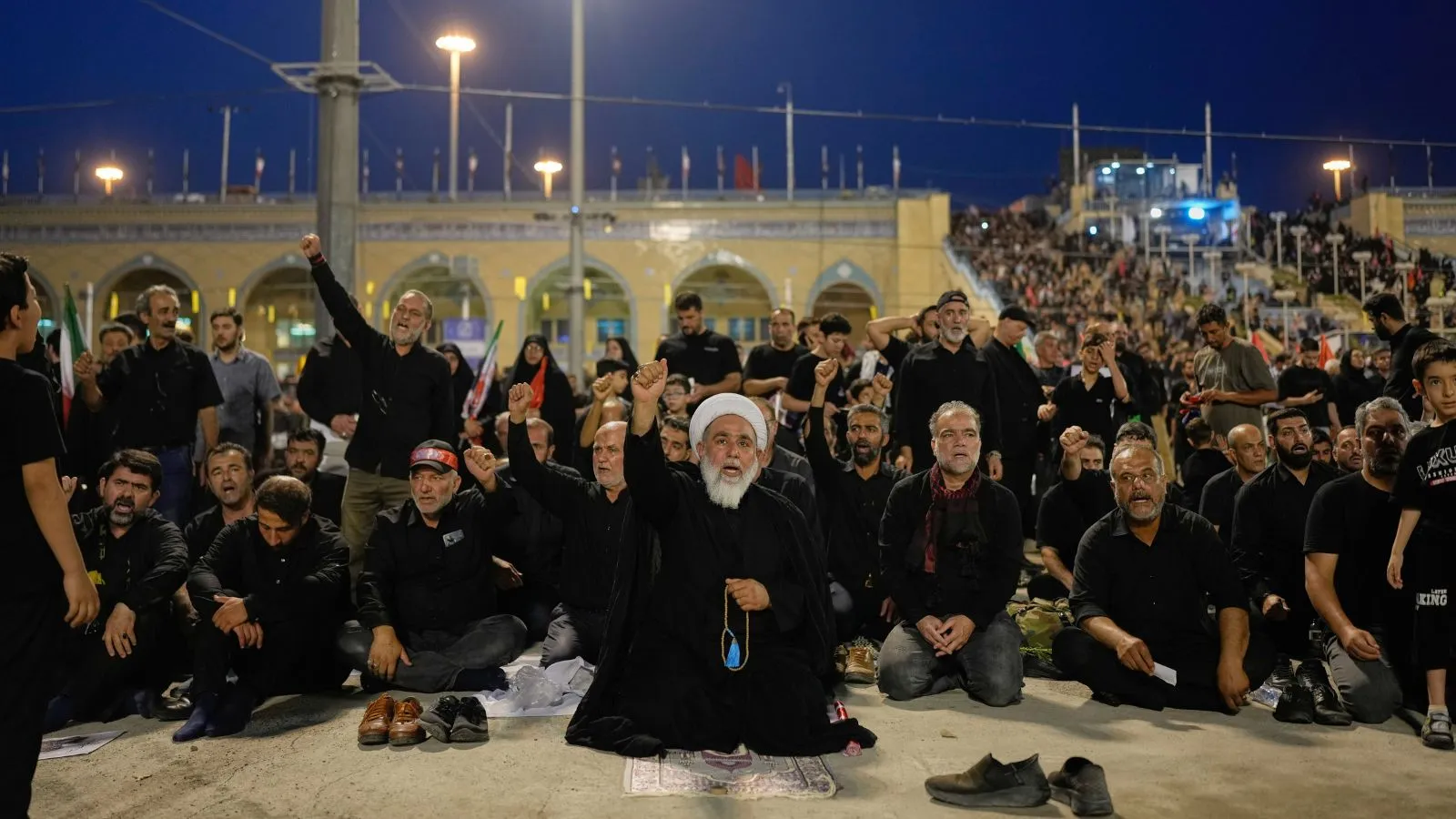
A cleric raises his fist after leading a prayer during the funeral ceremonies for slain Iranian Supreme Leader Ayatollah Ali Khamenei and members of his family at the Imam Khomeini Mosalla Grand Mosque in Tehran, Iran. (Photo: AP)Millions of people are expected to attend across multiple locations in Iran and Iraq until July 9, for the funeral of Iran’s Supreme Leader Ayatollah Ali Khamenei, who was killed along with members of his family at the start of the US–Israel war on Iran. Authorities are preparing for large crowds as funeral ceremonies begin across the country. Mass turnout expected: Iranian officials have put emergency plans in place amid concerns that the scale of the gatherings could lead to casualties. A report by Germany’s Die Welt, citing a classified document, said authorities are preparing for a possible death toll of between 1,500 and 3,000 during the processions due to overcrowding or related incidents.Story continues below this ad Iran has begun six days of public funeral ceremonies, with events starting in Tehran and later moving to Iraq before burial. Officials expect between 15 and 20 million people to attend in Tehran alone over the next three days. Meanwhile, Israel has continued strikes in southern Lebanon, saying it is targeting Hezbollah infrastructure despite a framework agreement reached last month to end hostilities. The late ayatollah’s successor, his son Mojtaba Khamenei, is yet to make a public appearance, adding to doubts about his health and fueling questions over who is leading the nation. Key points Over 10 million people and delegates from 100+ countries expected at the funeral Iran preparing for possible mass-casualty incidents during processions Authorities estimate 15–20 million attendees in Tehran over three days Funeral ceremonies to continue in Iraq before final burial Mojtaba Khamenei, named successor, has not yet appeared in public Follow The Indian Express Global Desk live coverage for the latest updates from West Asia, the diplomatic corridors of Europe, and the evolving legal battles in Washington. Live UpdatesStay updated with the latest - Click here to follow us on Instagram© IE Online Media Services Pvt Ltd Tags: Ayatollah Ali Khamenei Iran US tension
Women react as they walk to pay their respects near the coffins of Irans late Supreme Leader Ayatollah Ali Khamenei and his family members, on the day international delegates participate in a farewell ceremony for Khamenei, who was killed on February 28 during Israeli and U.S. airstrikes on Iran, at the Imam Khomeini Grand Mosalla in Tehran, Iran July 3, 2026. The week-long ceremonies for Iran’s Supreme Leader Ayatollah Syed Ali Khamenei begin in Tehran, where Khamenei’s body will lie in state before a procession through Tehran, Qom and Iraq’s Karbala, ahead of his burial at the Imam Reza shrine in Mashhad. His body will be taken through several Iranian cities before travelling to neighbouring Iraq as part of days-long mourning ceremonies. Iranian authorities have called on citizens, government officials and members of paramilitary groups to participate in large public gatherings to pay their final respects. Iran calls for mass participation: Calling his death “the beginning of a new chapter of national unity”, President Masoud Pezeshkian urged massive public participation, describing the funeral as a demonstration of Iran’s resilience and solidarity. Khamenei was killed in US-Israeli airstrikes on Iran on February 28, and the funeral was delayed for months after as the conflict involving Iran, Israel and the United States was still underway.Story continues below this ad Who is representing India at the funeral: India has sent an official delegation to represent the nation at the funeral ceremony. The delegation is led by Minister of State for External Affairs Pabitra Margherita and Bihar Governor Lt Gen (Retd) Syed Ata Hasnain, accompanied by MEA officials. Congress leader Salman Khurshid is representing the party, while BJP president Nitin Nabin, PDP chief Mehbooba Mufti, and Aga Syed Hassan Mosavi Al Safavi also received invitations. Follow The Indian Express Global Desk live coverage for the latest updates from the Middle East, the diplomatic corridors of Europe, and the evolving legal battles in Washington. Live UpdatesStay updated with the latest - Click here to follow us on Instagram© IE Online Media Services Pvt Ltd Tags: Ayatollah Ali Khamenei Iran-Israel War US Iran

Discussion (0)