
Loading dispatches...
← Return to Newsroomgeneral
Self-immolation of 25-yr-old sparks anger against Balen govt, protests planned in Nepal
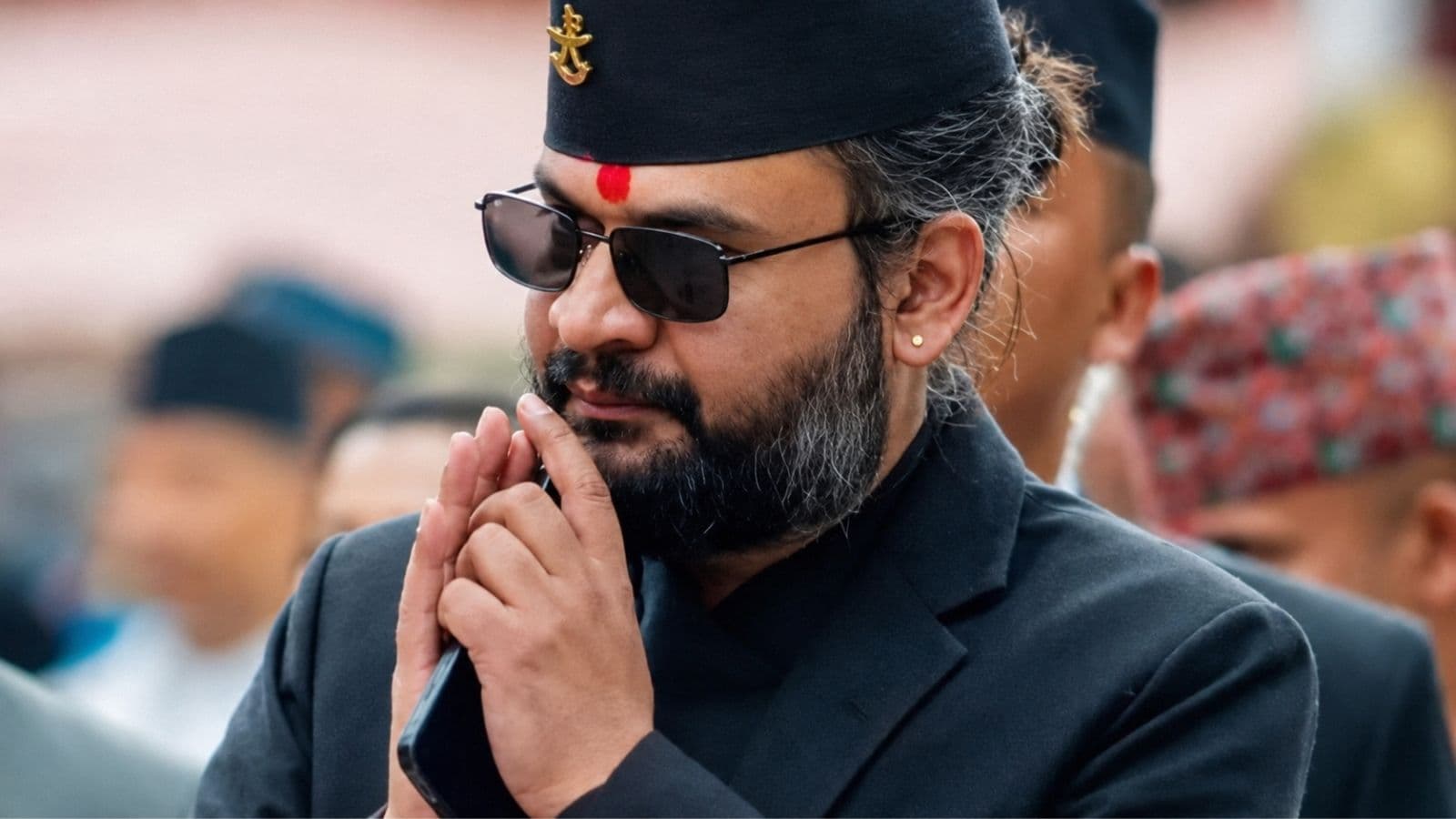
Nepal Prime Minister Balen Shah amid mounting public protests following the death of Ganesh Nepali and criticism of the government's handling of displacement and policing (file Photo enhanced using AI)Ganesh Nepali’s mortal remains were on Monday consigned to flames at Aryaghat on the bank of the Bagmati River, two days after he succumbed to injuries that he inflicted upon himself, The incident has brought anti-Balen Shah groups together, pushing the Prime Minister into the defensive. The incident triggered multiple protests against the many alleged “lapses” committed by the government in its 103-day tenure. Majjid Ansari , a law student and Gen Z activist who ultimately paved the way for Balen’s rise to power with Rastriya Swatantra Party sweeping the March 5 polls, is among the many arrested and assaulted by the police during the past two days.Ansari, 26, currently under treatment at the Tribhuvan University Teaching Hospital, said he has not been given any reason for his detention. He also appealed to all human right groups to make the government answerable for his assault and arrest when he had gone to a ‘holding centre’ in Kirtipur where those displaced after the April 26 demolition had been kept temporarily. They were being asked to vacate the facility without another alternative location. Incidentally, entry to two media offices, Kantipur and Himalaya TV, were blocked for some time. The protestors, shouting anti-Balen slogans, demanded the new PM be more respectful towards the poor. Sympathisers of Ganesh Nepali and victims of the April demolition drive had joined the protest in front of Singha Durbar, which houses the Prime Minister’s Office. They had assembled in big numbers but their plan for a much bigger rally on Monday did not take place because of the rain. Around 1,000 families had been rendered homeless when the Balen Government carried out a demolition campaign against “encroached areas” in the capital. The government also failed to keep its promise to provide alternate settlements. Of late, it issued a notice asking them to vacate the temporary holding centres and find a place for themselves, fueling protests. The self-immolation cemented multiple protests. In the following two days, two more individuals — Ashwin Raut from Kathmandu’s Budda Nagar and Vivek Mandal from Sarlahi district — also attempted self-immolation.Story continues below this ad Nepali, a 25-year old youth from Nepal’s remote Mugu district, was given a hero’s farewell in presence of his family. His family agreed to the funeral after the government consented to hold an inquiry into the incident, pay compensation, give a job to his wife and look after their children’s education. Nepali had set himself on fire after Kathmandu Metropolitan security guards clamped a wheel-lock to his motorbike that was parked in front of the passport office. He had gone to get his passport since he was looking for an opportunity to go abroad and work.
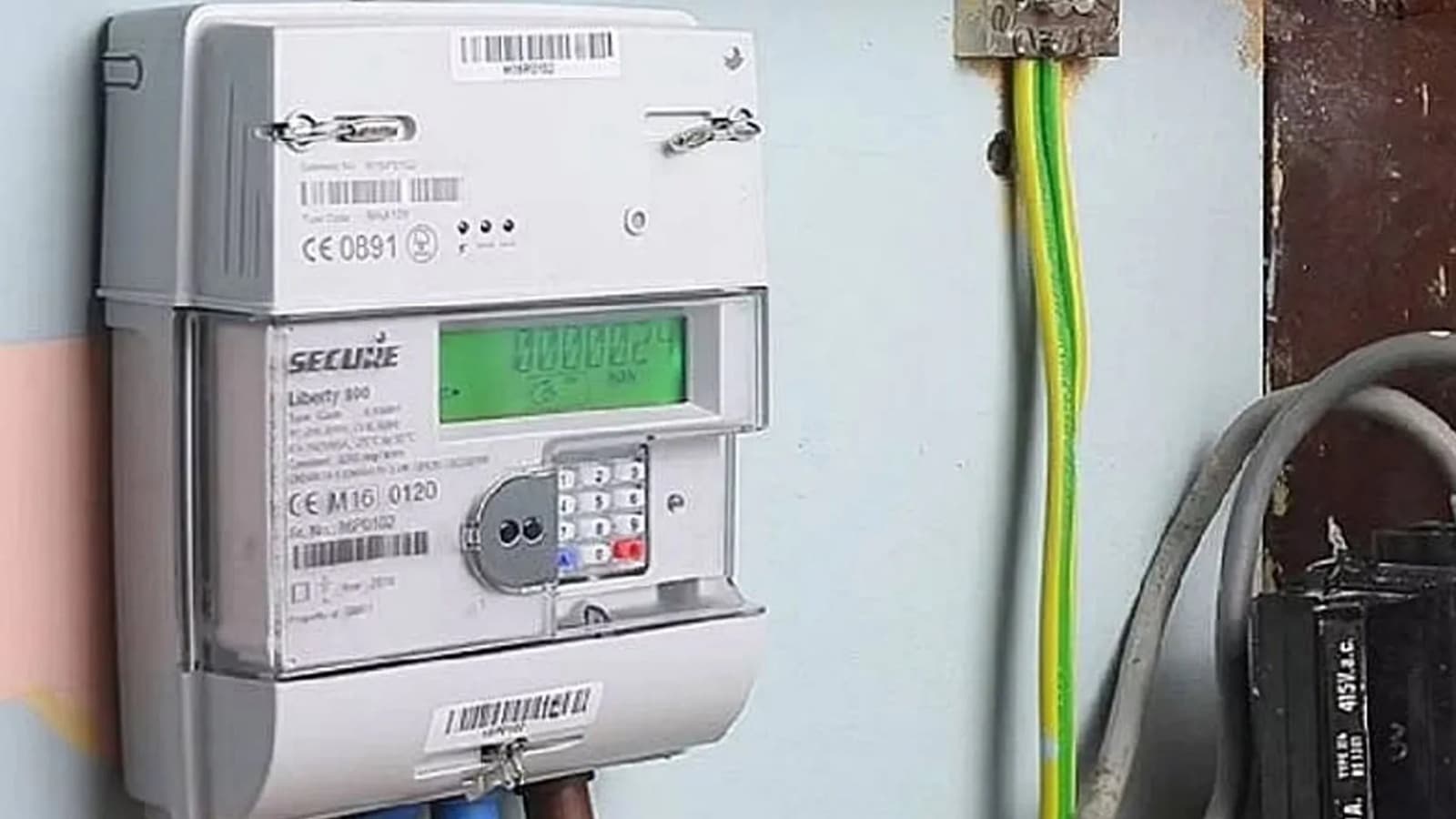
Electricity Ombudsman R G Devdhara found no fault in either the meter replacement or the disconnection process. (File Photo)CAN A power utility replace your electricity meter without your permission? As smart meters replace old meters in several parts of Gujarat, a Vadodara businessman’s challenge has settled the question. The Gujarat Electricity Ombudsman has upheld Madhya Gujarat Vij Company Limited’s (MGVCL) decision to replace the consumer’s existing meter and subsequently disconnect supply over unpaid dues of Rs 235.M D Patel, who runs a commercial establishment in Pratapnagar, challenged a May 12, 2026 order of the Consumer Grievances Redressal Forum (CGRF), Baroda City Circle, which rejected his objections to the installation of a smart meter and the subsequent disconnection of his power supply. According to Patel’s representation, MGVCL “unilaterally, without prior specific written notice, safety warnings, or the explicit consent of the Appellant” replaced his working meter with a smart meter on December 18, 2025. He claimed this triggered a “system-side server mismatch” that broke his bank auto-debit mandate – even though his other electricity connections on the same mandate continued functioning without a single default. When his electricity supply was disconnected on March 27 this year, Patel argued, the MGVCL had failed to issue the mandatory 15-day individual notice required under Section 56(1) of the Electricity Act. Patel pointed out that a routine bill footer “cannot legally take the place of” a statutory notice. He also alleged that MGVCL’s silence on his RTI queries about the legal basis for mandatory smart meters amounted to an admission that no such mandate existed, and sought Rs 25,000 in compensation along with restoration of his old meter. The MGVCL, however, argued that the smart meter installation formed part of a larger rollout undertaken under the Central Electricity Authority’s 2019 Metering Regulations and the Gujarat Electricity Regulatory Commission Supply Code, both of which empower distribution companies to upgrade metering infrastructure without obtaining individual consumer consent. The utility rejected Patel’s contention that the meter replacement had interfered with his payment mandate, arguing that auto-debit instructions are linked to the consumer number rather than the meter number itself.Story continues below this ad According to MGVCL, no payment had been received against the connection since December 2025 and the disconnection was carried out during a routine drive against defaulting consumers in March 2026. It also maintained that the statutory requirement of notice had been satisfied through warnings incorporated in the billing cycle in line with a 2021 advisory issued by the Ministry of Power. Electricity Ombudsman R G Devdhara found no fault in either the meter replacement or the disconnection process. “The material placed on record establishes that the Smart Meter was installed by the Respondent in compliance with the aforesaid provisions,” the Ombudsman observed while rejecting the challenge to the installation on June 29. The order also dismissed the auto-debit claim, noting that “except the appellant’s contention, no technical evidence has been produced to establish any nexus between installation of the Smart Meter and failure of the banking auto-debit facility.” On the issue of disconnection notices – which were the core of Patel’s case, the Ombudsman held that the argument that a separate individual notice was mandatory before disconnecting supply was “not acceptable”, observing that the applicable supply code permits disconnection warnings to be incorporated within regular electricity bills.Story continues below this ad The order concluded that the smart meter installation was carried out in accordance with the prevailing statutory and regulatory framework. The order held that “…the installation of the smart meter by the respond

AT LEAST two incidents of lion attacks on humans were reported from Bhavnagar and Amreli districts since Sunday night – with victims in both the incidents now undergoing treatment for their injuries in hospitals.In Bhavnagar, a sub-adult lion attacked a man and a video of the incident surfaced on social media. In the video, the lion is seen sitting on top of the injured man and the latter is trying to break free, while villagers raise an alarm nearby.The incident was reported from Garajiya village of Palitana tehsil in the district, which falls under Palitana Wildlife Range. Forest department officials identified the injured as Kalubhai Parmar, a resident of Garajiya village. The office of Range Forest Officer, Palitana Range, said in a statement that on June 5, a “prey was made” by a wild lion near Sonpari village. And then, around 9 am on Monday, the lion reached the revenue hill area in Garajiya village that is part of lions’ permanent movement corridor. The note said that despite instructions from a tracker of the Forest Department, some villagers did not stay away from the lion after it attacked a buffalo belonging to a local resident. The statement added that following this, some villagers harassed the lion, even running after it and trying to confine the big cat. A local resident, Kalubhai Parmar, was injured by the lion when he tried to protect his livestock. The lion then fled into the revenue hill area nearby. WATCH: Lioness attack in Gujarat caught on camera; forest team searches for big cathttps://t.co/1gMRtZlI4s pic.twitter.com/dtiT9zYw2W — The Indian Express (@IndianExpress) July 6, 2026 The incident was reported around 9 am on Monday. Forest Department officials soon reached the village and shifted Parmar first to Palitana Government Hospital and then to Bhavnagar Government Hospital for treatment. In the statement, the forest department also underlined that the best example of Asiatic lions’s coexistence is that the Maldhari (cattle herders) community is aware of its behaviour.Story continues below this ad “And therefore, Kalubhai Parmar understood the behaviour of wildlife, kept his cool, acted in a timely and prudent manner by not making any movement and ran his hand over the neck of the lion. And seeing this (timely act of Parmar of not panicking) the lion left, leaving him in the same condition without causing him any further injury.” Parmar, speaking to mediapersons later from hospital, claimed that the lion “caught hold of him for nearly half an hour”. Forest officials said a search has been launched to catch the lion. The Forest Department has also made an appeal to people not to harass any wild animal and to immediately contact Forest Department officials whenever its presence is sighted without trying to drive it away themselves.Story continues below this ad In another incident in Thhavi village of Savarkundla tehsil in Amreli district, a man, Raju Vaghela, was attacked by a lion while he was asleep in his hut on Sunday night. The man suffered serious leg injuries. The area falls under Jesar Wildlife Range. According to a statement by Jesar Range of the Forest Department, the incident happened around 10:45 pm on Sunday night. The lion suddenly attacked Vaghela, after which local residents raised an alarm and the lion ran towards the jungle area. Vaghela was shifted to Savarkundla Government Hospital for treatment. The Forest Department has intensified tracking and night patrolling at the spot of the incident and surrounding areas. At the same time, the Jesar Range Forest Officer has appealed people to be vigilant in the night hours and not to venture out alone into the village outskirts. The Saurashtra region of Gujarat, the only surviving natural habitat of Asiatic Lions, has witnessed an increase in attacks on humans by the big cats in recent months. The latest two incidents have taken the count of such incidents wherein a person was killed or suspected to have been killed by lions to six in recent
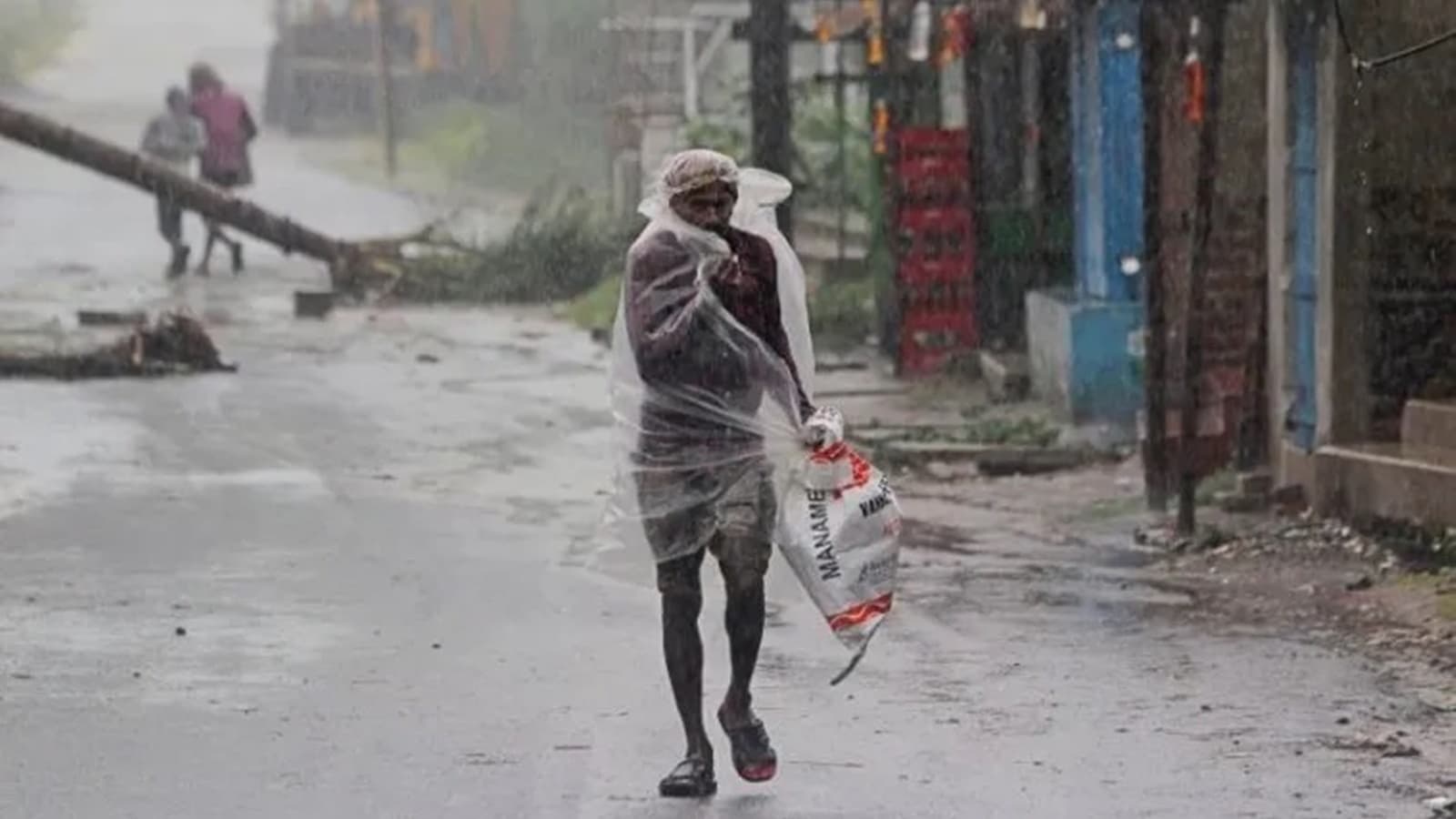
With the Centre expressing its ‘reservations’ to approve Odisha’s proposal seeking Rs 9,755 crore from the National Disaster Mitigation Fund to build disaster-resilient power infrastructure, the Odisha government has sought Union Home Minister Amit Shah’s intervention to facilitate an appropriate financing structure to take up the ambitious project.The state’s move to make the power transmission and distribution network disaster proof in highly vulnerable coastal districts assumes significance as Odisha frequently borne the brunt of severe cyclones because of its geographical location.Officials in the energy department said Coalition for Disaster Resilient Infrastructure (CDRI) jointly with the state government has identified that over 30 percent of sub-stations lie within 20 km of the coast line and 75 percent of distribution lines were commissioned three decades ago. making them highly susceptible to cyclone and flood related damages. In the past two decades, the state with more than 550 km coastline along the Bay of Bengal, faced more than seven severe to extremely severe cyclonic storms which caused extensive damage to critical infrastructure especially the power-related infrastructure. Official sources said Odisha’s power network has suffered a cumulative damage of nearly Rs 10,000 crore due to cyclones over 1999 (the year Odisha was hit by Super cyclone that claimed over 10,000 lives) to cyclone Fani in 2019. Multiple studies also suggest that prolonged power disruption and blackouts reduce firm revenues by 5-10 per cent. The Odisha government has placed a formal proposal before the National Disaster Management Authority on April 27 seeking funds from disaster mitigation funds. Before, state’s deputy CM KV Singh Deo, who holds the energy department, had also written to Shah seeking funds from the Centre for disaster-resilient power infrastructure in Odisha. “While Odisha has made significant progress in reducing disaster mortality through investments in preparedness, early warning systems and evacuation planning, the disruption of critical infrastructure continues to impose substantial economic and social costs and adversely affects continuity of essential public services,” said Odisha chief minister Mohan Charan Majhi in a letter to Shah on June 16.Story continues below this ad The proposed interventions include underground cabling of critical corridors, cyclone-resilient transmission and distribution systems, resilient substations, network redundancy, protection of lifeline facilities and adoption of advanced technologies to ensure continuity of services during and after disasters. ‘Nationally significant’ Majhi’s letter to the Union home minister came weeks after Union minister of state for home affairs Nityananda Rai responded to the state’s government’s proposal saying that the primary responsibility of disaster management rests with the state governments while the Centre only supplements the efforts. Rai also informed that proposals related to power generation. transmission, and distribution infrastructure, in which large-scale investments are typically made by regional and commercial entities. He said such commercial entities are expected to incorporate disaster-resilient design and risk mitigation measures into their investment framework. As damage to transmission and distribution systems during major cyclones directly affects hospitals, drinking water supply systems/ telecommunications, emergency operations centres, cyclone shelters, transportation services and livelihoods, building disaster-proof infrastructure will substantially reduce recovery time for essential services following major disasters.Story continues below this ad Citing the move as a nationally significant initiative, Majhi appealed that strengthening the resilience of these systems is not merely a sectoral investment but a “critical disaster risk reduction intervention” that directly benefits vulnerable communities and protects lifeline services
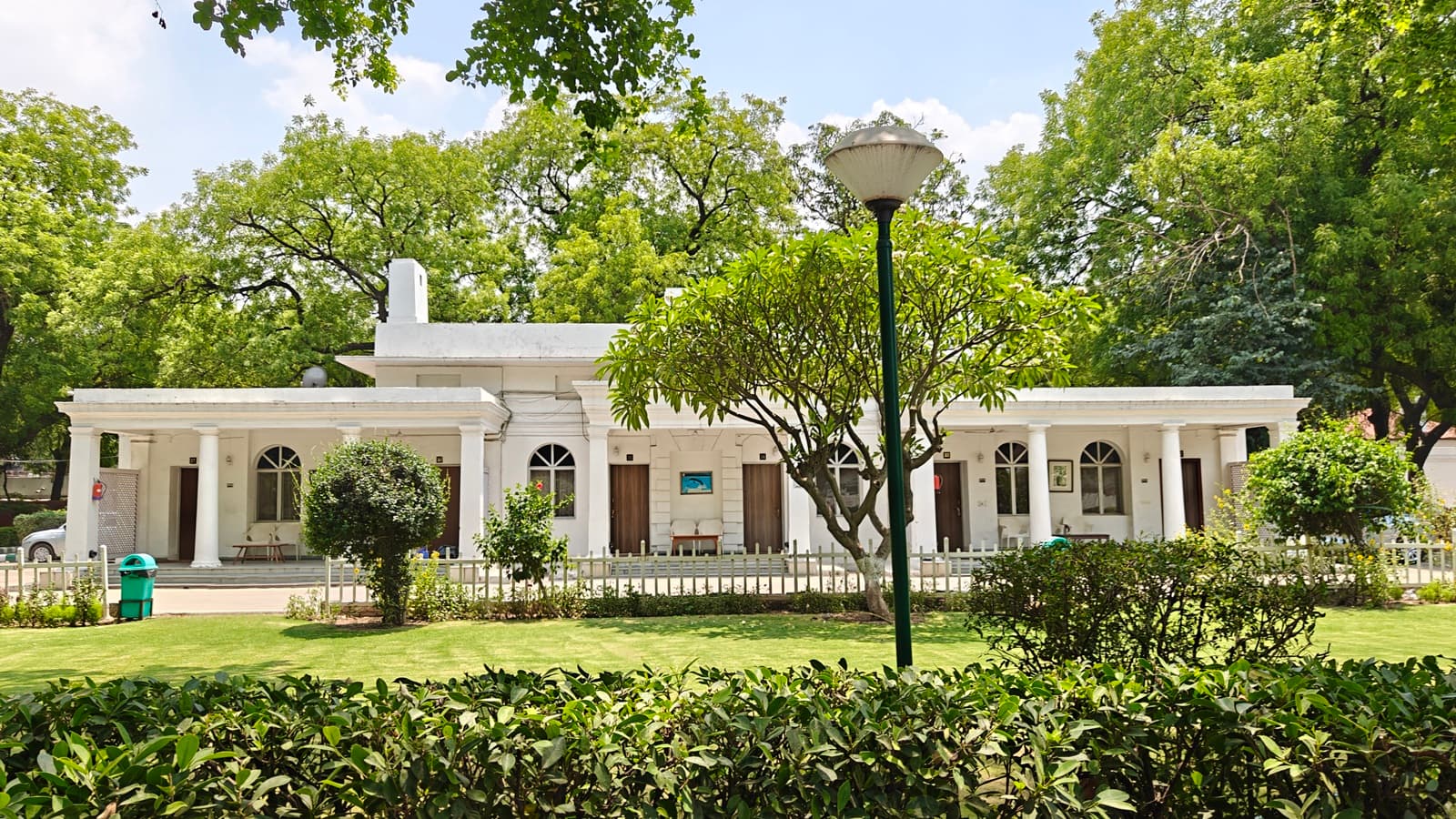
Challenging the Union government’s June 29 eviction notice to the Delhi Gymkhana Club, a civil suit filed by a club member in the Delhi High Court has said that the notice relies on a clause of the imperial-era lease that is “unworkable” and that behind the move lies a “pre-conceived design” to take over the property.The suit filed by Urmila Gupta, a permanent voting member and a part of the last-elected government body of the Club – moved by advocate Gaurav M Liberhan on Friday – argued that the Land & Development Office’s (L&DO) eviction notice to the Club and its May 22 letter ending the perpetual lease of the land is illegal. The civil suit is listed for hearing on Monday.Since 2022, the Club has been managed by government-appointed directors on orders of the National Company Law Tribunal (NCLT). This was after the Ministry of Corporate Affairs moved the NCLT alleging irregularities in the management of the Club. On May 22, the L&DO wrote to the Club terminating the lease that was signed on February 28, 1928, saying it needed the 27.03 acre plot on Safdarjung Road for “strengthening and securing defence infrastructure and other vital public security purposes”. “The land is essential to fulfil urgent institutional needs, governance infrastructure, and public-interest projects, integrated with the resumption of adjoining government lands,” it said, referring to its recent taking over of the Jaipur Polo Ground and clearing of slums in the area near the Prime Minister’s residence. Under Clause 4 of the lease, the government could take back the land if it was needed for a public purpose. Then on June 29, the L&DO issued an eviction notice under the Public Premises (Eviction of Unauthorised Occupants) Act, 1971 asking the Club’s representative to appear before it on July 7 for a hearing. The civil suit pointed to a contradiction in the May 22 letter.Story continues below this ad While Clause 4 of the lease, as cited in the L&DO letter, said the government can re-enter – that is take possession of – and then determine, which means end the lease and change the allotment, the letter said the government is determining and then re-entering the property. It added that this goes against Clause 4 of the lease and that this was done without issuing a show-cause notice to the Club. “…the impugned order/letter is ex-facie illegal, and contrary to legal principles based upon a pre-conceived design to appropriate the property of the Gymkhana Club,” the civil suit said. It added that Clause 4 of the lease, which was allotted by the Secretary of State for India in Council in 1928, itself was contrary to law. “…alternatively Clause 4 as existing is unworkable, grant extensive power and is however contrary to law being inconsistent with the grant of the suit property to the Gymkhana Club, therefore, Clause 4 is liable to be declared void and unenforceable being contrary to law and unconscionable,” the civil suit said.Story continues below this ad The land was given to the Club – an incorporated company – on payment of Rs 5,460. As per the lease, it was to be used for “a club and purposes for which the same are customarily used, including the holding of banquets, concerts and dances and the lodging and boarding of the members resident in the premises…,” the civil suit further said. The L&DO has argued that it needs the land back for public purposes. In its eviction notice, it has said that the premises “constitute valuable public premises vested in the Union of India and the Government is under an obligation to regulate, protect and utilise such public property in accordance with public interest and public purpose”.
The Gujarat government on Saturday announced new guidelines for compensation of land in Right of Way (RoW) corridors and towers for transmission lines to “balance the financial burden on the power transmission companies and the possible increase in tariff to the end consumer”.Citing various queries and representations regarding compensation of land in Right of Way (RoW) corridors and tower based areas during laying of transmission lines, the resolution issued by the Department of Energy and Petroleum will supersede provisions of all other resolutions issued earlier by the state relating to compensation for damage to land/ crops/ fruit trees and other trees, during the erection of transmission lines and towers.The Indian Express reported Friday how farmers at Jetpar village of Morbi district who were facing loss of land were protesting against Adani Energy Solutions Ltd (ASEL) whose Special Purpose Vehicle, Halvad Transmission Ltd is installing high tension towers for transmission cables to evacuate power from the renewable energy park at Khavda in Kutch. They would wind up the agitation only after the state issues a fresh resolution, they had said. On Friday, Agriculture Minister and Gujarat government spokesperson Jitu Vaghani agreed to key demands of the farmers including doubling the market price for calculating compensation, and the setting up of a Market Rate Committee (MRC). The final market price will be determined by the MRC based on the ‘reference market rate’ as well as a ‘lottery system’, according to the new guidelines. The method for determining the Reference Market Rate (incorporated for the first time since the state adopted the setting of the MRC) states that if the difference in the market rates determined by two selected valuers is less than 20 per cent of the lower value, the average value of both the valuations will be considered as the reference market rate. In the second case, if the difference between the two is more than 20 per cent, the reference market rate can be fixed at 10 per cent more than the lower valuation. “Only if this is not acceptable, the sealed report of the third valuer shall be opened and the reference market rate shall be finalised by taking the average of the two lowest valuations,” the guidelines says. The MRC will be formed at each district level to resolve the issues of compensation of affected land and to fix the market rate. For the valuation of the land, it will appoint land valuers who are empanelled by the Insolvency and Bankruptcy Board of India. Three valuers (one by the landowners’ representative, one by the TSP and one by the District Collector) will be appointed on the day of the committee meeting itself.Story continues below this ad Farmers at the protest site, Upwas Chhavni, in Jetpar village in Morbi, Gujarat (File photo)The appointed evaluators will submit their independent reports in a sealed cover directly to the District Collector within 21 days of their appointment by the MRC. After receiving all three reports, two will be opened by the District Collector by randomly selecting them through a ‘lottery system’. The District Collector can allow immediate commencement of physical works of transmission lines without any hindrance on condition of payment of compensation based on the market price as determined by the MRC. The provisions of the GR published with the ‘in-principle approval and approval received’ from the Finance Department, Revenue Department and Agriculture and Cooperation Department through letter on July 4, 2026 are equally applicable to all new transmission lines of 66 kV and above to be laid in the Gujarat and to all works of transmission lines of 66 kV and above which are currently in progress. New Compensation Norms


Discussion (0)