
Loading dispatches...
← Return to Newsroomgeneral
Dr Syama Prasad Mookerjee: A life devoted to India’s unity and progress
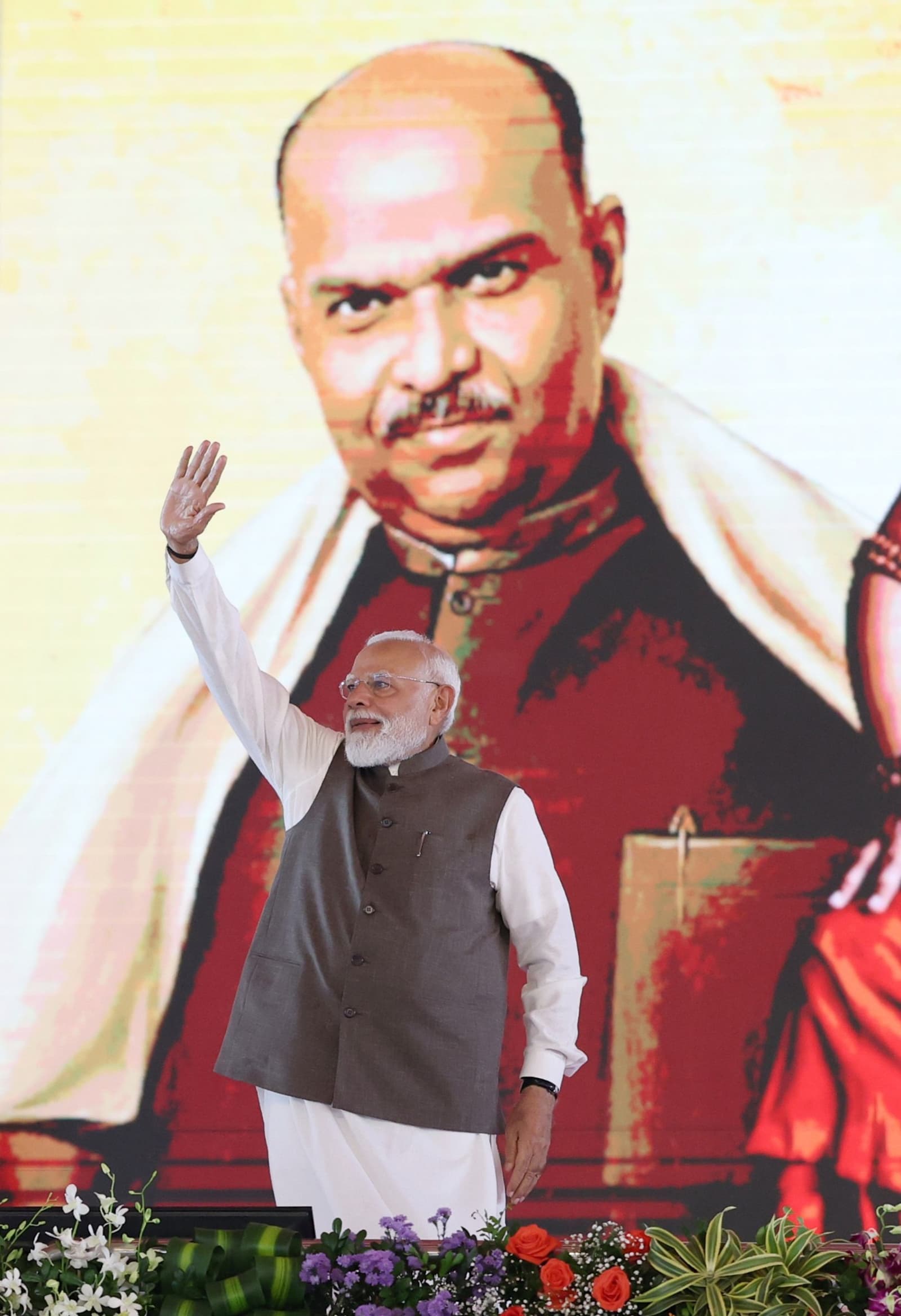
Today, July 6, is a special day for countless people who cherish the ideals of nationalism and selfless service. We commemorate the 125th birth anniversary of Dr Syama Prasad Mookerjee, whose life remains a timeless example of courage and unwavering commitment to Maa Bharti. Few leaders in modern India embodied the seamless confluence of intellect, public service and moral conviction as profoundly as Dr Syama Prasad Mookerjee.The young Syama Prasad was born into circumstances that could easily have assured him a protected and comfortable life. His father, Sir Ashutosh Mookerjee, was among the foremost educationists and intellectuals of his age. Yet, while destiny placed before him a path of privilege, his conscience led him towards one of sacrifice and national service. He was convinced that he could not remain a mute spectator to the turbulence of his times – be it fighting colonialism, communalism, humanitarian challenges and more.Along this journey, he endured profound personal tragedies, including the loss of an infant child and, later, his wife. Yet, these tragedies only deepened his resolve and strengthened his unwavering commitment to serve. If there was one ideal that defined Dr Syama Prasad Mookerjee’s public life above all else, it was the indivisibility of India. He stood firm during the upheaval of Partition to ensure that West Bengal remained an integral part of India. A few years later, that very conviction drew him to Jammu and Kashmir. Imprisonment did not deter him and isolation did not diminish him. His life came to an abrupt end in detention, far from the countless people whose cause he had made his own. There are moments in history when an individual’s final sacrifice transcends politics and enters the realm of national memory. Dr Mookerjee’s last journey remains one such moment. Acharya Vinoba Bhave said that Dr Mookerjee sacrificed himself for a cause in which he had faith. Years later, the revocation of Articles 370 and 35(A) in 2019 was the most fitting tribute to his martyrdom. Dr Mookerjee put India First and Indian values first. And he did it by building institutions and nurturing systems that defied conventional mindsets of those times. He became the youngest Vice Chancellor of the University of Calcutta. In his unique style, he brought positive changes that were patriotic and futuristic. Addressing a conference of educators, Dr Mookerjee put it wonderfully when he said, “It is incorrect to look upon educational institutions as factories to produce potential clerks and low-paid staff. We have to turn out students who are capable of providing leadership to our self-governing institutions, such as municipal corporations, provincial and central legislatures and also of directing the affairs in various fields of life such as financial, commercial and industrial ones.”Story continues below this ad Under his leadership, Calcutta University undertook unique efforts such as improving library infrastructure, boosting research in sciences, encouraging the study of artefacts and establishing courses in agriculture, to name a few. He drew attention to areas such as sports, teacher training and student welfare. To instil a sense of pride among students and alumni, he began a practice of marking 24th January as the foundation day of the university. He requested none other than Gurudev Tagore to compose a song for the university. Yet another example of this spirit can be seen in the later part of his life, when he decided to form the Bharatiya Jana Sangh. At a time when the Congress Party was omnipresent, he felt that there was all the more reason for an alternative voice to speak up for India’s progress while staying attached to our cultural roots. It was perhaps fitting that the party’s symbol was the Diya, the earthen lamp. A single lamp may appear modest, yet it possesses the power to dispel darkness far beyond itself. It is exactly what the Jana Sangh did both during the years it was active and beyond. Dr Sy

Discussion (0)