
Loading dispatches...
← Return to NewsroomEconomy
Quote of the day by philosopher John Locke: ‘New opinions are always suspected, and usually opposed…’
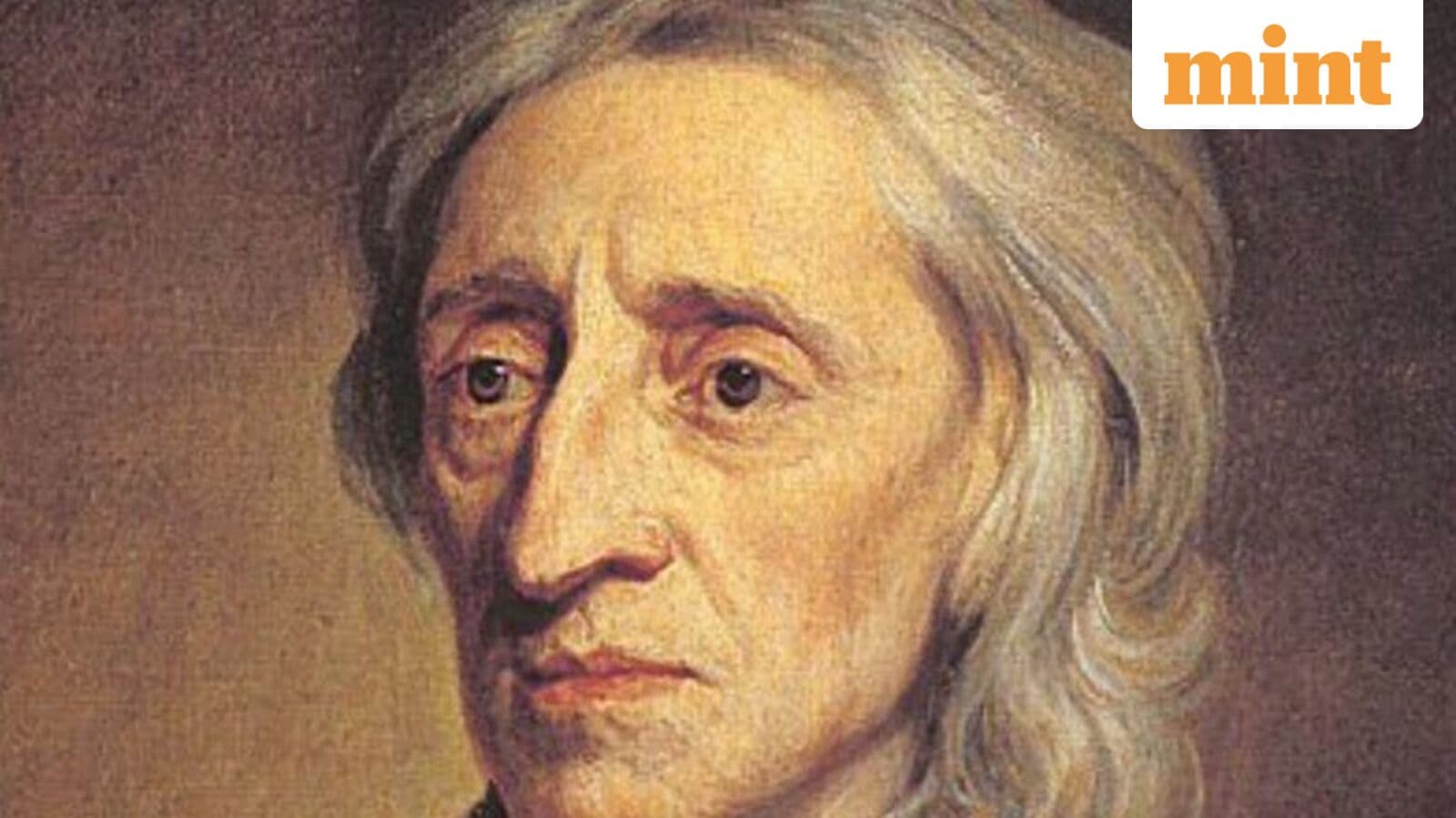
History shows that many of humanity's greatest breakthroughs were initially dismissed as impossible, dangerous or simply too unconventional. Whether it was the idea that the Earth revolves around the Sun, the invention of electricity, or more recently the rise of artificial intelligence, transformative ideas have often faced scepticism before earning acceptance.It is this deeply human tendency that English philosopher John Locke captured in one of his most enduring observations:“New opinions are always suspected, and usually opposed, without any other reason but because they are not already common.”The quote appears in Locke's landmark philosophical work, An Essay Concerning Human Understanding, first published in 1689. In the book, Locke explored how human beings acquire knowledge, form beliefs and judge truth. Rather than accepting inherited assumptions, he argued that people should rely on reason, observation and experience.Although written more than three centuries ago, Locke's words remain remarkably relevant. They explain why societies often hesitate to embrace new technologies, fresh perspectives or unconventional solutions—not necessarily because they are wrong, but because they disrupt established patterns of thinking.What does John Locke's quote mean?At its heart, the quote reflects a simple but profound truth: people often confuse familiarity with correctness.When individuals encounter an unfamiliar idea, their first instinct is frequently caution or outright rejection. This reaction is not always driven by evidence. Instead, it stems from psychological comfort. Existing beliefs feel safe because they have been reinforced over time, while new ones require people to reconsider long-held assumptions.Locke suggests that opposition to innovation is often emotional before it is rational. Many ideas are judged not on their merit but on how different they appear from accepted norms.His observation also highlights an important distinction between consensus and truth. Just because an opinion is widely held does not automatically make it accurate. Likewise, an uncommon view should not be dismissed simply because it lacks widespread support.Why the quote remains relevant todayThe modern world is defined by rapid change. Artificial intelligence is transforming workplaces, medical science continues to challenge previous understandings of disease, and debates around climate, education and public policy evolve constantly.In each of these areas, new proposals often meet resistance long before they receive careful evaluation.Locke's words encourage intellectual humility. They remind us that questioning a new idea is healthy, but rejecting it solely because it is unfamiliar can prevent meaningful progress.Innovation rarely begins as popular opinion. It starts with individuals willing to think differently and societies willing to examine those ideas fairly.This insight also applies beyond science and technology. In everyday life, people frequently encounter unfamiliar viewpoints at work, in relationships or in public discourse. Locke's philosophy encourages listening before judging and evaluating evidence before reaching conclusions.Who was John Locke?John Locke (1632–1704) was an English philosopher and physician widely regarded as one of the most influential thinkers of the Enlightenment. Often called the "Father of Liberalism," he shaped modern ideas about individual rights, government, education and knowledge.His political writings inspired democratic thought across Europe and America, influencing documents such as the United States Declaration of Independence. In philosophy, Locke rejected the notion that people are born with innate knowledge. Instead, he proposed that the human mind begins as a "tabula rasa," or blank slate, with knowledge developing through experience and observation.His emphasis on reason, evidence and critical inquiry continues to influence philosophy, psychology, education and political theory.Other famous q

Spider-Man’s iconic words from The Amazing Spider-Man #33 remind readers that true courage is revealed not when victory is easy, but when hope appears lost.Quote of the Day by the web-slinging superhero: 'Anyone can win a fight when the odds are easy. It's when the going's tough - when there seems to be no chance - that's when it counts'Spider-Man’s enduring message from The Amazing Spider-Man #33 is a reminder that character is tested most when success seems impossible.Meaning and relevance of the quoteThe quote of the day comes from one of the most celebrated moments in Spider-Man comic-book history: “Anyone can win a fight—when the odds—are easy! It's when the going's tough—when there seems to be no chance—that's when—it counts!”The line appeared in The Amazing Spider-Man #33, published in 1966 as the concluding chapter of the landmark If This Be My Destiny...! storyline. The issue is remembered for an iconic sequence in which Peter Parker finds himself trapped beneath a massive pile of machinery while water steadily rises around him.Peter is exhausted, injured and seemingly powerless to escape. Yet giving up is not an option. His Aunt May’s life depends on him obtaining a vital serum, and the weight above him becomes more than a physical obstacle. It represents every fear, responsibility and burden he has carried as Spider-Man.As Peter struggles to free himself, he reflects: “Anyone can win a fight—when the odds—are easy! It's when the going's tough—when there seems to be no chance—that's when—it counts!” The moment has since become one of the defining images of the character. Marvel has described the scene as a classic Spider-Man moment centred on finding the strength to continue when the odds are stacked against him.At its heart, the quote is about resilience. Success is easier to celebrate when circumstances are favourable and the path ahead is clear. The real test comes when a person is faced with failure, uncertainty or a challenge that appears impossible to overcome.The message does not suggest that courage guarantees victory. Instead, it argues that determination matters most when the outcome is uncertain. A person may lose, struggle or fall short, but choosing to continue despite those possibilities reveals strength of character.The words are especially meaningful when they come from Spider-Man. Peter Parker has never been a hero whose life becomes easier after gaining extraordinary abilities. His powers bring responsibility, but they also create conflict. He must balance school, work, family, friendships and relationships while protecting New York from increasingly dangerous threats.How does this quote apply to Spider-Man's life?Peter’s personal life is often marked by sacrifice. He misses important moments, faces public criticism and repeatedly carries the consequences of decisions made to protect others. His victories are rarely effortless, and many come at a personal cost.Spider-Man’s story has always been rooted in the idea that heroism is not defined by strength alone. Peter may possess superhuman abilities, but his most recognisable quality is his refusal to stop when circumstances turn against him. Marvel’s account of the character’s history similarly places responsibility at the centre of Peter’s journey, tracing his transformation from a young man who once used his powers selfishly into a hero committed to helping others.That is why the quote continues to resonate beyond comic books. The “fight” does not have to be a battle with a supervillain. It can be an academic setback, a difficult career decision, personal loss or any moment when progress feels out of reach.Spider-Man’s lesson is simple but enduring: courage is not measured when the odds are easy. It is measured by the decision to keep going when there seems to be no chance.About the AuthorTrisha BhattacharyaTrisha Bhattacharya is a Senior Content Producer at Livemint, with over two years of experience covering entertainment news from India and beyo

Quote of the day by Les Brown is about why one should always aim for bigger risks to ensure maximum chances to success even if the endgoal seems out of reach. A representative image.(Pexels)Quote of the day: "Most people fail in life not because they aim too high and miss, but because they aim too low and hit,” by Les Brown.The above quote is widely attributed to motivational speaker Les Brown, who built his career by encouraging people to overcome self-doubt and pursue their lives with full potential. While it is not known exactly when and where Brown first said these words, the quote is often used in regard to his popular speeches and books. It revolves around the main main theme-- our greatest obstacle is often not a lack of talent or opportunity, but the tendency to underestimate ourselves.What does it meanHere, Brown's thoughts are challenging the common belief that failure comes from setting unrealistic goals. But he argues that the real issue lies in settling for goals that are so modest they often require little effort and courage, hence no major growth to achieve.In layman's terms, the quote is talking about the difference between comfort and ambition. When one is aiming high, he/she often carry the risk of failure, which pushes people to learn, innovate, and discover abilities that one might never know they actually had in them. It is exactly the opposite of setting safe bets with easily attainable goals, which may bring short-term satisfaction. Although such goals are easy, they often lead to regret in the long term.Hitting a low target may feel like an instant success. But the sense of achievement tends to wear off quickly; it can leave people wondering what they might have accomplished had they dared to dream bigger. With this school of thought, the quote is not glorifying failure; it is encouraging people to aim for higher goals.Why this quote is important nowThe message is relevant in today's world, where people are increasingly encouraged to play it safe. Economic uncertainty, fear of failure, social comparison and the pressure to seek instant validation often discourage individuals from taking bigger risks. Whether it is choosing a career, starting a business, pursuing higher education or learning a new skill, many people lower their aspirations to avoid disappointment.This is where Brown's words serve as a reminder that growth rarely happens within the boundaries of comfort. Even the biggest breakthroughs in business, science, sports and the arts have often come from individuals who pursued goals that initially seemed impossible.What to learn from hereThe quote offers life lessons for students, professionals and leaders. It encourages people to embrace calculated risks, view setbacks as stepping stones rather than defeats. One should measure success not only by outcomes but by the courage to pursue goals. Remember, confidence is built by stretching our limits. Even when lofty ambitions are not fully achieved, it is the journey that helps to gain knowledge, resilience and self-belief.This is why one should never shy away from taking bold risks.About the AuthorSneha BiswasSneha Biswas specialises in covering entertainment and pop culture, with a specialisation on Bollywood, Hollywood, OTT platforms, K-pop, K-dramas, and major developments in the US entertainment industry. She believes in telling stories that balance speed with substance, and in making entertainment journalism contextual, culturally aware, and reader-first rather than purely reactive. With over six years of experience in digital media, Sneha currently serves as a Deputy Chief Content Producer at Live Mint. She has spent more than three and a half years with the HT Group and returned to the organisation in February 2025, joining Live Mint to uplift the entertainment section. Over the past year, she has been closely involved in entertainment coverage including breaking news, explainers, trend reporting, box office reports and analysis for

Quote of the day: “The development of willpower — I will, I won’t and I want — may define what it means to be human.”— Kelly McGonigalWillpower is often thought of as the ability to resist temptation or push through difficult tasks. But psychologist and bestselling author Kelly McGonigal argues that it is much more than self-discipline. In her view, willpower is made up of three interconnected abilities: "I will," "I won't," and "I want." Together, these form the foundation of purposeful living and may even define what makes us uniquely human.The quote captures a profound truth about everyday decision-making. Every day presents countless choices—whether to exercise or stay on the couch, save money or spend impulsively, focus on work or procrastinate, speak thoughtfully or react emotionally. Our responses to these moments are shaped by the balance between these three elements of willpower.The "I will" power is the ability to do what needs to be done, even when it is difficult. It fuels persistence, discipline and the willingness to keep moving toward a goal despite obstacles. Whether it is preparing for an important exam, building a business, sticking to a fitness routine or learning a new skill, "I will" helps translate intention into action.The "I won't" power is equally important. It is the capacity to resist distractions, harmful habits and short-term temptations that pull us away from our long-term goals. This could mean avoiding unnecessary spending, limiting screen time, resisting unhealthy food choices or choosing patience instead of anger during challenging situations.The third component, "I want," is perhaps the most meaningful. It reminds us of the deeper reason behind our actions. While discipline and restraint are valuable, they become sustainable only when connected to something we genuinely care about. Knowing what truly matters provides the motivation to keep going when enthusiasm fades.McGonigal's insight reflects findings from modern psychology, which suggest that self-control is not simply about denying ourselves pleasure. Instead, it is about aligning our daily choices with our long-term values. People who consistently achieve their goals often do so not because they possess extraordinary discipline, but because they remain connected to a meaningful purpose.Her perspective also challenges the common belief that willpower is a fixed trait. Research increasingly suggests that self-control can be strengthened through practice. Habits such as mindfulness, adequate sleep, regular exercise and stress management can improve our ability to make thoughtful decisions instead of impulsive ones. Paying attention to our thoughts and emotions, rather than reacting automatically, plays a crucial role in developing stronger self-control.In today's fast-paced world, where distractions are constant and instant gratification is only a click away, McGonigal's words feel especially relevant. Social media notifications, endless entertainment and the pressure to multitask make it harder than ever to stay focused on what truly matters. Her quote serves as a reminder that the quality of our lives is shaped not by isolated moments of motivation, but by the choices we repeatedly make.Ultimately, the quote encourages us to think of willpower not as a battle against ourselves, but as a way of honouring our deepest priorities. Every time we choose what aligns with our long-term goals over immediate comfort, we strengthen the habits that shape our character. In that sense, willpower is not merely a personal skill—it is an expression of human agency, purpose and the freedom to decide who we want to become.Who Is Kelly McGonigal?Kelly McGonigal is a psychologist, author, yoga teacher and lecturer at Stanford University, where she studies the relationship between the mind and the body. She is widely known for making scientific research on psychology, stress and self-control accessible to a broad audience.McGonigal is the author of several ac
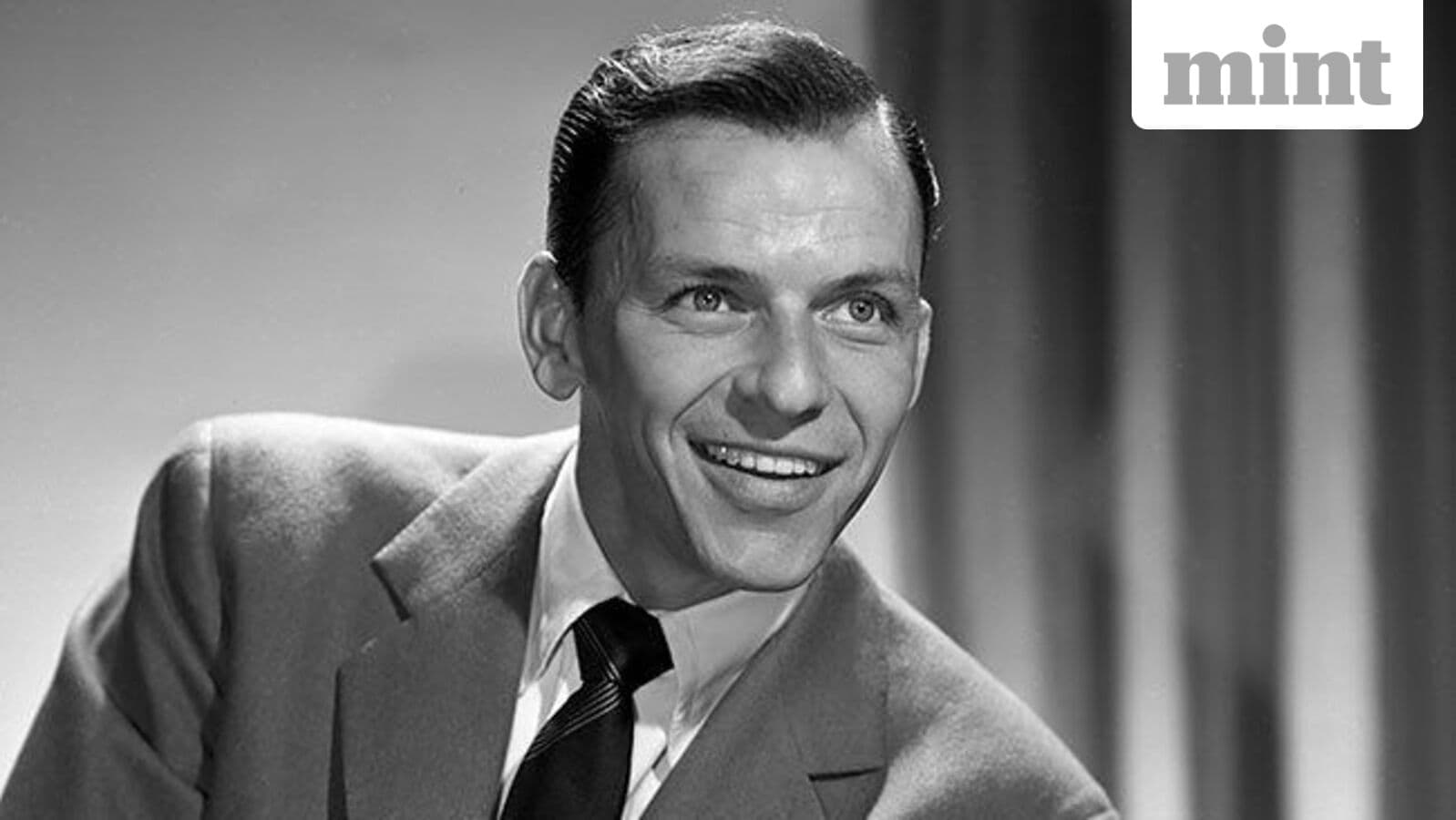
Frank Sinatra, one of the most celebrated entertainers of the 20th century, left behind more than an extraordinary catalogue of music and films. His words, much like his songs, continue to resonate across generations. Today's Quote of the Day reflects a philosophy that values purposeful living over simply existing."You only go around once, but if you play your cards right, once is enough."— Frank SinatraThough simple in its wording, the quote carries a profound message about making the most of the one life we are given. It encourages us to focus less on wishing for second chances and more on making thoughtful decisions that lead to a fulfilling and meaningful life.What Does Frank Sinatra's Quote Mean?Frank Sinatra's quote reminds us that life is a one-time opportunity. While no one gets to relive the past or start over completely, every day presents a chance to make choices that align with our values and aspirations.The phrase "play your cards right" borrows from the language of card games, where success depends not only on the hand you're dealt but also on how wisely you use it. In everyday life, it suggests making sound decisions, treating others with kindness, working hard, embracing opportunities and learning from setbacks.Rather than measuring success by wealth, fame or longevity, Sinatra's words encourage people to ask a more meaningful question: Did I live well?The quote also serves as a reminder not to be consumed by regret. While mistakes are inevitable, dwelling on them can prevent us from appreciating the present. Instead, Sinatra's philosophy encourages people to take calculated risks, pursue their passions and build relationships that enrich their lives.In a world where many people constantly chase the next achievement, the quote shifts the focus from quantity to quality. A life lived with integrity, purpose and gratitude can be deeply satisfying, even if it comes with challenges along the way.Who Was Frank Sinatra?Born on December 12, 1915, in Hoboken, New Jersey, Frank Sinatra rose from humble beginnings to become one of the most influential performers in entertainment history. Nicknamed "Ol' Blue Eyes" and "The Voice," he captivated audiences for more than six decades with his distinctive vocal style and magnetic stage presence.Sinatra's breakthrough came in the late 1930s as the lead vocalist for the Harry James and Tommy Dorsey orchestras before he embarked on a solo career that transformed popular music.Over the following decades, he recorded numerous timeless classics, including "My Way," "Fly Me to the Moon," "New York, New York," "I've Got You Under My Skin," and "Strangers in the Night." His ability to convey emotion through every lyric helped establish him as one of the greatest interpreters of popular songs.Beyond music, Sinatra built a successful acting career, appearing in more than 50 films. His performance in "From Here to Eternity" (1953) earned him the Academy Award for Best Supporting Actor, cementing his reputation as a versatile entertainer.He was also a prominent member of the legendary Rat Pack, alongside Dean Martin, Sammy Davis Jr., Peter Lawford and Joey Bishop. Their performances in Las Vegas became synonymous with glamour, wit and showmanship.Throughout his career, Sinatra received numerous honours, including multiple Grammy Awards, the Grammy Lifetime Achievement Award, the Presidential Medal of Freedom and the Congressional Gold Medal.Frank Sinatra died on May 14, 1998, at the age of 82, but his influence remains as strong as ever. His music continues to inspire artists around the world, while his words continue to offer timeless lessons on ambition, resilience and living with intention.Why The Quote Still Matters TodayIn an age often defined by comparison, endless goals and the pressure to achieve more, Sinatra's quote offers a refreshing perspective. It reminds us that fulfillment is not about accumulating endless accomplishments but about making the most of the opportunities we hav

Chris Evans’ reflection on surrendering to the present offers a perspective on a career defined by major success, reinvention and a legacy that extends far beyond Captain America.US actor Chris Evans attends the Marvel panel during Comic-Con International in San Diego, California, on July 25, 2026. (Photo by Chris DELMAS / AFP)(AFP)"All you really have in life I think is just now... and I think when you can kind of surrender to that, you can't lose." - Chris EvansThe quote reflects a philosophy that has become increasingly relevant to Chris Evans’ public image and career: the idea that life is best experienced by accepting the present rather than constantly attempting to control what comes next.Meaning and relevance of the quoteEvans, who rose from a young actor in Hollywood to become one of the most recognisable stars in the world, has spent much of his career navigating the demands that come with fame, expectation and reinvention.His words suggest a perspective shaped by the understanding that success, uncertainty and change are all part of life, and that constantly looking towards the next achievement can come at the cost of appreciating the moment already being lived.The idea of surrendering to the present does not necessarily mean giving up ambition. Instead, it can be understood as accepting the circumstances of the moment without allowing fear about the future or regret about the past to completely define one's experience.That idea has particular resonance when viewed against Evans’ career. He became globally recognised for playing Steve Rogers, also known as Captain America, in the Marvel Cinematic Universe. The role turned him into a major international star and made him one of the central figures in one of the most successful film franchises in history.However, the role also carried the risk of defining an actor's entire career. Evans eventually stepped away from the character after years of portraying Captain America, allowing himself to move towards different kinds of work. His career has since included action films, dramas, comedies and voice performances, demonstrating an effort to explore a broader range of roles beyond the superhero image that made him famous.His journey offers an important context to the quote. A career built around one of the world's most recognisable fictional heroes could easily create pressure to constantly match or surpass past success. Evans’ words, however, suggest a different approach: the value of allowing each stage of life to exist on its own terms.The sentiment also connects with a wider idea often expressed by actors who have worked closely with Evans and experienced the pressures of global fame. Robert Downey Jr, who played Tony Stark alongside Evans’ Captain America, has often spoken about the importance of embracing change and remaining present through difficult periods. Their characters were central to the emotional core of the Marvel films, but both actors have also had careers shaped by reinvention beyond those roles.Evans’ quote is ultimately a reminder that the present is often the only part of life over which anyone has genuine influence. The past cannot be changed, while the future remains uncertain. What remains is the immediate moment — and the decision to engage with it rather than constantly worrying about what comes next.For an actor whose career has been defined by enormous expectations, global fame and one of cinema's most iconic characters, the sentiment carries particular weight. Evans’ legacy will undoubtedly be closely associated with Captain America, but his career has also demonstrated the importance of knowing when to move forward and allow a new chapter to begin.His words offer a simple conclusion: life does not always need to be controlled to be meaningful. Sometimes, accepting the moment as it is can itself be a form of strength.About the AuthorTrisha BhattacharyaTrisha Bhattacharya is a Senior Content Producer at Livemint, with over two years of experie
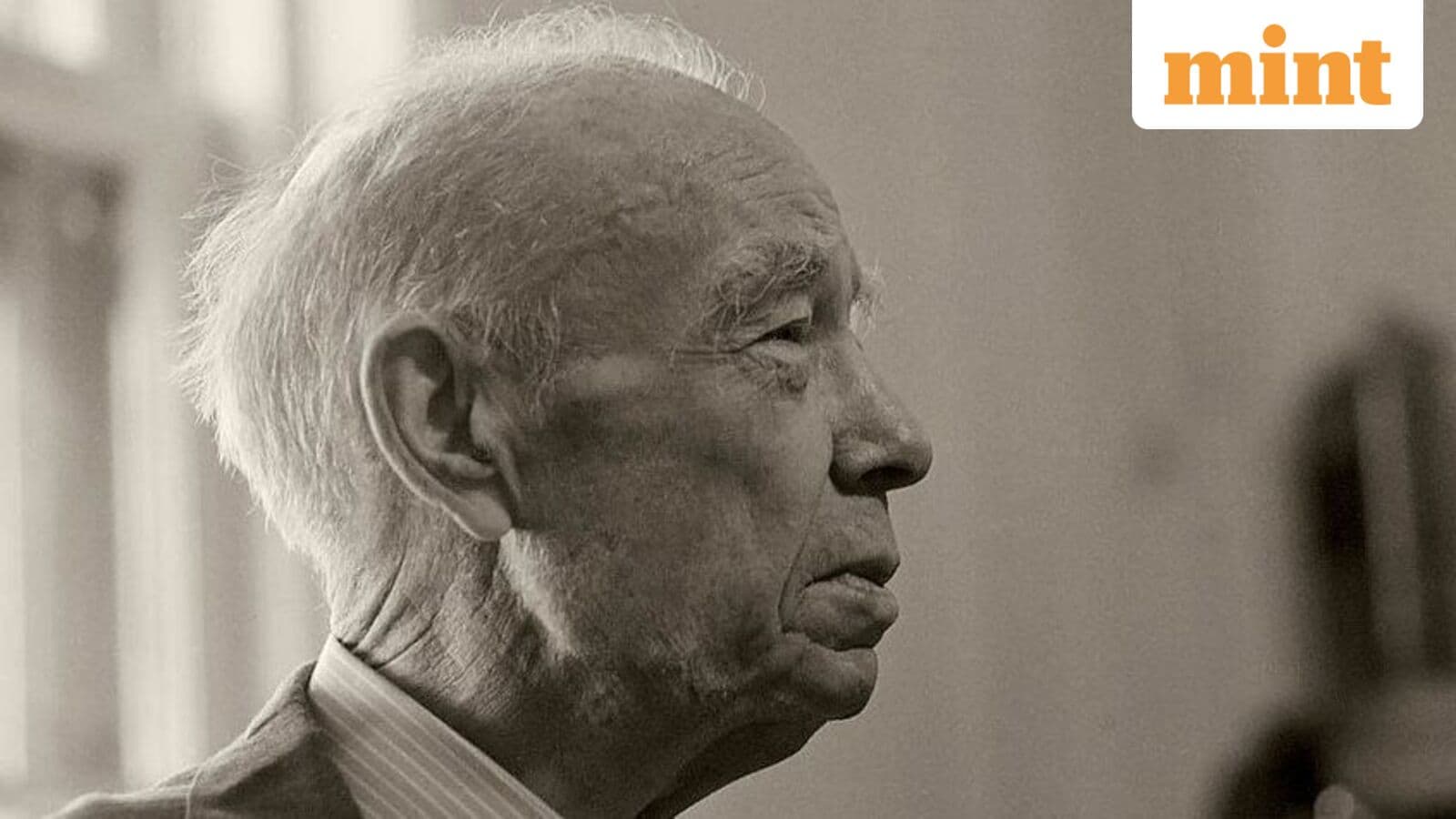
Corliss Lamont defined freedom as self-determination and living free from external force. According to him, liberty is not just an absence of rules, but the power to express your true self.Corliss Lamont believed that one is free when they can make their own choices based on inner values.(X @MacCocktail)Quote of the day by Corliss Lamont: “True freedom is the capacity for acting according to one's true character, to be altogether one's self, to be self-determined and not subject to outside coercion.”American socialist and humanist philosopher Corliss Lamont believed that freedom is something that is far deeper than being simply the right to make choices. According to this perspective, true freedom means having the ability to live authentically, make independent decisions and remain true to one's values without being controlled by external pressure or coercion.What does this quote mean?Civil liberties advocate Corliss Lamont's words of wisdom suggest that freedom begins with knowing oneself and is exercised when one acts in accordance with their true character, understanding, principles, strengths, aspirations and beliefs. Hence, freedom means making thoughtful choices that are consistent with one's deepest values while respecting the rights and freedoms of others.Corliss Lamont emphasized that the most meaningful form of freedom begins within. To be free is to know who we are, think for ourselves, make conscious choices, and have the courage to live according to our genuine values. When we become self-determined rather than controlled by outside forces, we move closer to experiencing freedom in its truest sense.How is this quote relevant in present day contextThe timeless quote is relevant in today's society as a free individual should be able to think critically, disagree respectfully, and form independent judgments. In a democratic set up, where freedom of thought and expression are essential, true freedom involves the ability to question prevailing opinions. When people are afraid to express their views because of intimidation or coercion, their political and personal freedom becomes limited.Lamont's message reminds us that freedom comes with responsibility, self-determination does not mean ignorance to others well-being, genuine freedom exists alongside mutual respect, justice and accountability. In the present day, this quote offers an important lesson, teaching us that freedom is not merely the absence of chains, it is the presence of the courage and opportunity to live authentically. It encourages us to examine whether our decisions truly belong to us or whether they are being shaped by fear, expectations, and external pressures.More about Corliss LamontBorn in Englewood, New Jersey, on March 28, 1902 to JP Morgan & Co chairman W Lamont and Florence Haskell (Corliss), he was a critical of the Soviets. He graduated as valedictorian of Phillips Exeter Academy in 1920, and magna cum laude from Harvard University in 1924. He secured a PhD in philosophy in 1932 from Columbia University. He taught at several universities, including Columbia, Cornell, Harvard and the New School for Social Research.Some of his notable books and major works are listed below:The Philosophy of HumanismThe Illusion of ImmortalityFreedom Is As Freedom DoesFreedom of Choice AffirmedA Lifetime of DissentSoviet CivilizationLover's Credo: Poems of LoveRemembering John MasefieldA Humanist Wedding ServiceA Humanist Funeral ServiceOther quotes by Corliss Lamont“The cause-effect sequences in our brains are just as determining, just as inescapable, as anywhere else in Nature.”“We do not ask to be born; and we do not ask to die. But born we are and die we must. We come into existence and we pass out of existence. And in neither case does high-handed fate await our ratification of its decree.”“Humanism believes that the individual attains the good life by harmoniously combining personal satisfactions and continuous self-development with significant work and ot
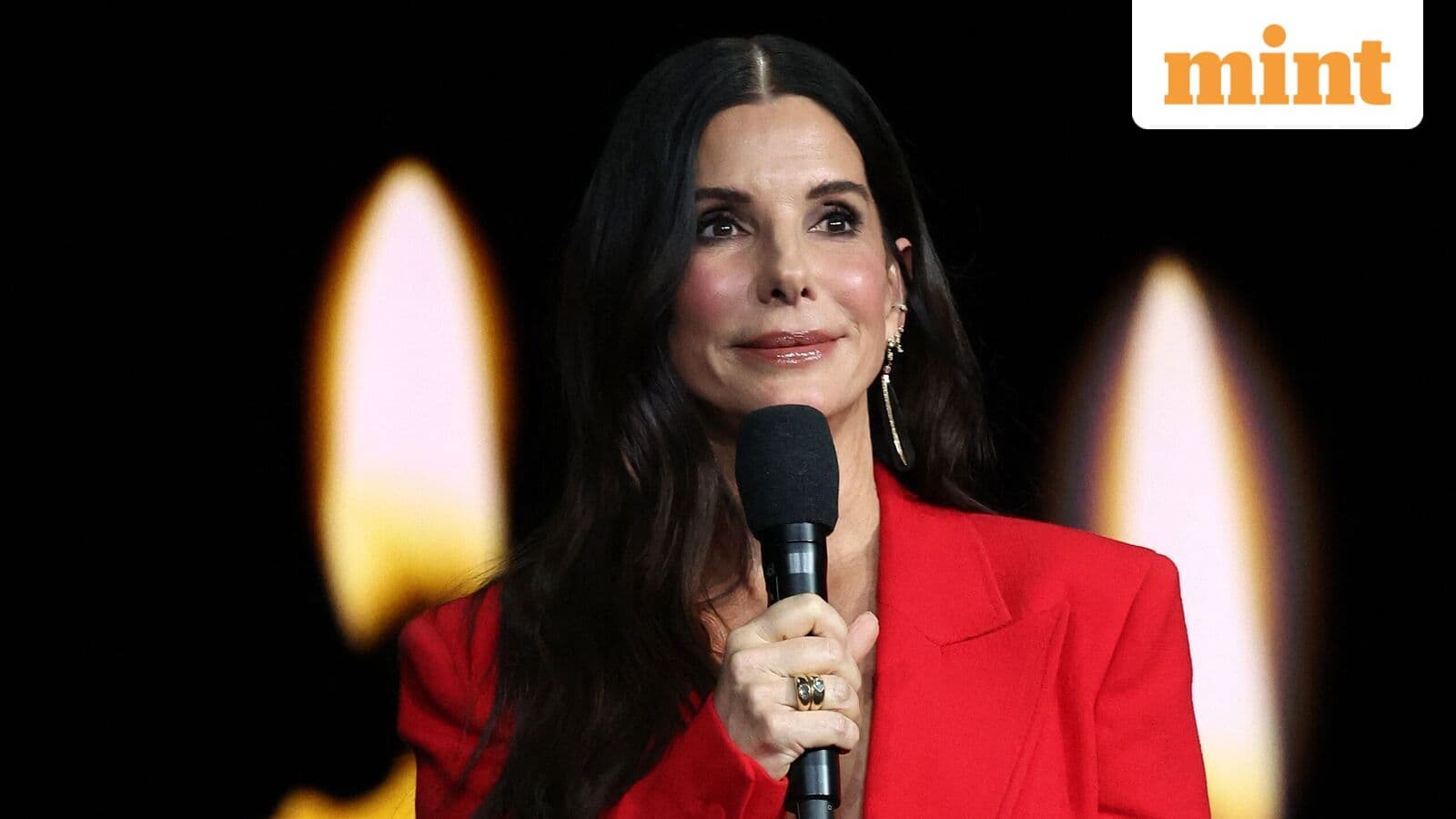
Sandra Bullock's words encourage us to actively seek joy and make time for happiness, emphasizing that meaningful experiences define our lives. Her wisdom highlights the need to appreciate the present while pursuing fulfillment.Actress Sandra Bullock's quote urges individuals to find joy and cherish meaningful experiences.(AFP)Quote of the day by Sandra Bullock: “Go find your joy. It's what you're going to remember in the end”American actress and film producer Sandra Bullock's quote suggests that one should focus on the experiences that bring genuine happiness and meaning to our lives. Oscar winning actress believes that one should not postpone happiness. We should go out, discover what brings joy and make time for it because those are the moments we are most likely to carry with us for the rest of your life.What does this quote mean?Sandra Bullock's words of wisdom emphasize the importance of making time for joy rather than waiting for the "perfect" moment. This quote encourages us to pause and ask what truly makes life worth living. The phrase “go find your joy” implies that happiness is not always something that simply happens to us.Sometimes, we have to actively seek it. The second part of the quote — “It's what you're going to remember in the end”—offers a deeper perspective on the passage of time. When people look back on their lives, they tend to remember moments of connection, laughter, love, adventure, achievement and personal growth. Finding joy means learning to appreciate the present while continuing to work toward the future.How is this quote relevant in present day contextThe message that this quote delivers is especially relevant in today's fast-paced world. The pressure to constantly achieve, earn, and appear successful can make it easy to overlook personal happiness. Bullock's words teach us that our lives should not be measured only by external accomplishments. What matters is whether we are creating moments that bring genuine fulfillment.It reminds us that we should not to become so focused on achieving the next milestone that we forget to experience the present. Success without happiness can leave a person feeling unfulfilled, while a life that includes meaningful experiences can create memories that remain valuable for years.Ultimately, Sandra Bullock's words encourage us to live with greater intention. We should work hard, pursue our dreams, and meet our responsibilities—but we should also make room for laughter, relationships, curiosity, and experiences that make us feel alive. At the end of life, the memories that stay with us are often not the things we owned or the tasks we completed, but the moments when we truly felt happy, connected and grateful.More about Sandra BullockThe renowned Hollywood star emerged as the world's highest-paid actress in 2010 and 2014. Several accolades recognized her notably contribution to the entertainment industry, including an Academy Award, a Golden Globe Award, two Screen Actors Guild Awards and three Critics' Choice Movie Awards. She debuted in the film industry with a minor role in the thriller Hangmen in 1987 but the breakthrough in her acting career came in 1994 with the action thriller Speed.She starred in several Hollywood hits, such as Miss Congeniality (2000), Two Weeks Notice (2002), The Proposal (2009), The Heat (2013), Ocean's 8 (2018), The Lost City (2022), Crash (2004), The Unforgivable (2021), Premonition (2007), Bird Box (2018) and The Blind Side (2009), among others. Founder of the production company Fortis Films, Bullock was named the Most Beautiful Woman by People magazine in 2015. Dubbed "America's sweetheart", she is all set to appear in Practical Magic 2 movie which is scheduled to release in September this year.Sandra Bullock quotes“My goal now is to remember every place I've been, only do things I love, and not say yes when I don't mean it”“I'm a true believer in karma. You get what you give, whether it's bad or good.”“Whoever established the hig
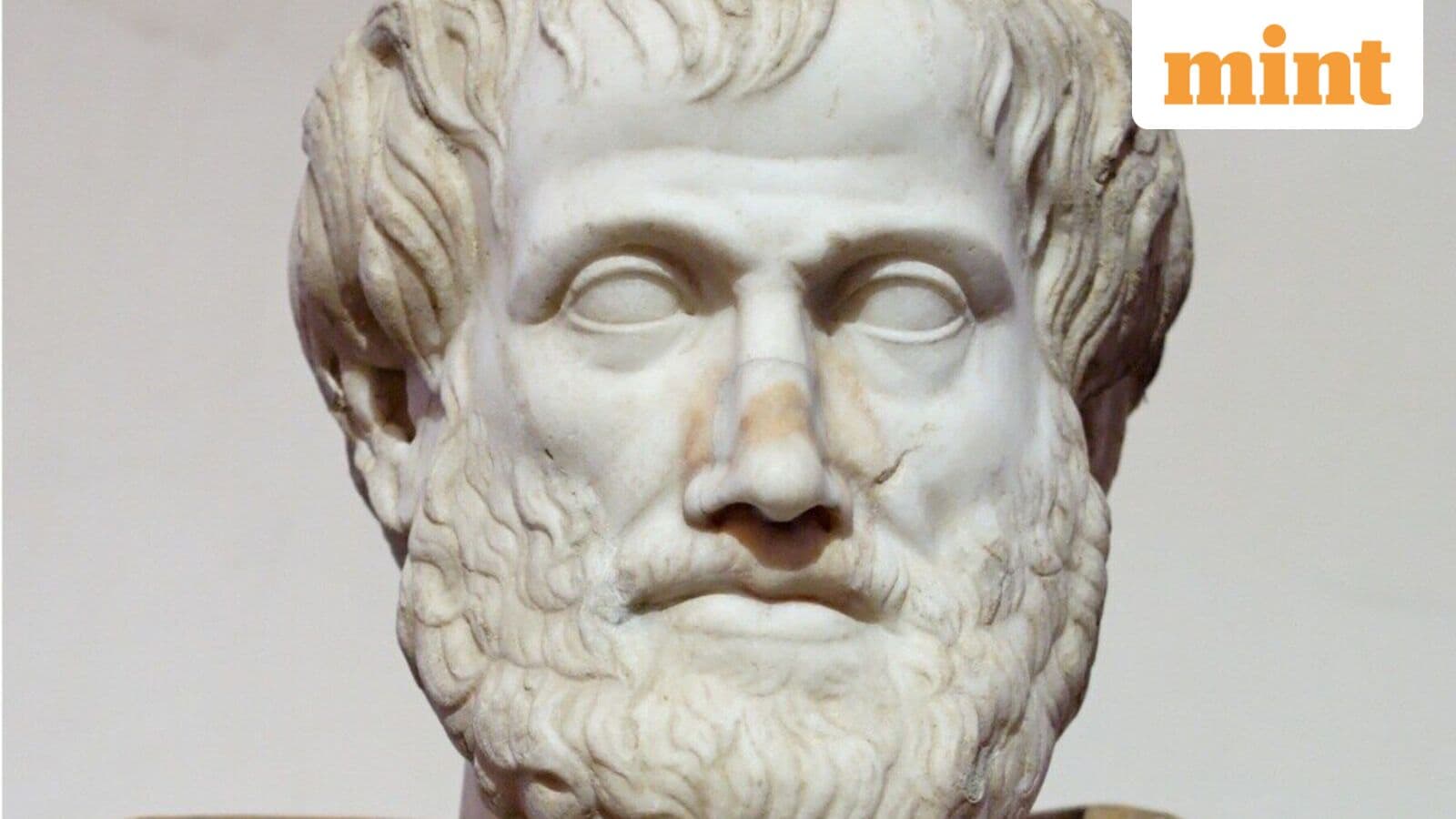
Aristotle serves as a timeless warning to the public: beware of leaders who loudly and uncharacteristically broadcast their religious devotion, especially when their actual governance is authoritarian.Greek philosopher Aristotle (Image: Wikipedia)“A tyrant must put on the appearance of uncommon devotion to religion. Subjects are less apprehensive of illegal treatment from a ruler whom they consider god-fearing and pious. On the other hand, they do less easily move against him, believing that he has the gods on his side.” — AristotleLiveMint's quote of the day by the Greek philosopher Aristotle serves as a timeless warning to the public: beware of leaders who loudly and uncharacteristically broadcast their religious devotion, especially when their actual governance is authoritarian.Piety is often not a reflection of their soul, but a calculated armour designed to prevent scrutiny and silence dissent.What does the quote mean?Aristotle is not talking about genuine faith; he is talking about the weaponisation of optics. A tyrant, a ruler who governs for their own benefit rather than the public good, is inherently vulnerable to being overthrown because their rule is unjust. To survive, the tyrant must artificially construct a shield of legitimacy. The most effective shield, Aristotle argues, is religious devotion.Power of "appearance": The operative word in the quote is “appearance” (or in other translations, "seem"). Aristotle explicitly notes that the tyrant need not be moral or pious; they just need to put on a convincing performance. If the public believes the leader is deeply religious, the leader reaps all the political benefits of virtue without actually having to act virtuously behind closed doors.Disarming the public: When a leader wraps themselves in religion, it creates cognitive dissonance among citizens. The public naturally assumes that someone who fears divine judgment will not commit gross injustices. Therefore, when the tyrant does act illegally or cruelly, the public is slower to recognise it or more willing to give the leader the benefit of the doubt, assuming there must be a righteous justification.Deterring rebellion: This is the ultimate defensive strategy. If a tyrant successfully brands their regime as divinely endorsed, any political opposition is automatically framed as heresy or a sin. Citizens might be willing to fight a corrupt mortal, but they are terrified of fighting the gods. By claiming divine backing, the tyrant paralyses the opposition through fear of spiritual consequence.When was the quote said?Aristotle wrote this in his foundational text on government, Politics (specifically in Book V, Chapter 11), which was compiled roughly between 335 and 322 BCE.Here is the full quote as it is most commonly translated from the original ancient Greek:“…he should appear to be particularly earnest in the service of the gods; for if men think that a ruler is religious and has a reverence for the gods, they are both less afraid of suffering injustice at his hands, and also less disposed to conspire against him, since they believe that the gods themselves are fighting on his side.”In Book V of Politics, Aristotle analysed the causes of government failure and revolution. When examining tyrannies—which he considered the worst form of government because they serve the ruler rather than the public—he offers a "survival guide" of sorts for a tyrant trying to maintain power.He argues that to avoid being overthrown, a tyrant must basically "play the part" of a good and virtuous king. By appearing deeply religious, a tyrant accomplishes two things at once:Pacifies the public: Citizens assume a god-fearing leader will not act with cruelty or injustice.Discourages rebellion: Citizens are afraid to revolt against someone who appears to have divine backing, believing that fighting the tyrant would mean fighting the gods themselves.How is it relevant today?Aristotle’s observation is remarkably relevant to 21st-century politi
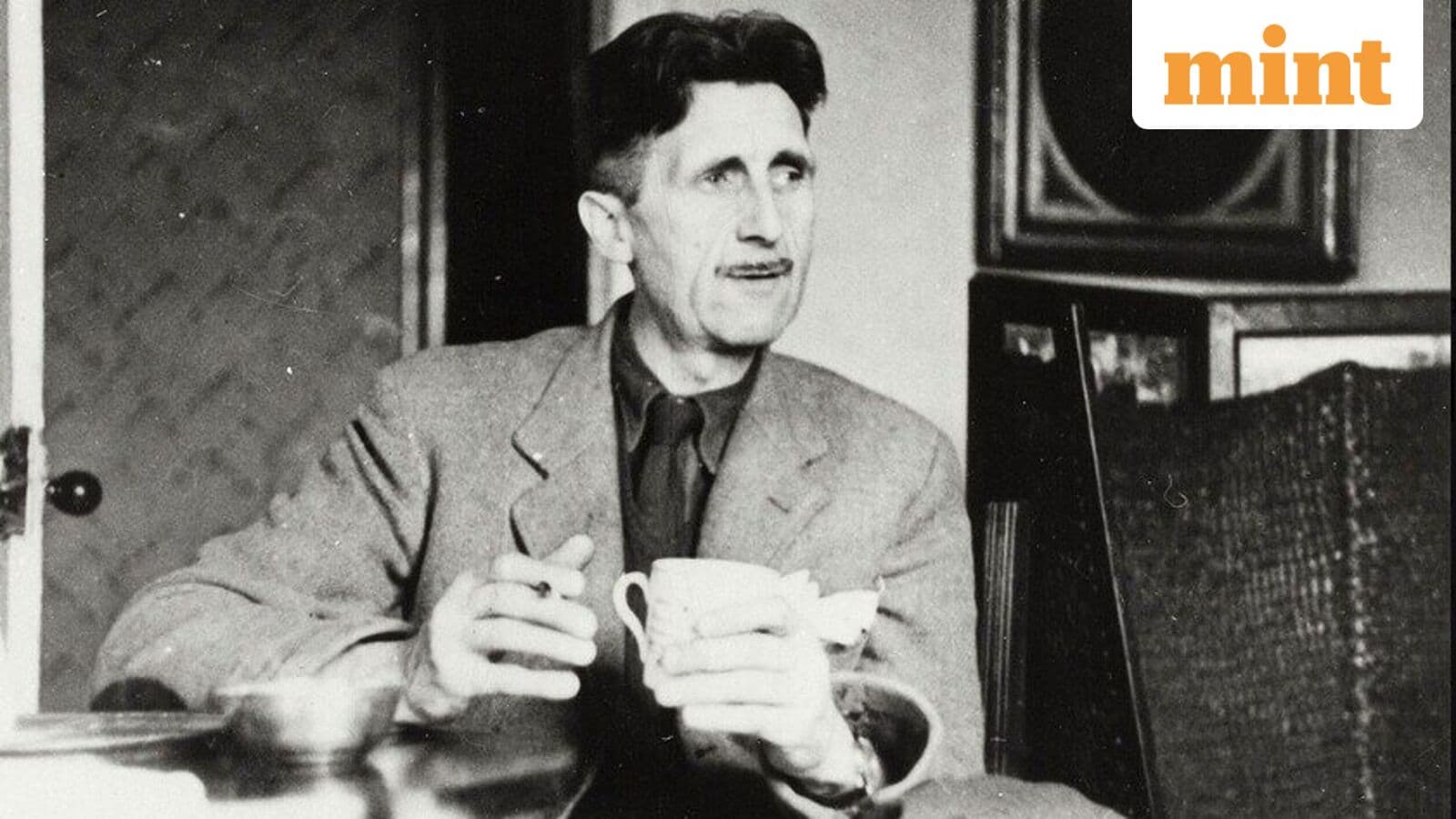
George Orwell's philosophy advocates for vigilance and accountability in governance, illustrating how unchecked power can lead to oppression. His insights emphasize the need for democratic institutions and accountability to prevent authoritarianism.George Orwell's quote cautions that revolutions may not always aim for freedom but can enable dictatorships.(X @F. A. Hayek Quotes)Quote of the day by George Orwell: “One does not establish a dictatorship in order to safeguard a revolution; one makes a revolution in order to establish a dictatorship.”Novelist and poet George Orwell's quote gives a powerful warning about the misuse of political ideals and the dangers of unchecked power. Even though, revolutions are often seen as movements for justice, freedom, equality and promises of a better future, they can become vehicles through which ambitious leaders seize absolute control.What does this quote mean?George Orwell's philosophy gives a powerful message about power structure, suggesting that changing those in power is not enough if the structures that enable unchecked authority remain intact.Orwell cautions that some revolutions are not truly driven by the desire to liberate people and to overthrow oppression, instead are at times means to establish a new dictatorship. This quote reflects Orwell's deep understanding of how power operates and how leaders can manipulate public sentiment, rewrite history, silence dissent, and consolidate authority under the guise of protecting the people.How is this quote relevant in present day contextEven in today's world, Orwell's observation remains remarkably relevant. This timeless quote highlights the importance of democratic institutions and accountability in a healthy society. Emphasizing their dependence on independent courts, a free press, transparent governance, regular elections and the protection of fundamental rights, societies without the checks and balances of these institutions can give way to authoritarian rule.Orwell's message encourages constant vigilance, critical thinking and the defense of democratic values to limit individual authority. This will ensure that one form of oppression is not replaced with another. The theme of unchecked power is echoed in his notable works like Animal Farm and Nineteen Eighty-Four. They show how leaders can manipulate public sentiment, rewrite history, silence dissent, and consolidate authority under the guise of protecting the people.More about George OrwellThe India-born English writer Eric Arthur Blair, who wrote under the pen name George Orwell, opposed totalitarianism. His writings reflect themes of anti-fascism, anti-Stalinism, anarchism and democratic socialism. One of the most influential and popular writers of his time, he was born in a "lower-upper-middle class" family in Motihari (now Bihar), which was a part of Bengal Presidency during British colonial rule.Besides Animal Farm and Nineteen Eighty-Four, some of his other famous novels include Burmese Days, A Clergyman's Daughter, Keep the Aspidistra Flying and Coming Up for AirMore quotes by George Orwell“In a time of deceit telling the truth is a revolutionary act.”“Freedom is the freedom to say that two plus two make four. If that is granted, all else follows.”“Reality exists in the human mind, and nowhere else.”"If all others accepted the lie which the Party imposed—if all records told the same tale—then the lie passed into history and became truth."“Who controls the past controls the future. Who controls the present controls the past.”Get Latest real-time updatesStay updated with the latest Trending, India , World and US news. HomeNewsUs NewsQuote of the day by George Orwell on authoritarianism: ‘One does not establish a dictatorship in order to….’More



Discussion (0)