
Loading dispatches...
← Return to Newsroomgeneral
Bengali mandatory for all government communications from September 1, says CM Adhikari
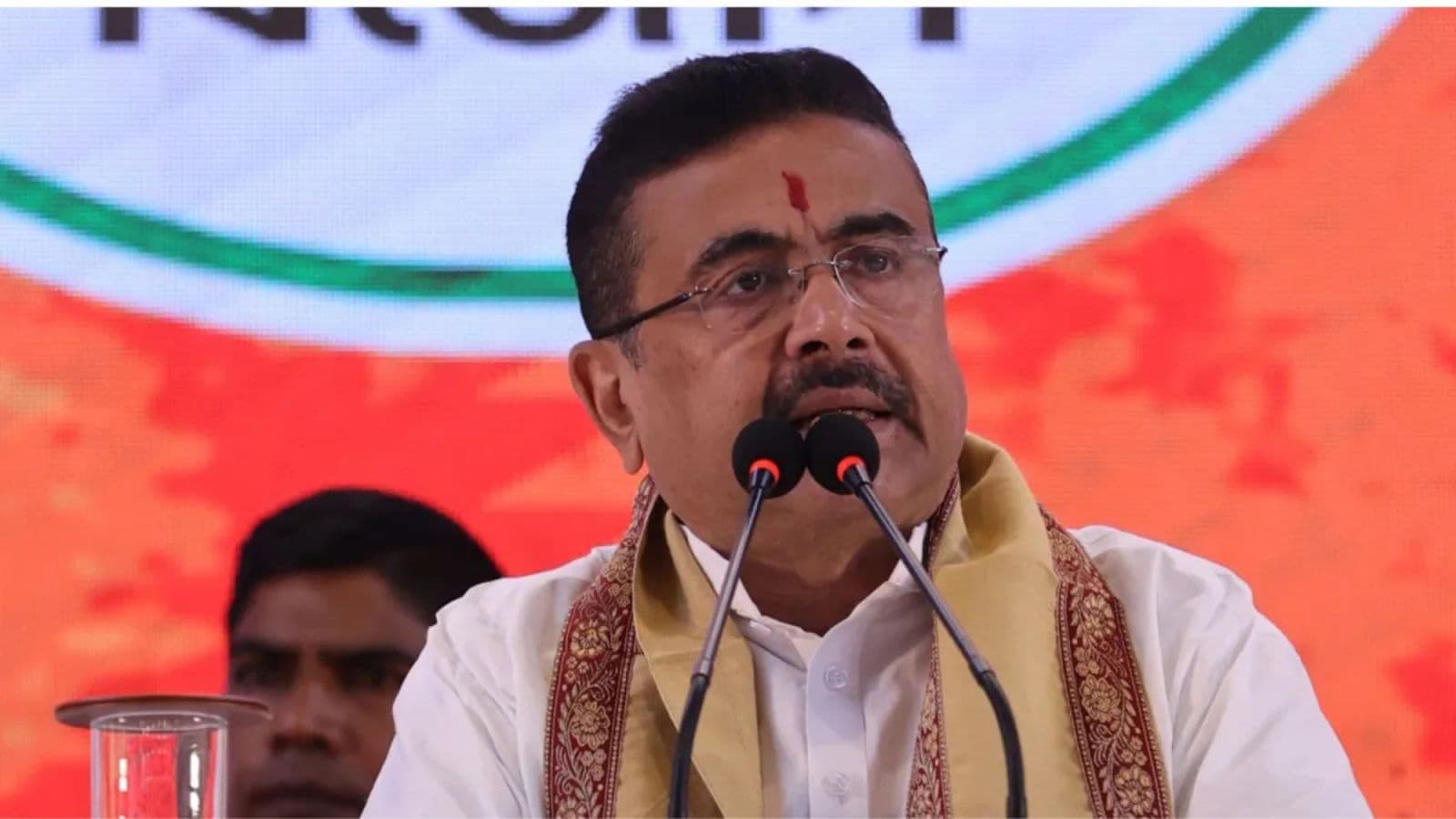
KolkataUpdated: Jul 20, 2026 12:59 PM IST The Bengali language will be mandatory at all levels of government in West Bengal from September 1, Chief Minister Suvendu Adhikari announced in the Legislative Assembly on Monday. CM Adhikari informed the Assembly that Bengali will be the primary medium for all state government communications, and all internal official correspondence must be written and exchanged in the language. He added that official correspondence directed to the Central Government will be maintained in both Bengali and Hindi.The Chief Minister made public a letter sent to him on Sunday by Union Home Minister Amit Shah, wherein the Centre emphasised the importance of the Bengali language. In the letter, Shah advised that Bengali should be accorded greater prominence and recommended its active deployment in administrative and official frameworks. Shah stressed the importance of increasing the use of Hindi for interstate administrative channels between the Central and state governments. CM Adhikari said, “This decision has been taken to strengthen further the use of the Bengali language in the state’s official system.” According to Adhikari, special emphasis will be placed on standardising official communication in Bengali across all state government departments, autonomous agencies, and administrative tiers. Report on 1993 police firing Stepping up his political offensive against the Opposition just a day before the annual Martyrs’ Day rally on July 21, CM Adhikari also announced that he will release the long-awaited full report of the July 21 Commission on Monday evening. The inquiry commission was originally constituted when Mamata Banerjee first assumed office as Chief Minister in 2011 to investigate the Kolkata police firing on July 21, 1993, that killed 13 youth Congress workers during a protest against the Left Front government. The Commission submitted its final report in December 2014, concluding that no senior leaders of the Left Front or police officers were responsible for the deaths. The incident and the Commission’s findings have recently come back into the spotlight as a significant political issue. BJP leaders and dissenting members of the Trinamool Congress have criticised the previous administration under Mamata Banerjee for allegedly failing to release the full report. They are calling for a new investigation into the incident. Atri Mitra is a highly accomplished Special Correspondent for The Indian Express, bringing over 20 years of experience to his reporting. His work is characterized by deep regional knowledge and a focus on critical administrative and political developments, establishing strong Expertise and Authority in his domain. Experience Current Role: Special Correspondent, The Indian Express. Decades of Experience: Over two decades of extensive reporting experience, primarily covering administration and political news. Geographical Focus: Holds significant reporting experience from West Bengal, Bihar, and the North-East, providing a comprehensive understanding of the socio-political landscape in these regions. Key Coverage: Has dedicated more than ten years to covering administration and political news, with a keen focus on political developments in West Bengal. Electoral Reporting: Demonstrated a commitment to crucial political moments, having covered the 2009 Lok Sabha election and 2010 assembly elections during his time at Anandabazar Patrika, and the 2019 Bihar Lok Sabha election while working with News18-Bangla. Career Foundation: Began his career at the leading vernacular daily Anandabazar Patrika, where he worked for more than fifteen years, including a three-year stint as the Bihar correspondent. Education Advanced Degree: Holds a Master's degree in Economics from Rabindrabharati University, providing an analytical framework for his political and administrative reporting. Undergraduate Education: Holds a Bachelor's degree from Calcutta University. Prestigi
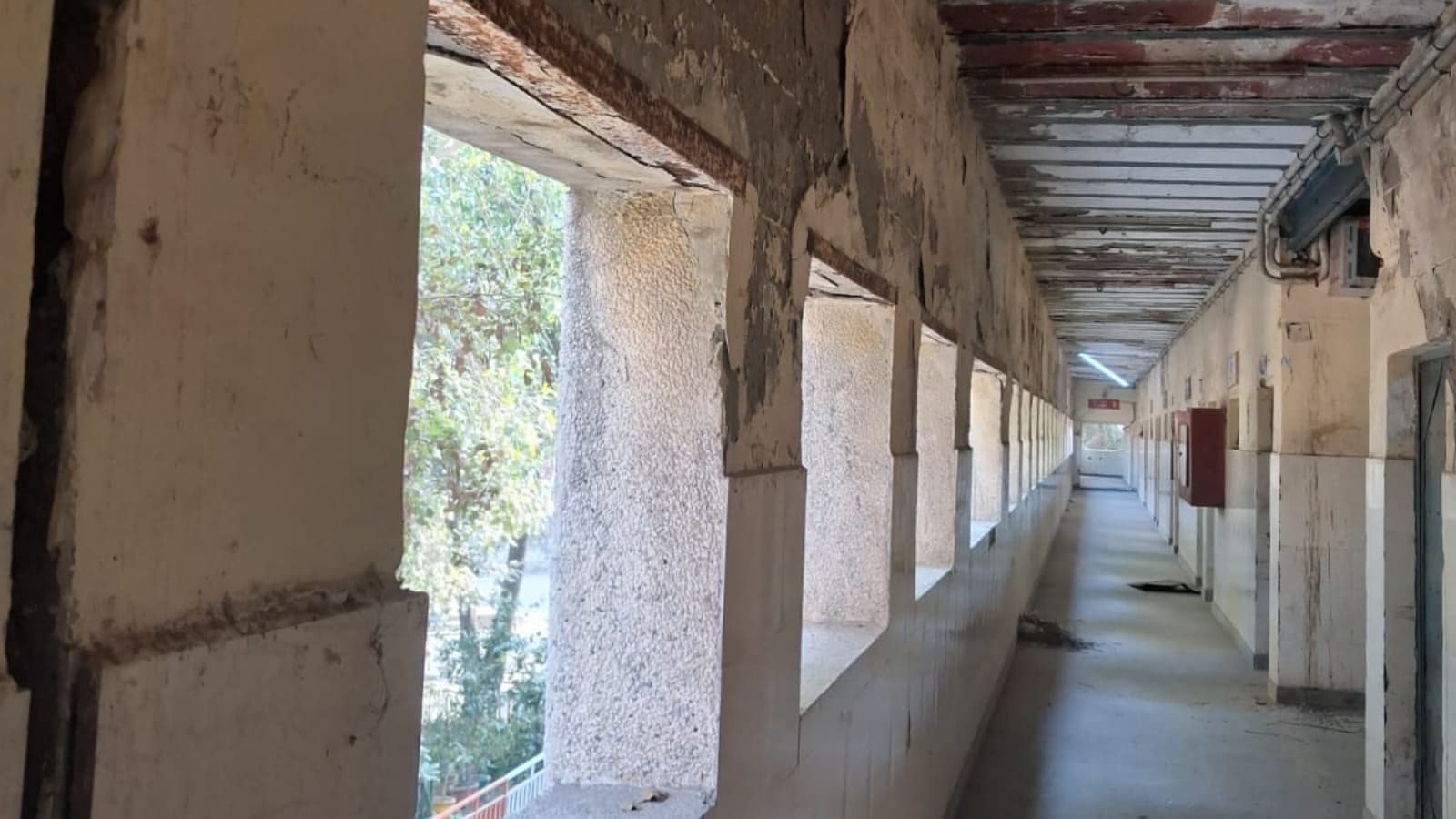
The Delhi government has identified 108 of its school buildings — roughly one-tenth of such schools in the Capital — as “unsafe” and “dangerous”, and ordered structural audits for their demolition and reconstruction.Of these, 54 school buildings have been found to be in “very poor condition” with cracks in the walls and ceilings. Seven have been approved for demolition, with action expected in the coming months.The matter was recently discussed in a meeting chaired by Chief Minister Rekha Gupta, officials said, adding that she directed the Education department and the Public Works Department (PWD) to conduct structural audits of all existing school buildings to prevent any untoward incident. Gupta also visited some of these schools and directed the departments concerned to expedite the audit process, ensure timely removal of unsafe structures and facilitate redevelopment activities, officials said.Gupta also visited some of these schools and directed the departments concerned to expedite the audit process, ensure timely removal of unsafe structures and facilitate redevelopment activities, officials said. According to an official document, of the 108 schools, “54 demolition proposals are presently under process/submission for joint inspection for structural audit before demolition, 14 proposals have received for structural audit and survey reports for demolition to be submitted by PWD and seven have been approved for demolition by the Competent Authority, i.e. Lieutenant Governor (LG)”. The seven school buildings expected to be razed in the coming months are CM SHRI School, Chilla Village; Government Girls Senior Secondary School (GGSSS), Jasola Village; Sarvodya Kanya Vidyala, Karala; Government Boys Senior Secondary School, Baprola; SKV Matiala; GGSSS, Neb Sarai; and GGSSS, Shivaji Park. According to officials, the Directorate of Education (DoE) is carrying out a comprehensive ‘digital profiling’ of all existing school buildings in the city to assess the structural stability and overall condition of each building, including electrical, plumbing and fire safety systems.Story continues below this ad “… in some schools, students and teachers are struggling to sit and study. These are buildings which are very old, constructed about 30-40 years ago. Some of these schools do not even have a proper roof, students are studying under tin roofs, there are cracks in walls and ceilings, and the washrooms and toilets are in poor condition with no proper windows and doors,” said officials. Officials added that they have found that some schools, constructed three-four years ago, are also suffering “wear and tear”. These buildings were also inspected by PWD engineers. “Once the audit report and findings are out, we will know when these were last revamped, the current issues, the student-teacher ratio etc,” said officials. “Before the finalisation of each proposal, the PWD conducts detailed structural audits and prepares cost estimates. Then survey reports are submitted mentioning unsafe or dangerous portions of the buildings that require demolition. Demolition proposals are processed only after obtaining necessary technical recommendations and statutory approvals, including the approval of the LG…,” officials said.Story continues below this ad “The repairing and revamping will also be done by the PWD,” an official said. Officials said the buildings will be removed in phases and that the government is working on a plan to ensure students’ education is not affected. “In the first phase, 54 school buildings will be taken up so that students do not get affected. Students might be shifted to nearby schools or the demolition will be carried out block-wise and at night,” said a senior official. The profiling also includes evaluation of the accessibility features of school premises in accordance with universal accessibility standards to ensure an inclusive learning environment for all students, including children with disabilities. Besides, officia
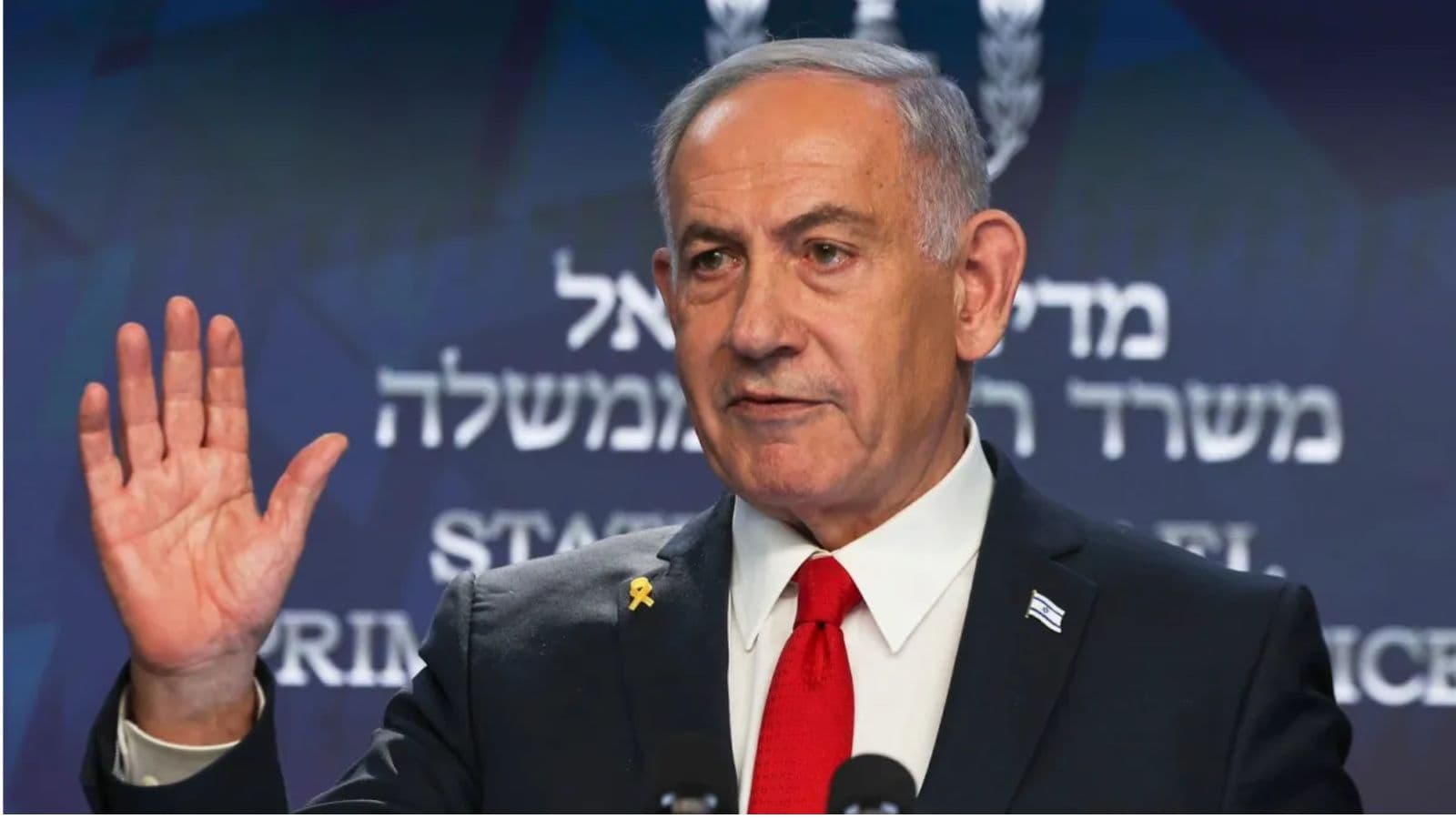
New DelhiJul 13, 2026 12:30 AM IST Speaking in a televised briefing, Netanyahu said the deal was the result of direct negotiations between Israel and Lebanon. (File Photo) Israel is set to hold its parliamentary elections on October 27, allowing the current Israeli parliament to complete its four-year term, and it’ll be the first since Hamas launched its attack on the country in 2023, followed by wars in Gaza, Lebanon and Iran. Resolution of early dissolution uncertainties The precise date of the polls, announced on Sunday by Prime Minister Benjamin Netanyahu’s coalition, had been obscure until now, since the Israeli parliament voted in May to disband, raising the possibility that the election could be held early, Reuters reported.Historic milestone in modern legislative stability The polls scheduled in October are set to mark the first time in nearly four decades that elections will be held on schedule in the country, and the PM Netanyahu-led government would become the first dispensation to complete its full term in more than 50 years, the Times of Israel reported. Shifting voter sentiment and poll projections The political landscape in Tel Aviv is expected to shift as pre-poll surveys have predicted that Netanyahu’s coalition of nationalist and religious parties could lose the upcoming elections in October, Reuters reported. The news agency had earlier reported that 76-year-old Netanyahu’s approval ratings have plunged over the outcome of the Iran war. Lack of cohesive opposition strategy provides leverage In a rare feat to complete the full four-year term, the Netanyahu-led coalition government could see a silver lining in the polls as their political rivals still don’t have any clear path to power corridors in Tel Aviv. Lingering security challenges and legal battles Netanyahu, who made a political comeback in 2022 after being able to form Israel’s most right-wing government to date, faced a crisis when Hamas launched its surprise attack in October 2023 and left the prime minister’s security credentials in tatters.Story continues below this ad Netanyahu still faces corruption charges dating back to 2019, and if found guilty, the incumbent prime minister could be jailed. He is facing mounting pressure over the handling of wars in the region, including Gaza, Lebanon and Iran. The Express Global Desk at indianexpress.com which delivers authoritative, verified, and context-driven coverage of key international developments shaping global politics, policy, and migration trends. The desk focuses on stories with direct relevance for Indian and global audiences, combining breaking news with in-depth explainers and analysis. A major focus area of the desk is US immigration and visa policy, including developments related to student visas, work permits, permanent residency pathways, executive actions, and court rulings. The Global Desk also closely tracks Canada’s immigration, visa, and study policies, covering changes to study permits, post-study work options, permanent residence programmes, and regulatory updates affecting migrants and international students. All reporting from the Global Desk adheres to The Indian Express’ editorial standards, relying on official data, government notifications, court documents, and on-record sources. The desk prioritises clarity, accuracy, and accountability, ensuring readers can navigate complex global systems with confidence. Core Team The Express Global Desk is led by a team of experienced journalists and editors with deep expertise in international affairs and migration policy: Aniruddha Dhar – Senior Assistant Editor with extensive experience in global affairs, international politics, and editorial leadership. Nischai Vats – Deputy Copy Editor specialising in US politics, US visa and immigration policy, and policy-driven international coverage. Mashkoora Khan – Sub-editor focusing on global developments, with a strong emphasis on Canada visa, immigration, and study-related



Discussion (0)