
Loading dispatches...
← Return to NewsroomPolitics
Singer Janaki cremated with state honours in Mysuru

Veteran actors Srinath and Bharati Vishnuvardhan paying their last respects to S. Janaki in Mysuru on Sunday. | A. Sriram Legendary singer S. Janaki was cremated with state honours at a farmhouse in Kaniyanahundi near Mysuru on Sunday evening.Janaki’s granddaughter Apsara Vydyula performed the last rites as per Telugu Brahmin traditions in the presence of her close relatives, people’s representatives, friends, and a large number of admirers and the general public.Earlier, Janaki’s mortal remains were brought in a vehicle with police escort to the farmhouse in H.D. Kote taluk of Mysuru district from Maharaja’s College grounds, where it was kept for public viewing.The last rites were held at the farmhouse belonging to Janaki’s admirer and caretaker Naveen as per the singer’s wishes. Janaki’s late husband Ramprasad was from Mysuru and the singer had chosen to make Mysuru her home in the last few years. Both Janaki’s husband and their only son Murali Krishna had predeceased her.Ms. Apsara thanked the government for the state honours and public homage. On Janaki, Ms. Apsara said her grandmother was one of a kind with remarkable talent, and was special for the whole world. “I will remember her more as a grandmother, who was so kind and generous. She was full of love and laughter with a child-like spirit. She was a unique soul,” Ms. Apsara said.The cremation was attended by Urban Development Minister Yathindra Siddaramaiah, MLAs T.S. Srivatsa and Anil Chikkamadu, Deputy Commissioner of Mysuru Lakshmikant Reddy, Superintendent of Mysuru Mallikarjun Balandandi and Mysuru Zilla Panchayat Chief Executive Officer Yukesh Kumar.Several personalities from the Kannada film industry including chairperson of Karnataka Film Chamber of Commerce S. Jaimala and veteran actress Bharathi Vishnuvardhan and noted music composer Hamsalekha also attended the cremation.Extensive arrangements had been made at the farmhouse with barricades erected from the approach road to the place of cremation. Adequate police personnel had been deployed to maintain security at the venue. Published - July 12, 2026 08:12 pm IST

The State government has spent 12.74% of its total expenditure on payment of interest for borrowings and other liabilities during 2024-25.Telangana is ranked among 11 States which spent more than 10% of their respective expenditure on interest payments, according to the Comptroller and Auditor General of India (CAG). This indicates relatively higher debt servicing requirements, as interest payments were higher than pension payments and next only to salaries, constituting the committed expenditure of the State. Higher interest payments expose the pressure on State finances owing to borrowings by the previous government.In the current fiscal too, the State had incurred ₹4,658 crore on interest payment, ₹8,324 crore on salaries and ₹4,758 crore on payment of pensions in the first two months, indicating that expenditure on account of interest payment would be around the ₹25,000-crore mark. The State remitted interest payment of €₹29,679 crore last fiscal, much higher than the ₹19,369 crore projected in the Budget.The pressure due to interest payment as a major component of expenditure can be seen from the fact that the State had to rely heavily on ways and means advances from the Reserve Bank of India (RBI). According to the report, Telangana, along with Rajasthan and Andhra Pradesh, availed 62% of the total WMA, the temporary advances provided by the RBI to help in managing short term mismatches between receipts and payments, with dependence on the financial accommodation instrument for 363 of the 365 days in the year.According to the CAG report on State Finances 2024-25, Telangana was among the seven States with its Own Tax Revenues in excess of 60%. It was among the top in non-tax revenues of ₹16,772 crore, 71% of the non-tax revenues received from the sale of land and property and miscellaneous other reports. The State, however, reported revenue deficit during the year as receipts constituted about 90% of the revenue expenditure. Published - July 12, 2026 07:25 pm IST

The members of the public paying their last respects to the mortal remains of singer S. Janaki at Maharaja’s College grounds in Mysuru on Sunday. | A. Sriram Thousands of people filed past a raised platform in the Maharaja’s College grounds in Mysuru on Sunday, paying their last respects to the singing legend S. Janaki, who passed away on Saturday.The mortal remains of Ms. Janaki were shifted from a private hospital in the city to her residence in Bogadi late on Saturday night before being brought to Maharaja’s College grounds on Sunday morning.The Mysuru district administration made arrangements to keep the singer’s body on a stage in Maharaja’s College grounds to facilitate her fans, admirers, and the general public to pay their homage.A steady stream of mourners, including people from different parts of the State, reached the Maharaja’s College grounds to catch one last glimpse of the singer, who had regaled her audience for over six decades.Also present on the occasion were Ms. Janaki’s daughter-in-law, Uma Murali Krishna, and granddaughters, Amruthavarshini and Apsara Vydyula. Ms. Janaki’s husband, Ramprasad, and their only son, Murali Krishna, predeceased her.Karnataka Film Chamber of Commerce Chairperson and yesteryear actress S. Jayamala, who was among the dignitaries offering their last respects to the departed singer, said Ms. Janaki had sung a record 48,000 songs in 20 different languages.Renowned music composer Hamsalekha, accompanied by his wife Latha Hamsalekha, reached the venue and offered floral tributes to the mortal remains of Ms. Janaki. Speaking to reporters later, Mr. Hamsalekha said the music industry in Karnataka is keen to set up a meditation centre and a music school at the farmhouse where her last rites were later held with full State honours.If Ms. Janaki’s caretaker, Naveen — in whose farmhouse the last rites were held — and her family members consent, the music industry would take the initiative to set up the meditation centre and music school as a memorial to the departed singer.As Ms. Janaki wished to have her final resting place in Mysuru, Mr. Hamsalekha said a memorial in her honour would be a befitting tribute to her contribution to the world of cinema.Though Ms. Janaki, who died at 88 years, had lived a full life, Mr. Hamsalekha felt she would have lived for a few more years had she not been taken over by the sorrow of losing her son earlier this year.Meanwhile, Ms. Jayamala said a memorial for Ms Janaki was fine, although there was a need for the University of Mysore to set up a Study Centre on Music in memory of the legendary singer.Ms. Jayamala described Ms. Janaki as “Mysuru’s daughter-in-law”, who chose to spend her last days in Mysuru. Mysuru was clearly very close to her heart. Hence, a Study Centre on Music at the University of Mysore would immortalise her singing. The centre would facilitate studies in Ms. Janaki’s singing and her long and illustrious career as a playback singer in multiple languages, she said.She said Ms. Janaki was a versatile singer who would grasp the voices of different artistes and try to sing in their voices to lend authenticity to the songs.The other dignitaries paying their last respects to Ms. Janaki included Minister for Urban Development Yathindra Siddaramaiah, MLAs T.S. Srivatsa, Harish Gowda, and Anil Chikkamadu, former Minister B. Sriramulu, playback singer Vijay Prakash, actress Tara, actor Sadhu Kokila and others.Children who had participated in a Kannada reality show rendered a song in memory of Ms. Janaki at the venue.Meanwhile, Mysuru City police had made elaborate security arrangements at the venue. Apart from regular police, platoons of KSRP, CAR, and commando units were also deployed at the venue. Published - July 12, 2026 06:54 pm IST
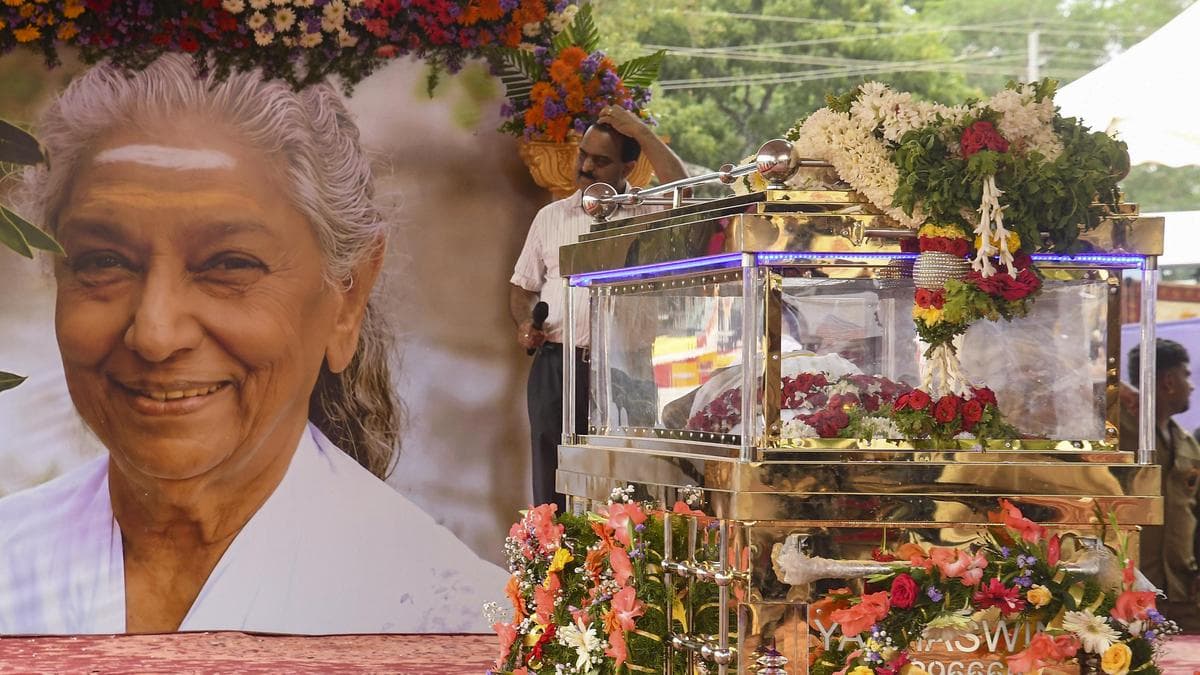
Home Entertainment Music Legendary singer S. Janaki died at a private hospital in Mysuru on July 11, 2026, due to age-related ailments Updated - July 12, 2026 06:27 pm IST People arrive to pay their last respects to veteran playback singer S. Janaki during the public homage at Maharaja's College Grounds, in Mysuru, Karnataka, on July 12, 2026. | Janaki, whose extraordinary voice dominated South Indian cinema for decades and whose songs continue to resonate across generations, died in Mysuru on Saturday (July 11, 2026). She was 88.She died at a private hospital due to age-related ailments. Janaki who had the voice for every human emotionThe singer, who is known for her versatility and a huge following across regions and generations, had sung 48,000 songs in 18 languages, predominantly the South Indian languages of Kannada, Tamil, Telugu and Malayalam. Janaki won the National Film Award for Best Female Playback Singer for “Senthoora Poove” from 16 Vayathinile, the debut directorial venture of Bharathiraja, who passed away last month.In Pictures | S. Janaki: the voice that belonged to every StateCondolences poured in following the demise of Janaki, with film personalities, musicians and public figures paying rich tributes to the iconic singer and recalling her unparalleled contribution to Indian film music.She was cremated with full state honours on Sunday evening (July 12, 2026) at a farmhouse in Kaniyanahundi near Mysuru. Her granddaughter Vydyula performed the last rites, attended by family, friends, and many admirers.Follow the live for more updates: Veteran playback singer S. Janaki passes away in Mysuru at 88 July 12, 2026 18:26 Singer S. Janaki consigned to flames; last rites held with full state honoursLegendary singer S. Janaki was cremated with full state honours at a farmhouse in Kaniyanahundi near Mysuru on Sunday (July 12, 2026) evening.Ms. Janaki’s granddaughter Vydyula performed the last rites in the presence of her close relatives, friends and a large number of admirers.Earlier, Ms Janaki’s body was brought in a vehicle to the farmhouse in HD Kote taluk of the Mysuru district from Maharaja’s College grounds, where it was kept for public viewing.Click here to read the full story.July 12, 2026 17:51 Hassan hotel owner honours S. Janaki with a book written in 2013Veteran playback singer S. Janaki has thousands of admirers, but unique among them is H.S. Ravi, a resident of Hassan who runs a small hotel in the town and has penned a book about the legendary singer.Read the fully story belowHassan hotel owner honours S. Janaki with a book written in 2013Hassan hotel owner H.S. Ravi honors S. Janaki with a book celebrating her contributions to Kannada film music in 2013.July 12, 2026 15:40 When Janaki became the constant soundtrack of a family in Kerala Abhilash Pudukad, 44, skipped a heartbeat when his mobile phone was flooded with the texts of singer S. Janaki’s passing on Saturday (July 11, 2026) evening.For Mr. Abhilash and his parents — Ayyappan and Radhamani — Janaki was not a distant icon. She was a personal presence in their lives for over two decades, ever since Mr. Abhilash first met her in Sharjah in 2004.When Janaki became the constant soundtrack of a family in KeralaAbhilash Pudukad reflects on his lifelong bond with S. Janaki, the cherished voice of his family's memories in Kerala.July 12, 2026 15:22 Daughter of Telugu soil: A.P. CM Naidu offers condolencesAndhra Pradesh Chief Minister N. Chandrababu Naidu expressed grief over the death of the singer, who hailed from Repalle in Andhra Pradesh’s Bapatla district. He described her passing as an irreparable loss to the world of music and said her voice would continue to inspire generations.Read more hereJuly 12, 2026 15:10 S. Janaki: Not Kerala-born, but forever its voiceIn the vast world of music, only a few voices outlive the singers who gave them life. For generations of Keralites, S
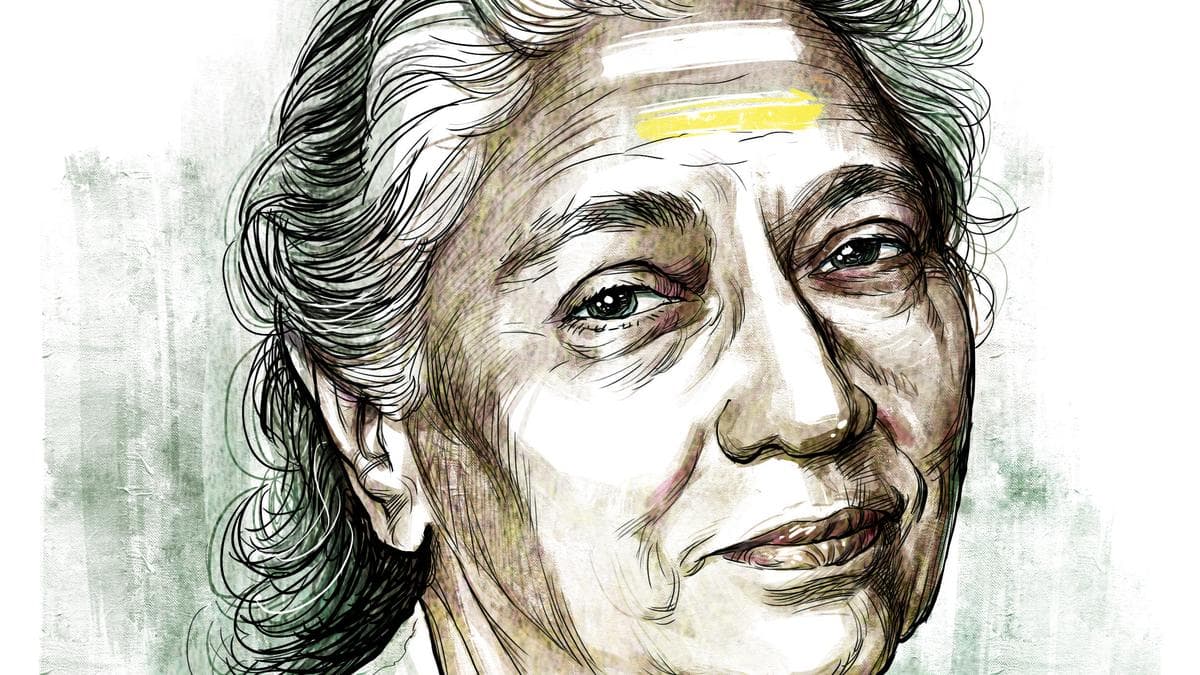
Playback singer S. Janaki. | Janaki (88), who died on July 11, 2026 (Saturday), possessed the rare ability to convey every shade of human emotion—joy, longing, sorrow, devotion, romance, mischief and maternal affection—with astonishing ease. Her songs remain woven into the cultural memory of south India.During a career spanning more than six decades, she worked with successive generations of composers, beginning with T. Chalapathi Rao, who introduced her to films, and later M.D. Parthasarathy, G. Ramanathan, M.B. Srinivasan, K.V. Mahadevan and M.S. Viswanathan in the Tamil film industry.Her remarkable journey in Tamil cinema gathered further momentum with the rise of maestro Ilaiyaraaja, who chose her for memorable songs in his debut film Annakili (1976), a landmark in Tamil film music that completed 50 years in 2026.Janaki also left an indelible mark in the music of A.R. Rahman, lending her voice to unforgettable Tamil songs such as Ottagathai Kattikko (Gentleman movie), Gopala Gopala (Kadhalan movie), Nenjinile Nenjinile (Uyire movie) and Margazhi Thingal Allava (Sangamam movie).She won the National Film Award for Best Female Playback Singer four times. One of those honours came for Senthoora Poove from the hit Tamil film 16 Vayathinile, the directorial debut of Bharathiraja, who himself passed away recently.One of Janaki’s finest early recordings was Singara Velane Deva from the movie Konjum Salangai. She shared musical space with the nagaswaram maestro Karukurichi Arunachalam. The song remains a benchmark for the seamless blending of Carnatic and film music. Although Janaki and Arunachalam recorded their portions separately, it emerged as a masterpiece.Another unforgettable gem was Chinnanchiriya Vannaparavai from the movie Kumkumam, based on the raga Darbari Kanada. The song demonstrated her remarkable ability to bring out the subtleties of Carnatic ragas within the framework of film music.In Kamal Haasan-starrer Sakalakala Vallavan, Janaki’s playful rendition of Nethu Rathiri Yamma perfectly captured the emotions of a couple yearning for intimacy and became one of the defining songs of the decade. Her sensuous rendering of Inji Idupalagi in Thevar Magan further highlighted her versatility. Ilaiyaraaja is often said to have regarded Janaki as one of his most expressive singers, capable of effortlessly translating his musical ideas into unforgettable performances. Their partnership produced countless classics that continue to enchant music lovers.Songs such as Azhagiya Kanne from the film Uthiripookkal remain deeply moving even today, poignantly portraying a mother’s helplessness. Chinna Chinna Vanna Kuyil from Maniratnam directorial Mouna Ragam beautifully captured the emotions of a love-struck young woman. In Mogamul, the film adaptation of T. Janakiraman’s celebrated novel, Janaki’s rendition of Sollayo Vaai Thirandhu, based on the raga Shanmukhapriya, expressed unrequited love with rare emotional intensity.Born on April 23, 1938, in Guntur district of Andhra Pradesh, Janaki absorbed the nuances of Carnatic music while accompanying her elder sister to music lessons. “As she possessed a natural gift for singing, Paitisamy, the music teacher, came forward to train her. Though the teacher died within a year, she had acquired a strong enough foundation to win second prize in an All India Radio music competition,” writes Vamanan in Thirai Isai Alaigal.She came to Chennai in search of opportunities in the film industry and recorded two songs under T. Chalapathi Rao for the movie Vithiyin Vilayattu. Recalling that turning point, Janaki later wrote in a souvenir released to commemorate the silver jubilee of Chalapathi Rao’s career: “I did not know Tamil, but Chalapathi Rao had the courage to entrust me with two songs filled with pathos. Chalapathi Rao is responsible for my achievements.” Published - July 12, 2026 12:03 pm IST
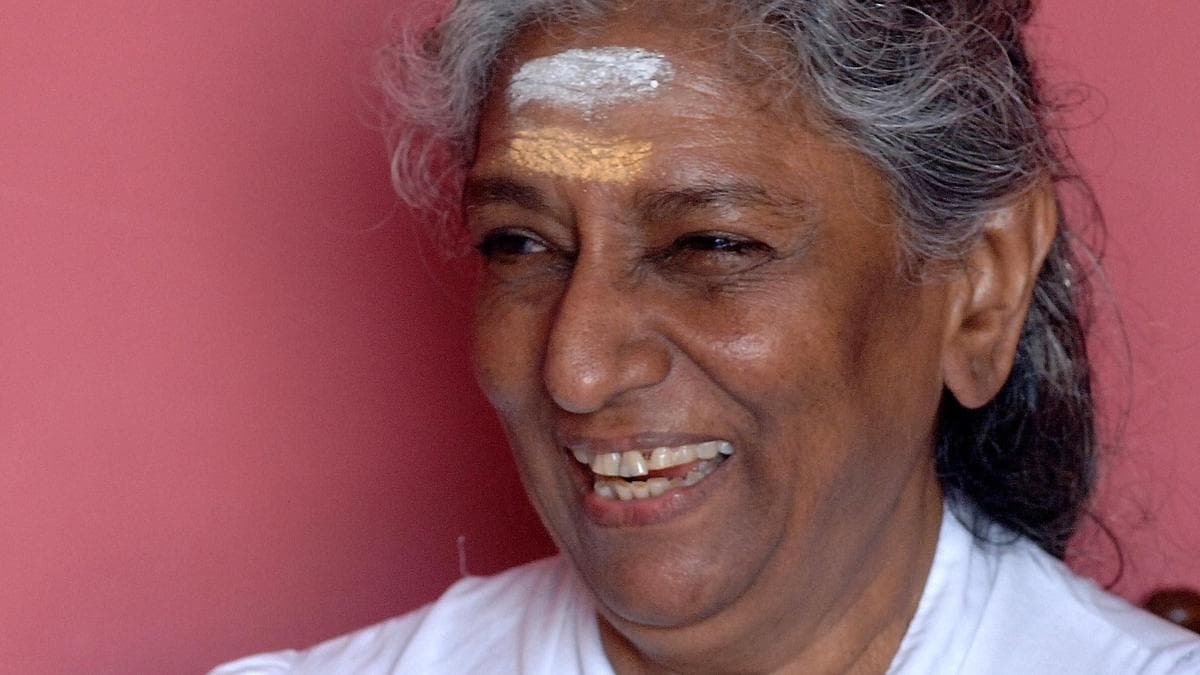
Playback singer S. Janaki. File | Sridharan S. Janaki walked into the strobe lights of Bollywood in 1985 with Bappi Lahiri’s ‘Yaar Bina Chain Kahan Re’ (Saheb), where her classical perfection met the raw, uninhabited pulse of Bombay’s disco. Her velvety rendering of the opening hook, ‘Sona nahi, chaandi nahi...’ was delivered with a unique, slightly nasal, yet incredibly sweet timbre that stood completely apart from the prevailing voices of the era. Picturised on Anil Kapoor and Amrita Singh in retro star filter, the song played relentlessly on Chitrahaar and Vivid Bharati, and no wedding playlist, festival loudspeaker, or local bus journey in Northern India was complete without this youth anthem blasting through the speakers.S. Janaki no more | LIVE updatesAround the same time, she created a fearless synergy with Kishore Kumar in ‘Rock N Roll’ and ‘Bol Baby Bol’ (Meri Jung), which became a rage in discotheques. Composed by Laxmikant-Pyarelal, the arrangement shifted away from Lahiri’s smooth electronic synth loops into an aggressive, brass-heavy, syncopated rock rhythm. Janaki’s rhythmic precision proved she didn’t just sing over a beat – she drove it forward.Versatility remained the Nightingale’s calling card in Hindi cinema as well. When director K. Viswanath remade his iconic Telugu musical ‘Sankarabharanam’ into Hindi as ‘Sur Sangam’ (1985), Laxmikant-Pyarelal, handling the music, insisted on retaining Janaki’s voice. And her flawless control over the intricate taans in Prabhu More Avagun Chit Na Dharo proved she could command a strictly traditional Hindustani score. Singing alongside Anup Jalota, Janaki delivered an incredibly complex, raga-heavy bhajan.Music observers say that in the 1980s, when there was a massive influx of South Indian production houses into Bollywood, remaking South Indian hits into Hindi, Janaki emerged as a pan-Indian voice. Her precise diction and incredible range allowed her to easily transition from classical melodies to high-energy tracks. It is said that Lahiri, during a visit to Prasada Studios, overheard Janaki’s voice by chance while she was recording a Tamil song and was bowled over by her clarity and modulation.With Lahiri and LP, she became a defining voice of commercial Hindi cinema, but she also sang for veterans such as O.P. Nayyar and Salil Chowdhury, who praised her Hindi and Urdu pronunciation and her ability to erase her South Indian accent completely. Chowdhury would know, as he worked with her over several Malayalam films and then used her voice for ‘Dil Ka Saathi Dil’, a remake of the Malayalam hit ‘Madanolsavam’, where she readapted the hugely popular ‘Sandhye Kanneerithenthe’ as ‘Chhalke Sanjh Ke Naina’, which remains a lesser-known masterpiece for connoisseurs, and the popular duet ‘Mere Prem Ki Ragini’ with S. Yesudas.At the same time, she accepted R.D. Burman’s challenge to sing a street-smart ‘Bataata Vada’ (Hifazat, 1987). Duetting with S.P. Balasubrahmanyam, Janaki sang a tap-dancing, rhythm-heavy Mumbai street anthem. Another number with SPB that has withstood the test of time is ‘Tere Pyaar Main Hum’ (Jamai Raja).In ‘Aakhree Raasta’ (1986), she effortlessly sang both the immensely popular romantic duet ‘Gori Ka Saajan, Sajan Ki Gori’ with Kishore Kumar and the emotionally heavy, maternal song “Toone Mera Doodh Piya Hai” with Mohammed Aziz, showing her vast dramatic range by giving voice to two rivals, Sridevi and Jayaprada.But the song that recorded her immense emotional vulnerability for posterity is ‘Dil Mein Ho Tum’ (Satyamev Jayate, 1987). Perhaps her most soulful melody with Lahiri, Janaki’s solo version, continues to mesmerise with her haunting innocence. Published - July 12, 2026 12:05 am IST
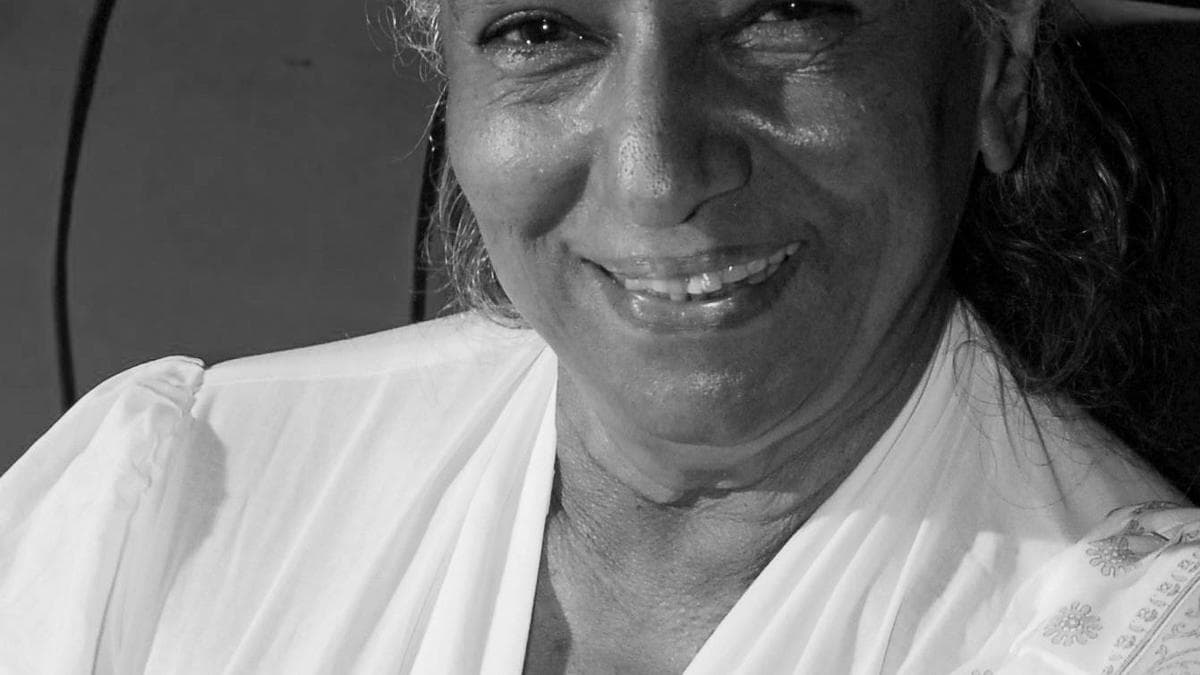
S. Janaki | Janaki, whose voice captivated generations of music lovers across India, was born and spent part of her childhood in Pallapatla village near Repalle in present-day Bapatla district of Andhra Pradesh. The celebrated singer passed away on Saturday, leaving behind an unparalleled musical legacy spanning more than six decades.When Bollywood jived to S. Janaki’s infectious voiceResidents of Pallapatla recalled their association with the iconic singer with pride and nostalgia. Sambasiva Rao Vogiboyina, 50, told The Hindu that S. Janaki spent her early childhood in the village before her family moved elsewhere. He said the family owned a large ancestral house in Pallapatla, which stood in a dilapidated condition until it was demolished about a decade ago. According to him, the family continues to own some property in the village.Mr. Rao said S. Janaki had planned to visit Pallapatla to take part in the consecration ceremony following the renovation of a village temple. However, the visit did not materialise due to the COVID-19 pandemic.Telugu film director Dileep Raja, a native of Tenali in Guntur district, said S. Janaki was the only legendary playback singer to have hailed from the coastal belt around Repalle, making her an enduring source of pride for the people of the region.Chief Minister N. Chandrababu Naidu said he was deeply saddened by the passing of the veteran playback singer, whom he described as the beloved “Nightingale of South India”. In a post on X, Mr. Naidu said that, as a daughter of Telugu soil, S. Janaki had built an unparalleled musical legacy spanning more than six decades, touching generations with her timeless voice. Her immense contribution to Indian music would be cherished forever, he said, while conveying his heartfelt condolences to her family, admirers and the music fraternity. Published - July 11, 2026 10:07 pm IST
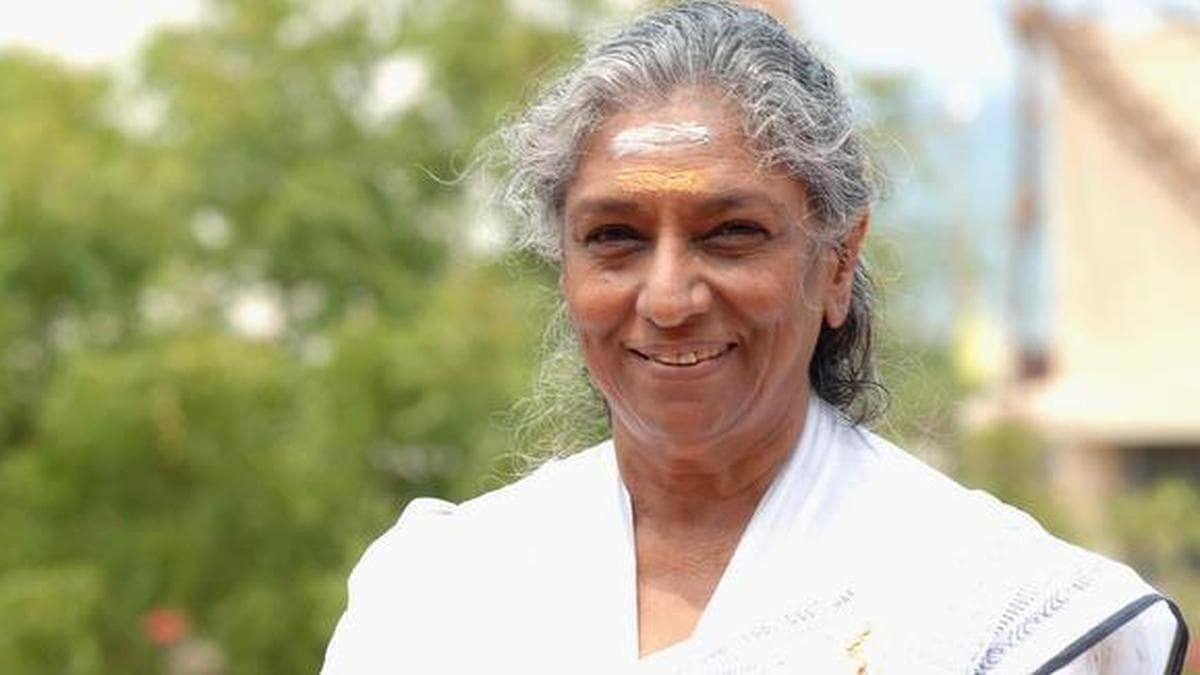
S. Janaki. File | S. Janaki, always referred to as Janaki Amma, a suffix born out of respect and bequeathed to her spontaneously over the years, breathed her last at Mysuru.In these weeks of departures, be it Bharathiraja and K. Bhagyaraj, Janaki’s move into the mists of time, is the latest blow. Her sound remained intrinsic to most Indians, especially south of the Vindhyas. Be it Tamil, Kannada, Telugu or Malayalam, every fan from these Dravidian languages will have a favourite Janaki song, and one that made them believe that she belonged to their State.Janaki sang in Hindi and Sinhala too, but it was in the South Indian languages that she carved a niche. Her rendition was infused with love and pathos and was often a hat-tip to bygone times. Be it Thenum vayambum in Malayalam, Chinna thayaval in Tamil, Naguva nayana in Kannada or Puvvu navennu in Telugu, she captured the emotion, the context, and the relevance of the song within the screenplay and made them eternal.Be it solo endeavours or singing in tandem, Janaki remained unique. Along with Kamal Haasan, she performed the duet Sundari neeyum from the 1990 blockbuster Michael Madana Kama Rajan, a number that draws in listeners even now.To hold her own space while singing with S.P. Balasubrahmanyam (SPB) and K.J. Yesudas, and to garner the respect of her peers all through her career, revealed Janaki’s dominance in her acoustic space in celluloid. If music is an art that enriches the aesthetic zone, Janaki was the undisputed queen.Strangely, in the showbiz field, she preferred to be a commoner in her demeanour. Accessible and perhaps treating her talent and success lightly, there was a saintly aura in the way she presented herself in the public domain.To sing so many lyrics under multiple music directors, and to gain that overwhelming affection whenever the All India Radio announcer mentioned that the song to be played was sung by Janaki, are a reflection of her longevity. That she was intrinsic to the lead-singer’s cast for music composer Ilaiyaraaja’s debut in Annakili, is another feather in her glittering cap.SPB’s demise was personal to many; Janaki’s will be too. When K.S. Chithra, another legend in female playback singing, speaks about Janaki, the respect and affection are overwhelmingly evident. As the nightingale leaves at 88, there are memories to savour, and songs to cherish, even as some relief can be derived from the fact that the finest of art is eternal, and through her magical vocal chords, Janaki lives forever. Published - July 12, 2026 08:58 am IST
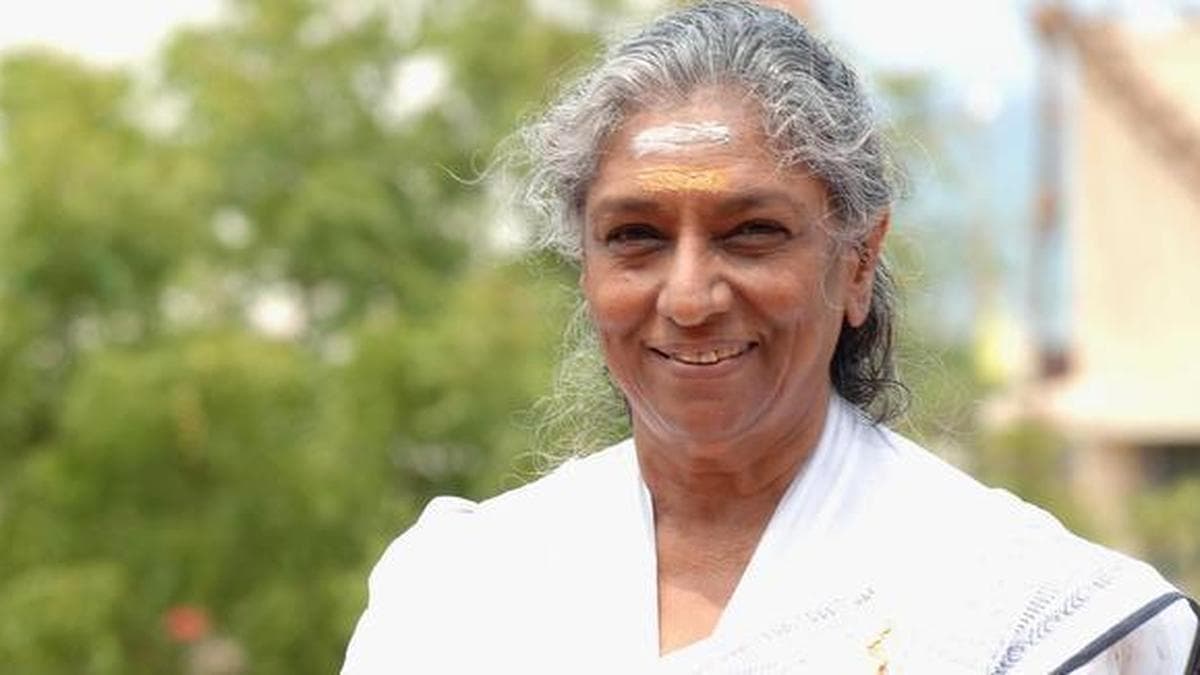
Playback singer S. Janaki | Sridharan If Bharathiraja taught people how to look at villages, then it was certainly S. Janaki who taught them to listen to the women in these villages. She was the perfect acoustic accompaniment for Bharathiraja’s vast rural landscapes. There’s no scientific way of telling how this combination dressed up folklore as a living, breathing, urgent way of life through celluloid, but it would be safe to say they pulled off something there. Janaki amma’s voice gave contour to the heroines, their fears, their desires, their hopes and their dreams, even as Bharathiraja wrote them lion’s space on the screen. Take the classic, much-feted 16 Vayathinile and the wonderful Sendoora Poove. A young Sridevi is footloose and fancy free; she starts with a lilt, and as the melody progresses, a mild, tender eroticism creeps in as the young girl asks the breeze to carry her message, not coyly or hesitantly, but with a confidence that Janaki’s voice lends to Mayilu’s character. Like the director, Janaki amma’s singing created a safe, legitimate space for female desire. Even if they will be punished by the real world later. And when she sings for the women from the rural areas, Janaki made sure her voice had a timbre and grain that sat well on Illayaraja’s earthy music and Bharathiraja’s visuals. The fullness of it gave the women the freedom that some of them on dreamt of, but a few also landed. With her incredible talent not just for singing but also performance, just as her singing partner the late S.P.Balasubrahmanyam, she would pack in a hesitation or a sob, a laugh, a longing, or joy in a way that were not alien to the rural backdrop, completely in sync with it. In another classic Poovarasampoo Poothachu, a song that could have only come from a village, in the film Kizhakke Pogum Rail, Janaki amma’s voice oscillates between flirtation, shyness, want, hope and also the fervent appeal to the deity to make it happen, the weight of what is to come, just as a woman-child might feel in the circumstances. In Alaigal Oivathillai, set in a beachside village, Aayiram Thamarai Mottukale, she manages to bring in that tender, tentative physical intimacy in the duet along with SPB as young Radha and Karthik discover each other. That plausibility she brings to the song is probably what endeared Janaki to her heroines, her fans, her stars, composers, and her directors. It was not for nothing that she was called IsaiArasi (Queen of music), so well could she lend her voice to truthfully convey what any woman would feel intensely. The richness of the rural landscape we have seen in Tamil cinema owes as much to Janaki Amma as it does to Bharathiraja, both dear departed now. Published - July 12, 2026 05:12 am IST
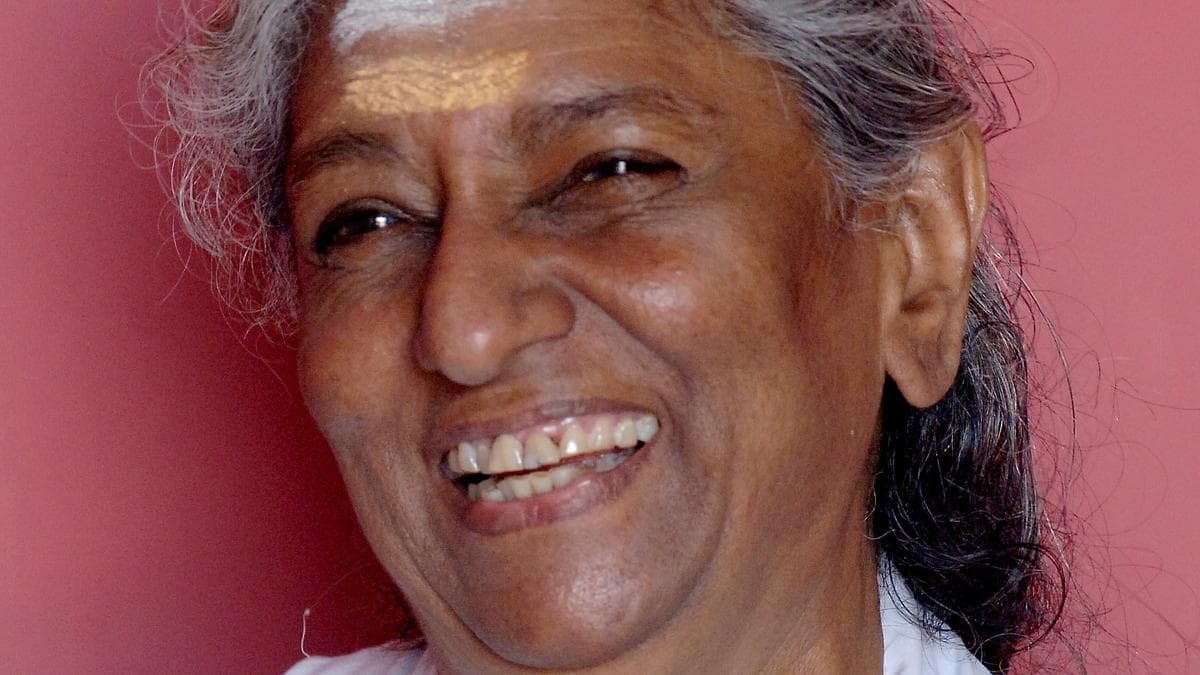
S. Janaki. | S. Janaki’s graceful rendering and her striking chemistry with S.P. Balasubrahmanyam create a nostalgic comfort hard to beat.The song is a reminder of the legacy Janaki, who passed away in Mysuru on Saturday (July 11), leaves behind. With the passing of the playback singing great at 88, a vital chapter in the history of Kannada cinema comes to an end.“She displayed extraordinary talent in singing songs across genres,” director Yogaraj Bhat told The Hindu. He added, “She used to be addressed as ‘amma’ by everyone, and today, with her death, it feels like we have heard the last line of her lullaby. However, her music is eternal.” S. Janaki and S.P. Balasubramaniam, photographed at a performance in 2004. | When Kannada cinema music witnessed the birth of youthful romantic music with Premaloka (1987), Janaki was at the forefront. Her expression of love in the song Idu Nanna Ninna Prema Geethe Chinna was marked by youthful energy.Music composer Gurukiran calls her “the queen of South Indian music”. “She was Ilaiyaraaja’s favourite. It’s a commendable achievement, because Ilaiyaraaja is a meticulous perfectionist. Those days, there was no process of pitch correction. So, to maintain such a high quality is proof of her talent. We were lucky to be born in her era,” he said.Part of Kannada cultureWith the song Jotheyali from Geetha (1981), Janaki became an inseparable part of Kannada culture. The song, buoyed by Janaki’s heartfelt rendering, is a hit at any festival celebrating the State and the language.“She is a great role model for the next generation of playback singers,” says lyricist V. Nagendra Prasad, who notes, “Despite not being a Kannadiga, she learnt the language. She had the ability to provide the right expression for the lyrics. She was also blessed with great texture, helping her sing several children’s songs.” Songs such as A Aa E Ee Kannadada Aksharamale, Sihimuttu, Sihimuttu Innondu were among the songs she rendered in the voice of a child.Composer R.P. Patnaik was surprised by one of her unique abilities. “You wouldn’t see any expression on her face when she sang. Any expression, including mimicry, was emerged from her throat,” he explains. S. Janaki and Pramoda Devi Wadiyar, photographed in 2017. | Puttaswamy. “Her song Gaaligopura Ninnashatheera from Nanda Deepa (1962), Yaava Janmada Maithri from Gowri, and Bhuvaneshwariya from Mareyada Haadu were some of her solo classics.”Janaki lent her voice to iconic songs for every renowned music composer in Kannada cinema. If it is Gaganavu Ello for Vijay Bhaskar in Puttanna Kanagal’s Gejje Pooje (1969), then it is A Aa E Ee Kannadada for Ranga Rao in the movie Karulina Kare (1970). Under the composition of the celebrated duo Rajan-Nagendra, one of Janaki’s memorable songs is Ellu Hogalla from Gandhada Gudi (1973).For the legendary G.K. Venkatesh, Janaki’s evergreen number is Malenaada Henna in the classic Bhootayyana Maga Ayyu (1974). Ee Bandhana — M. Ranga Rao’s composition — is a love anthem from Janaki for the romantic tragedy Bandhana (1984). The song features K.J. Yesudas, who shared a long and successful musical partnership with Janaki.Even the great Janaki was also challenged, he recollects. “She had confessed in a reality show that Shiva Shiva Ennada from S. Siddalingaiah’s Hemavathi (1977) was one of her toughest renditions she had ever sung.” Published - July 11, 2026 11:51 pm IST


Discussion (0)