
Loading dispatches...
← Return to Newsroomgeneral
Chandigarh’s new 4-bin waste rule: Bin colours, waste categories, fine
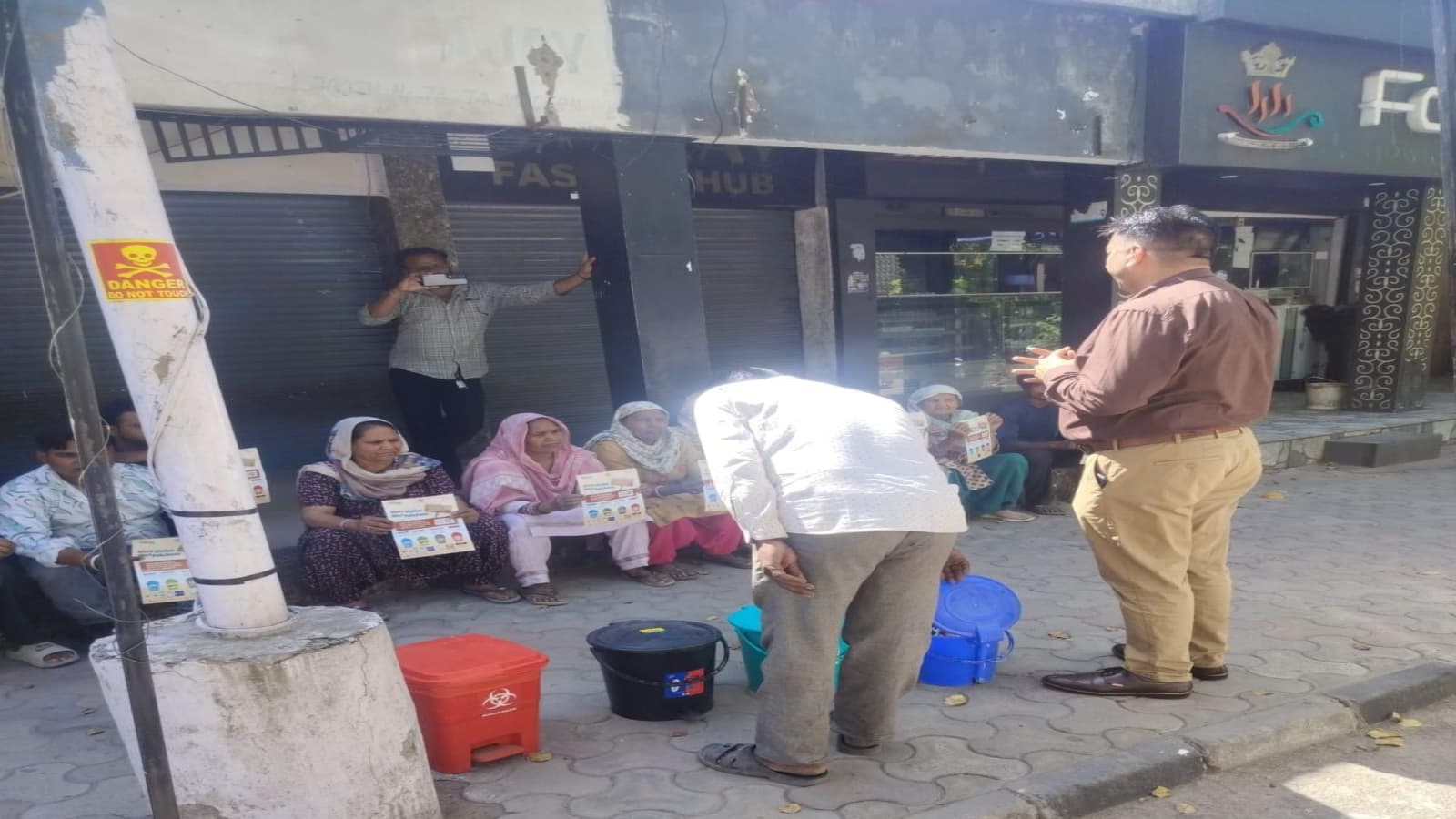
A sanitary inspector during an awareness drive about the new waste segregation system in Chandigarh. (Photo by special arrangement)The Chandigarh municipal corporation has mandated that every household in the city has to segregate waste into four bins, and plans to fine violators from July 20 following an awareness drive. As per the new system announced on Monday, waste needs to be segregated at source into four categories—dry, wet, hazardous, and sanitary. This replaces the earlier practice of using two bins—one each for wet and dry waste.The initiative aims to reduce the amount of mixed waste reaching the dumping ground and encourage recycling. Civic officials said the two-bin system was no longer sufficient as hazardous household waste and sanitary waste continued to get mixed with regular garbage, posing health and environmental risks. A blue bin will be used for dry waste such as paper, plastic, metal, wood, clothes, thermocol, and rubber, while a green one will be for wet waste, including cooked and uncooked food, fruit and vegetable peels, tea leaves, and other kitchen waste. A black bin has been designated for domestic hazardous waste, including medicines, paints, cosmetics, batteries, tube lights, syringes, insecticides, old mobile phones, and other electronic waste. A red bin will be used exclusively for sanitary waste such as sanitary napkins, diapers, bandages, and blood-contaminated material. Awareness campaigns before enforcement The corporation has upgraded the system in line with the Solid Waste Management Rules 2016 to ensure that dry, wet, hazardous, and sanitary waste are collected and processed separately. It has started distributing awareness pamphlets and educating residents, resident welfare associations (RWAs), and commercial establishments about the new system. Officials said proper segregation at source will improve recycling, ensure scientific disposal of hazardous and sanitary waste, and reduce the burden on the city’s dumping ground. “Residents must segregate their waste into the prescribed categories before handing it over to sanitation workers. We are conducting an awareness campaign for one week. Challan action will start from next week against those who fail to comply,” said Sanitary Inspector Davinder Rohilla.Story continues below this ad Earlier, the municipal corporation had sensitised residents through awareness campaigns, door-to-door drives, and RWAs before providing them with green and blue bins for separating wet and dry waste at the source. Hina Rohtaki is a Special Correspondent at The Indian Express, based in Chandigarh. She is one of the most prominent journalists covering the Chandigarh Administration, civic issues, and the unique political status of the Union Territory. Professional Background Experience: She has been in the field for over a decade and is known for her investigative reporting on administrative waste and urban governance. Awards: She is a recipient of the prestigious Ramnath Goenka Excellence in Journalism Award, which was presented to her by the President of India in January 2020. She was also awarded the Jethmalani prize (The Will of Steel Awards) in 2025 in the Empowerment category for a series of articles that highlighted the struggles of Covid widows. Core Beat: Her primary focus is the Chandigarh administrative structure, the Union Territory's financial management, and urban development projects. Recent Notable Articles (Late 2025) Her recent work highlights a focus on government accountability, administrative expenditures, and civic trends: 1. Investigative & Financial Reporting "Fuelling power: Senior UT IAS officers guzzled petrol worth Rs 30 lakh in 2 yrs" (Dec 14, 2025): An investigative report detailing the high fuel bills of top bureaucrats, including the Finance Secretary and Chief Secretary’s staff. "Admn spends Rs 1.5 crore on dismantling road railings and fixing again after increasing height"


Discussion (0)