
Loading dispatches...
← Return to Newsroomgeneral
CAG finds Chhattisgarh’s mining welfare fund strayed from its core purpose
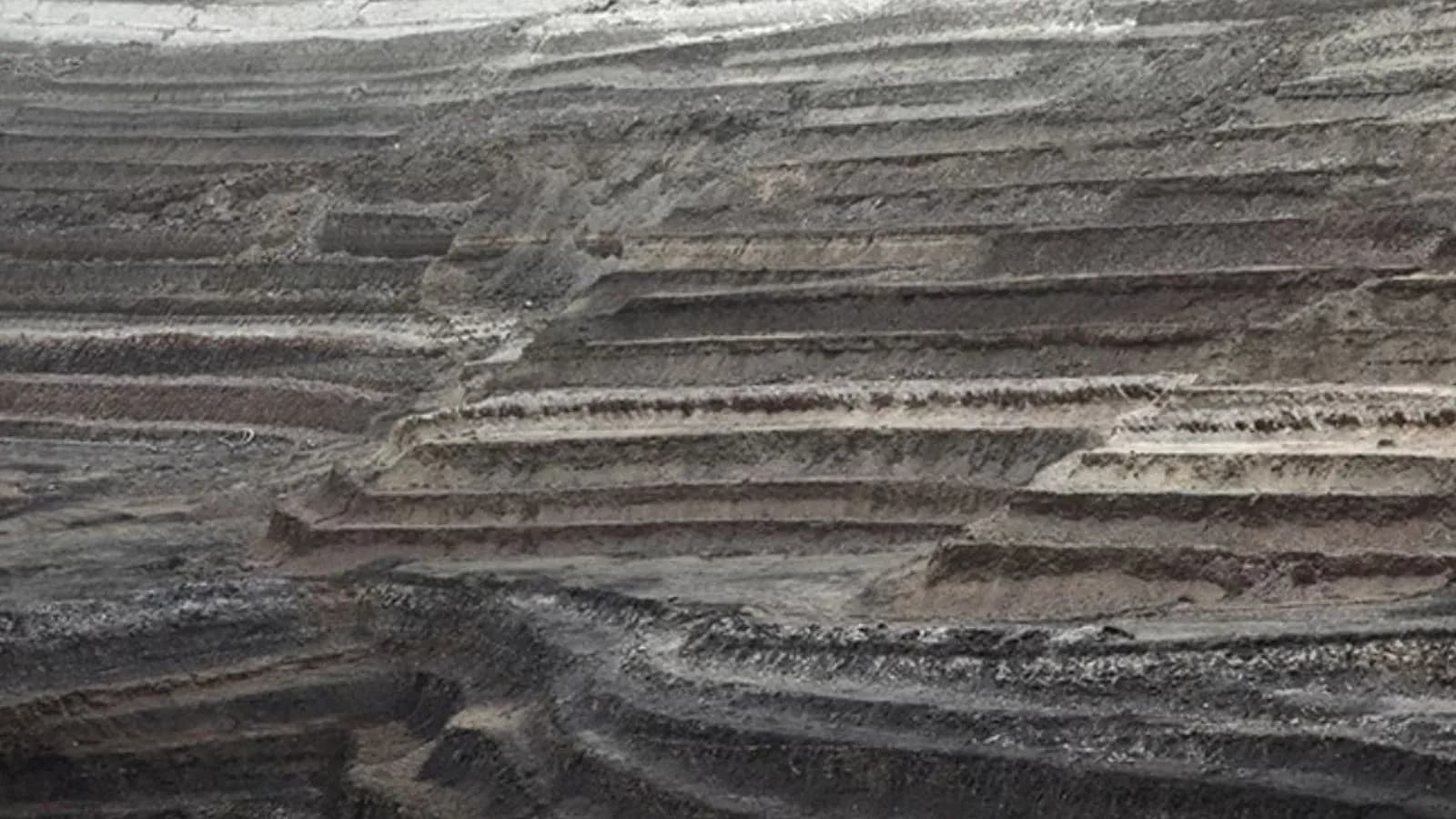
DMFTs received Rs 13,101 crore up to 2023-24, of which Rs 10,253 crore (78%) was spent on various works in Chhattisgarh. (File Photo) A Comptroller and Auditor General (CAG) audit has exposed systemic lapses in the implementation of the Pradhan Mantri Khanij Kshetra Kalyan Yojana (PMKKKY) in Chhattisgarh, flagging governance failures, policy deviations, fund diversion, tender violations, unfruitful expenditure and transparency gaps in the utilisation of the state’s Rs 13,101-crore District Mineral Foundation Trust (DMFT) fund between 2015-16 to 2023-24. Launched in 2015, PMKKKY aims to implement development programmes for the welfare of mining-affected areas and people through District Mineral Foundation Trusts (DMFTs), which receive contributions from mining and quarry leaseholders.DMFTs received Rs 13,101 crore up to 2023-24, of which Rs 10,253 crore (78%) was spent on various works in Chhattisgarh. The audit found deviations in the CGDMFT Rules, 2015, diluting benefits meant for mining-affected communities. The definition of “Affected People” was expanded to include all people living or working in affected areas, extending coverage across mining-affected districts without specific limitations. As a result, trusts allocated Rs 709.47 crore to distribute free items among people in directly and indirectly affected areas. Audit scrutiny of 30 cases worth Rs 28.11 crore found distributions were made randomly, without defined criteria or identified beneficiaries, resulting in funds being spent on broader community schemes instead of the intended mining-affected population. Villages left out, funds spent in non-eligible areas Despite spending Rs 4,536.58 crore (81% of available funds), 754 (44%) of the 1,734 directly affected villages remained uncovered in 11 sampled districts.Story continues below this ad Trust funds were also spent on non-eligible works such as welcome gates, gardens in collectorates, renovation and construction of government office buildings, office purchases, official vehicles and grants to private educational institutions. Funds were utilised without preparing master plans, vision documents or annual plans to ensure long-term sustainable livelihoods in mining areas. Affected areas were identified with delays ranging from five months to five years after trusts were constituted, while Rs 1,060.70 crore was allocated before these areas were identified. Lists of directly affected villages were issued through collectors’ office orders but were not notified as required under the DMFT Rules. Poor planning, monitoring and due diligence resulted in unfruitful expenditure of Rs 41.80 crore on incomplete works and unutilised assets such as an Art and Culture Centre, biogas power plants, and poultry and mushroom production centres. Another Rs 30.73 crore was spent on construction, renovation, beautification and procurement for government offices outside PMKKKY’s priority areas. No open tenders, manpower crunchStory continues below this ad Implementing agencies procured goods and services worth Rs 17.49 crore through limited quotations without open tenders, and another Rs 38.82 crore without technical specifications, violating the Chhattisgarh Store Purchase Rules, 2002. Key posts, including project coordinator, assistant project coordinator, accountant and assistant, remained vacant. Bemetara and Mahasamund reported 100% manpower shortages, while Balod, Bilaspur, Raigarh and Rajnandgaon had vacancies exceeding 50%. Lack of transparency The state government did not incorporate the PMKKKY provision requiring DMFT accounts to be audited by the Comptroller and Auditor General of India. The state’s Khanij Online portal facilitates payment of DMF contributions along with royalty for major minerals but lacks a similar system for minor minerals.Story continues below this ad Further, Form-2, used for issuing transit passes for minor minerals, did not capture DMF payment details along
The objective of this revision is apparently to simplify the approval process for institutional investors while maintaining regulatory oversight over ownership in the banking sector. The Reserve Bank of India (RBI) has proposed to grant a one-time approval for future acquisitions of major shareholding in a bank to eligible mutual funds, insurance companies and pension funds if their stakes fall below 5%. Once such approval is granted, these institutions will not need to seek RBI approval every time they re-acquire a stake of up to 10%, provided they continue to comply with all regulatory conditions and the approval has not been revoked, the RBI said in the draft Reserve Bank of India (Commercial Banks — Acquisition and Holding of Shares or Voting Rights) Amendment Directions, 2026.Under the existing 2025 Master Direction, if an institution’s holding falls below 5% and it later wishes to increase it again to a major shareholding, they must seek fresh RBI approval. This requirement ensured continuous monitoring, and also resulted in repeated regulatory approvals for large institutional investors. The objective of this revision is apparently to simplify the approval process for institutional investors while maintaining regulatory oversight over ownership in the banking sector. To qualify for this facility, the investor must be registered with the appropriate regulator — SEBI for mutual funds, IRDAI for insurance companies or PFRDA for pension funds. The institution should not belong to the promoter group or group entities of the concerned banking company, it said.
Discussion (0)