
Loading dispatches...
← Return to Newsroomgeneral
Dont fall for the ‘No Palm Oil’ trend. Its not giving you the full health picture
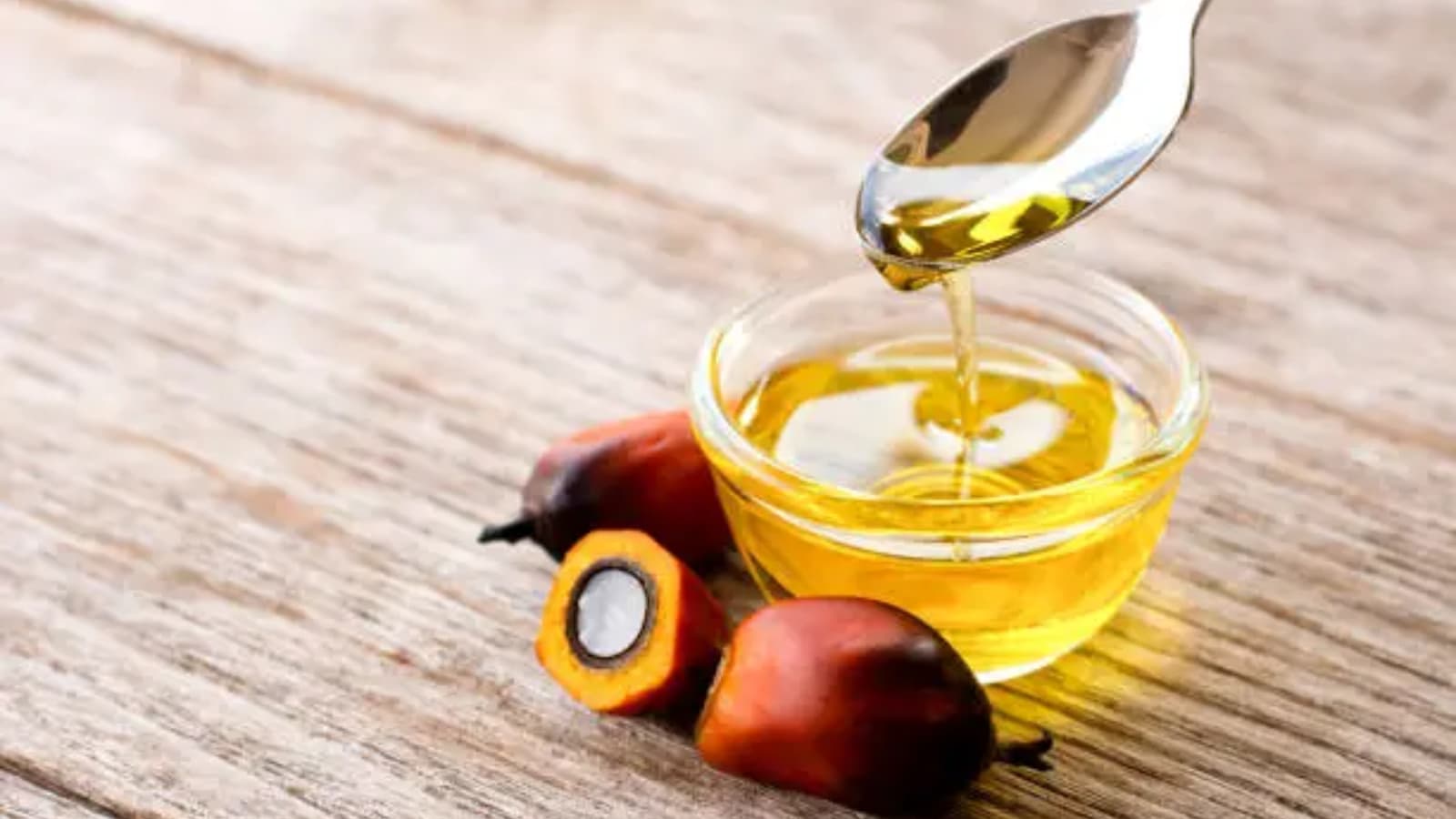
Visit any grocery store today, and you will see shelves of food items with labels mentioning “No Palm Oil”. Across India, several packaged food brands are introducing and advertising palm-free biscuits, breads, desserts, and snacks, influencing consumer preference for products perceived as cleaner and greener.But, does removing palm oil really make food healthier or more environment-friendly? The answer is more complex than product packaging suggests. The No Palm trend deserves closer scrutiny, especially when most Indian households are seeking affordable, nutritious food. The science behind the oil In India, health concerns have amplified the anti-palm narrative. The controversy stems from the oil’s relatively high saturated fat content compared to some other oils. However, this framing conveys an incomplete picture. Palm oil consists of roughly 45 per cent fatty acids (primarily palmitic acid), with the rest composed of monounsaturated and polyunsaturated fats. On the fat scale, palm oil lies somewhere between highly saturated fats such as butter, ghee, and coconut oil, and more unsaturated oils such as sunflower, soybean, canola, and mustard. With the global phase-out of industrial trans fats that are associated with increased cardiovascular disease risk, palm oil gained prominence for good reason. Unlike partially hydrogenated vegetable oils that were historically used in processed foods, palm oil is naturally semi-solid and does not require hydrogenation (a process that creates harmful trans fats) — the reason why it has been widely adopted as a replacement for trans-fat-rich shortenings and vanaspati products. Modern scientific research on and analysis of palm oil’s effects on blood cholesterol and cardiovascular health also present a mixed, and not outright negative, picture. Palm oil leads to modest rises in both good and bad cholesterol. Available evidence does not support classifying palm oil as uniquely harmful to heart health. A question of diet and food choices In practical terms, palm oil is neither a “superfood” nor “junk”. Like any cooking oil, its health effects depend on how much is consumed, how often, and the overall dietary pattern. Many health risks commonly associated with palm oil arise from the ultra-processed foods in which it is often used — packaged snacks, confectionery, and fried foods. In such cases, excess sugar, salt, and calories may pose a greater health risk than the oil itself. Current evidence also suggests that overall dietary patterns matter far more than the consumption of a single oil. Excess intake of saturated fats from any source — whether palm oil, butter, ghee, or coconut oil — can contribute to elevated levels of LDL (low-density lipoprotein) cholesterol (or bad cholesterol). Therefore, the issue is not palm oil per se but excessive saturated fat intake within an already calorie-dense diet. There are several other relevant criteria on which palm oil needs to be evaluated, and these are often overlooked. Edible oils are fundamental to human nutrition and one of the richest sources of essential fatty acids. The poorest in India consume around 21 grams (per capita) of edible oil in a day — below the recommended daily intake of 25–30 grams. This consumption gap contributes to nutritional insecurity. Despite occupying just 5.5 percent of the world’s oil-cultivated land, palm oil contributes to over 35 percent of the global vegetable oil production. Its relatively high yield per hectare of land, against soybean, mustard and groundnut, makes it a cornerstone of an affordable edible oil economy. For India, where edible oil demand continues to rise with population growth and changing consumption patterns, palm oil remains indispensable. Affordability shapes nutritional choices for millions of low-income households in India. The hidden costs of going palm oil-free In the “No Palm” offensive, what often gets ignored is a simple fact. Palm oil is the world’s most land-efficient edible oil c



Discussion (0)