
Loading dispatches...
← Return to Newsroomgeneral
Karnataka draft apartment Bill: What could change for flat owners, builders, housing societies
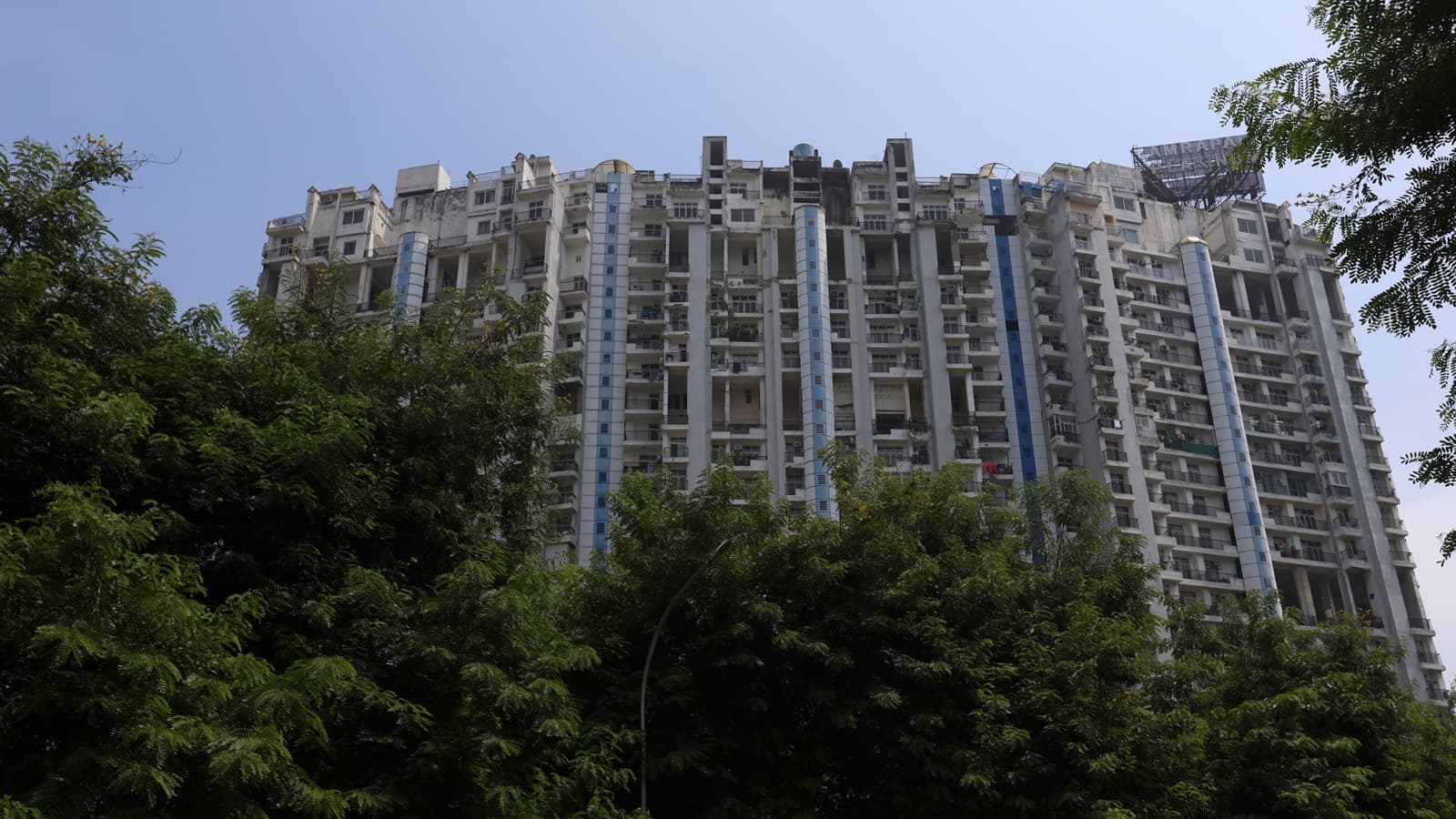
Lakhs of apartment owners in Karnataka could soon see sweeping changes to how housing societies are governed, maintenance charges are calculated, and old buildings are redeveloped, with the state government unveiling a draft Bill to replace two 53-year-old Acts.Karnataka Chief Minister D K Shivakumar Wednesday set a deadline of August 6 for citizens, resident welfare associations, and other stakeholders to submit feedback and recommendations on the Karnataka Apartment (Ownership and Management) Bill, 2025, which is likely to be passed during the next Monsoon Session of the Assembly.Karnataka Government data shows there are more than 25,000 apartment buildings in Bengaluru alone, with nearly 25-30 lakh flats. In the last year alone, about 60,000–75,000 flats were registered with the Karnataka Real Estate Regulatory Authority (KRERA) in Bengaluru and its adjoining areas. Why Karnataka Apartment (Ownership and Management) Bill, 2025? The Karnataka Apartment Ownership Act (KAOA) and the Karnataka Ownership Flats Act (KOFA), which came into effect in 1972, have not been updated despite several shortcomings. The draft notes several shortcomings in the existing legal framework that the new Bill seeks to address. These include the failure to transfer the land on which common amenities are built from developers or landowners to apartment owners’ associations, the absence of a clearly designated competent authority to approve and enforce association bye-laws, and the lack of clarity over accountability for safety and security within apartment complexes. The current laws also do not provide an effective mechanism to act against owners who default on maintenance charges, while overlapping jurisdiction between the Urban Development Department and the Co-operation Department has often led to administrative confusion. Additionally, the existing legislation lacks adequate provisions governing the redevelopment of ageing apartment complexes. Why did the government come up with the Bill now?Story continues below this ad With Bengaluru’s rapid expansion and the rise of apartment complexes, gaps in the decades-old laws have increasingly led to disputes between owners, builders, and other stakeholders. The existing Acts, for instance, do not provide any framework for redevelopment, which is a growing concern for residents of ageing apartment complexes and the future of their properties. The new Bill also seeks to align Karnataka’s apartment ownership framework with the Real Estate (Regulation and Development) Act (RERA), 2016, which was enacted decades after the existing state laws and whose provisions were not reflected in them. The Bangalore Apartments Federation (BAF), a body representing more than 1,500 apartment associations, has been demanding a new law to address these problems. A major concern has been that some builders, even after selling apartment units, have allegedly mortgaged the property’s title documents to secure bank loans, exposing homebuyers to legal and financial risks due to the absence of clear regulatory safeguards. Who will the new Bill apply to?Story continues below this ad Any apartment project with more than eight units will fall under the Karnataka Apartment (Ownership and Management) Bill, 2025. What are the salient features of the Bill? The draft Bill seeks to strengthen the role of apartment owners and their associations by giving them greater decision-making powers. It also proposes to bring the registration, regulation, monitoring, and compliance of apartment associations under a single authority, the Urban Development Department. At present, associations are governed by multiple laws, including the Karnataka Societies Registration Act and the Karnataka Real Estate Regulatory Authority (KRERA), which often lead to overlapping jurisdictions. The Bill also introduces clearer legal definitions for key terms. For instance, it defines “super built-up area” to include the carpet area, external walls, balconies, and a



Discussion (0)