
Loading dispatches...
← Return to NewsroomEconomy
Cost to capability shift key to hit $100 bn textile export target: CMAI
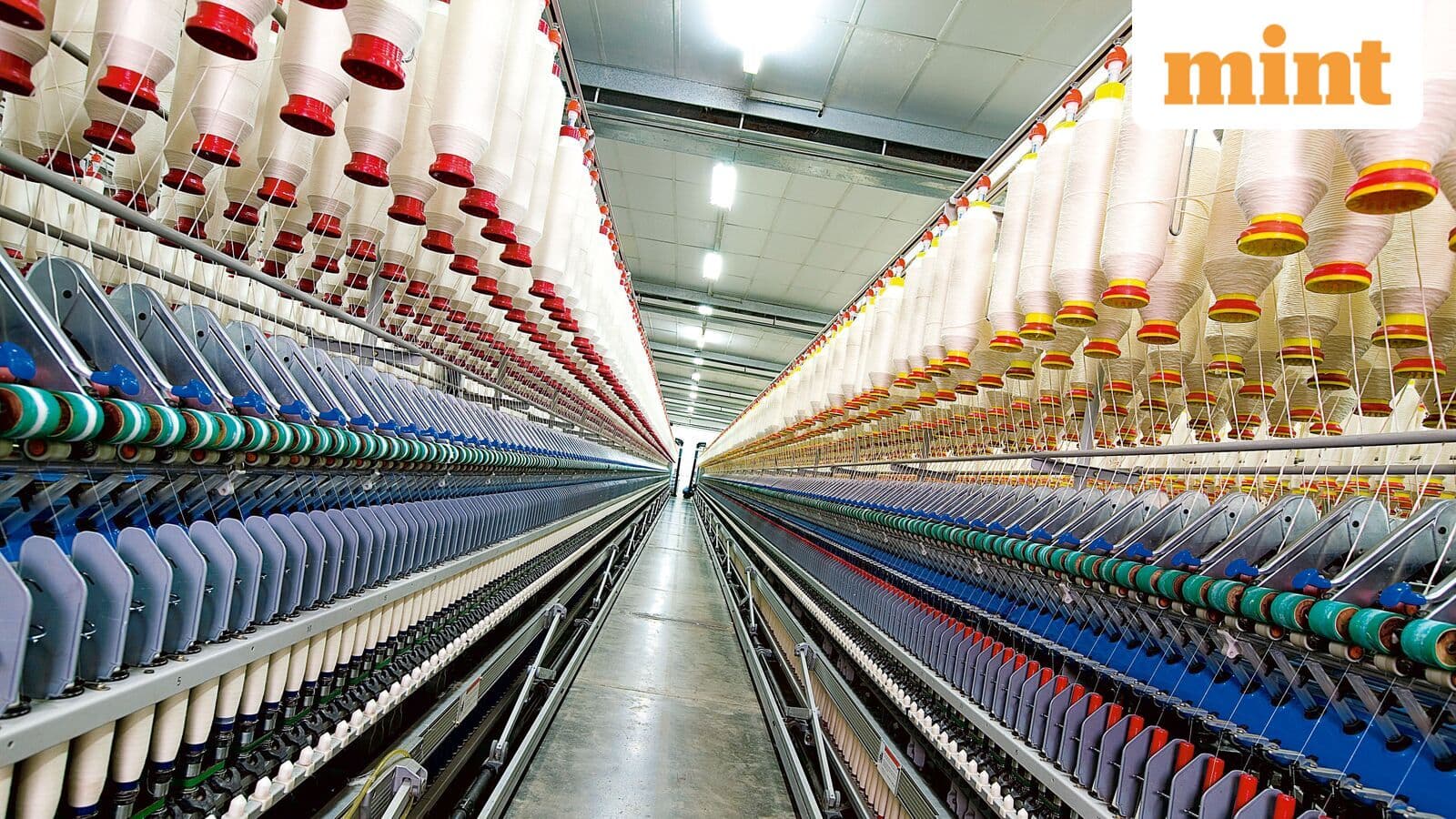
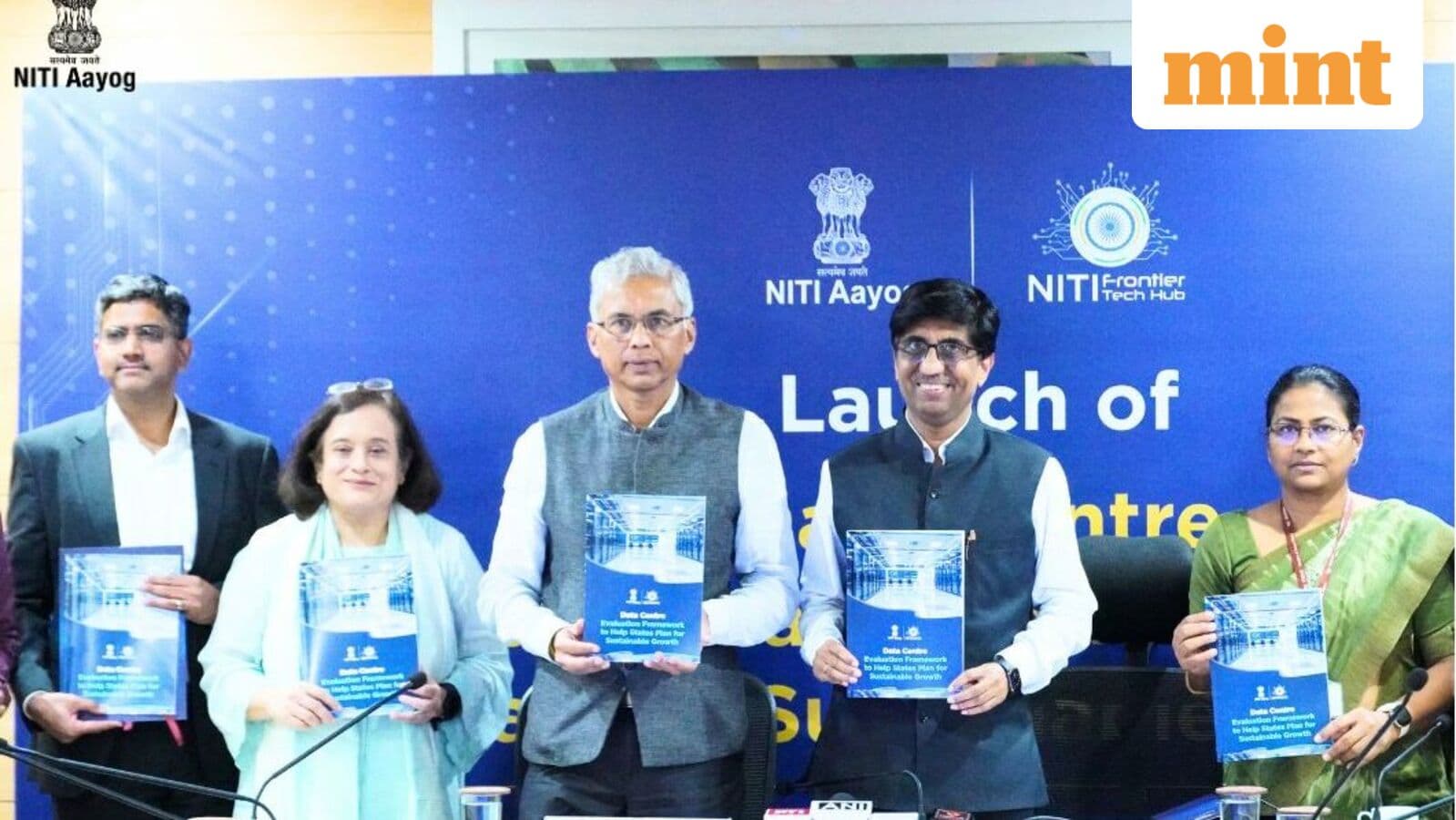
New Delhi: The textile and apparel industry will need to move beyond competing primarily on low-cost manufacturing and build capabilities in sustainability, product innovation, digitalisation, and supply-chain transparency if India is to achieve its $100-billion textile and apparel export ambition by 2030, said a new industry blueprint on Thursday.The country's next phase of export growth will depend less on expanding manufacturing capacity and more on strengthening enterprise capabilities to meet changing global buyer expectations, said the India Textiles & Apparel CXO Blueprint 2030, prepared jointly by the Clothing Manufacturers Association of India (CMAI) and the Global Alliance for Textile Sustainability (GATS).The report had been released at an opportune time in the presence of global buyers and would serve as a guide for the country's textile ecosystem, helping stakeholders unlock new growth opportunities and strengthen the sector's global competitiveness, said Union textiles minister Giriraj Singh while releasing the report during the ongoing Bharat Tex 2026.The report comes at a time when the government is looking to expand India's presence in global textile markets through free trade agreements, including those with the UAE and the UK, as well as initiatives such as PM MITRA and the production-linked incentive (PLI) scheme.According to the blueprint, India's textile and apparel exports have remained at around $40 billion annually for the past six years, growing at only 0.8% annually, significantly below the 3.5% growth in global textile and apparel trade. India currently accounts for 4.1% of global textile and apparel trade, making it the world's sixth-largest exporter, while the sector provides direct employment to nearly 45 million people.Exports dropOverall, textile and apparel exports dropped 2.2% to $35.7 billion in FY26 from $36.6 billion in FY25, while a weaker rupee actually boosted earnings in local currency. In rupee terms, exports grew 2.1% to ₹3.16 trillion from ₹ ₹3.10 trillion the previous year, according to commerce ministry data.The report further noted that although the country has built one of the world's largest textile manufacturing ecosystems, future growth will no longer be determined by manufacturing scale alone.“For decades, growth in the Indian textile and apparel sector was a function of capacity. The years to 2030 will reward something else—the speed at which capacity is converted into capability,” the report said.It argued that India possesses structural strengths that many competing countries lack. The country has an integrated fibre-to-fashion value chain with 83.2% domestic value addition in textile and clothing exports, among the highest globally, along with strong positions in cotton and carpet exports. However, these strengths have not translated into leadership in faster-growing segments of global trade.India's share in global apparel exports remains only around 3%, compared with 9.5% for Bangladesh and 7.3% for Vietnam, while its participation in the global market for man-made fibre (MMF) apparel is about 2%, despite MMF garments accounting for nearly $240 billion in global exports.The report noted that future export growth will require greater participation in finished apparel, MMF garments, technical textiles, blended fabrics and other value-added products.The blueprint also pointed to the concentration of the country's export basket. More than 52% of textile exports come from only 134 product categories, where India already holds over 10% global market share, indicating significant scope for diversification into higher-growth product segments.While acknowledging that recent bilateral trade agreements are improving New Delhi's access to key export markets, the report cautioned that tariff benefits alone will not guarantee higher exports.Need to strengthen complianceCompanies will also need to strengthen compliance with rules of origin, improve product development, ensure docume


Discussion (0)