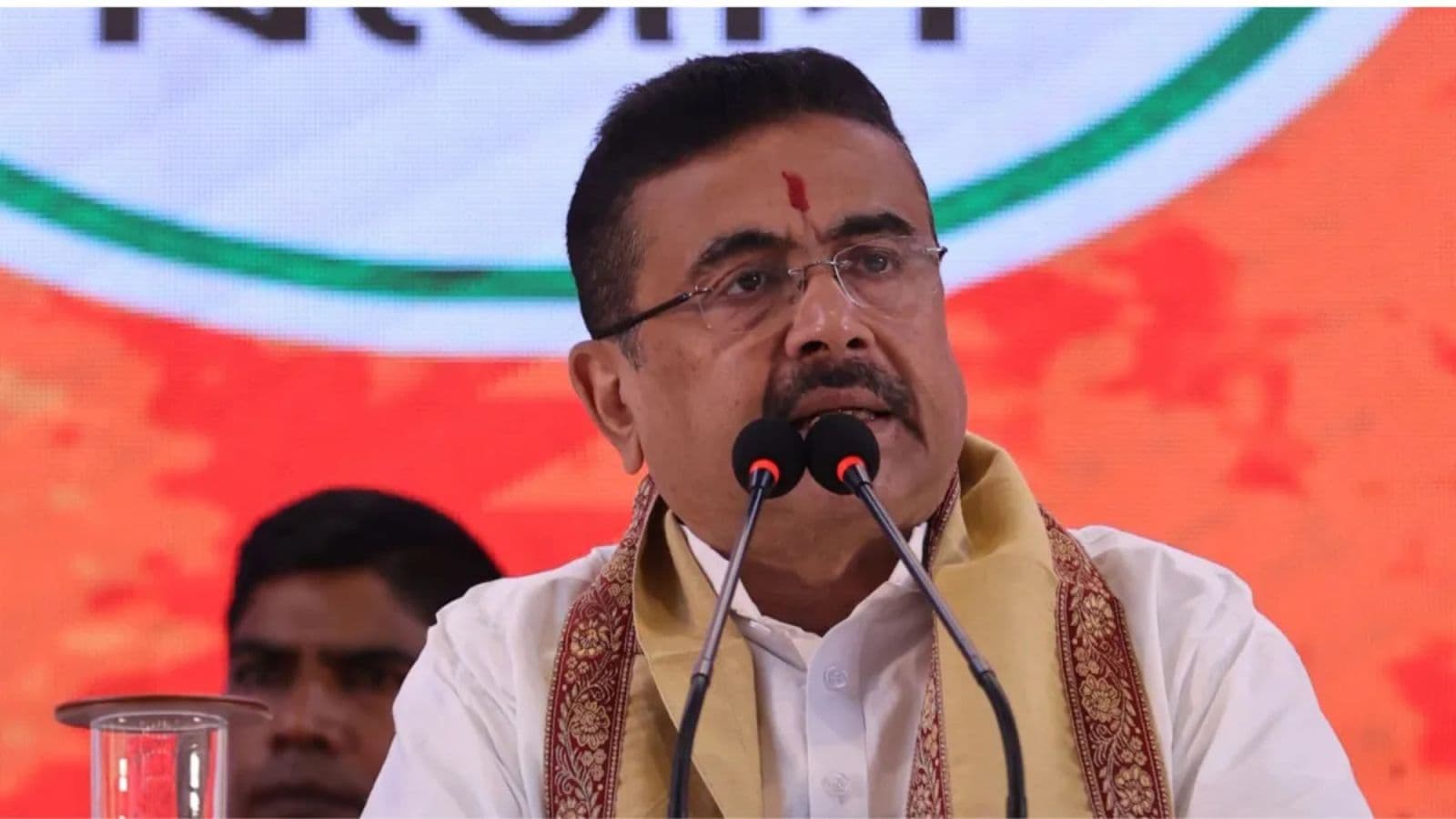
Working on a timeline set by the new Suvendu Adhikari-led BJP government in West Bengal, the Kolkata Municipal Corporation (KMC) administration has been going ahead with a major delimitation exercise, proposing to increase the city’s municipal seats from the existing 144 wards to 200.On July 10, the KMC issued orders in this regard, constituting the Central Delimitation Committee (CDC) and the Borough Delimitation Committees (BDCs) for all its 16 boroughs to redraw the electoral map ahead of the Corporation elections slated for December this year.Days after the resignation of Trinamool Congress (TMC) leader Firhad Hakim as Kolkata mayor on June 5, the Adhikari government dissolved the KMC board and appointed Municipal Commissioner Smita Pandey as its Administrator to run the civic body until fresh polls.
The CDC, which is mandated to coordinate and supervise the delimitation operation through the BDCs, has been asked to submit its recommendations to the KMC Administrator by July 27 for scrutiny and finalisation of the draft proposal.
While the BJP dispensation has sought to project this as an administrative exercise meant to “correct” demographic imbalances across the city wards, some other quarters, including the Opposition, believe that it is part of the ruling party’s calculations aimed at wresting the KMC from the TMC
in the upcoming polls. The Mamata Banerjee-led TMC has already been reeling from splits and defections following its crushing loss to the BJP in the recent Assembly elections. The then ruling TMC had swept the 2021 KMC elections, winning 134 of 144 wards as against the BJP’s three seats.Story continues below this ad
Noting that the KMC administration has proposed to create 56 new wards without increasing the number of the boroughs, several observers hold that this would serve a “dual purpose” for the BJP – administrative decentralisation as well as redrawing the electoral battlefield to ensure its upper hand.
BJP sources claim that the KMC’s proposed overhaul is based on the point that Kolkata’s demographic situation has shifted significantly over the last several years. They say that North Kolkata has witnessed stagnant or even negative population growth, whereas various belts of South and East Kolkata, along the EM Bypass and in areas such as Garia, Joka and Kasba, have seen a rise in population.
Some seats, like ward 66 in East Kolkata’s Topsia, have seen an increase in voters up to nearly 80,000, while the voter count in Shyampukur seats in North Kolkata have shrunk to barely 12,000. In practice, this means one councillor might be struggling to manage more than 50 polling booths and a massive load of civic demands, while another one might be dealing with just a small share of that workload, KMC officials said.Story continues below this ad
Bridging this divide would be the main objective of the KMC’s delimitation, said its Administrator Smita Pandey while addressing a press conference recently. “Currently, we have wards with up to 85,000 registered voters compared to others with just 10,000 voters. We need to reduce this gap as far as practicable.”
The target now is to cap the number of voters to 16,000-18,000 on an average in each of the 200 wards, KMC sources said.
Pitching for the move, senior BJP leader and Panchayat Minister Dilip Ghosh said: “It is much required. Even in panchayats we see some bodies have 30 members while others have 10-12 members. In other states, it is limited to 2-3 members. Imagine that one councillor has 12 booths while others handle more than 52 booths. For better administration, it is very important to increase wards, then blocks, then districts.” The BJP camp, however, notes that “fixing this entire system” would involve a long procedure. Municipal Affairs Minister Agnimitra Paul said: “It’s a long process, what is the population of each ward, how it will be done is a scientific process.”Story continues below this ad
Minority wards
Some KMC officials pointed out that the r



Discussion (0)