
Loading dispatches...
← Return to Newsroomgeneral
31 lions captured, 7 declared ‘maneaters’, Gujarat battles recent surge in attacks
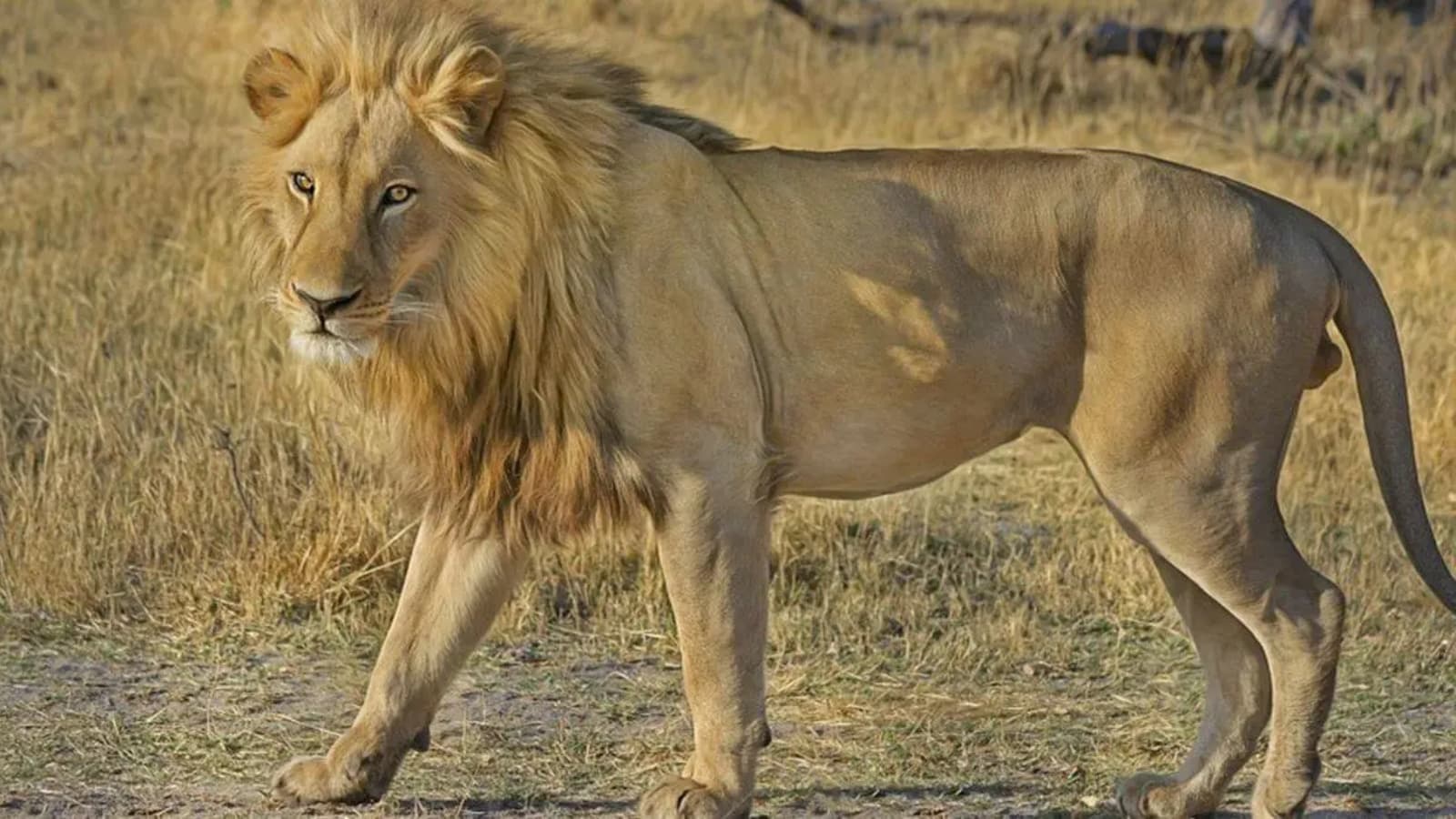
The Gujarat Forest Department has decided to rope in the Wildlife Institute of India (WII) to conduct a study on possible changes in lion behaviour, among other things, after at least nine attacks by the big cat since last month in the state, leaving six dead. In response, the authorities have captured around 31 lions and relocated them, as well as declared seven as “maneaters”, which means they will remain in captivity — an alarming number for such a short period in Gujarat.Kalubhai Parmar, 45, a maldhari or cowherd, lives in Garajiya village of Bhavnagar. The village falls in Palitana taluk known for both Jain temples and for lion sightings. But nothing had prepared Parmar for what happened on the morning of July 6.He was feeding his cows when a lion suddenly emerged and pinned him down. Parmar first resigned himself to death, but when the lion tried to grab his neck, something came over him and the 45-year-old put his hand inside its mouth. “Had I allowed it to grab my neck, it would have killed me within a second,” he says. One hand in the lion’s mouth, Parmar began to stroke the lion’s neck with the other. The videos of Parmar doing so made by fellow villagers would later go viral. Says Parmar: “This was my first such encounter with a lion. They had never come into the village before. I only thought that if I calm it down, it may release me. As I continued to stroke it, it opened its mouth and I pulled out my hand. Then, after we were in this position for nearly 10 minutes, with the lion sitting on my legs, it got up and I ran home.” Escaping with two broken fingers and a gash on his neck, Parmar, who has five daughters and a son and rears six cows, says he doesn’t blame the lion. “The animal harms us only if we harass it.” As concern grows over the lion attacks, this is what experts underline too, as do maldharis such as Parmar who refer to the animal as saavaj and have lived in close proximity with it for generations. However, as expanding human imprint makes the chances of these encounters more common, that understanding is wearing thin. Gujarat remains the only natural habitat of Asiatic lions in the world, with the core area being the Gir forest, covering Junagadh and Gir Somnath districts in Saurashtra.Story continues below this ad Principal Chief Conservator of Forests and Chief Wildlife Warden, Gujarat, Jaipal Singh says: “The attacks seem to have happened for different reasons, some of them due to lions being harassed. But we can’t pinpoint the exact reason (behind the surge).” While the 31 captured lions have been relocated to areas where there are no lion prides, Singh adds: “We do not release these confirmed maneaters.” He puts the number of maneaters, who are eventually put in zoos, at six or seven, adding that they want the study with the WII “to understand and guide us on this change of behaviour (of lions) and the precautions to be taken”. Singh also underlines that none of the lions shifted or declared maneater was involved in more than one attack. A senior forest officer says what is particularly worrying is that in many cases, the maneaters have “consumed” people. “Generally, humans are not a part of a lion’s diet,” the officer says. However, Rajkot-based Bhushan Pandya, a former member of the Gujarat State Board for Wildlife, says the designation as maneaters is “unreasonable”. “As per guidelines of the National Tiger Conservation Authority, a tiger is considered a maneater only when it repeatedly kills people and consumes them. Not if it does it once. If a lion has killed a person after the latter harassed it, such a lion should not be called a maneater. This is being done to pacify people, but it is not proper for wildlife management.”Story continues below this ad Dushyant Vasavada, who worked as Chief Conservator of Forests (Junagadh Wildlife Circle) before his retirement, says capturing a lion can also “shatter” a pride. However, he says, the authorities have their hands tied. “A lion is capture


Discussion (0)