
Loading dispatches...
← Return to NewsroomPolitics
Kolkata hotel fire kills 9 Bangladeshi nationals

View of the building where the fire erupted in Kolkata, on August 19, 2026 | The fire started around 2 a.m. on Wednesday. The nine casualties were due to suffocation from the smoke. At least 15 others were rescued from the hotel by firefighters.The fire broke out at a multi-hotel building in the Mirza Ghalib Street area in central Kolkata area.Police identified all the deceased as Bangladeshi nationals. They had reportedly come to Kolkata for medical treatment.The injured have been taken to the Calcutta Medical College for treatment. The fire is now under control. The officials are yet to understand the cause of the fire and investigation is underway.The hotel has been identified as Hotel Shikhali, and a case has been registered at the New Market Police Station against the owner.Fire Minister Kaushik Chowdhury visited the spot to assess the situation and inspected the relief work."The dense smoke made it difficult for firefighters to climb the staircase and reach the upper floors. While nine people have died, more deaths are feared," a police officer told PTI.This incident comes just two days after another deadly fire in Tarapith killed at least nine people, raising questions about safety protocols in smaller hotel establishments. After the Tarapith hotel fire, at least 15 hotels in the area were sealed and asked to stop operations after several protocol violations were reported. Published - August 19, 2026 08:35 am IST
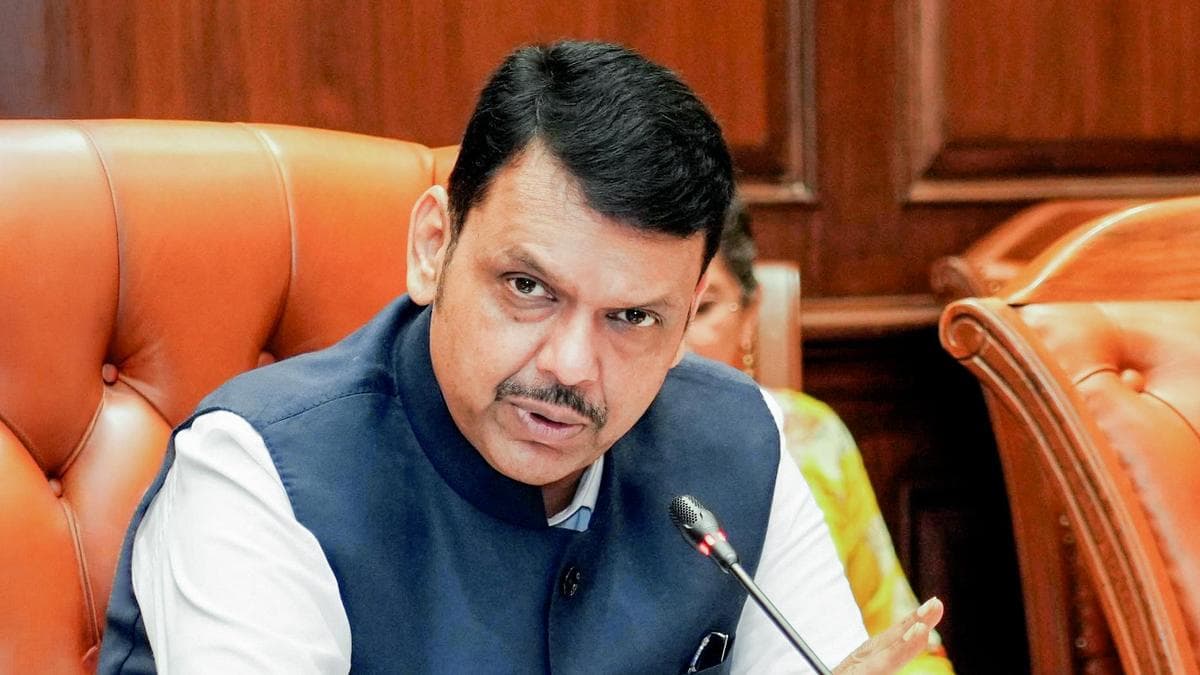
Maharashtra Chief Minister Devendra Fadnavis. File | School children and people from all walks of life visited the martyrs’ memorial at August Kranti Maidan in south Mumbai to offer tributes.Launched by Mahatma Gandhi in Mumbai, the Quit India Movement, which began on August 9, 1942, was a decisive call to end British Rule and a turning point in the country's freedom struggle.CM Fadnavis, in a post on X, said, "On August Kranti Din, we honour the countless freedom fighters whose courage and determination during the Quit India Movement strengthened India's march towards independence. Their legacy of patriotism continues to inspire generations."NCP (SP) chief Sharad Pawar said the Quit India Movement, launched under Mahatma Gandhi's leadership with the call of "Do or Die", marked a decisive phase in India's struggle for independence.The former Union minister in a post on X paid tribute to both known and unknown freedom fighters who sacrificed their lives during the country's freedom struggle, noting that millions of Indians joined the movement and intensified the fight against British rule.Maharashtra Congress president Harshwardhan Sapkal also paid tribute to freedom fighters in a post on X.He said the movement intensified the final phase of India's struggle for independence and became a powerful expression of the people's resolve to free the country from British rule. Published - August 09, 2026 03:56 pm IST
Kolkata As the FIFA World Cup reaches its climax far from India, with stadiums packed and fans cheering their teams, a group of children in Kolkata is fighting a very different battle for their love of the same game. Their biggest opponents are not rival teams, but prejudice, social taboos, and the daily struggle to find a patch of ground to practise on.For the children of Meye-Cheleder Khela (Girls and Boys Play Together), football is less about trophies than freedom. A member of the team during a match. | Boys and girls train side by side, challenging the long-held belief that football is a sport meant primarily for men.The team has around 20 members, some of whom have been playing for the past five years, while others joined about three years ago. Team members during their practice. | Football has become both a source of freedom and a form of self-expression for her over the years. “Football has given me a sense of freedom. When I am on the field, I don’t feel limited by what society expects from girls,” she said. “Growing up, football was seen as a boys’ game. Every match we play shows that the ground belongs to us as much as anyone else.” Team members during their practice. | Like many girls in the team, she balances her studies with training while navigating discouraging remarks from neighbours and the lack of safe spaces to practise. The idea behind the team was never simply to teach football. “When girls from the community told us they wanted to play, they were being held back by social barriers and the difficult environment around them,” said Smritiparna Sengupta, founder-secretary of Bondhu Collective. “We wanted to create a space where everyone could play with dignity, regardless of gender,” she added. Team members during their practice. | Ms. Sengupta said boys from the neighbourhood, inspired by watching the girls practise, wanted to join the team. They were welcomed on the condition that the team would be called Meye-Cheleder Khela, reclaiming a phrase often used as a slur in Bengali and turning it into a statement of equality and an attempt to offer a level-playing field for all genders.The experiment, however, continues to face practical challenges. “Access to playgrounds remains one of the biggest hurdles,” Ms. Sengupta said. Public grounds are often occupied, or priority is given to boys’ teams. Funding, equipment, and regular coaching are constant concerns, the organisers said. Coach Pijush Halder believes the girls’ biggest challenge begins long before kick-off. "Talent is not the issue; opportunity is,” he said. “Women players often have to overcome barriers that boys rarely face, from access to grounds to social expectations. With consistent coaching and equal opportunities, these players can compete at much higher levels,” Mr. Halder added.Finding opponents has also been difficult for the team. A few months back, the team managed to arrange a match against another women’s side but struggled to find a ground to host the game. For now, their victories are measured not only by the number of goals they score, but also by the everyday stigma they fight to stand on their own feet, question the norms taught to them, challenge society, and keep playing the game that liberates them. In the crowded urban landscape of Kolkata, where space is limited, the young children have carved out a s


Discussion (0)