
Loading dispatches...
← Return to Newsroomgeneral
Mediterranean diet in an Indian kitchen: What to eat, what to avoid and why it matters

For years, the Mediterranean diet has been regarded as one of the healthiest eating patterns in the world, consistently associated with a lower risk of heart disease, diabetes, stroke and premature death. More recently, scientists have begun asking another important question: can what we eat also influence how we think and feel?A recent study involving more than 3,200 adults over the age of 50 found that those who followed a Mediterranean-style eating pattern more closely reported better psychological well-being and greater resilience to stress. While the findings do not prove that diet alone improves mental health, they add to growing evidence that food choices can influence not only physical health but also emotional well-being.The encouraging news for Indians is that adopting a Mediterranean diet does not mean filling the kitchen with imported olive oil, feta cheese or expensive packaged foods. The real strength of the Mediterranean diet lies not in specific ingredients but in its philosophy — eating more plants, choosing healthier fats, including adequate protein, limiting processed foods, and enjoying meals prepared from fresh ingredients. Many of these principles are already deeply rooted in traditional Indian cuisine. The Mediterranean diet is more than olive oil The Mediterranean diet is often misunderstood as a diet centred around olive oil. In reality, it is a balanced eating pattern built around vegetables, fruits, legumes, whole grains, nuts, seeds, healthy fats and moderate amounts of dairy, fish or lean meat. Processed foods, refined carbohydrates, sugary beverages and excessive red meat occupy only a small place in this dietary pattern. It is this overall combination of foods, rather than any single ingredient, that has consistently been linked with better cardiovascular, metabolic and now potentially mental health. Simply adding olive oil to an otherwise unhealthy diet is unlikely to produce meaningful benefits. Your Indian kitchen already has most of the ingredients Perhaps the biggest misconception is that eating Mediterranean means eating Western food. In reality, a traditional Indian meal can closely resemble a Mediterranean plate when prepared thoughtfully. A meal consisting of dal, seasonal vegetables, whole wheat or millet rotis, curd and a fresh salad provides fibre, protein, vitamins, minerals and complex carbohydrates in proportions remarkably similar to those recommended in Mediterranean dietary patterns. Rajma, chole, lobia, whole green moong and sprouts are excellent sources of plant protein and dietary fibre. Homemade curd supplies probiotics while spices such as turmeric, cumin, coriander and ginger contribute numerous bioactive compounds with antioxidant and anti-inflammatory properties. Let vegetables dominate your plate Vegetables should ideally occupy nearly half the plate during lunch and dinner. Indian cuisine offers tremendous variety. Spinach, methi, sarson, lauki, tori, pumpkin, cabbage, cauliflower, beans, carrots, beetroot, capsicum, bhindi and gourds provide fibre, vitamins, minerals and antioxidants while contributing relatively few calories. Eating vegetables of different colours increases the diversity of beneficial plant compounds that help combat oxidative stress and chronic inflammation, two biological processes linked with diabetes, cardiovascular disease and several other chronic illnesses. Preparing vegetables with minimal oil while retaining their natural texture preserves both flavour and nutritional value. Choose whole grains over refined carbohydrates Replacing polished white rice and refined flour products with whole wheat, brown rice, hand-pounded rice or traditional millets such as jowar, bajra and ragi increases fibre intake and slows the rise in blood glucose after meals. Whole grains also promote satiety and support healthier gut bacteria. Traditional Indian cereals that have nourished communities for centuries deserve a return to the dining table, not because they
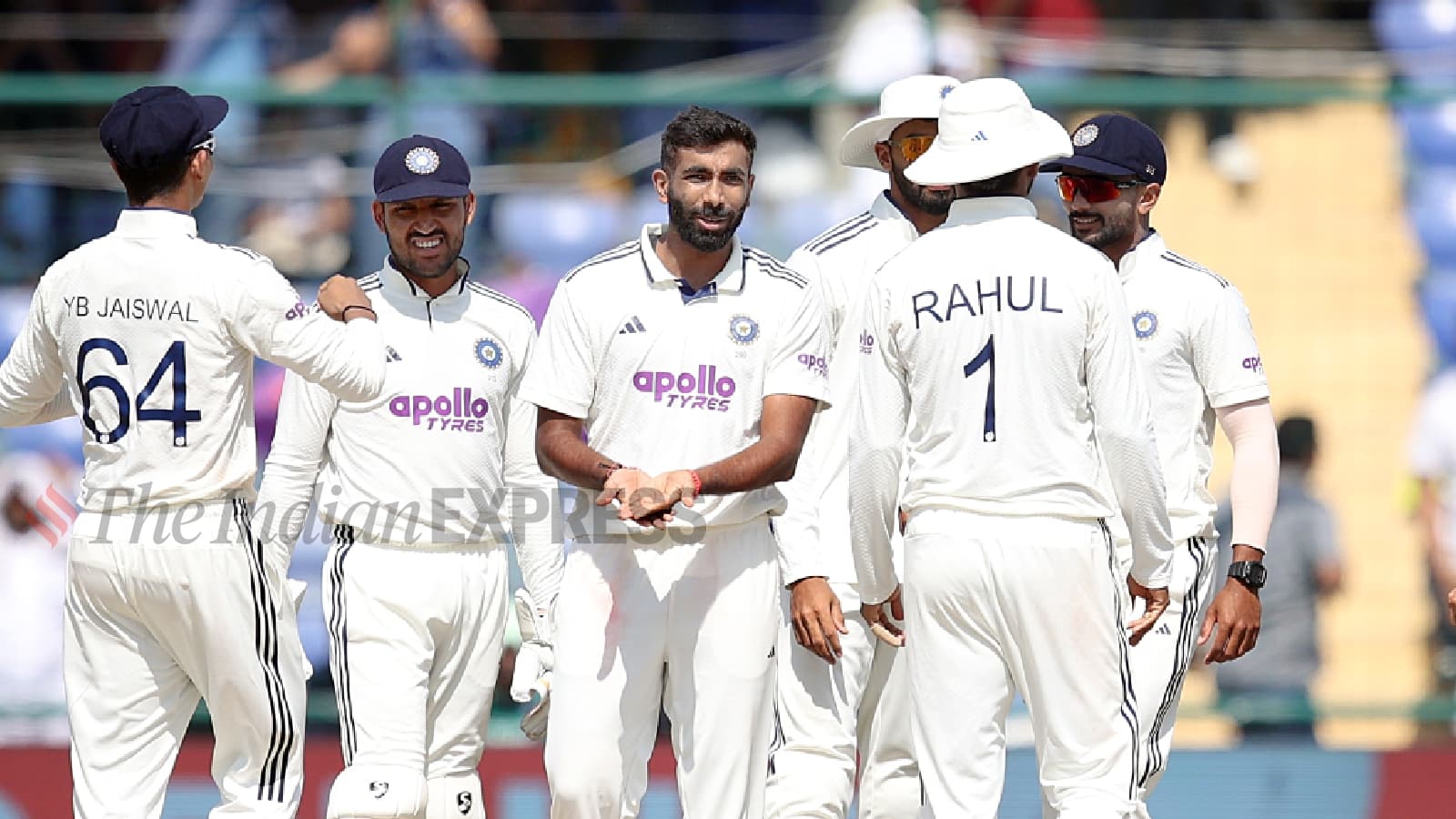
ChennaiUpdated: Aug 2, 2026 09:00 PM IST File image of Jasprit Bumrah during the India vs West Indies Test cricket match at the Arun Jaitley Stadium in New Delhi in October last year. (Express Photo by Praveen Khanna)India are yet to board the flight to Sri Lanka for a crucial two-Test series, but even before they land on the Emerald Isle, they have suffered a massive setback. The surfaces are likely to assist spin, but even in those conditions, Jasprit Bumrah’s importance could not be understated. On Sunday, the 32-year-old was ruled out of the series after failing to recover in time from the knee injury he sustained in England.India are fifth on the World Test Championship (WTC) table and the two Tests in Sri Lanka are crucial to keep their WTC final qualification hopes alive. A fragile batting unit on turning tracks notwithstanding, India will have to take on Sri Lanka without their pace spearhead. Ever since Bumrah injured his left knee (via impact in the game), the expectation was that he would be available for the series starting in Galle on August 15. When the BCCI named the squad for the series, they added an asterisk to say that Bumrah’s availability was subject to fitness. The hope that the 32-year-old would play atleast one of the Tests has also evaporated. The Indian Express understands that the impact injury he sustained at Cardiff has only aggravated the knee issue that has been persisting since the T20 World Cup. While Bumrah did recover from that injury and was cleared to feature in the IPL without any trouble, the blow he suffered in England aggravated the underlying issue. The Indian Express understands that as per the rehab programme, after taking an injection, Bumrah was expected to resume bowling over the weekend and gradually build his workload ahead of the Tests. But that is unlikely to happen any time soon with the pacer advised to rest.Story continues below this ad Given his importance, India were even ready to wait for a week and fly him to Sri Lanka, where they will first play a three-day warm-up fixture from August 7 at Colombo. If not, the idea of training and recovering with the team was also explored, but the medical team at the Centre of Excellence has preferred to tread cautiously, keeping the long-term future in mind. New plan Instead, the focus has shifted towards finding a long-term solution rather than merely managing the injury. “The solution is not a stop-gap. If we rush him now, then there is a strong chance he could break down again,” sources in the know revealed. The 50-over World Cup next year, along with the New Zealand tour in October and the Border-Gavaskar Trophy in January, remains top priority. India are hesitant to take any risks with Bumrah by hurrying him up. Since suffering a career-threatening back injury, he has managed his workload with utmost care, preferring not to rush. Bumrah remains firm on playing all three formats, and the decision not to hasten his return has been taken with an eye on future challenges.Story continues below this ad File image of Jasprit Bumrah during the India vs West Indies Test cricket match at the Arun Jaitley Stadium in New Delhi in October last year. (Express Photo by Praveen Khanna)Search for Plan B Bumrah’s absence means India will have to alter their plans significantly in the bowling department. With Washington Sundar already ruled out of the first Test and doubtful for the second, they will no longer enjoy the luxury of batting depth. The question that confronts them is, in case Sri Lanka opt for flat decks that start turning later on in the Test, who will partner Mohammed Siraj? Beyond him, the other options available in the squad are Prasidh Krishna and Gurnoor Brar, with Jammu and Kashmir’s Auqib Nabi being the front-runner to replace Bumrah. While Prasidh’s natural length may not be suited to the conditions in Sri Lanka, he has worked, off late, to rectify the issue. If India prefer to go with a pacer who takes conditions


Discussion (0)